
Telangana DCA Warns Against Unsupervised Semaglutide Use Amid Weight Loss Demand
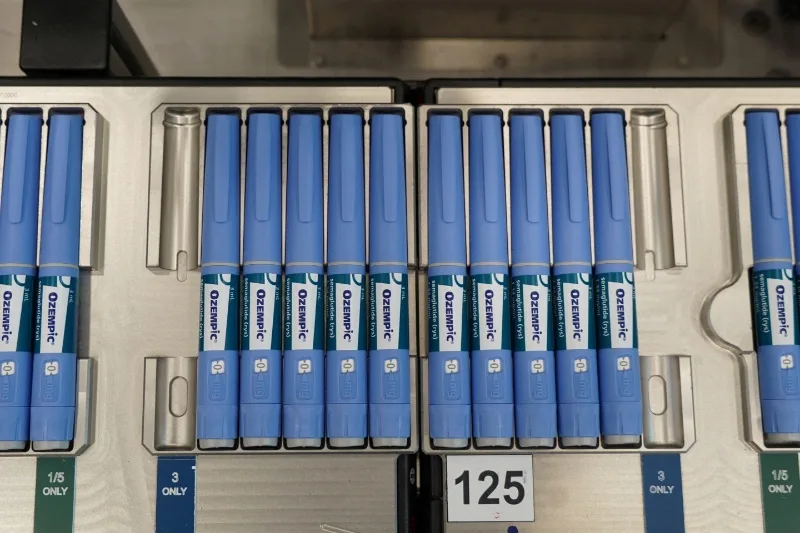
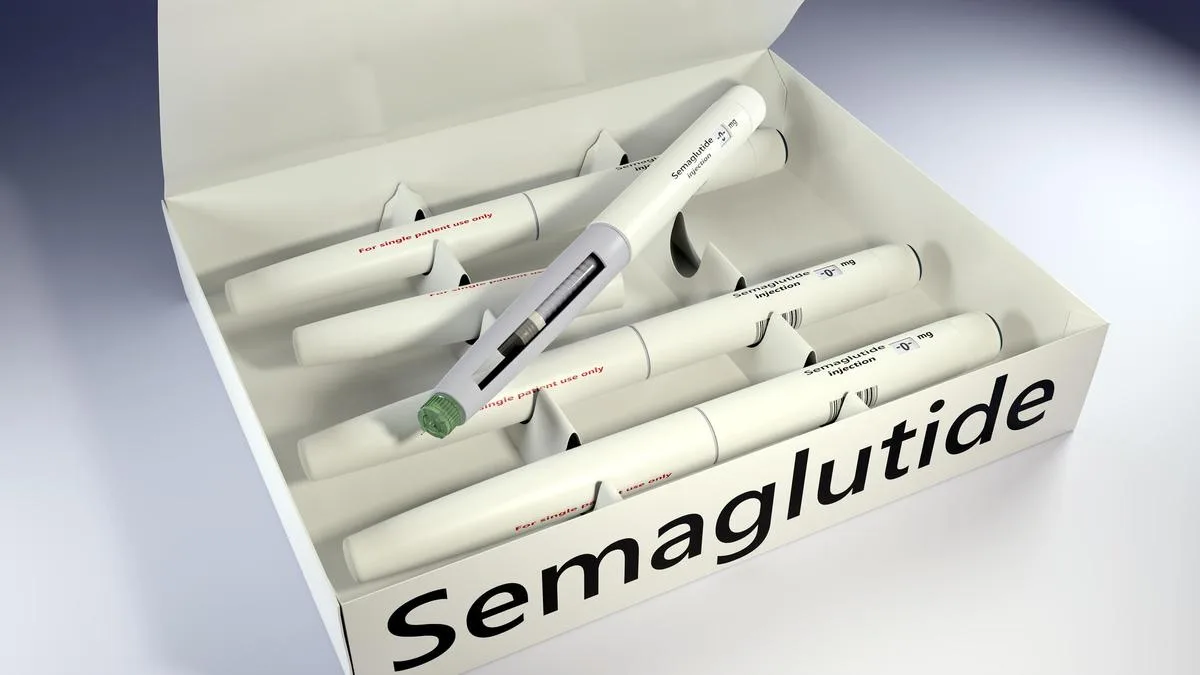
In response to the surging demand for semaglutide unsupervised use for weight loss and Type-2 diabetes treatment, the Telangana Drugs Control Administration (DCA) has issued a critical public advisory. This comes amid the expiry of the innovator product's patent in March, which has led to increased availability of generic versions. The DCA emphasizes that semaglutide, a prescription-only GLP-1 receptor agonist, must be used strictly under the supervision of a registered medical practitioner to prevent serious health risks.
What is Semaglutide and Why is Demand Rising?
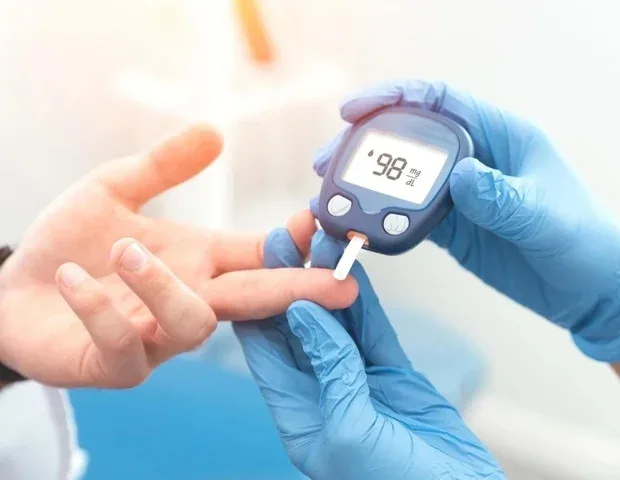
Semaglutide belongs to the class of Glucagon-Like Peptide-1 (GLP-1) receptor agonists, medications designed to mimic the GLP-1 hormone naturally produced in the gut. This hormone plays a key role in glucose metabolism by stimulating insulin release, suppressing glucagon secretion, and slowing gastric emptying. These actions help regulate blood sugar levels in patients with Type-2 diabetes and promote significant weight reduction by enhancing satiety and reducing appetite.
The drug's popularity has skyrocketed due to clinical evidence showing substantial weight loss—often 15-20% of body weight in trials—making it a go-to option beyond diabetes management. The patent expiry of the innovator product in March has paved the way for affordable generics from Indian manufacturers like Sun Pharma, Dr. Reddy's, Zydus, and Glenmark, further fueling demand in regions like Telangana. However, this accessibility has raised concerns about misuse.
Mechanism of Action: How Semaglutide Works
Once injected weekly (as in formulations like those from the mentioned generics), semaglutide binds to GLP-1 receptors in the pancreas, brain, and gut. This leads to:
- Improved glycemic control by boosting insulin and curbing glucagon.
- Delayed stomach emptying, reducing post-meal blood sugar spikes.
- Central nervous system effects that decrease hunger signals.
While effective, these mechanisms require careful dosing—typically starting at 0.25 mg and titrating up—to minimize side effects, underscoring the need for medical oversight.
The Telangana DCA Advisory: Key Warnings
The Telangana DCA has explicitly cautioned the public against self-medication with semaglutide formulations. The advisory highlights that unsupervised use can lead to serious health complications, including:
- Acute pancreatitis: Inflammation of the pancreas, potentially life-threatening.
- Acute kidney injury: Sudden decline in kidney function due to dehydration or other stressors.
- Severe gastrointestinal reactions: Such as nausea, vomiting, and diarrhea that can become debilitating.
- Gall bladder disease: Including cholelithiasis from rapid weight loss.
- Other adverse effects like thyroid tumors (in rodent studies) and cardiovascular concerns in predisposed individuals.
The administration stresses that these risks are heightened without professional guidance, especially given the drug's off-label popularity for weight loss.
What Do Doctors Assess Before Prescribing Semaglutide?
Qualified doctors must thoroughly evaluate a patient's profile before prescribing semaglutide. This includes:
Precision tracking for your journey
Join thousands using Shotlee to accurately track GLP-1 medications and side effects.
📱 Get the Shotlee App
Track your GLP-1 medications, peptides, and health metrics on the go with our mobile app!
- Medical history: Prior pancreatitis, kidney disease, gallbladder issues, or thyroid cancer history.
- Existing conditions: Cardiovascular disease, retinopathy, or gastrointestinal disorders.
- Risk factors: Obesity-related comorbidities, age, and concurrent medications.
- Dosage and duration: Personalized titration to balance efficacy and tolerability, often with gradual increases every 4 weeks.
Patients should discuss family history, lifestyle, and weight loss goals with their physician. Regular monitoring—blood tests, kidney function, and symptom checks—is essential during treatment.
Practical Patient Guidance: Who Should Consider Semaglutide?
Semaglutide is FDA-approved (and equivalent in India) for Type-2 diabetes and chronic weight management in adults with BMI ≥30 or ≥27 with comorbidities. It's not for Type-1 diabetes or cosmetic weight loss alone. Ideal candidates include those failing lifestyle interventions or other therapies like metformin. Always start with a healthcare provider to rule out contraindications.
Generic Semaglutide Rollout: Sun Pharma, Dr. Reddy's, Zydus, and Glenmark
Post-patent expiry, reputable Indian firms have launched generic semaglutide:
- Sun Pharma: Affordable injectable options.
- Dr. Reddy's: High-quality equivalents meeting bioequivalence standards.
- Zydus: Focused on diabetes and obesity portfolios.
- Glenmark: Accessible formulations for metabolic health.
These generics maintain the same active ingredient and efficacy but must be sourced correctly to ensure safety.
Safe Purchasing and Avoiding Risks
The DCA warns against procuring semaglutide from unregulated online platforms or unauthorized sellers, as these may yield spurious, substandard, or unsafe products. Key rules:
- Purchase only from licensed medical shops with a valid prescription.
- Report illegal sales, promotions, or misuse to the DCA.
- Avoid surrogate advertising or indirect promotions that mislead on off-label use.
For those prescribed semaglutide, apps like Shotlee can help track symptoms, side effects, and injection schedules, aiding better doctor communication.
Common Side Effects and Management
Even under supervision, side effects like nausea (up to 44% in trials) and diarrhea occur. Management includes dose titration, hydration, and antiemetics. Severe issues warrant immediate medical attention.
Key Takeaways: What This Means for Patients
- Semaglutide offers powerful benefits for Type-2 diabetes and weight loss but demands doctor supervision.
- Risks of unsupervised use include pancreatitis, kidney injury, GI issues, and gallbladder disease.
- Generics from Sun Pharma, Dr. Reddy's, Zydus, and Glenmark are available—buy only with prescription from licensed sources.
- Consult your doctor for personalized assessment; report suspicious sales to Telangana DCA.
Conclusion: Prioritize Safety in Semaglutide Use
The Telangana DCA's advisory serves as a vital reminder amid rising semaglutide demand: efficacy comes with responsibility. By seeking professional guidance, patients can harness GLP-1 benefits safely. Discuss with your healthcare provider today to determine if semaglutide fits your metabolic health needs, and stay vigilant against unregulated sources for optimal outcomes.