The Critical Importance of Medication Verification in the GLP-1 Era
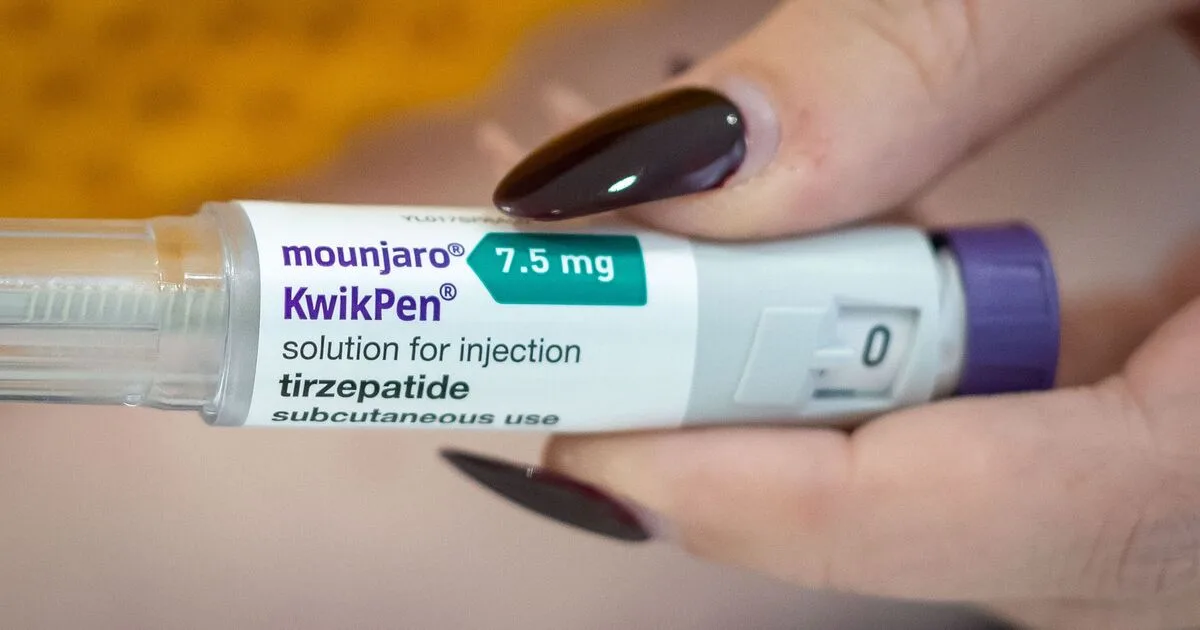
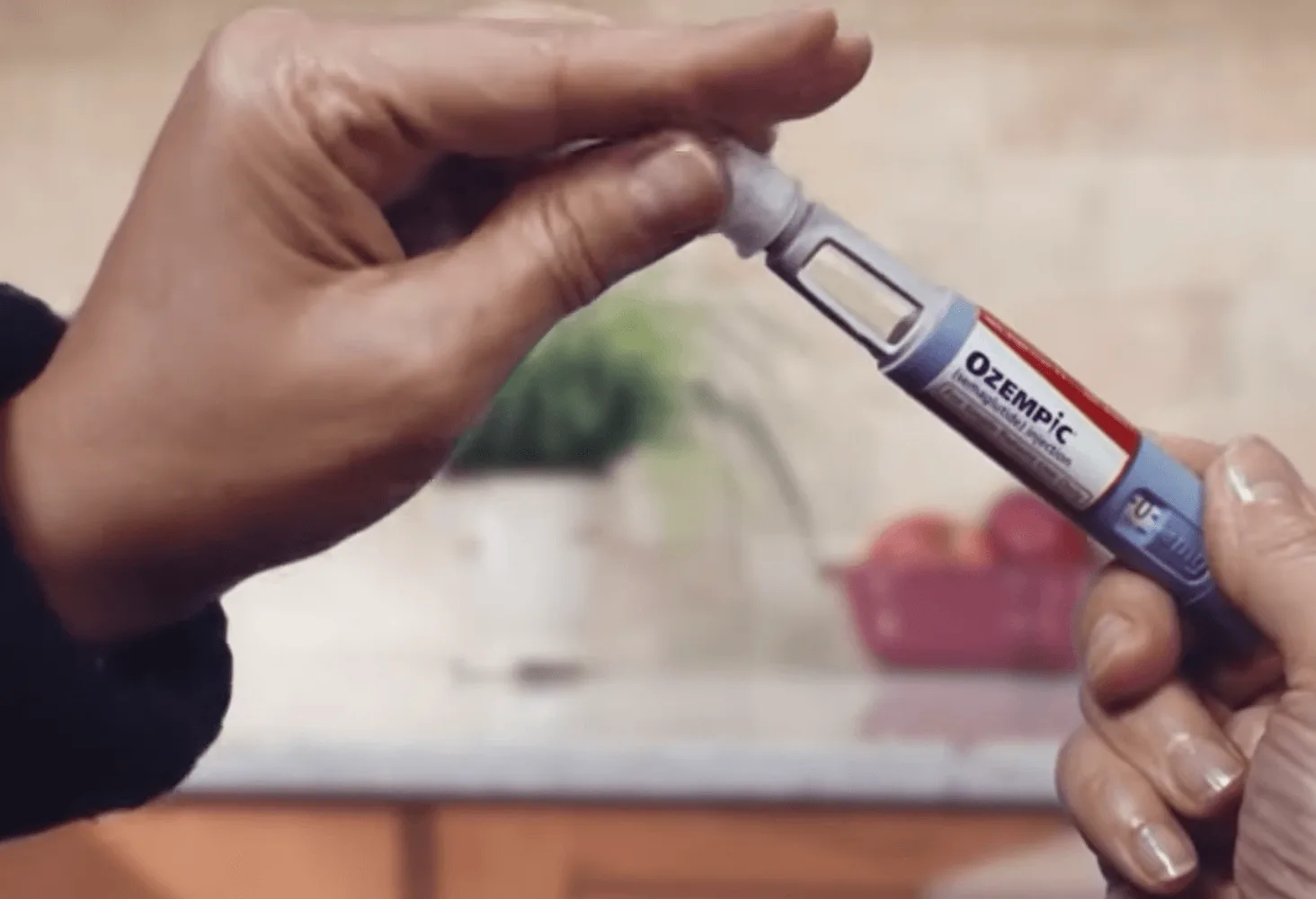
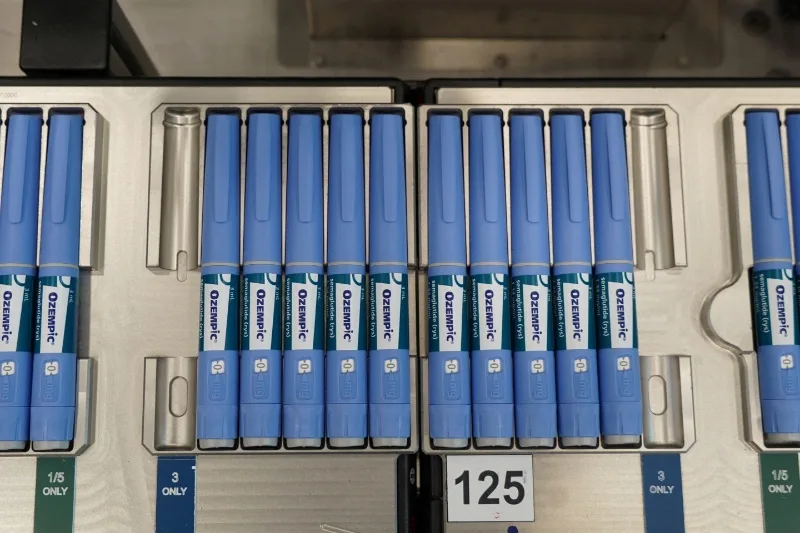
In recent years, the pharmaceutical landscape has witnessed an unprecedented surge in demand for GLP-1 receptor agonists. Drugs like Novo Nordisk's Ozempic and Wegovy, alongside Eli Lilly's Mounjaro and Zepbound, have become household names in the conversations surrounding diabetes management and weight loss. However, this high demand, combined with supply shortages and elevated price points, has created a fertile ground for criminal enterprises to exploit.
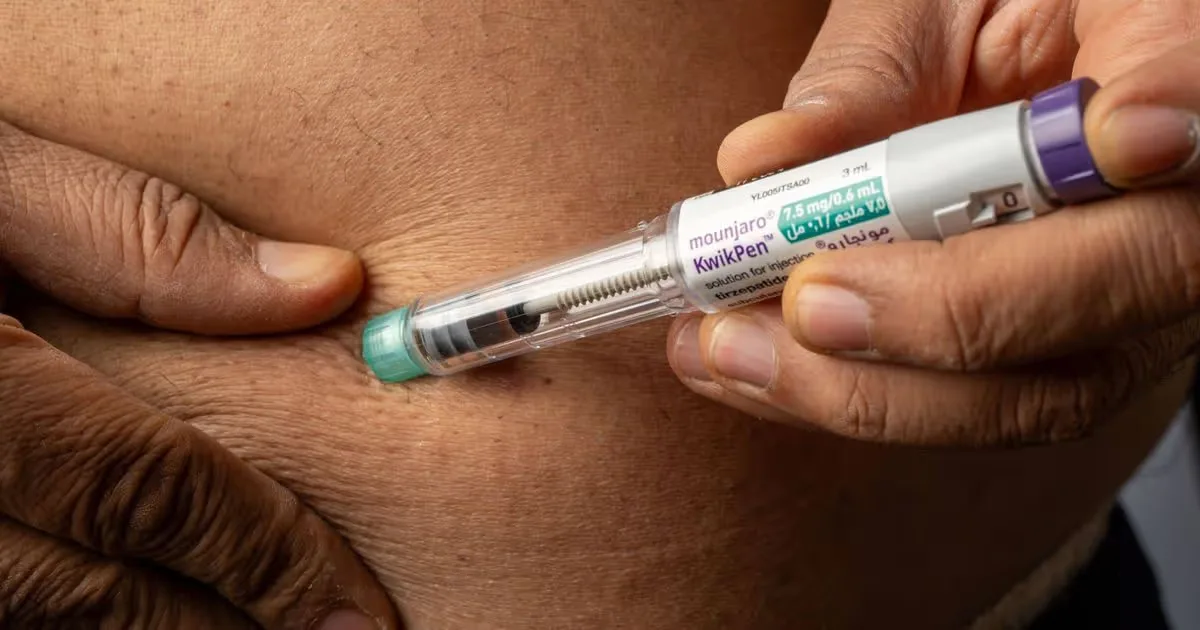
Patients seeking these life-changing medications are increasingly vulnerable to counterfeit products. These fake versions often mimic the branding, packaging, and even the batch numbers of legitimate autoinjector pens, but they may contain entirely different substances, such as insulin, saline, or unknown compounds. The consequences of using such products can range from treatment failure to severe health complications.
Ensuring the authenticity of your medication is no longer just about convenience; it is a matter of critical safety. This comprehensive guide outlines exactly how to verify your Ozempic batch number, understand regulatory alerts, and take action if you suspect you have received a counterfeit product.
Understanding the Counterfeit Crisis
The proliferation of fake GLP-1 medications is a global issue driven by the gap between supply and demand. Criminal groups have sophisticated methods for repackaging autoinjector pens. They take containers that may hold other substances and apply labels that replicate the official Novo Nordisk or Eli Lilly branding. These labels often include batch numbers that look authentic to the untrained eye.
While legitimate manufacturers like Novo Nordisk and Eli Lilly maintain rigorous quality control, the secondary market and unauthorized online pharmacies present significant risks. Patients who purchase medication from sources that are not verified pharmacies or direct provider channels are at the highest risk.
It is important to understand that the presence of a batch number does not guarantee authenticity. Counterfeiters frequently copy valid batch numbers or create new ones that have never been issued by the manufacturer. Therefore, cross-referencing these numbers with official health authority databases is the only reliable method of verification.
Where to Locate Your Batch or Lot Number
Identifying the batch number is the first step in verification. This unique alphanumeric code is essential for tracking the specific production run of your medication. For patients holding Ozempic or similar pen-based drugs, the batch or lot number is typically printed in two distinct locations:
- On the Outer Packaging: Check the cardboard box that the autoinjector came in. The batch number is usually printed on a label on the side or bottom of the box, often near the barcode or expiration date.
- On the Autoinjector Label: If the pen has been removed from the box, look at the label on the device itself. The number is affixed to the body of the pen, often near the dose counter or the needle shield.
When inspecting these numbers, look for signs of tampering. Legitimate manufacturers use high-quality printing that is difficult to replicate. If the text appears smudged, the font is inconsistent, or the label looks like it has been peeled and re-applied, these are red flags. However, even if the packaging looks perfect, the number itself must be validated against official records.
WHO Alerts and Flagged Batch Numbers
Health authorities worldwide actively monitor the market for counterfeit drugs. The World Health Organization (WHO) serves as a central hub for these alerts, issuing warnings to national health regulators when specific batch numbers are identified as fraudulent. A review of recent documents and regulator announcements highlights several specific batch numbers that have been linked to fake Ozempic.
Precision tracking for your journey
Join thousands using Shotlee to accurately track GLP-1 medications and side effects.
📱 Get the Shotlee App
Track your GLP-1 medications, peptides, and health metrics on the go with our mobile app!
Understanding these alerts is crucial for patient safety. Below is a table summarizing known flagged batch numbers and their associated regions based on official reports.
| Batch Number | Region/Location | Status |
|---|---|---|
| LP6F832 | Brazil | Flagged |
| NAR0074 | U.S. | Flagged |
| MP5E511 | Austria | Flagged |
| MP5B060 | 10+ Countries | Flagged |
| MP5A370 | Guatemala | Flagged |
| MP5D600 | Guatemala | Flagged |
Notably, the batch number MP5B060 was flagged in July 2023 and has been found on fake Ozempic pens in at least 10 countries. This demonstrates the cross-border nature of counterfeit drug trafficking. If your medication contains any of these numbers, you should cease use immediately. However, note that the absence of these numbers does not guarantee the drug is genuine, as counterfeiters frequently update their codes.
Risks Associated with Counterfeit GLP-1 Medications
The dangers of using counterfeit Ozempic extend beyond financial loss. The primary concern is the unknown composition of the substance inside the pen. In some reported cases, fake pens have been found to contain insulin rather than semaglutide.
For a patient with type 2 diabetes, substituting semaglutide with an unmarked insulin dose can lead to severe hypoglycemia (low blood sugar), which is a life-threatening emergency. Conversely, a patient using the medication for weight loss who receives a saline solution will see no therapeutic benefit, potentially leading to the progression of their underlying condition.
Other risks include:
- Inaccurate Dosing: Counterfeit pens may not deliver the precise microgram amounts required for therapeutic efficacy.
- Infection: Poor manufacturing standards can introduce bacteria or contaminants into the injection site.
- Allergic Reactions: Unknown fillers or excipients in fake drugs can trigger severe allergic responses.
Action Plan: What to Do If You Suspect a Fake Product
If you suspect your medication is counterfeit, taking immediate and measured action is vital. Do not simply discard the medication; it serves as evidence for investigation.
- Stop Using the Medication: Do not administer another dose from the suspected pen.
- Verify the Batch Number: Check the number against the WHO database and national health authority alerts.
- Contact Your Healthcare Provider: Inform your doctor immediately. They can help assess your health status and prescribe a legitimate replacement if necessary.
- Report the Incident: Report the suspected counterfeit to the manufacturer (Novo Nordisk or Eli Lilly) and your local regulatory body (such as the FDA in the U.S.).
- Track Your Health Data: If you have taken doses from the suspected pen, monitor your symptoms closely. Using a health tracking tool like Shotlee can help you log any unexpected side effects, blood sugar readings, or weight fluctuations. Sharing this data with your doctor provides a clear timeline of events.
Both Novo Nordisk and Eli Lilly have published guides to help patients identify suspected fake versions of their drugs. These resources often include details on packaging quality, pen mechanisms, and specific reporting channels. Utilizing these manufacturer resources adds an additional layer of verification for the patient.
Practical Takeaways for Safe Medication Use
- Source Responsibly: Always purchase from licensed pharmacies or directly through your healthcare provider's network.
- Inspect Packaging: Look for spelling errors, poor print quality, or damaged seals.
- Check Batch Numbers: Regularly cross-reference batch numbers with official health alerts.
- Monitor Symptoms: Be vigilant for unexpected side effects or a lack of therapeutic response.
- Utilize Technology: Use apps like Shotlee to maintain a detailed health record that can assist in medical investigations.
Conclusion
The fight against counterfeit medications requires vigilance from both manufacturers and patients. While the regulatory bodies issue alerts to flag known bad batches, the dynamic nature of criminal operations means that new risks emerge constantly. By understanding where to find your batch number, recognizing the signs of tampering, and knowing how to report suspicious activity, you can significantly reduce your risk.
Your health is paramount. Ensuring that the medication you inject is exactly what the label says it is is the foundation of safe and effective treatment. Stay informed, stay skeptical, and prioritize verified sources for your GLP-1 therapy.