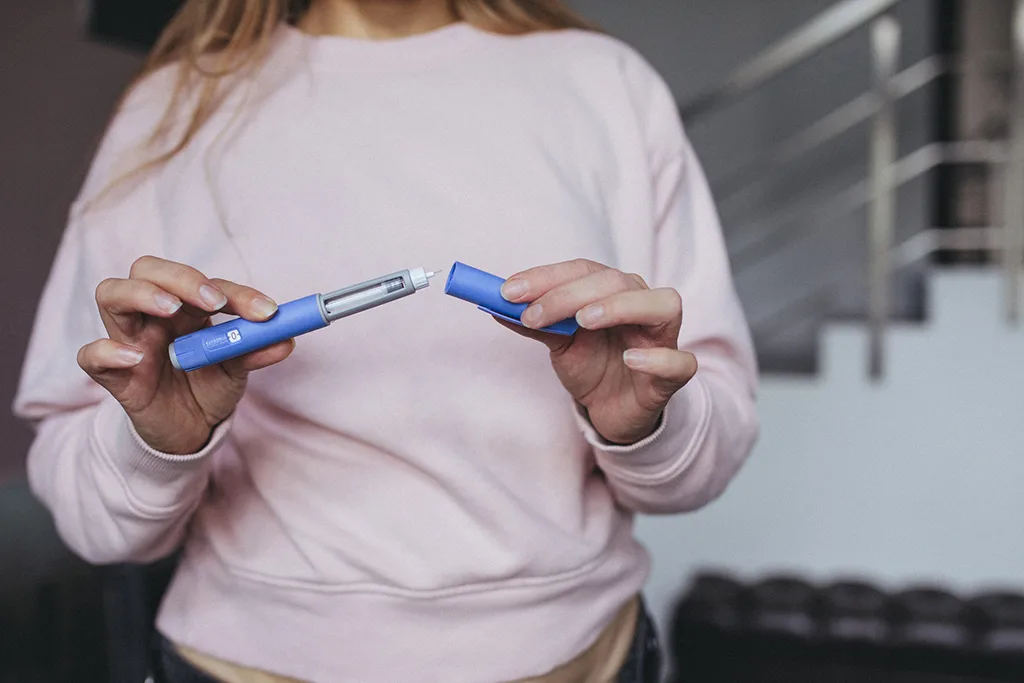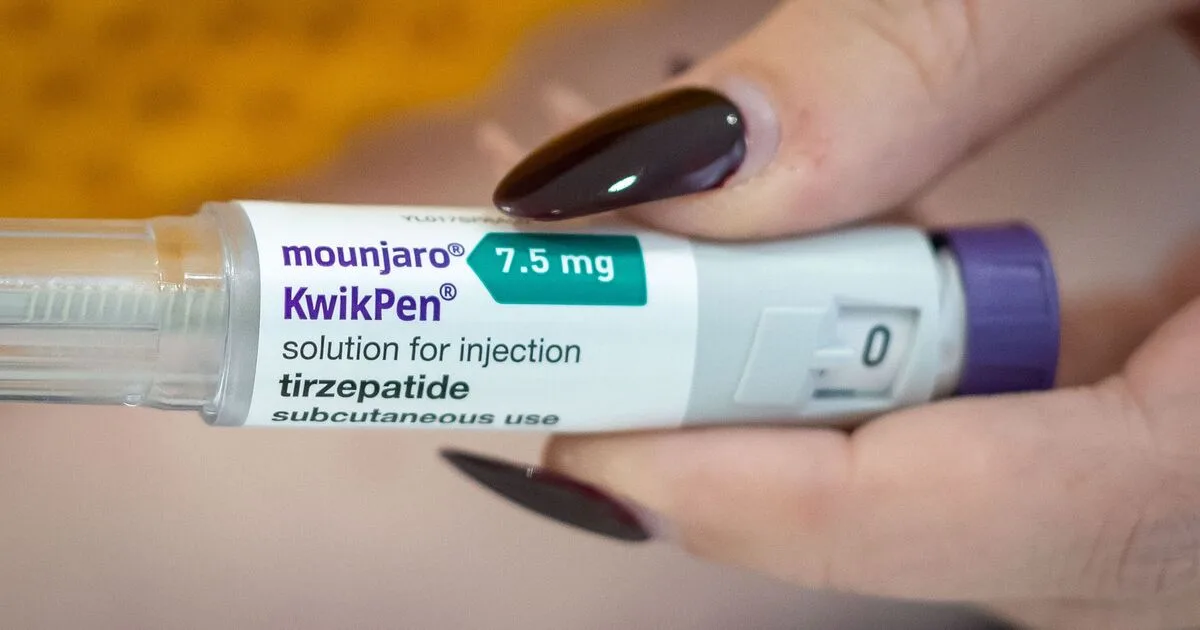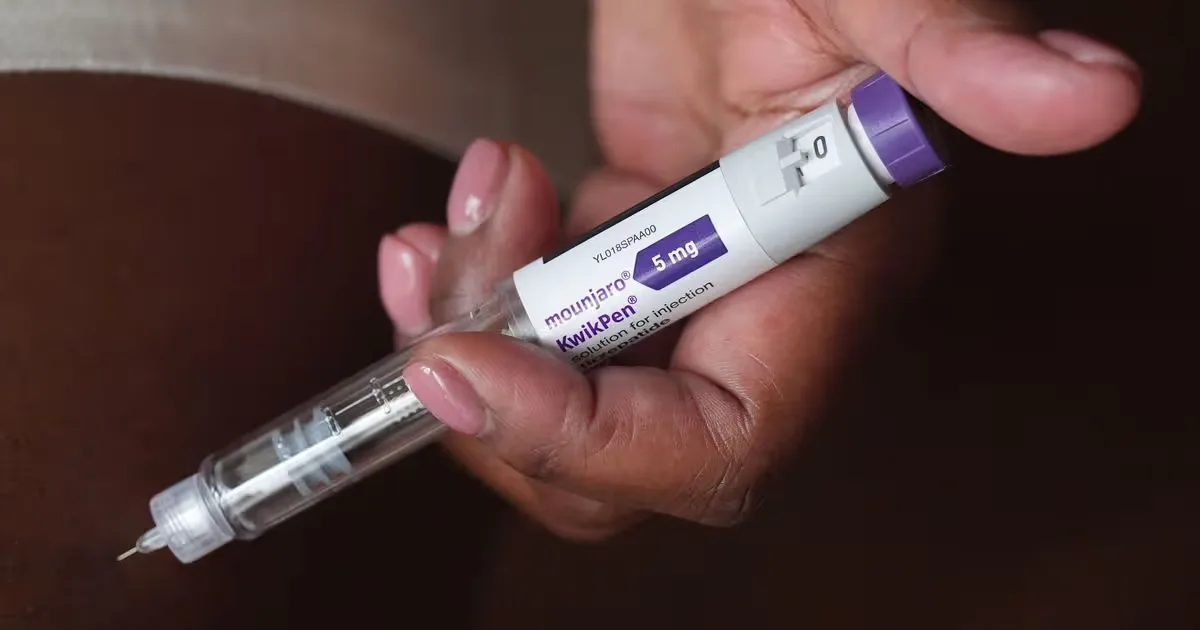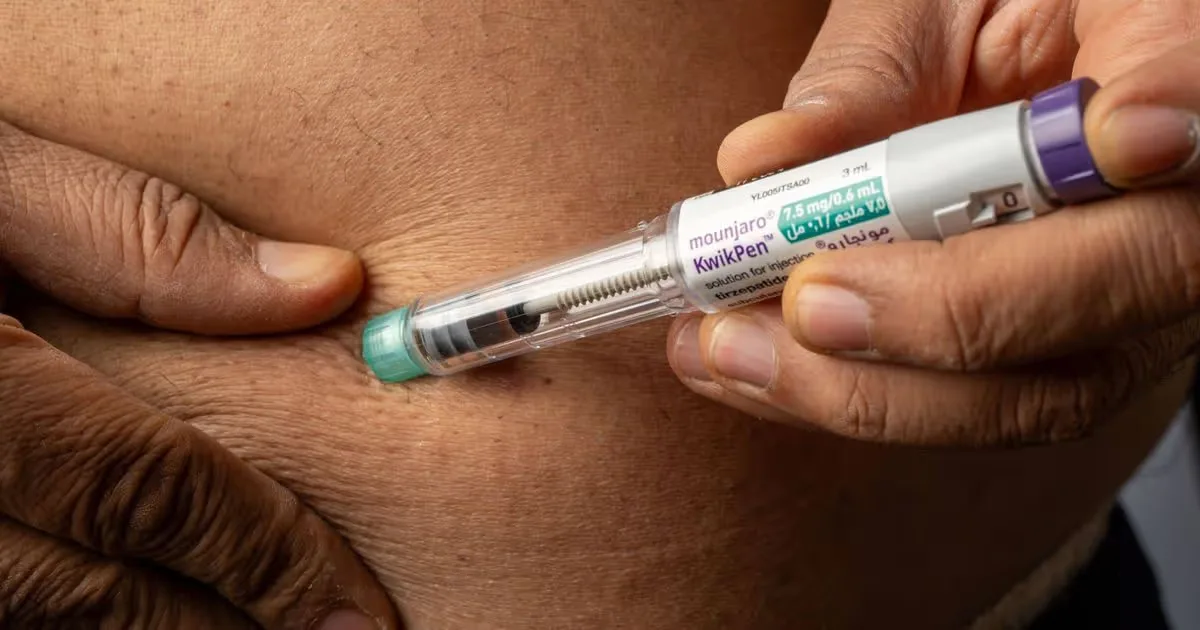
A safety alert has been issued for Mounjaro users after counterfeit versions of this popular weight loss injection were supplied to the public. The Medicines and Healthcare products Regulatory Agency (MHRA) announced the recall on Tuesday, February 24, targeting falsified Mounjaro KwikPens that fail to meet safety standards. This incident underscores the growing risks of counterfeit GLP-1 medications in the weight management space.
What Triggered the Mounjaro Safety Alert?
The problem surfaced when an online pharmacy, the Private Pharmacy Clinic in Birmingham, distributed fake Mounjaro pens. Eli Lilly and Company Limited, the manufacturer of authentic Mounjaro, alerted the MHRA after receiving five reports of faulty pens. In all instances except one, the dose knob detached during use, highlighting clear defects.
The alert applies specifically to the solution for injection in pre-filled pens. Importantly, Mounjaro KwikPen 7.5mg pens with this batch code are not affected. Tests on the counterfeit products confirmed they contain tirzepatide, the active ingredient in Mounjaro—a dual GLP-1 and GIP receptor agonist used for weight management and type 2 diabetes. However, the unknown manufacturing process means sterility cannot be guaranteed, posing serious health risks for injectable drugs.
Affected Mounjaro Products
The MHRA has identified specific batches of Mounjaro KwikPens as counterfeit. Users should immediately check the batch number and strength on their pens. Five of the affected pens were traced to the Private Pharmacy Clinic. While exact batch details are outlined in the official MHRA alert, the key message is clear: verify your supply source and packaging integrity.
How Mounjaro Works and Why Authenticity Matters
Mounjaro (tirzepatide) mimics gut hormones to regulate blood sugar, slow gastric emptying, and reduce appetite, leading to significant weight loss in clinical trials. As a weekly subcutaneous injection, it requires precise dosing via pre-filled KwikPens. Counterfeits disrupt this reliability: even if they contain tirzepatide, non-sterile conditions can introduce contaminants, turning a beneficial therapy into a potential hazard.
Health Risks of Counterfeit Mounjaro Pens
Because these fake pens are injectable and their sterility is unverified, there is a potential risk of infection and allergic reactions. The MHRA has not received reports of patients needing treatment after using these pens, but vigilance is essential.
Signs of Infection to Watch For
- Redness, swelling, or warmth around the injection site
- Pain or discomfort at the injection site
- Fluid leakage from the injection site
- Mild fever, chills, fatigue, or sore throat
Signs of Allergic Reaction
- Rash
- Itching
- Breathing difficulties
Anyone experiencing these symptoms should seek immediate medical attention. For those monitoring side effects from legitimate Mounjaro use, tools like Shotlee can help track injection site reactions or symptoms systematically.
Official Guidance from MHRA Chief Safety Officer
Dr. Alison Cave, Chief Safety Officer at the MHRA, stated: "Check the batch number and strength of your KwikPen. If you have one of the affected pens, stop using it straight away. Please report it to the MHRA by emailing info@mhra.gov.uk. Please include 'Mounjaro Pens' in the subject line. Keep the pen in a safe place."
She added: "If you have administered injections using the pen already, please be reassured that, based on the cases reviewed to date, the risk to you is low. Testing has confirmed that the identified fake pens do contain tirzepatide, the active substance in Mounjaro, but because the manufacturing conditions are unknown, we cannot confirm that the contents are sterile."
"If you are unsure of how to identify the pen, or are unsure on whether you have administered an affected product and have any questions, please speak to a healthcare professional."
Precision tracking for your journey
Join thousands using Shotlee to accurately track GLP-1 medications and side effects.
📱 Get the Shotlee App
Track your GLP-1 medications, peptides, and health metrics on the go with our mobile app!
What Should Patients Do Next?
Immediate Actions:
- Stop using any suspect pen and store it safely for reporting.
- Report to MHRA via email (info@mhra.gov.uk, subject: "Mounjaro Pens") or the Yellow Card scheme at www.yellowcard.mhra.gov.uk (also available on Google Play or Apple App stores).
- Contact your healthcare provider if you've used a potentially fake pen or notice defects.
- Verify future supplies come from licensed pharmacies or prescribers.
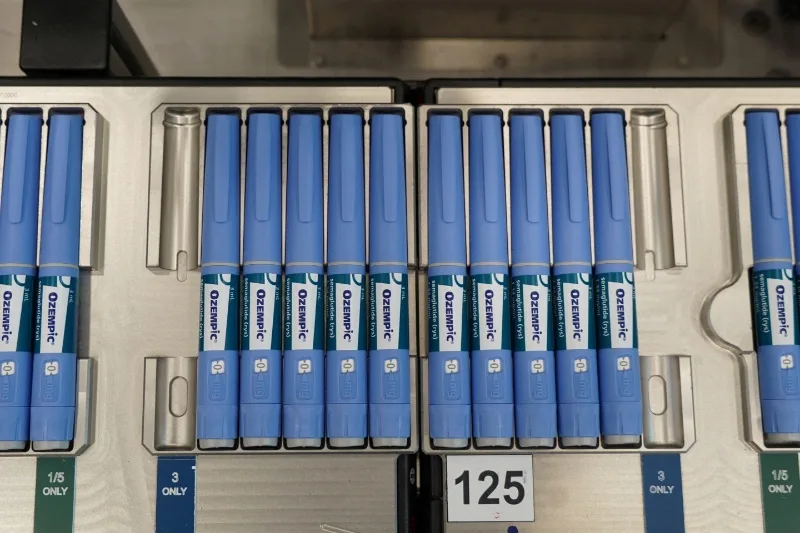
For ongoing Mounjaro therapy, discuss with your doctor about authentic sourcing, especially amid high demand for GLP-1 drugs like Mounjaro, Ozempic, and Wegovy.
How to Spot Counterfeit Weight Loss Injections
Beyond this specific recall, rising demand for tirzepatide has fueled counterfeits. General red flags include:
- Unusually low prices or unsolicited online offers.
- Missing or mismatched batch numbers, expiry dates, or holograms.
- Poor packaging quality or spelling errors.
- Mechanical issues, like the dose knob detaching.
Always obtain Mounjaro via prescription from regulated sources. Compare to official Eli Lilly packaging images on their website.
Safety Profile of Authentic Mounjaro
Legitimate Mounjaro is well-tolerated but can cause nausea, diarrhea, or injection site reactions. Serious risks like pancreatitis or thyroid tumors are rare but monitored. Counterfeits amplify uncertainties, making authenticity non-negotiable.
Broader Context: Counterfeits in GLP-1 and Peptide Therapies
The MHRA alert reflects a surge in fake semaglutide (Ozempic/Wegovy) and tirzepatide products online. Patients pursuing metabolic health via peptide therapy should prioritize regulated channels. This incident doesn't impact authentic Mounjaro's efficacy—studies show up to 20%+ weight loss—but highlights supply chain vulnerabilities.
Key Takeaways for Mounjaro Users
- Check batch numbers against MHRA alerts; 7.5mg KwikPens with specified code are safe.
- Fakes contain tirzepatide but risk infection due to non-sterility.
- No treatment reports yet, but watch for infection/allergy signs and seek care promptly.
- Report suspects via Yellow Card or MHRA email.
- Consult professionals for questions; use apps like Shotlee for symptom logging if on therapy.
What This Means for Patients
This Mounjaro recall emphasizes safe sourcing amid booming demand for weight loss injections. While risks from these fakes appear low so far, proactive steps protect your health. Stay informed via MHRA updates, verify prescriptions, and discuss alternatives like lifestyle integration or other GLP-1s with your doctor if supply issues persist.
For comprehensive metabolic health guidance, explore related topics like GLP-1 side effect management or tirzepatide dosing schedules.