
Introduction to GLP-1 Receptor Agonist Side Effects from Social Media
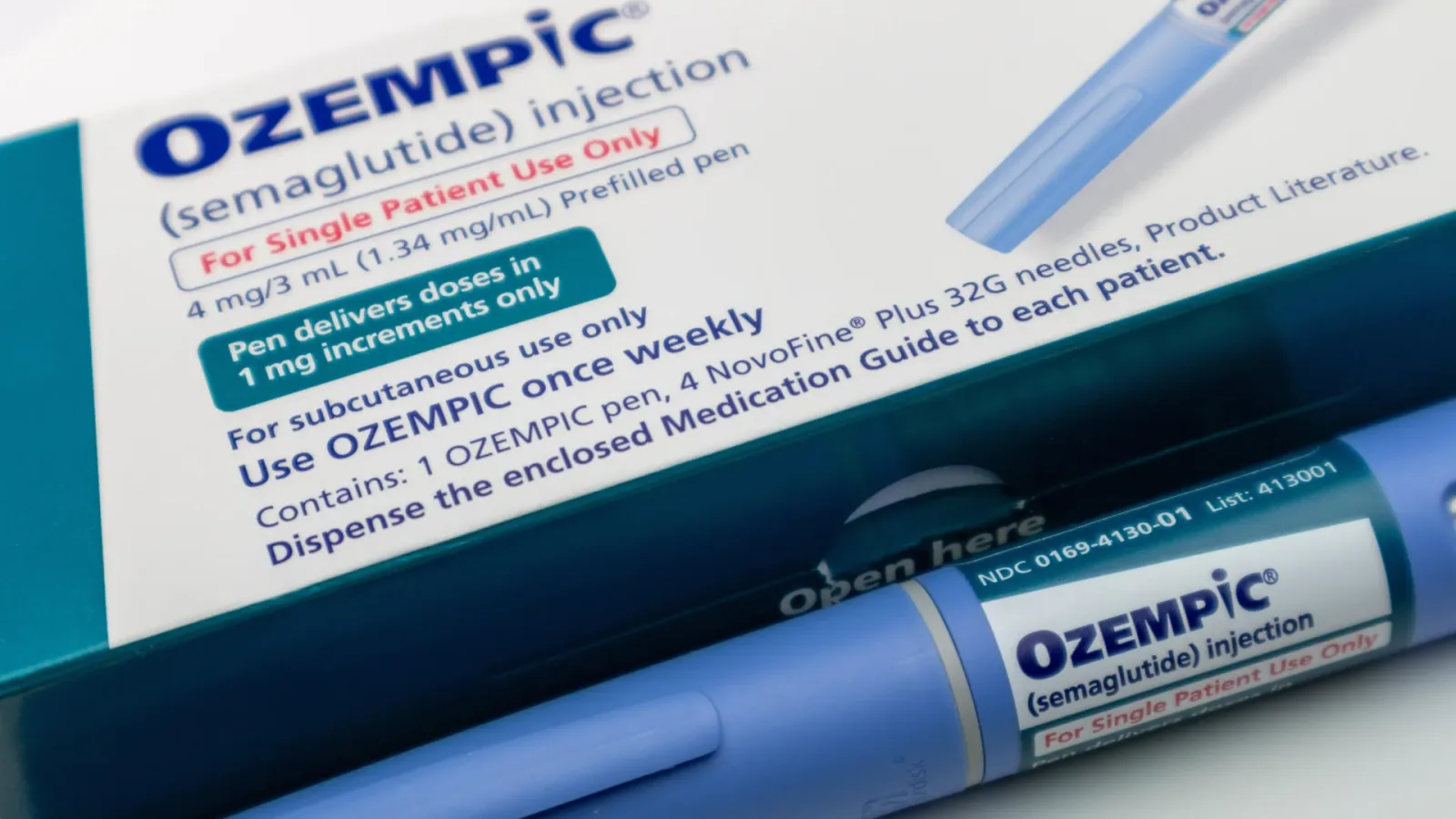
GLP-1 receptor agonist side effects captured on social media platforms like Reddit are providing valuable insights into patient experiences not always evident in clinical trials. A study published online April 10 in Nature Health highlights how real-world reports from users of medications such as semaglutide and tirzepatide reveal both common and unrecognized issues. Led by Neil K.R. Sehgal from the University of Pennsylvania in Philadelphia, the research analyzed 410,198 Reddit posts from May 2019 to June 2025, identifying 67,008 self-reported users.
Of these, 43.5 percent described at least one side effect, underscoring the power of social media in capturing nuanced patient concerns. This approach complements clinical data, offering a broader view of how GLP-1 receptor agonists—widely used for type 2 diabetes and weight management—affect everyday users.
Study Methodology and Scope
The researchers focused on posts mentioning semaglutide (found in brands like Ozempic and Wegovy) or tirzepatide (Mounjaro and Zepbound). By examining this vast dataset, they quantified self-reported experiences that might escape controlled trial environments. Clinical trials typically prioritize safety endpoints like severe adverse events, but social media amplifies milder, persistent complaints that impact quality of life.
Why Social Media Matters for Drug Safety Monitoring
Platforms like Reddit allow anonymous sharing, encouraging candid discussions. As coauthor Lyle Ungar from the University of Pennsylvania noted in a statement: "Clinical trials generally identify the most dangerous side effects of drugs. But they can fail to find what symptoms patients are most concerned about; even though social media is not necessarily representative, a large collection of posts may reflect additional concerns." This study demonstrates how aggregating user posts can flag signals for further investigation.
Most Common GLP-1 Receptor Agonist Side Effects Reported
Gastrointestinal symptoms dominated the reports, aligning with known profiles from trials but emphasizing their prevalence in real-world use:
- Nausea: 36.9 percent
- Fatigue: 16.7 percent
- Vomiting: 16.3 percent
- Constipation: 15.3 percent
- Diarrhea: 12.6 percent
These effects often lead to discontinuation or dose adjustments, highlighting the need for proactive management strategies.
Unrecognized Potential Side Effects
Beyond GI issues, the study identified lesser-discussed complaints not prominently featured in clinical trials, including:
- Reproductive symptoms, such as menstrual irregularities
- Temperature-related issues, like chills and hot flushes
These findings suggest areas for expanded post-marketing surveillance, as they could affect subgroups like women of reproductive age.
Background on GLP-1 Receptor Agonists
GLP-1 receptor agonists mimic the glucagon-like peptide-1 hormone, enhancing insulin secretion, slowing gastric emptying, and promoting satiety. Semaglutide and tirzepatide have transformed metabolic health, with semaglutide approved for diabetes and obesity, and tirzepatide offering dual GLP-1/GIP action for superior weight loss in trials. However, their mechanisms—particularly delayed digestion—directly contribute to GI side effects.
Precision tracking for your journey
Join thousands using Shotlee to accurately track GLP-1 medications and side effects.
📱 Get the Shotlee App
Track your GLP-1 medications, peptides, and health metrics on the go with our mobile app!
While effective, these drugs require monitoring, especially during titration phases when side effects peak. Patients starting therapy should expect initial discomfort that often subsides, but persistent issues warrant medical review.
Implications for Patients and Providers
This study emphasizes the value of patient voices in pharmacovigilance. For those on semaglutide or tirzepatide, tracking symptoms is crucial. Tools like symptom journals or apps such as Shotlee can help log side effects, medication schedules, and patterns, aiding discussions with healthcare providers.
Practical Guidance for Managing Side Effects
- For GI symptoms: Eat smaller, frequent meals; stay hydrated; consider anti-nausea meds if approved by your doctor.
- For fatigue: Prioritize rest, maintain balanced nutrition, and rule out other causes like dehydration.
- For emerging issues: Report menstrual changes or temperature dysregulation promptly, as they may signal individual sensitivities.
Always consult a physician before starting or adjusting GLP-1 therapy. One author disclosed ties to the pharmaceutical industry, a standard disclosure ensuring transparency.
Comparing Social Media Insights to Clinical Trial Data
Clinical trials for semaglutide (e.g., SUSTAIN and STEP programs) and tirzepatide (SURPASS and SURMOUNT) report similar GI rates but underrepresent subtler effects due to structured protocols and shorter durations. Social media extends observation to long-term use, capturing 43.5% affected users versus trial dropout rates around 5-10% for side effects.
This gap illustrates why real-world evidence is vital, potentially guiding label updates or patient education materials.
Safety Considerations and When to Seek Help
While most side effects are manageable, severe cases like pancreatitis or gallbladder issues (known risks) require immediate attention. The study reinforces that social media can democratize safety data, but it's not a substitute for professional advice. Disclaimer: Statistical data provide general trends; individual factors vary greatly. Seek personalized medical advice.
Key Takeaways for GLP-1 Users
- 43.5% of Reddit self-reporters experienced side effects, led by nausea (36.9%).
- Social media uncovers reproductive and temperature issues missed in trials.
- Monitor symptoms actively and discuss with providers.
- Combine trial data with patient reports for fuller safety picture.
In conclusion, this University of Pennsylvania analysis of 410,198 posts offers actionable insights into GLP-1 receptor agonist side effects. Patients empowered with this knowledge can better navigate therapy, while researchers gain signals for future studies. For metabolic health journeys, blending clinical evidence with community experiences optimizes outcomes.