
Navigating the Next Phase: Maintaining Weight Loss After GLP-1 Medications
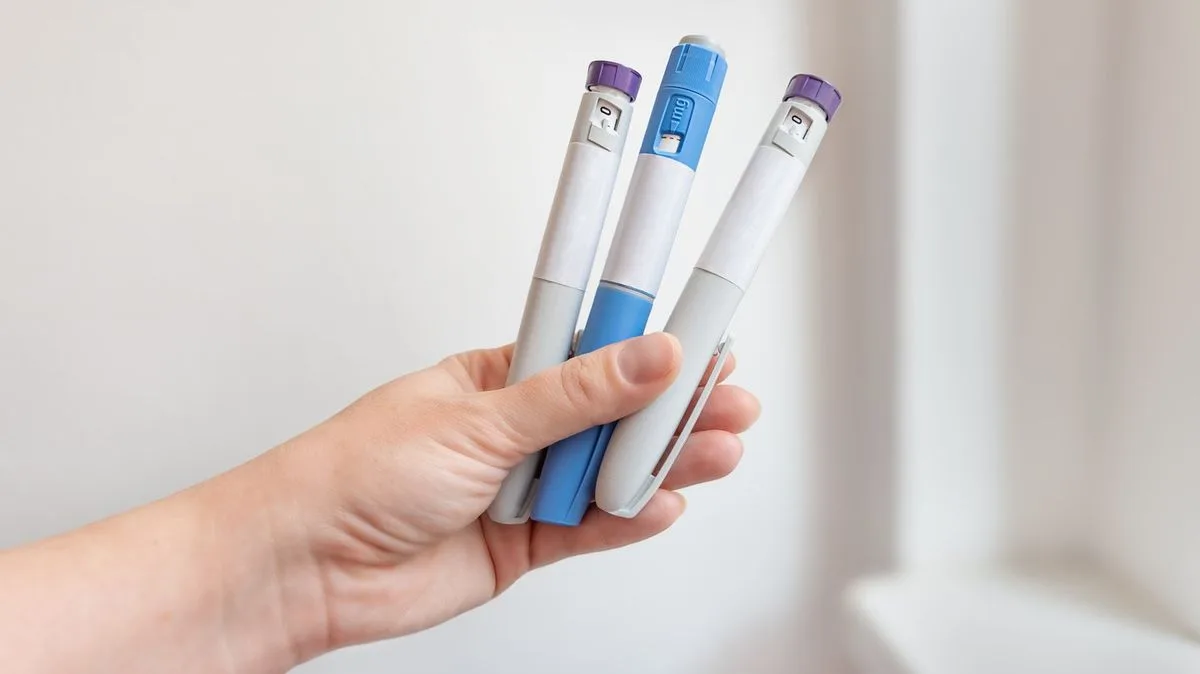
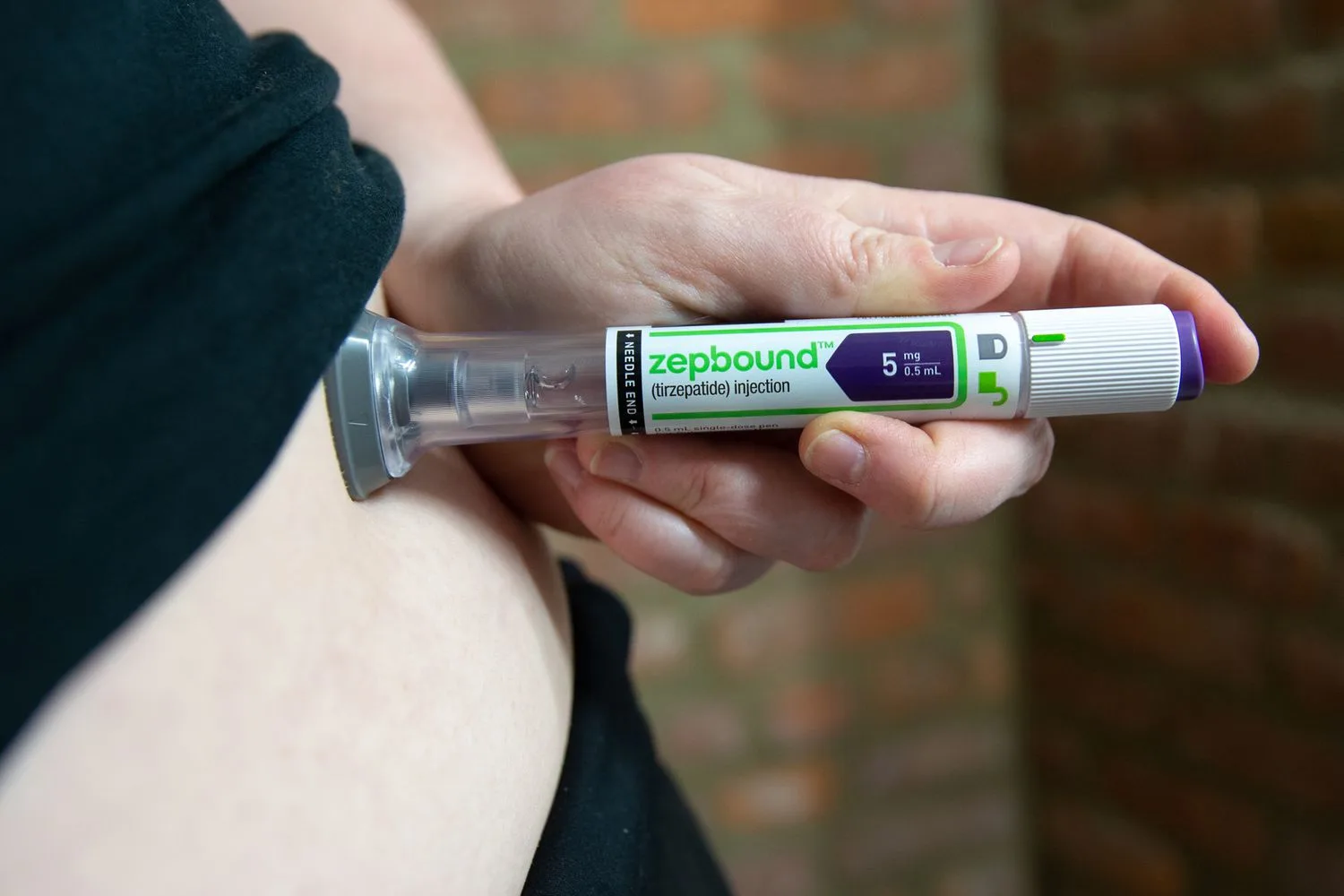
For many individuals, medications such as Ozempic (semaglutide) and Mounjaro (tirzepatide) have been instrumental in achieving significant weight loss. These groundbreaking drugs, belonging to the class of GLP-1 receptor agonists, work by mimicking the action of a natural hormone to regulate appetite, slow digestion, and enhance feelings of fullness. While their efficacy in initiating weight loss is well-established, a common concern arises for those who eventually stop treatment: how to sustain those hard-earned results.
The transition away from these medications can present challenges. As the pharmacological effects diminish, individuals may experience a return of appetite, a decrease in satiety, and a renewed focus on food. This shift doesn't automatically guarantee weight regain, but it underscores the critical importance of having a robust, post-medication plan in place. This article delves into practical strategies and essential considerations for maintaining weight loss after discontinuing Ozempic, Mounjaro, and similar GLP-1 therapies, ensuring your health journey continues on a stable and successful trajectory.
Understanding the Shift: Why Weight Maintenance Can Feel Different
Ozempic and Mounjaro, with their active ingredients semaglutide and tirzepatide respectively, are designed to interact with the body's natural appetite regulation system. They act as GLP-1 receptor agonists, essentially amplifying the signals of glucagon-like peptide-1 (GLP-1), a hormone crucial for managing hunger and promoting a sense of satisfaction after eating.
The Impact of Discontinuing Treatment
When a person stops taking these medications, the artificial stimulation of GLP-1 receptors ceases. This can lead to several physiological changes:
- Increased Appetite: The natural hormonal signals that suppress hunger may become more prominent, leading to a greater desire to eat.
- Reduced Satiety: The feeling of fullness after meals might be less pronounced or last for a shorter duration.
- Heightened Food Focus: Thoughts about food and eating may become more frequent.
If these changes lead to an increase in overall calorie intake without compensatory adjustments in energy expenditure, weight regain can occur for some individuals. Recognizing these potential shifts is the first step in proactively managing your weight long-term.
Crafting Your Post-Medication Strategy: Sustainable Lifestyle Habits
The good news is that maintaining weight loss after stopping medications like Ozempic or Mounjaro doesn't require drastic, unsustainable overhauls. Instead, the focus should be on solidifying and refining the healthy behaviors that likely contributed to your success during treatment. The goal is to build a lifestyle that supports your new weight and overall well-being.
1. Embrace a Balanced and Nourishing Diet
As your appetite naturally returns to pre-medication levels, adopting a mindful eating approach is key. A balanced diet is crucial for managing hunger, promoting satiety, and providing essential nutrients without leading to excessive calorie consumption.
Key Dietary Components:
- Protein: Essential for building and maintaining muscle mass, and it significantly contributes to satiety. Include lean meats, poultry, fish, eggs, dairy, legumes, and plant-based protein sources.
- Complex Carbohydrates: Provide sustained energy and fiber. Opt for whole grains, fruits, vegetables, and legumes over refined carbohydrates.
- Fiber-Rich Foods: Crucial for digestive health and promoting fullness. Abundant in fruits, vegetables, whole grains, nuts, and seeds.
- Healthy Fats: Important for hormone production and satiety. Found in avocados, nuts, seeds, and olive oil.
It's important to avoid overly restrictive diets, which are often difficult to maintain long-term and can lead to nutrient deficiencies or cycles of deprivation and overeating. Instead, focus on incorporating nutrient-dense foods and allowing for occasional treats in moderation as part of a sustainable eating pattern. Planning simple, healthy meals for busy days can also reduce the temptation to rely on convenience foods or takeaways.
Precision tracking for your journey
Join thousands using Shotlee to accurately track GLP-1 medications and side effects.
📱 Get the Shotlee App
Track your GLP-1 medications, peptides, and health metrics on the go with our mobile app!
2. Prioritize Regular Physical Activity
Regular exercise is a cornerstone of both weight maintenance and overall health. While extreme workout regimens aren't necessary, consistent physical activity plays a vital role in energy expenditure and metabolic health.
Types of Activity and Recommendations:
- Strength Training: Crucial for preserving muscle mass. Muscle tissue is metabolically active, meaning it burns more calories at rest than fat tissue.
- Aerobic Exercise: Contributes to calorie expenditure and cardiovascular health. This can include brisk walking, running, cycling, swimming, or dancing.
The U.S. Department of Health and Human Services recommends that adults engage in at least 150 minutes of moderate-intensity aerobic activity or 75 minutes of vigorous-intensity aerobic activity per week, along with muscle-strengthening activities at least two days a week. Finding activities you enjoy, whether it's joining a gym, exploring hiking trails, gardening, or simply taking daily walks, will make it easier to stick with a routine. Consulting a healthcare professional before starting a new exercise program is always a prudent step, especially if you have underlying health conditions.
Tracking Your Progress: A Tool, Not a Tyrant
Monitoring your progress can be a powerful tool for staying accountable and making informed adjustments to your lifestyle. However, it's essential to approach tracking with a balanced perspective, recognizing that occasional deviations are normal and don't negate long-term progress.
The Role of Health Tracking
Tools like journals, apps, or wearable devices can help you keep tabs on your food intake, physical activity levels, and body weight. This data can provide valuable insights into what's working and identify areas where you might need to make minor adjustments. For instance, using a tool like Shotlee can help you log your meals, track your exercise, and monitor your weight trends, providing a comprehensive overview of your health data.
Maintaining a Realistic Mindset
It's crucial to remember that life happens. Missing a few workouts due to a busy schedule or enjoying a meal out with friends is a normal part of life and unlikely to derail your long-term success if your overall habits remain consistent. Similarly, minor fluctuations in body weight are common and should not be a cause for excessive stress. Focusing on sustainable habits and a positive mindset is more beneficial than striving for unattainable perfection. High levels of stress can negatively impact eating habits and overall well-being, so cultivating a realistic and forgiving approach is key.
A Comparative Look at Weight Management Strategies
While GLP-1 receptor agonists like semaglutide and tirzepatide offer significant benefits for weight loss initiation, their role is often as a catalyst for broader lifestyle changes. The long-term success of weight management hinges on the integration of these changes into daily life.
| Strategy | Role in Weight Management | Key Considerations |
|---|---|---|
| GLP-1 Receptor Agonists (e.g., Ozempic, Mounjaro) | Initiate weight loss by regulating appetite, increasing satiety, and slowing gastric emptying. | Medication-dependent, potential for weight regain upon discontinuation if lifestyle changes are not adopted. Requires medical supervision. |
| Balanced Diet | Supports satiety, provides essential nutrients, and manages calorie intake. | Focus on whole foods, protein, fiber, and healthy fats. Avoid overly restrictive approaches. |
| Regular Physical Activity | Increases calorie expenditure, builds muscle mass, improves metabolic health, and enhances overall well-being. | Combine aerobic and strength training. Consistency is key. Find enjoyable activities. |
| Behavioral Strategies (e.g., Mindful Eating, Stress Management) | Addresses psychological aspects of eating, promotes sustainable habits, and prevents emotional eating. | Develop self-awareness, practice stress-reduction techniques, and foster a positive relationship with food. |
| Progress Tracking | Provides accountability, identifies trends, and allows for informed adjustments. | Use as a tool, not a source of stress. Focus on long-term patterns over short-term fluctuations. |
Practical Takeaways for Long-Term Success
Maintaining weight loss is an ongoing process that requires consistent effort and a personalized approach. Here are some actionable steps to integrate into your routine:
- Develop a personalized meal plan that incorporates protein, fiber, and healthy fats to manage hunger.
- Schedule regular physical activity, aiming for a mix of cardio and strength training that you genuinely enjoy.
- Practice mindful eating by paying attention to hunger and fullness cues.
- Prioritize sleep, as poor sleep can disrupt hormones that regulate appetite.
- Manage stress through techniques like meditation, yoga, or spending time in nature.
- Stay hydrated by drinking plenty of water throughout the day.
- Seek support from healthcare professionals, registered dietitians, or support groups.
- Utilize tools like Shotlee to log meals, track activity, and monitor weight trends for data-driven insights.
Conclusion: A Sustainable Path Forward
Achieving and maintaining weight loss is a multifaceted journey. While medications like Ozempic and Mounjaro can be powerful allies in the initial stages, sustainable success is built upon a foundation of healthy lifestyle habits. By focusing on a balanced diet, regular physical activity, mindful eating, and effective stress management, individuals can confidently navigate the transition away from these medications and build a healthier future. Remember, consistency, patience, and a self-compassionate approach are your greatest assets. Always consult with your healthcare provider for personalized guidance tailored to your specific needs and health status.