
Shotlee LogoShotlee
Blog
Download on theApp Store
Get it onGoogle Play
Skip to main content
Semaglutide's Essential Status in China: A Leap for Diabetes Care - Featured image
Health & Wellness

Semaglutide's Essential Status in China: A Leap for Diabetes Care

Dr. Adrian Vale, MD
Reviewed by Dr. Adrian Vale, MDInternal Medicine · Board-Certified Obesity Medicine
·July 9, 2026·6 min read

On this page

  • Semaglutide Joins the Ranks of Essential Medicines
  • The Broader Implications of GLP-1 Agonists
  • Market Dynamics and Future Outlook
  • Key Takeaways for Patients and Providers
  • Understanding the GLP-1 Landscape
  • Comparison of Key GLP-1 Drugs
  • Conclusion
  • A Precedent for Broader Access and Future Generics
  • Navigating Treatment and Tracking Progress

Track Smart

Calculate active GLP-1 levels automatically with Shotlee.

Download →

China's decision to include semaglutide on its National Essential Drug List marks a significant step in improving diabetes management across the nation, promising greater accessibility for millions.

Share

On this page

  • Semaglutide Joins the Ranks of Essential Medicines
  • The Broader Implications of GLP-1 Agonists
  • Market Dynamics and Future Outlook
  • Key Takeaways for Patients and Providers
  • Understanding the GLP-1 Landscape
  • Comparison of Key GLP-1 Drugs
  • Conclusion
  • A Precedent for Broader Access and Future Generics
  • Navigating Treatment and Tracking Progress

In a landmark move for public health, China has officially added a second GLP-1 receptor agonist, semaglutide, to its National Essential Drug List (NEDL). This inclusion mandates that public hospitals prioritize stocking this vital medication, significantly enhancing its accessibility for the vast population managing diabetes. The decision, announced by the government, underscores China's commitment to bolstering its healthcare infrastructure and ensuring critical treatments reach even remote areas.

Semaglutide Joins the Ranks of Essential Medicines

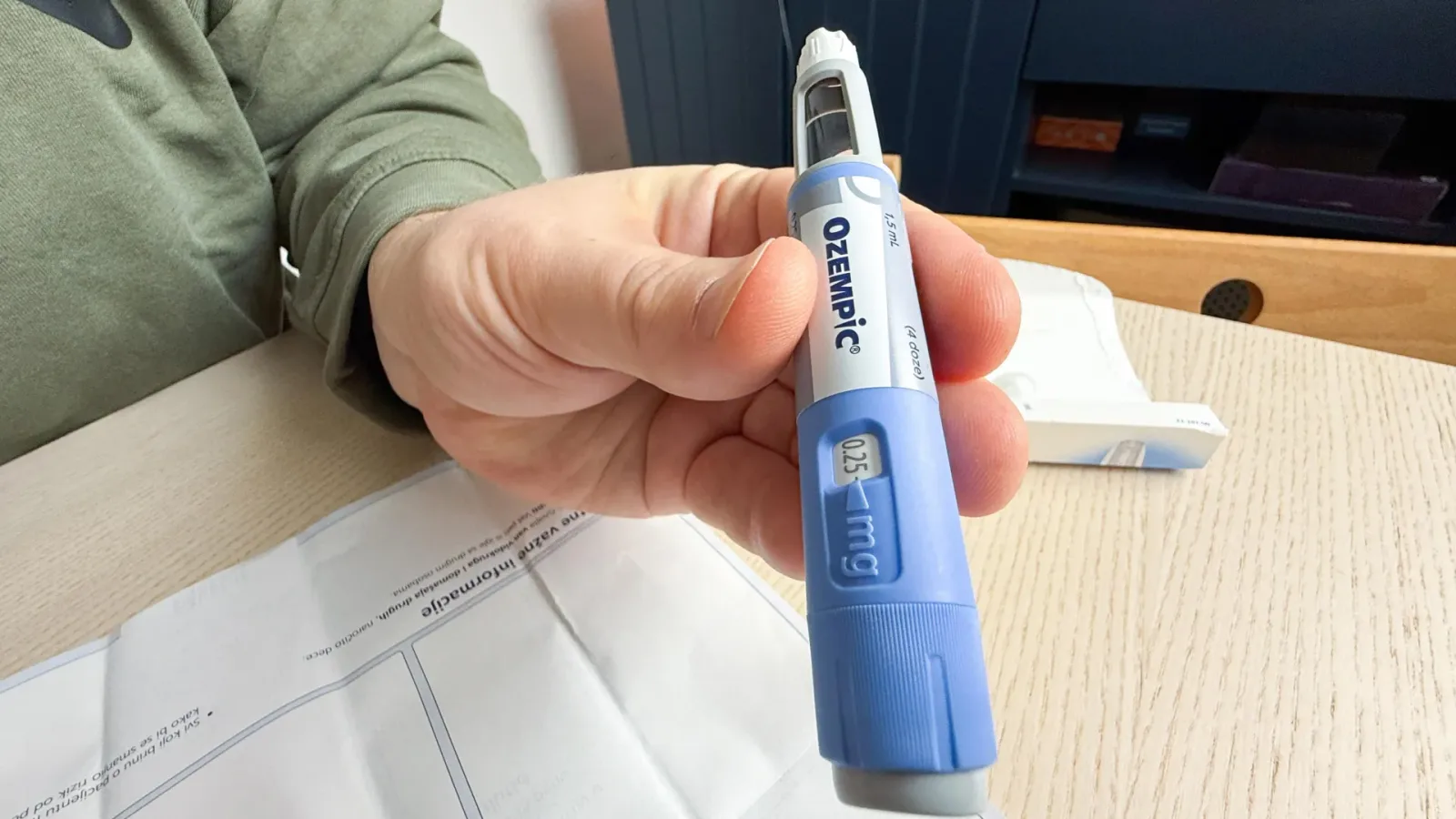
The inclusion of semaglutide on the NEDL is a pivotal development. Semaglutide, widely recognized by its brand name Ozempic for diabetes and Wegovy for weight management, is a potent GLP-1 receptor agonist that mimics the action of the natural incretin hormone. By stimulating insulin secretion, suppressing glucagon release, and slowing gastric emptying, it plays a crucial role in blood glucose control.

China, home to the largest adult population with diabetes globally according to the International Diabetes Federation, faces a significant public health challenge. Historically, access to advanced treatments like GLP-1 agonists has been limited, particularly in rural regions. The NEDL designation aims to dismantle these barriers, ensuring that semaglutide becomes a staple in hospital formularies nationwide.

Justin Wang, a partner at L.E.K. Consulting, highlighted the profound impact of this listing: "The essential listing would mean the drug, semaglutide, should be available even in remote rural hospitals." This broadens the reach of effective diabetes management beyond major urban centers, offering a lifeline to millions.

A Precedent for Broader Access and Future Generics

While Ozempic is currently the primary approved brand of semaglutide in China, the inclusion of the active ingredient itself on the essential drug list signals a strategic shift. "We can expect semaglutide and other newly added NEDL drugs to become much more accessible across the country," Wang added. This move not only ensures current availability but also sets the stage for the widespread adoption of generic versions once regulatory approvals are secured.

The patent for semaglutide's active ingredient expired in China in March, although regulatory data protection remains in place until early next year. The NEDL listing, effective September 1, effectively fast-tracks the pathway for generic manufacturers to enter the market post-protection, potentially driving down costs and further increasing accessibility.

This is not the first GLP-1 to be recognized in China; liraglutide, an older medication in the same class, was listed previously. However, semaglutide represents a newer generation of these drugs, offering enhanced efficacy for many patients. Its categorization under the "insulin and blood glucose-lowering medication" section of the list solidifies its role in diabetes treatment protocols.

The Broader Implications of GLP-1 Agonists

GLP-1 receptor agonists have revolutionized the management of type 2 diabetes and, more recently, have emerged as powerful tools for weight management. While the government statement specifically mentioned diabetes, the dual-action nature of these drugs means their impact could extend further.

Precision tracking for your journey

Join thousands using Shotlee to accurately track GLP-1 medications and side effects.

📱 Get the Shotlee App

Track your GLP-1 medications, peptides, and health metrics on the go with our mobile app!

Download on theApp Store
Get it onGoogle Play

The potential for semaglutide to address obesity, a significant comorbidity for diabetes and a health concern in its own right, was not explicitly detailed in the announcement. However, the increased availability of semaglutide through the NEDL could indirectly benefit individuals seeking weight loss solutions, especially in conjunction with appropriate medical guidance and lifestyle modifications.

Navigating Treatment and Tracking Progress

For individuals prescribed semaglutide, whether for diabetes or weight management, consistent adherence and monitoring are key. Tools that help track medication schedules, doses, and any associated symptoms can be invaluable. For instance, utilizing a health tracking app like shotlee.ai/">Shotlee can empower patients to log their injections, monitor their blood glucose levels, record dietary intake, and note any side effects, providing a comprehensive overview for themselves and their healthcare providers. This data-driven approach can optimize treatment effectiveness and ensure timely adjustments by clinicians.

Market Dynamics and Future Outlook

The Chinese market is the second-largest pharmaceutical market globally, and Novo Nordisk, the manufacturer of Ozempic and Wegovy, has a significant presence there. In 2025, sales of Ozempic injector pens in mainland China, Taiwan, and Hong Kong—Novo Nordisk's largest market after the U.S.—reached approximately 5.4 billion Danish crowns ($853 million). The NEDL listing is expected to influence these figures, though the company has not yet commented on anticipated revenue increases.

The strategic inclusion of semaglutide on the essential medicine list is more than just a regulatory update; it's a public health imperative. It reflects a proactive approach to managing a growing chronic disease burden and a commitment to equitable healthcare access.

Key Takeaways for Patients and Providers

  • Increased Accessibility: Semaglutide will become more readily available in public hospitals across China, including in remote areas.
  • Focus on Diabetes: The primary driver for this listing is the management of type 2 diabetes.
  • Pathway for Generics: The inclusion paves the way for the eventual availability of more affordable generic semaglutide products.
  • Importance of Monitoring: Patients should work closely with their healthcare providers and consider using tools to track their treatment progress and any side effects.
  • Evolving Treatment Landscape: This move highlights the growing importance of GLP-1 receptor agonists in modern medicine.

Understanding the GLP-1 Landscape

GLP-1 receptor agonists represent a significant advancement in treating type 2 diabetes and obesity. They work by mimicking the effects of the natural incretin hormone GLP-1, which is released after eating. This hormone helps regulate blood sugar in several ways:

  • Stimulates Insulin Release: When blood sugar levels are high, GLP-1 agonists signal the pancreas to produce more insulin.
  • Reduces Glucagon Secretion: They also signal the pancreas to reduce the release of glucagon, a hormone that raises blood sugar.
  • Slows Gastric Emptying: This effect helps you feel fuller for longer, contributing to reduced food intake and potential weight loss.
  • Promotes Satiety: They act on the brain to reduce appetite and increase feelings of fullness.

The development and increasing accessibility of these medications, such as semaglutide and tirzepatide (another related class of drug), offer new hope for millions struggling with metabolic health conditions.

Comparison of Key GLP-1 Drugs

Drug Name (Example Brand) Primary Indication(s) Mechanism of Action Administration Key Benefits
Semaglutide (Ozempic, Wegovy) Type 2 Diabetes, Chronic Weight Management GLP-1 Receptor Agonist Subcutaneous Injection (once weekly) Effective blood sugar control, significant weight loss potential, cardiovascular benefits shown for some formulations.
Liraglutide (Victoza, Saxenda) Type 2 Diabetes, Chronic Weight Management GLP-1 Receptor Agonist Subcutaneous Injection (once daily) Blood sugar control, modest weight loss, established safety profile.
Tirzepatide (Mounjaro, Zepbound) Type 2 Diabetes, Chronic Weight Management Dual GIP and GLP-1 Receptor Agonist Subcutaneous Injection (once weekly) Potent blood sugar reduction, substantial weight loss, acts on two incretin pathways.

Note: This table provides a general overview. Specific indications, dosages, and benefits can vary based on the exact formulation and regulatory approvals. Always consult with a healthcare professional for personalized medical advice.

Conclusion

China's decision to place semaglutide on its National Essential Drug List is a monumental step forward in the fight against diabetes. By ensuring wider availability, the country is empowering healthcare providers and patients with access to a highly effective treatment option. This move not only addresses the immediate needs of millions managing diabetes but also sets a precedent for greater accessibility to advanced therapeutics, potentially influencing the future of chronic disease management in the region and beyond.


?Frequently Asked Questions

What does it mean for a drug to be on China's National Essential Drug List?

When a drug is added to China's National Essential Drug List (NEDL), it means public hospitals are required to prioritize stocking and making it available to patients. This aims to ensure that essential medications are accessible across the country, including in more remote or underserved areas, and often implies a focus on cost-effectiveness and broad clinical utility.

How will the inclusion of semaglutide benefit patients in China?

The inclusion of semaglutide on the NEDL will significantly improve its accessibility for millions of people in China managing type 2 diabetes. This means patients, even in rural hospitals, are more likely to find and receive this important medication, leading to better blood glucose control and potentially reducing the burden of diabetes-related complications.

Does this listing mean Ozempic will be cheaper in China?

While the listing itself doesn't directly dictate price, it paves the way for increased competition and broader availability. The expiration of the semaglutide patent in China, coupled with its essential status, is expected to accelerate the approval and introduction of generic versions, which typically leads to lower prices and greater affordability for patients.

Is semaglutide only for diabetes, or can it be used for weight loss in China now?

The government statement specifically highlighted semaglutide's role in treating diabetes. While semaglutide is also approved for chronic weight management under different brand names (like Wegovy) in other regions, its specific indications for weight loss in China would depend on separate regulatory approvals. However, increased availability for diabetes may indirectly benefit those seeking weight management solutions under medical supervision.

What is the difference between semaglutide and liraglutide?

Both semaglutide and liraglutide are GLP-1 receptor agonists used to treat type 2 diabetes and assist with weight management. Semaglutide is a newer generation drug, often administered once weekly, and has demonstrated significant efficacy in both blood sugar control and weight loss, along with potential cardiovascular benefits. Liraglutide is an older medication, typically administered once daily, and while effective, may offer less potent results compared to semaglutide for some individuals.

Source Information

Originally published by Yahoo.Read the original article →

Read next

Keep exploring

More on Ozempic

Articles covering Ozempic dosing, side effects, and clinical updates.

New Weight Loss Pill Beats Oral Ozempic in Major Clinical Trial
Medication News

New Weight Loss Pill Beats Oral Ozempic in Major Clinical Trial

A recent Phase 3 clinical trial indicates that orforglipron offers superior blood sugar control and weight loss compared to oral semaglutide, though side effects remain a consideration.

9 min read
Bariatric Surgery Shows 5x More Weight Loss Than GLP-1s in Real-World Study
Weight Management

Bariatric Surgery Shows 5x More Weight Loss Than GLP-1s in Real-World Study

A groundbreaking real-world comparison study presented at the ASMBS 2025 Annual Scientific Meeting found that bariatric surgery resulted in approximately five times more weight loss compared to popular GLP-1 receptor agonist medications over a two-year period. This research highlights important considerations for patients and healthcare providers navigating weight management options.

7 min read
Mounjaro's Impact on Food Cravings: A Case Study
Medical Research

Mounjaro's Impact on Food Cravings: A Case Study

A groundbreaking case study involving deep brain activity recordings has shed light on how tirzepatide, known as Mounjaro and Zepbound, impacts the brain's reward center and its connection to food cravings and loss of control eating.

8 min read

Same topic: Diabetes Management

All Diabetes Management articles →
Most People Who Stop GLP-1 Drugs Like Ozempic Eventually Restart Treatment
Diabetes Management

Most People Who Stop GLP-1 Drugs Like Ozempic Eventually Restart Treatment

A recent study presented at ENDO 2026 sheds light on the patterns of GLP-1 medication use for type 2 diabetes, revealing that while many patients stop treatment, a substantial number later restart, suggesting a more cyclical rather than permanent discontinuation.

7 min read
Ozempic and Wegovy Linked to Reduced Violent Behavior in New Study
Health & Wellness

Ozempic and Wegovy Linked to Reduced Violent Behavior in New Study

Beyond their well-known benefits for weight loss and diabetes management, popular GLP-1 medications such as Ozempic and Wegovy are now being studied for their potential impact on violent behavior. Emerging research from Rutgers University indicates a surprising link between these drugs and a reduction in actions associated with violence.

6 min read
Eli Lilly's Foundayo: A New Daily Pill Outperforming Oral Semaglutide
Health & Wellness

Eli Lilly's Foundayo: A New Daily Pill Outperforming Oral Semaglutide

A groundbreaking Phase 3 trial reveals that Eli Lilly's new daily oral medication, orforglipron (Foundayo), demonstrates superior efficacy in lowering blood sugar and promoting weight loss compared to existing oral semaglutide treatments for individuals with Type 2 diabetes. This development marks a significant step forward in non-injectable peptide therapies for metabolic health.

6 min read

More in Health & Wellness

FDA's GLP-1 Compounding Crackdown: What Patients Need to Know
Health & Wellness

FDA's GLP-1 Compounding Crackdown: What Patients Need to Know

The U.S. Food and Drug Administration (FDA) has announced a significant proposal to restrict the compounding of popular GLP-1 medications, including semaglutide and tirzepatide. This move aims to enhance patient safety and uphold the integrity of approved drug products. Here's a comprehensive look at what this means for individuals managing weight and diabetes.

7 min read
Beyond Weight Loss: GLP-1 Drugs Show Potential to Reduce Crime-Linked Behavior
Health & Wellness

Beyond Weight Loss: GLP-1 Drugs Show Potential to Reduce Crime-Linked Behavior

Groundbreaking research indicates that GLP-1 receptor agonists, widely recognized for their impact on diabetes and weight management, may also play a crucial role in modulating impulsive behaviors that can lead to criminal acts and violence.

6 min read
Ozempic, Wegovy & Mounjaro: Navigating Dizziness and Fainting Risks
Health & Wellness

Ozempic, Wegovy & Mounjaro: Navigating Dizziness and Fainting Risks

Recent research highlights a potential safety concern with GLP-1 medications, linking them to an increased risk of dizziness and fainting, particularly in certain patient groups. Discover what this means for your health.

6 min read
Share this article
  1. Home
  2. Blog
  3. Semaglutide's Essential Status in China: A Leap for Diabetes Care
Dr. Adrian Vale, MD — Internal Medicine · Board-Certified Obesity Medicine
Medically reviewed

Dr. Adrian Vale, MD

Internal Medicine · Board-Certified Obesity Medicine

Dr. Adrian Vale is a board-certified internal medicine physician with a clinical focus on obesity medicine and metabolic health. He reviews Shotlee guides and articles on GLP-1 medications, peptide therapy, and weight-management protocols for clinical accuracy.

View all articles reviewed by Dr. Adrian Vale, MD
Shotlee LogoShotlee

Your comprehensive health tracking companion. Track, analyze, and optimize your journey with advanced metrics and community support.

Product

  • Medication Trackers
  • Health Guides
  • Calculators
  • Compare Medications
  • Pricing

Resources

  • Health Blog
  • Support Center

Legal

  • Privacy Policy
  • Terms of Service
  • Community Guidelines
  • Refund Policy

© 2026 Shotlee. All rights reserved.

Made with for the community♥ for the community