
Popular Weight Loss Drugs May Cause Hidden Muscle Loss, Study Finds
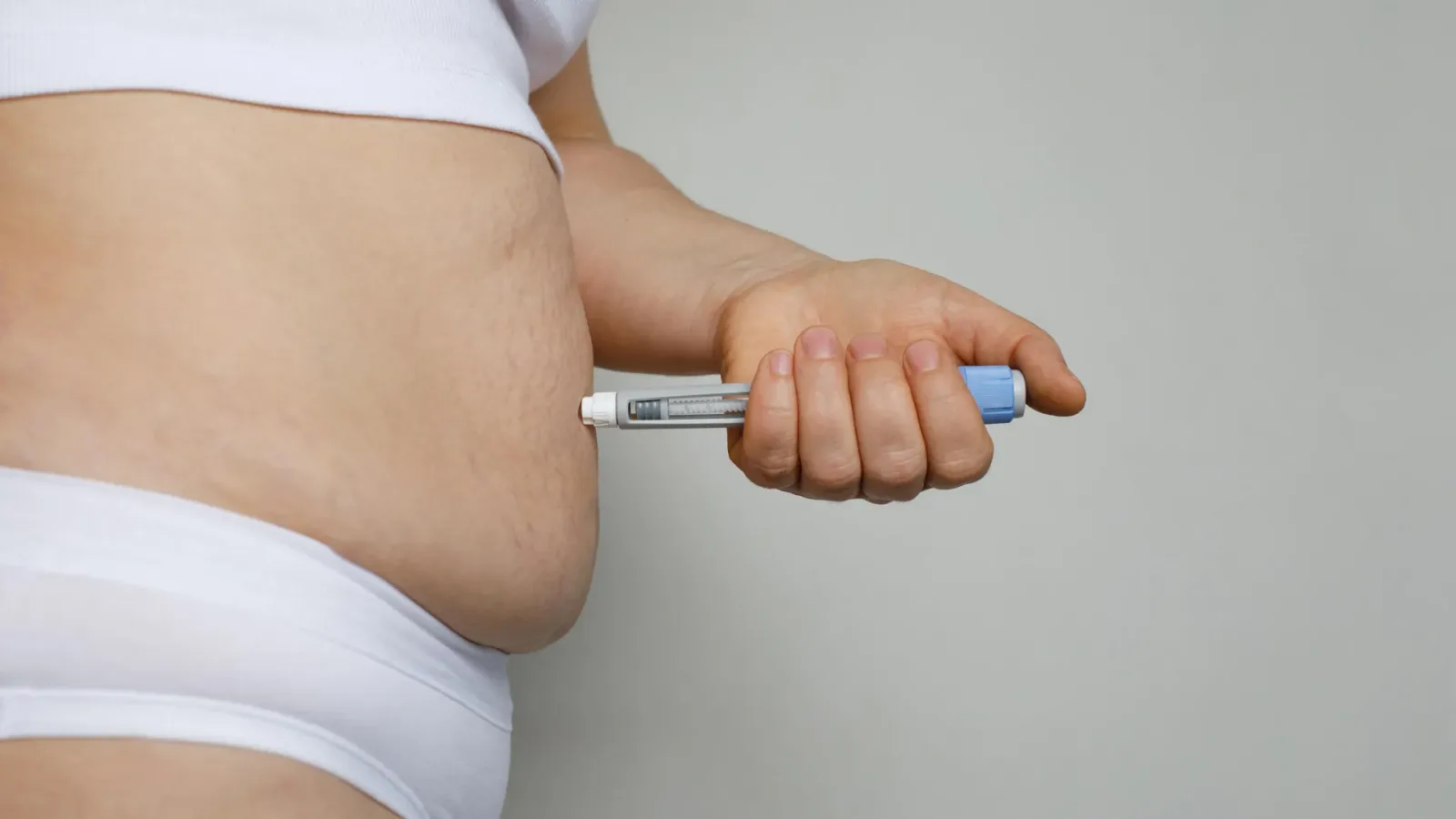
Popular weight loss drugs such as semaglutide and tirzepatide have surged in popularity for treating type 2 diabetes and obesity, helping patients shed significant weight and improve health markers like blood sugar control. However, a new study from the UNC School of Medicine, published in the Annals of Internal Medicine, highlights a potential downside: these medications may cause substantial muscle loss alongside fat, raising concerns about long-term body composition and physical function.
The UNC Study: Key Findings on Muscle Loss with GLP-1 Drugs
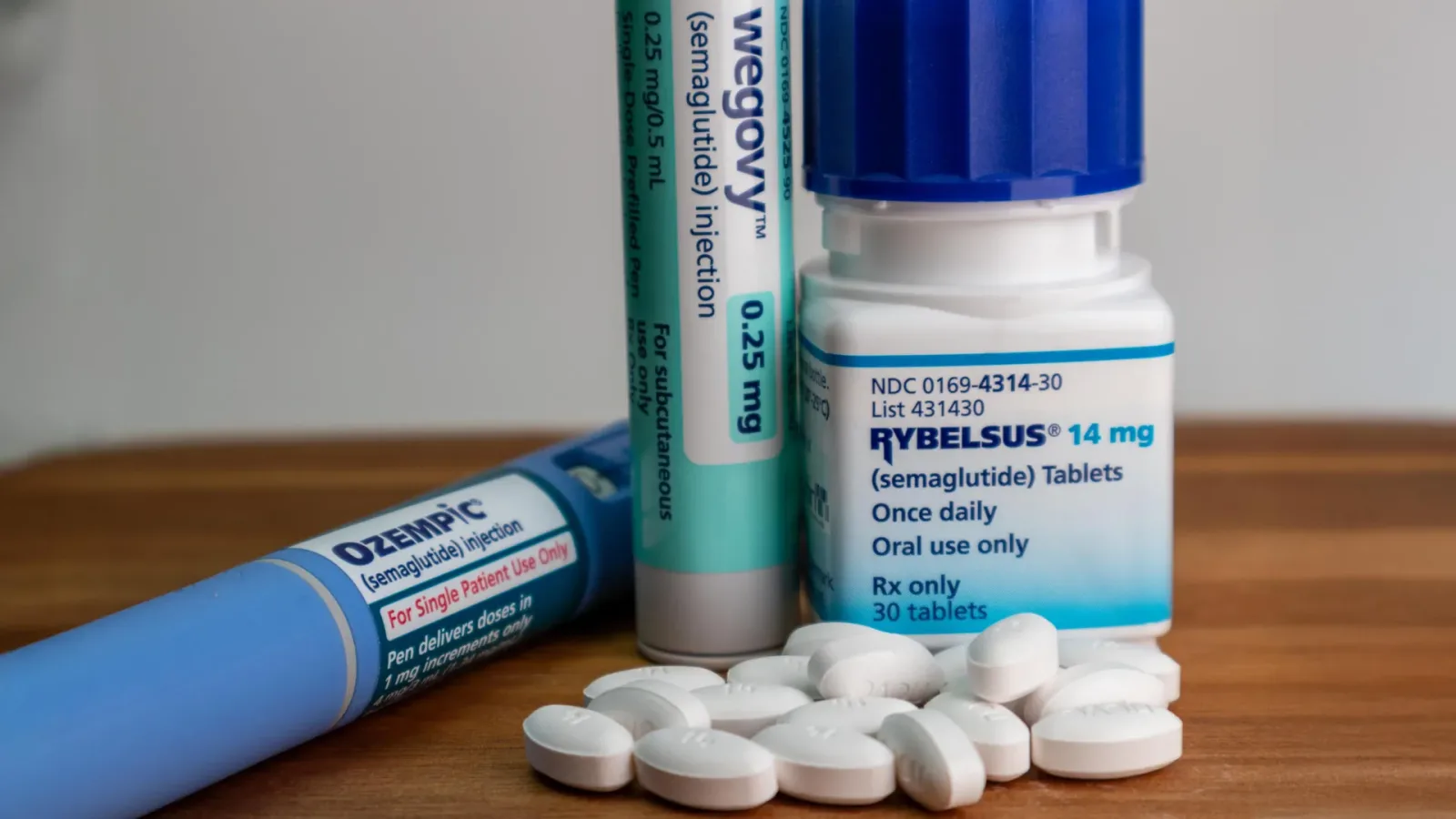
The research, led by Dr. John A. Batsis, analyzed data from multiple previous clinical trials on incretin-based medications—drugs like semaglutide (found in Ozempic and Wegovy) and tirzepatide (in Mounjaro and Zepbound). These therapies mimic natural hormones to regulate blood sugar and suppress appetite, leading to reduced calorie intake and weight loss.
While some muscle loss occurs with any weight reduction, the study found that the proportion of muscle lost with these drugs was higher than expected. A larger share of total weight lost came from lean muscle mass rather than fat. This "hidden muscle loss" underscores that not all weight loss is equal; preserving muscle is crucial for maintaining strength, balance, mobility, and overall metabolic health.
Why Body Composition Matters More Than Scale Weight
The human body comprises fat, muscle, bones, and water. Healthy weight loss prioritizes fat reduction while sparing muscle, which burns more calories at rest, supports daily activities, and protects against age-related decline like sarcopenia. Excessive muscle loss can lead to weakness, reduced mobility, increased fall risk (especially in older adults), and diminished independence.
How Incretin-Based Medications Work and Contribute to Muscle Loss
Semaglutide and tirzepatide are GLP-1 receptor agonists (semaglutide) or dual GLP-1/GIP agonists (tirzepatide). They enhance insulin secretion, slow gastric emptying, and signal fullness to the brain, curbing hunger and promoting 15-20% body weight loss in trials. This rapid change can outpace the body's ability to differentiate fat from muscle during catabolism, particularly without supportive interventions.
Clinical background shows these drugs excel for cardiometabolic benefits—lowering heart disease and diabetes risks—but the UNC analysis flags muscle as an overlooked metric. Compared to lifestyle interventions alone, GLP-1 drugs accelerate loss but may skew composition unfavorably without exercise or nutrition tweaks.
Special Concerns for Older Adults Using Weight Loss Drugs
The study emphasizes a critical research gap: most trials feature younger or middle-aged participants, with few including those over 60 and almost none over 65. Older adults already experience natural muscle atrophy (sarcopenia), starting around age 30 and accelerating post-60. Additional loss from medications could exacerbate frailty, impair daily function, and heighten injury risks.
Dr. Batsis and team urge targeted studies on aging populations, assessing not just weight but strength, mobility, and quality-of-life outcomes. For patients 65+, discussing muscle preservation upfront with providers is essential before starting semaglutide or tirzepatide.
Precision tracking for your journey
Join thousands using Shotlee to accurately track GLP-1 medications and side effects.
📱 Get the Shotlee App
Track your GLP-1 medications, peptides, and health metrics on the go with our mobile app!
Safety Profile: Benefits Outweigh Risks, But Monitoring Is Key
This finding does not deem the medications unsafe. They offer proven advantages for diabetes management, obesity-related complications, and even cardiovascular protection. Common side effects like nausea or gastrointestinal issues are well-known, but muscle loss adds a body composition layer to consider.
Doctors should shift beyond scale weight to holistic tracking: body composition scans (DEXA), grip strength tests, or bioimpedance analysis. Apps like Shotlee for logging symptoms, side effects, and medication adherence can aid personalized monitoring during therapy.
Practical Strategies to Minimize Muscle Loss on Semaglutide or Tirzepatide
Patients can proactively counter muscle loss:
- Strength Training: Engage in resistance exercises 2-3 times weekly—weights, bodyweight squats, or bands—to signal muscle preservation amid calorie deficits.
- Protein Intake: Aim for 1.2-2.0g per kg body weight daily from sources like lean meats, eggs, dairy, legumes, supporting repair and synthesis.
- Balanced Activity: Combine cardio with resistance; walking preserves function without excess catabolism.
- Nutritional Timing: Spread protein across meals; consider supplements if appetite suppression limits intake.
Compared to diet-only approaches, pairing GLP-1 drugs with exercise yields superior fat-to-muscle loss ratios, per supportive trial data.
Who Should Consider These Drugs and When to Discuss Muscle Risks
Ideal candidates: those with BMI ≥30 (or ≥27 with comorbidities) unresponsive to lifestyle changes. Always consult physicians for personalized risk-benefit analysis, especially if over 60, frail, or active. Regular follow-ups ensure safe progress.
Key Takeaways: Balancing Weight Loss Benefits and Muscle Health
- Semaglutide and tirzepatide drive effective weight loss but may increase muscle proportion lost.
- UNC study calls for age-specific research and better monitoring.
- Strength training and protein mitigate risks, enhancing outcomes.
- Focus on body composition over scale numbers for true health gains.
Conclusion: A Call for Comprehensive Weight Management
This UNC School of Medicine study reminds us that weight loss success transcends the scale—it's about sustainable body composition. Incretin-based medications like semaglutide and tirzepatide remain powerful for obesity and diabetes, but addressing muscle loss ensures long-term vitality. Patients and doctors must collaborate: incorporate exercise, optimize nutrition, and monitor progress. Future research will refine protocols, particularly for older adults, promoting effective and safe metabolic health strategies.
For related insights, explore factors causing muscle weakness in older people or ways to reverse high blood sugar and muscle loss.