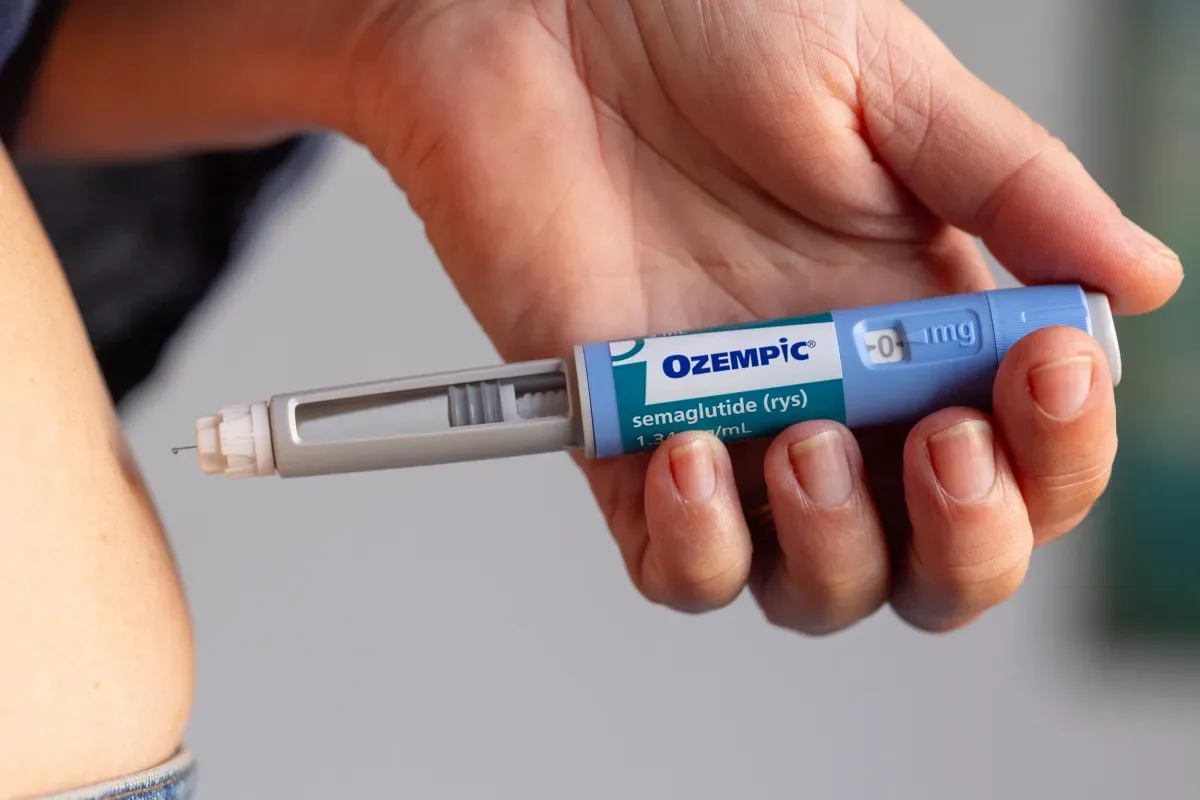

Cheaper generic semaglutide in India is making waves in the metabolic health landscape, offering affordable access to a proven GLP-1 therapy for diabetes management and weight loss. Priced at around Rs750 per weekly injection or Rs3,400 per month—compared to Rs8,800-Rs11,000 for branded versions—this shift promises to bridge treatment gaps for millions. Yet, as experts emphasize, without medical supervision, the risks of misuse in a 'quick-fix' culture could outweigh the benefits.
The Rise of Affordable Semaglutide in India's Metabolic Health Market
Weight gain has emerged as a critical health issue across age groups in India, driven by sedentary lifestyles, high-carbohydrate diets, and genetic factors. Traditional solutions like gym memberships, restrictive diets, or expensive interventions often prove unsustainable. Enter cheaper generic semaglutide, a glucagon-like peptide-1 (GLP-1) receptor agonist that mimics gut hormones to regulate blood sugar, slow gastric emptying, and reduce appetite—key mechanisms for both glycemic control and sustained weight loss.
This drug's global reputation stems from robust clinical data, and now in India, lower costs are reshaping access. The market is in a decisive phase, with generics enabling middle-income patients to afford long-term therapy previously out of reach due to high out-of-pocket spending.
From Social Media Hype to 'Mounjaro Brides': The Quick-Fix Trend
Social media fuels a quick-fix culture, with trends like "Mounjaro brides" showcasing rapid pre-event weight loss via injections. While appealing, experts warn these shortcuts ignore long-term impacts, especially sans supervision. Semaglutide works by enhancing insulin secretion, suppressing glucagon, and promoting satiety, but optimal results demand patient selection, precise dosing, and monitoring.
Expert Insights: Access Improves, but Oversight is Critical
Dr. Richa Chaturvedi, Senior Consultant in Endocrinology at Indraprastha Apollo Hospital, Delhi, highlights that cheaper generic semaglutide has the potential to widen access to established therapies for diabetes and obesity in India. She noted that improved affordability may help bridge long-standing treatment gaps, enabling more patients to initiate and continue therapy, ultimately improving adherence and reducing complications.
However, she warned that greater access also raises the risk of misuse. She emphasised that semaglutide requires careful patient selection, correct dosing and ongoing monitoring, and is not suitable for everyone. She stressed the need for stronger prescription discipline, responsible dispensing, public awareness, regular follow-ups and tools such as e-prescriptions to ensure accountability.
Price Shift Reshaping Patient Behavior
The pricing difference is substantial: generic versions at Rs750 per weekly injection (Rs3,400 monthly) versus Rs8,800-Rs11,000 for branded. This affordability is already shifting behaviors, with patients who delayed therapy now starting treatment. Dr. Mohit Sharma, Senior Consultant in Internal Medicine at Amrita Hospital, Faridabad, notes parallels with generics like Metformin, Sitagliptin, Atorvastatin, and Telmisartan, which boosted adherence in chronic care.
Strong Clinical Evidence Backing Semaglutide's Effectiveness
Semaglutide's efficacy is well-established. Dr. Sharma cited the STEP-1 trial, which demonstrated nearly 15 per cent weight loss, and the SELECT trial, which showed a 20 per cent reduction in major cardiovascular events. These trials underscore its role beyond weight loss, in reducing diabetes complications and heart risks—vital in India where metabolic diseases surge.
Precision tracking for your journey
Join thousands using Shotlee to accurately track GLP-1 medications and side effects.
📱 Get the Shotlee App
Track your GLP-1 medications, peptides, and health metrics on the go with our mobile app!
For patients, this means discussing semaglutide with a doctor if BMI exceeds thresholds for obesity or type 2 diabetes, especially with comorbidities. Compared to alternatives like older diabetes drugs, GLP-1s like semaglutide offer superior weight management and CV protection, though side effects such as nausea, vomiting, or gastrointestinal issues require monitoring.
The Hidden Risks: Muscle Loss and Metabolic Concerns for Indians
Dr. Gagandeep Singh, metabolic health specialist and founder of Redial Clinic, New Delhi, cautions against focusing solely on scale weight. Data from STEP trials indicate up to 40 per cent of weight lost on semaglutide may come from lean muscle mass—a serious concern in India. South Asians develop insulin resistance and fatty liver at lower BMIs; a BMI of 24 here equates to Western BMI 32 risks.
Without tracking body composition, high-protein intake (1.6-2.2g/kg body weight), and resistance training, short-term gains could harm long-term metabolic health. Tools like apps for symptom tracking or medication schedules can help patients monitor progress safely.
Rebound Weight Gain Without Lifestyle Integration
Dr. Singh notes many regain weight within a year post-discontinuation without lifestyle changes. Unaddressed muscle loss lowers metabolic rate, worsens insulin sensitivity, and increases body fat upon regain. Safety profiles include common GI effects, rare pancreatitis risks—always under supervision.
Beyond the Drug: Structured Care for Sustainable Results
Experts agree semaglutide isn't standalone. Dr. Sharma stresses integrating it into structured programs: physician-led dosing, nutritionist-guided high-protein diets, and supervised resistance training. Early momentum from the drug supports habit-building, but success hinges on coordinated care.
Patients should consult endocrinologists for personalization, combining therapy with 150+ minutes weekly exercise and balanced nutrition. Compared to lifestyle alone, semaglutide accelerates results; versus bariatrics, it's less invasive.
Key Takeaways: What This Means for Patients in India
- Cheaper generic semaglutide (Rs750/week) expands diabetes/obesity access but demands supervision.
- STEP-1: ~15% weight loss; SELECT: 20% CV risk drop—proven benefits.
- 40% lean mass loss risk; prioritize protein, resistance training.
- Avoid quick-fixes; integrate with lifestyle for no-rebound success.
- Discuss with doctors: suitability, dosing, monitoring essential.
Conclusion: A Public Health Opportunity with Discipline
Amid rising lifestyle diseases, cheaper semaglutide offers India a chance for better metabolic health. Yet, as experts warn, casual use risks short-term trends over lasting benefits. Prioritize supervised, holistic care for optimal outcomes—consult professionals, track progress, and build sustainable habits.