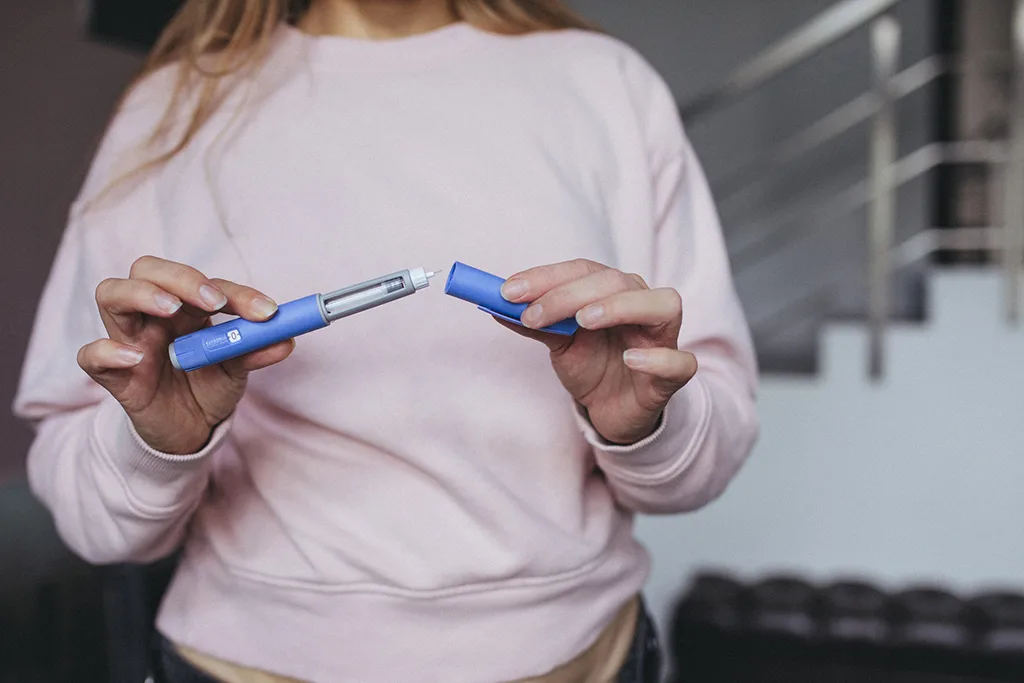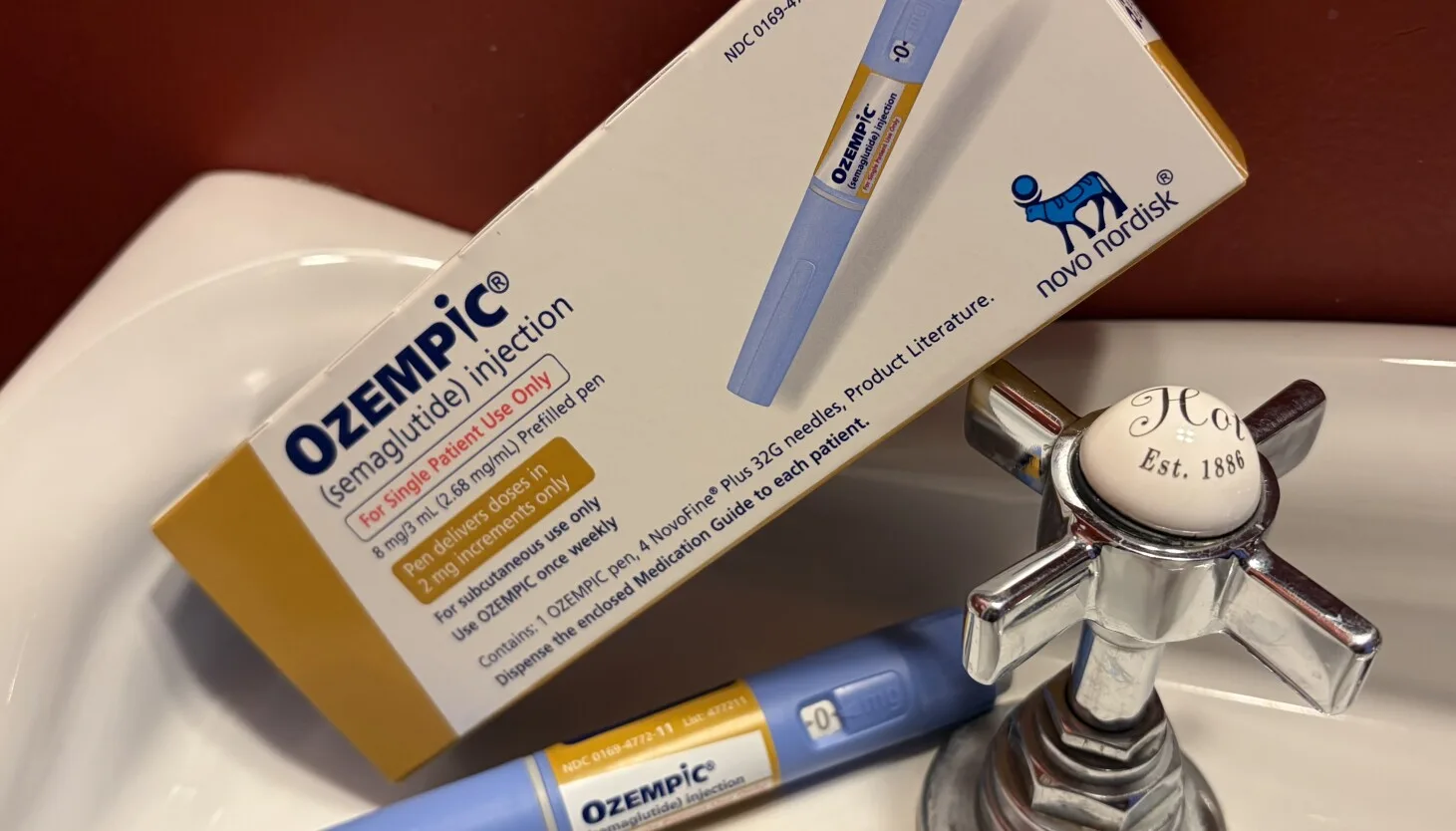

Semaglutide injections like Ozempic are now cheaper in India, with generics priced as low as ₹1,300 a month. This affordability has sparked excitement in a country where over 100 million people live with diabetes and obesity rates are rising sharply. These GLP-1 medications promise effective weight reduction and improved blood sugar control, addressing critical metabolic health needs.
However, as Dr. Gagandeep Singh, MBBS, Founder, Redial Clinic | Specialist in Reversing Diabetes, Hypertension, Obesity & PCOS without Medication cautions, "I would urge patients and the medical community to pause before declaring this a revolution." Ozempic and similar semaglutide-based injections aren't a standalone solution. They come with significant risks like muscle loss, weight regain, and potential misuse, especially in the Indian context.
What GLP-1 Medications Like Ozempic Actually Do—and What They Don't
GLP-1 receptor agonists, such as semaglutide (found in Ozempic), mimic a natural gut hormone called GLP-1. This hormone plays a key role in metabolic regulation by suppressing appetite and slowing gastric emptying. As a result, patients eat less, leading to weight loss and better glucose control—crucial for managing type 2 diabetes and obesity.
"The results from global trials are impressive," says Dr. Singh. "The STEP trials showed an average weight loss of 12-15% of body weight, and the SELECT trial demonstrated clear cardiovascular benefits. These are significant outcomes."
These findings highlight why semaglutide has gained traction worldwide. In clinical settings, patients often report feeling fuller longer, reducing caloric intake without constant hunger. For Indians battling the dual epidemic of diabetes and obesity, this mechanism offers a targeted intervention where lifestyle changes alone may fall short.
Yet, Dr. Singh adds a crucial caveat: "The clinical reality often missed in headlines is that the moment you stop the drug, the weight tends to return. Semaglutide does not fix the underlying metabolic dysfunction; it only manages the consequences while the medication continues."
This temporary effect underscores the need for a holistic approach. Semaglutide slows digestion by enhancing insulin secretion in response to meals and reducing glucagon release, but it doesn't address root causes like insulin resistance or poor dietary habits ingrained over years.
The Muscle Loss Problem with Ozempic and Semaglutide
One of the biggest concerns, particularly for Indian patients, is muscle loss. "Studies suggest that up to 40% of the weight lost on GLP-1 medications can come from lean muscle mass, not just fat," explains Dr. Singh. "For Indians, who are already prone to the 'thin outside, fat inside' phenotype, this can be metabolically harmful."
This phenomenon, known as sarcopenic obesity, is especially relevant in India. Many South Asians have lower muscle mass relative to body weight compared to other populations, making them more susceptible. Muscle acts as the body's largest glucose sink, helping regulate blood sugar even at rest. "Losing muscle mass can worsen insulin resistance in the long term," Dr. Singh notes.
This creates a paradox: "A patient may come off semaglutide significantly lighter, but metabolically more vulnerable, with less muscle and a slower metabolism." Compared to alternatives like bariatric surgery or intensive lifestyle interventions, GLP-1 meds accelerate loss but without built-in muscle preservation strategies.
Precision tracking for your journey
Join thousands using Shotlee to accurately track GLP-1 medications and side effects.
📱 Get the Shotlee App
Track your GLP-1 medications, peptides, and health metrics on the go with our mobile app!
Patients should discuss body composition scans with their doctors before starting. Resistance training can mitigate this—more on that below.
Malnutrition Risks from Appetite Suppression
Why Nutritional Deficiencies Occur
Appetite suppression from Ozempic leads to overall reduced intake. "When appetite drops significantly, patients often end up eating less of everything, including essential nutrients like protein," says Dr. Singh. "Without proper guidance, what appears to be weight loss can actually be progressive malnutrition."
In India, where average protein intake is already low (often below 0.8g/kg body weight), this amplifies risks. Deficiencies in vitamins, minerals, and amino acids can lead to fatigue, weakened immunity, and hair loss—side effects often mistaken for the drug itself.
Generics and Unsupervised Use
With generics at ₹1,300/month, accessibility surges, but so do risks. "Lower cost removes the financial barrier, but it does not ensure medical supervision. That's where the real danger lies," Dr. Singh warns. Over-the-counter or self-prescribed use heightens chances of side effects like gastrointestinal issues (nausea, vomiting) alongside nutritional gaps.
Safety profiles from trials show GLP-1s are generally well-tolerated, but long-term data in diverse populations like India's is limited. Common side effects include thyroid concerns (rare) and pancreatitis risk, emphasizing doctor oversight.
Responsible Use: What Patients in India Should Do
Dr. Singh emphasizes that GLP-1 medications like Ozempic "do have a role, especially for patients with severe obesity or those needing a metabolic bridge." But they should never be a standalone solution. Here's a structured approach:
- Ensure high-protein nutrition to preserve muscle mass—aim for 1.6-2.2g/kg body weight daily from sources like dal, paneer, eggs, and whey.
- Incorporate resistance training 2-3 times weekly (e.g., squats, weights) to counter muscle loss.
- Have a clear long-term plan for life after medication, including sustainable diet and exercise.
Consult endocrinologists or metabolic specialists. Tools like Shotlee can help track symptoms, side effects, protein intake, and medication schedules for better adherence.
Compared to metformin or SGLT2 inhibitors, semaglutide excels in weight loss but requires more monitoring. For Indians, combining with yoga or cultural diets (e.g., millets) enhances outcomes.
Key Takeaways for Ozempic and Semaglutide Users in India
- Semaglutide delivers 12-15% weight loss (STEP trials) and CV benefits (SELECT), but weight regains post-stop.
- Up to 40% of loss is muscle, risky for 'thin-fat' Indian body types.
- Malnutrition looms without protein focus, worsened by low Indian intakes.
- Generics boost access but demand supervision to avoid misuse.
- Use as a bridge: pair with training, nutrition, and root-cause strategies.
Conclusion: Using Semaglutide Wisely in India
"The real question isn't whether semaglutide works; it clearly does," concludes Dr. Singh. "The question is whether we are prepared to use it wisely, or if we will continue treating symptoms while ignoring the root cause of metabolic disease."
For patients, discuss Ozempic with your doctor: assess muscle risk via DEXA scans, plan nutrition, and build habits for lasting metabolic health. This balanced view ensures benefits outweigh risks in India's obesity crisis.