
Ozempic Causes Fast Weight Loss, But Also Muscle Loss: Study Insights
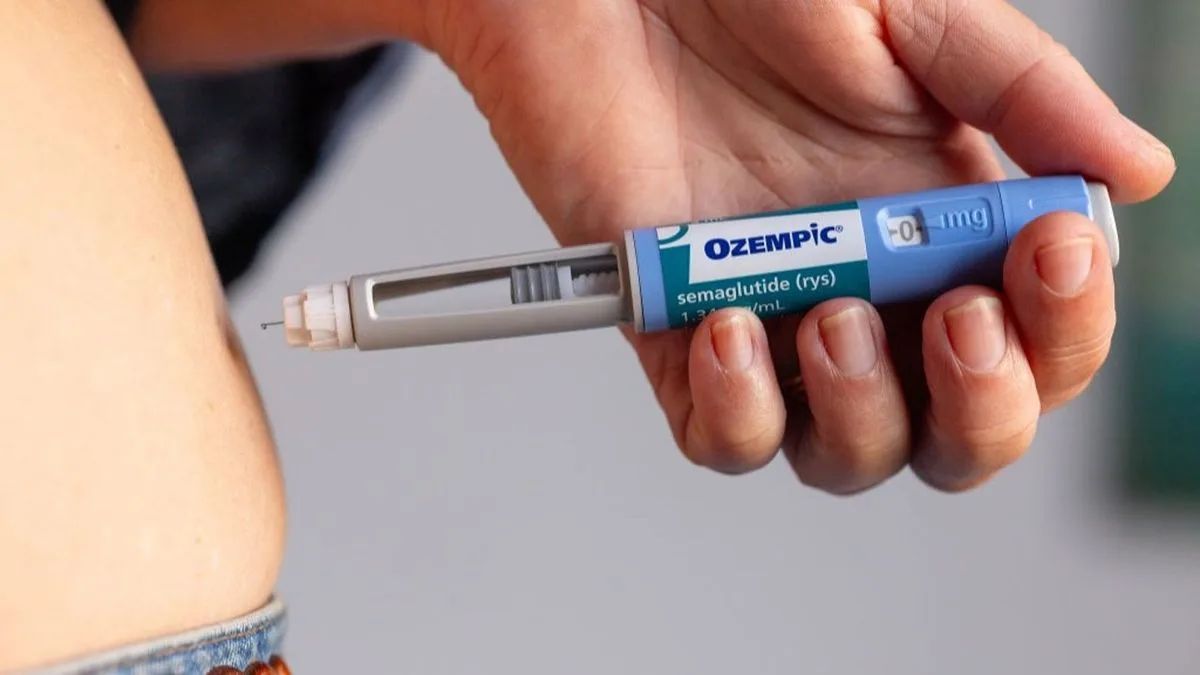
Ozempic muscle loss is a growing concern as GLP-1 medications like Ozempic and Wegovy drive rapid weight reduction. A study published in Frontiers in Clinical Diabetes and Health Care highlights how these drugs outperform diet and exercise alone for weight loss, yet some of the pounds shed come from precious muscle mass. With about 41 million Americans—or 1 in 8—trying these medications according to JAMA, understanding this trade-off is crucial for long-term metabolic health.
The Rise of GLP-1 Medications for Weight Management
GLP-1 receptor agonists, such as Ozempic (semaglutide) and Wegovy, mimic the glucagon-like peptide-1 hormone to regulate blood sugar, slow gastric emptying, and reduce appetite. This mechanism promotes satiety and lowers calorie intake, leading to substantial weight loss. According to Yale Medicine, patients can lose up to 15% to 25% of their body weight, far exceeding traditional methods.
These drugs target obesity and type 2 diabetes, addressing metabolic dysfunction at its core. However, their rapid effects—often several pounds per week—raise questions about body composition changes, particularly Ozempic muscle loss.
The Weight Loss Breakthrough and Its Drawback
While celebrating the efficacy of GLP-1s, research underscores a key issue: muscle depletion. Adults naturally lose muscle at 3-5% every 10 years starting around age 30, per the National Institutes of Health (NIH). Rapid weight loss from Ozempic exacerbates this, as the body catabolizes muscle for energy and nutrients.
"Whenever we lose weight, we lose everything, and unfortunately when we lose weight we lose a lot of vitamins too, because the body stores most of the vitamins in fat," said Dr. Shady H. Macaron, a bariatric surgeon and weight-loss specialist at Trinity Health of New England.
A 2024 study in JAMA quantified this: muscle loss accounts for 25% to 39% of total weight lost over 36-72 weeks on these medications.
Comparing Muscle Loss: GLP-1s vs. Diet Alone
"Some of it's going to be from fat and some of it's going to be from lean tissue," Dr. Macaron noted. Dr. Eric Sokolowski, a physical therapist at Gaylord Specialty Care, added, "The difference is that with dieting alone, a person might lose 20 to 30% of muscle, whereas with the GLP-1s that can get upwards of 40%. So you could be losing more muscle on GLP-1s than you were if you were just dieting in general."
Sokolowski suggests the speed of weight loss is a factor, as doctors are still investigating why GLP-1s amplify muscle breakdown compared to slower caloric restriction.
Yale University clinical dietitian Wendy Cartier emphasizes safe pacing: "Typically, a physically safe rate of weight loss is going to be anywhere from half a pound a week to two pounds a week so we try to keep folks around that range. If someone's losing 4 pounds a week for a long time, they are going to have muscle loss. Even folks who are losing it more slowly are likely going to get some muscle loss."
Why Muscle Loss Matters in Obesity and Aging
Many individuals with obesity already face sarcopenia, defined by the Cleveland Clinic as "age-related progressive loss of muscle and strength." Sokolowski explains, "With obesity, you can have poor muscle mass and poor muscle quality." This pre-existing deficit makes preserving muscle even more vital during GLP-1 therapy.
Muscle is metabolically active, burning more calories at rest than fat. Losing it can slow metabolism, hinder insulin sensitivity, and complicate weight maintenance post-treatment.
Strategies to Minimize Ozempic Muscle Loss
Experts unanimously recommend proactive measures to counteract GLP-1 muscle loss. The cornerstone is resistance training, paired with optimized nutrition.
Precision tracking for your journey
Join thousands using Shotlee to accurately track GLP-1 medications and side effects.
📱 Get the Shotlee App
Track your GLP-1 medications, peptides, and health metrics on the go with our mobile app!
Incorporate Strength Training
"Combating that requires strength training, which he suggests doing two or three times a week, targeting all major muscle groups, as the American College of Sports Medicine suggests," Sokolowski advises. Start with bodyweight exercises or light weights, progressing as energy allows. Those on Ozempic may experience fatigue or weakness, so consult a physician before intensifying routines.
Boost Protein and Amino Acid Intake
"Exercise is the most important thing," said Macaron. "In addition, you need amino acids, which are the building blocks of protein." Protein supports muscle repair and prevents breakdown. Cartier elaborates, "So if you are not eating enough protein to sustain those functions, then your body will pull protein from the muscle, and that's causing the muscle to break down."
Aim for 1.6-2.2 grams of protein per kg of body weight daily, spread across meals. Dela Bernard, clinical dietitian at Gaylord Specialty Healthcare, suggests breakfast boosts like omelets with fruit and protein, breakfast burritos, or Greek yogurt.
Bernard also advises hydration and professional guidance: "Encourages patients to drink more water and consult with a nutritionist before starting resistance training because those on GLP-1 can experience weakness, and increasing protein can be constipating."
Regular Monitoring and Testing
Dr. Macaron requires blood tests every three months for at least a year: "We want to make sure that they don't have any specific deficiency in vitamins, minerals, proteins." A registered nutritionist can tailor protein needs. Apps like Shotlee can help track symptoms, side effects, medication schedules, and protein intake for better adherence.
The Long-Term Benefits of Muscle Preservation
Maintaining muscle is critical for weight-loss to work long term, said Dela Bernard. "Because muscle is one of the most metabolically active tissues in our body." It enhances calorie burn at rest, supports weight management, and improves insulin sensitivity—key for metabolic health.
"It can be overwhelming for people," Bernard said. "It's a complete 180 (degree shift), and that's why I really don't like it when a lot of people call it a magic pill or 'the easy way out.' It's not. You still have to change your lifestyle, and a lot of people are dealing with adverse effects (of GLP-1s) as well."
Key Takeaways for Patients on Ozempic or Wegovy
- GLP-1s like Ozempic enable 15-25% body weight loss but can cause 25-39% muscle loss per JAMA studies.
- Rapid loss (>2 lbs/week) heightens risk; aim for gradual progress.
- Counter with 2-3x weekly strength training and high-protein diet (amino acids essential).
- Monitor via blood tests every 3 months; track with tools like Shotlee.
- Muscle preservation boosts metabolism and sustains results—consult professionals.
Practical Guidance: Who Should Worry and Next Steps
Patients over 30, those with obesity-related sarcopenia, or experiencing rapid loss are at highest risk. Discuss with your doctor before starting GLP-1s, especially if planning lifestyle changes. Common side effects like nausea or fatigue may impact exercise, so personalize plans.
Compared to alternatives like older weight-loss drugs (e.g., phentermine) or bariatric surgery, GLP-1s offer non-invasive efficacy but demand vigilant muscle protection. Safety profiles are strong for approved uses, but muscle monitoring adds a layer of comprehensive care.
Editor's note: Consult your physician for questions related to weight loss and before making any dietary or exercise changes to your routine.
In summary, while Ozempic transforms weight loss, safeguarding muscle through exercise, protein, and monitoring ensures sustainable metabolic health. This balanced approach maximizes GLP-1 benefits without unintended consequences.