
At 248 pounds, Dr. Stacy Heimburger Smalley, an internal medicine expert, felt trapped. "Even my emotions felt heavy," she recalls. "I felt like a failure." The relentless grip of what she calls "food noise" consumed her days – a constant barrage of cravings, insatiable hunger, and profound exhaustion. This internal struggle took a sharp turn when a patient's blunt words hit home: "Who are you to tell me what to do? You're fat too!" This pivotal moment spurred Dr. Smalley to seek a different path, one that led her to a profound discovery: a simple yet powerful change that silenced the "food noise" and ultimately enabled her to shed an astonishing 94 pounds. Her secret? Drastic reduction of sugar intake.
Now, Dr. Smalley, who hosts the "Weight Loss Made Simple" podcast and is recognized as the "Sugar-FreeMD" on Instagram, dedicates herself to teaching women how to break free from sugar's hold and achieve sustainable weight loss.
The Science of Sugar and Its Grip on Appetite
It's a well-established fact: the more sugar we consume, the hungrier we become. If you've ever felt like your thoughts are perpetually dominated by food, rest assured, it's not a personal failing. Modern processed foods are meticulously engineered with high levels of sugar to create a cycle of persistent cravings, making them incredibly difficult to resist. This phenomenon is relatively recent in human history. As Dr. Nicole Avena, a leading sugar researcher and author of "Sugarless," explains, the term "sugar addiction" didn't even appear in search databases until 2002. Today, however, sugar is ubiquitous, subtly influencing our thoughts and actions in ways many don't recognize.
"Americans fall into a cycle of overconsuming hyperpalatable comfort foods to self-medicate," says Dr. Avena. She aptly describes the packaged-food aisle in grocery stores as "the dopamine aisle."
The good news is that this cycle can be broken. Dr. Smalley's experience and research suggest that committing to cutting out added sugar for just two weeks can lead to significant improvements: feeling better physically, thinking more clearly, and finally experiencing true satisfaction after meals.
Dr. Smalley's Personal Transformation: From Doubt to Determination
Dr. Smalley initially suspected that sugar was not only hijacking her cognitive processes but also fueling her intense, hard-to-manage cravings. When a health coach first proposed eliminating sugar, her immediate reaction was skepticism: "That's not possible." However, the coach's follow-up question, "What if it were easy? What would that look like?" sparked a new perspective. Intrigued, Dr. Smalley committed to a 90-day sugar-free challenge, meticulously crafting a plan to make the transition manageable. The results were remarkable. In less than three months, she shed 20 stubborn pounds. "That alone was reason to keep going," she emphasizes. "People need to know this." This initial success fueled her determination to continue and share her findings.
Actionable Strategies for a Sugar-Reduced Lifestyle
Dr. Smalley has developed and refined five key strategies to help women simplify the process of reducing high amounts of added sugars. These methods focus on mindful choices, preparedness, and understanding the nuances of food labels.
1. Mindful Food Selection: The "VIP Room" Approach
Dr. Smalley advocates for a selective approach to food intake, likening it to a "VIP room at the club." The principle is simple: if you have limited capacity for food, ensure only the best enters. "If we only have so much room for food in our body, we should only let the best in," she explains. This means critically evaluating what you eat, especially in social or dining situations. For instance, when offered bread at dinner, ask yourself if it's truly exceptional or necessary. If it's a mediocre bread roll at a chain restaurant, it might be best to decline, particularly if it's likely to trigger increased hunger later. Being intentional about food choices is paramount, especially when those choices could lead to greater hunger the following day.
2. Emergency "Squirrel Snacks" for Preparedness
A cornerstone of Dr. Smalley's plan is the concept of "squirrel snacks" – emergency backup food supplies. "What actually works is a plan you can still do even on your worst day," she states. To combat common pitfalls, such as relying on takeout with hidden sugars or succumbing to sugary drinks, she keeps non-perishable, healthy snacks readily available in her purse, car, and office. These are designed to be a reliable option when regular meal plans fall through. For example, if you forget your lunch, a can of tuna or a handful of nuts can serve as a satisfying substitute. Similarly, if an event runs unexpectedly long, having hard-boiled eggs or nuts readily accessible can prevent impulsive, sugar-laden choices.
Precision tracking for your journey
Join thousands using Shotlee to accurately track GLP-1 medications and side effects.
📱 Get the Shotlee App
Track your GLP-1 medications, peptides, and health metrics on the go with our mobile app!
3. Navigating "Sugar-Free" and Artificial Sweeteners
Dr. Smalley's personal health history, including a higher risk of type 2 diabetes due to gestational diabetes, highlighted the complexities of sugar substitutes. She discovered that even some foods labeled "sugar-free," such as Jell-O, could cause her blood sugar to spike alarmingly. "I realized those chemicals can be just as bad for you as sugar," she notes. This experience underscores the importance of scrutinizing ingredients beyond just the sugar content. Research published in Cell Metabolism found that individuals consuming ultra-processed foods containing artificial sweeteners gained weight, approximately 3.3 pounds over three weeks. While natural sweeteners like Stevia may be a better alternative, Dr. Avena cautions that they can still overstimulate the brain's pleasure centers, potentially triggering cravings.
4. Prioritizing Whole Foods for Nutrient Density
The solution Dr. Smalley found was to obtain natural sugars and essential fiber from whole foods, primarily fruits and vegetables. This dietary shift yielded significant physical benefits: she lost eight inches from her waistline and reduced her body fat percentage from 49.2% to 35.8%. By focusing on nutrient-dense, low-sugar, and low-inflammation foods, individuals can nourish their bodies effectively while managing appetite and promoting weight loss.
5. The Power of Forgiveness and a Forward-Looking Mindset
Dr. Smalley emphasizes that the mental aspect of weight loss is as crucial as the dietary changes. "You've got to forgive everything that happened before," she advises. "It doesn't matter how you got to where you are or what you weigh today. It just matters where we go from here." This forward-looking, non-judgmental approach is essential for sustainable progress. Releasing past struggles allows individuals to focus their energy on building healthier habits and achieving their goals.
Comparing Sugar Reduction to GLP-1 Medications
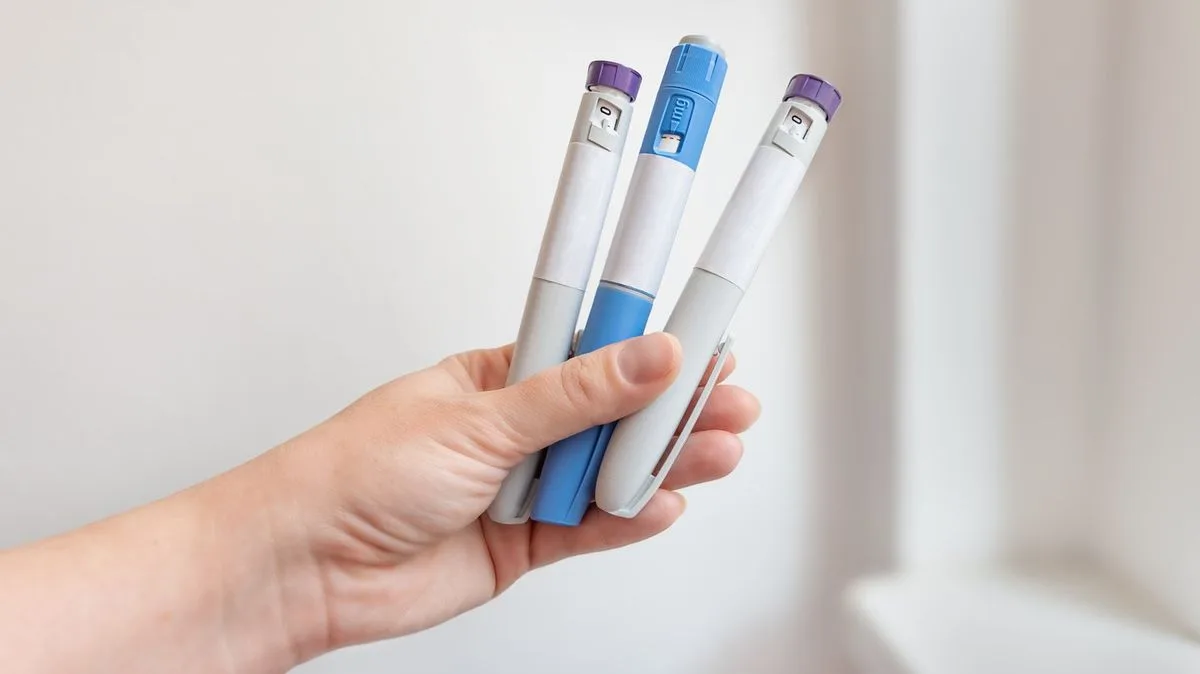
Interestingly, Dr. Smalley notes a striking similarity between the mental clarity she experienced after reducing sugar and the effects reported by individuals using GLP-1 medications like Ozempic and Wegovy. "Once I got off sugar, my brain was just as clear as a GLP-1 brain," she states. She offers this perspective: "If you don't want to take the drugs, you can still get that same brain relief by avoiding sugar. GLP-1s are an antidote to how addictive the food industry has become!" This comparison highlights the profound impact sugar can have on cognitive function and appetite regulation, suggesting that dietary changes can offer comparable benefits to pharmacological interventions for some individuals.
A Simple Meal Template for Sustainable Eating
To make healthy eating repeatable and enjoyable, Dr. Smalley follows a straightforward meal template: the inclusion of protein, vegetables, and healthy fats at every meal. This balanced approach ensures satiety and provides essential nutrients. Her recommendation is to aim for recipes that are low in sugar and inflammation, focusing on real, whole foods.
Here's a sample one-day meal plan based on her template:
- Breakfast: Fried eggs cooked in olive oil, served with bacon and spinach.
- Lunch: A large salad featuring chicken, leafy greens, fruit, nuts, and an oil-based dressing.
- Dinner: Sautéed broccoli, zucchini, and peppers in olive oil, accompanied by a juicy steak.
Conclusion: Reclaiming Power Through Dietary Change
Dr. Stacy Smalley's journey is a powerful testament to the transformative potential of addressing sugar intake. Her initial 94-pound weight loss was just the beginning; the true victory lay in reclaiming her life and her sense of control. At 51, with a significantly reduced risk of diabetes and a healthy A1C of 4.6, she embodies the possibility of profound change. Her advice to start with a small, two-week trial is practical and empowering. By consciously reducing added sugars, individuals can quiet the "food noise," enhance mental clarity, and embark on a path toward sustainable health and well-being, proving it's never too late to feel better and take back the power over one's health.
A version of this story originally appeared in the May 25, 2026 issue of Woman's World.