
Amanda Bynes' Ozempic Journey: A Real-World Example
Amanda Bynes, the former child star known for The Amanda Show and Hairspray, has openly shared her weight loss transformation using Ozempic. In late 2023, she posted about shedding 28 pounds—from 180lbs to 152lbs—via Instagram, calling a paparazzi photo "inspiring" despite still feeling she looked "big." A recent video showed her flaunting a slimmer figure in cropped tops and shorts, drawing praise from fans for her visible abs and overall glow.
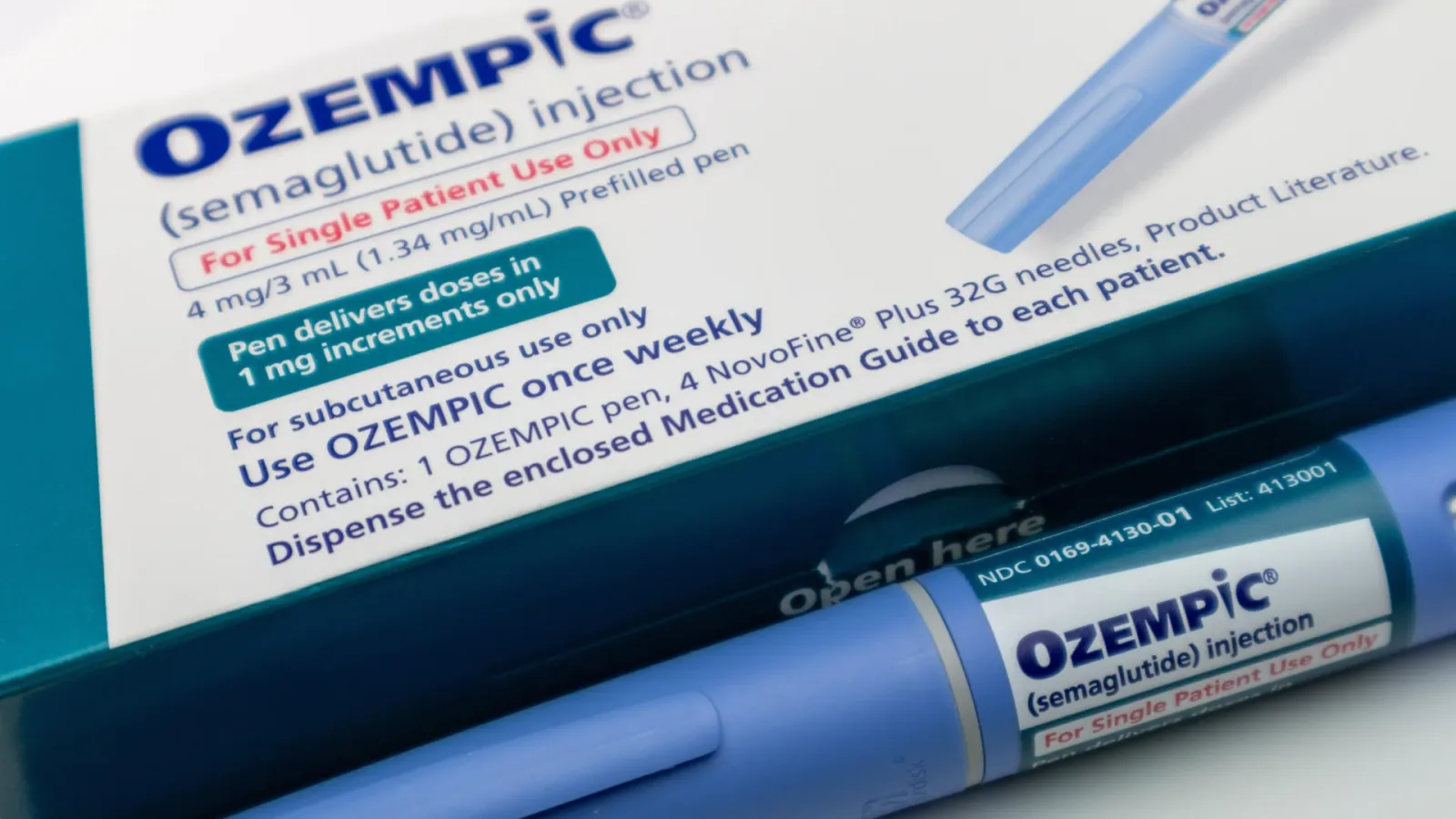
While celebrity stories like Bynes' grab headlines, they underscore a broader trend: GLP-1 receptor agonists like Ozempic (semaglutide) are revolutionizing weight management. Bynes' experience, amid her personal challenges including conservatorship and mental health treatment, highlights how these medications can support metabolic health improvements. But what's the science behind her results, and is Ozempic right for you?
What Are GLP-1 Medications?
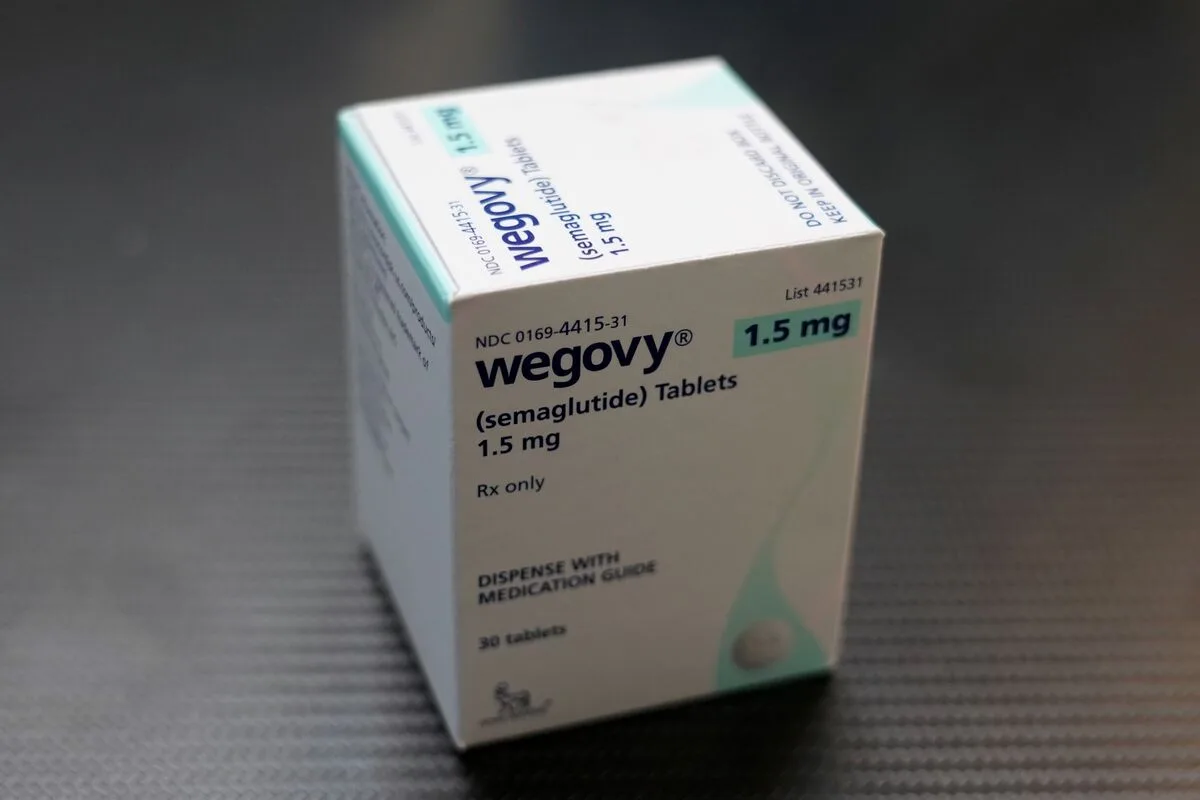
GLP-1 (glucagon-like peptide-1) receptor agonists mimic the GLP-1 hormone, naturally produced in the gut after eating. This hormone regulates blood sugar, slows digestion, and signals fullness to the brain. Drugs like Ozempic, Wegovy (higher-dose semaglutide), Mounjaro (tirzepatide), and Zepbound (tirzepatide for weight loss) harness this mechanism for diabetes control and substantial weight reduction.
Ozempic is FDA-approved for type 2 diabetes but widely used off-label for obesity. Wegovy, its sibling, is approved specifically for chronic weight management in adults with BMI ≥30 or ≥27 with comorbidities like hypertension. Mounjaro and Zepbound, dual GLP-1/GIP agonists, target even greater weight loss by activating two hunger-regulating hormones.
How GLP-1s Promote Weight Loss
These injectables work multifactorially:
- Satiety Enhancement: They activate brain receptors to reduce appetite and food cravings, leading to 20-30% fewer calories consumed daily.
- Gastric Slowing: Food stays in the stomach longer, promoting prolonged fullness.
- Blood Sugar Control: Lowers insulin resistance, aiding fat metabolism.
- Neuroendocrine Effects: Reduces reward-driven eating by modulating dopamine pathways.
In trials, users report feeling "full faster"—a game-changer for emotional eaters like Bynes might have been.
Clinical Evidence: Real Results from Studies
Amanda's 28lb loss aligns with clinical data. The STEP 1 trial (NEJM, 2021) tested Wegovy in 1,961 obese adults: participants lost 14.9% body weight (about 35lbs for a 235lb person) over 68 weeks vs. 2.4% on placebo. Ozempic users in SUSTAIN trials saw 5-10kg (11-22lbs) loss over 30-56 weeks, often more with diet/exercise.
"Semaglutide led to sustained weight loss of up to 17% at 104 weeks in the STEP 5 extension trial, with 80% of participants achieving ≥10% reduction." — Novo Nordisk data.
Tirzepatide (Mounjaro/Zepbound) outperforms in SURMOUNT-1: 20.9% average loss at 72 weeks, with some losing 25%+. Long-term data shows 70-80% maintain loss if continued, but regain occurs upon stopping without lifestyle changes.
For context, Bynes' ~15% loss (28lbs from 180) is typical early response; maintenance requires ongoing use or habits.
Dosage, Administration, and Starting Ozempic
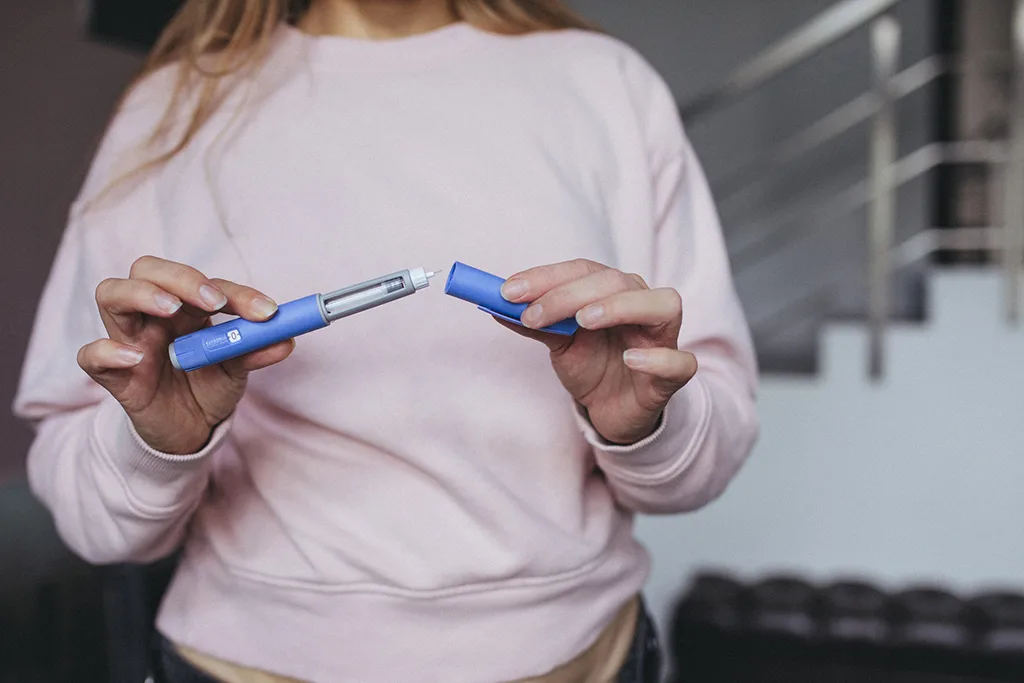
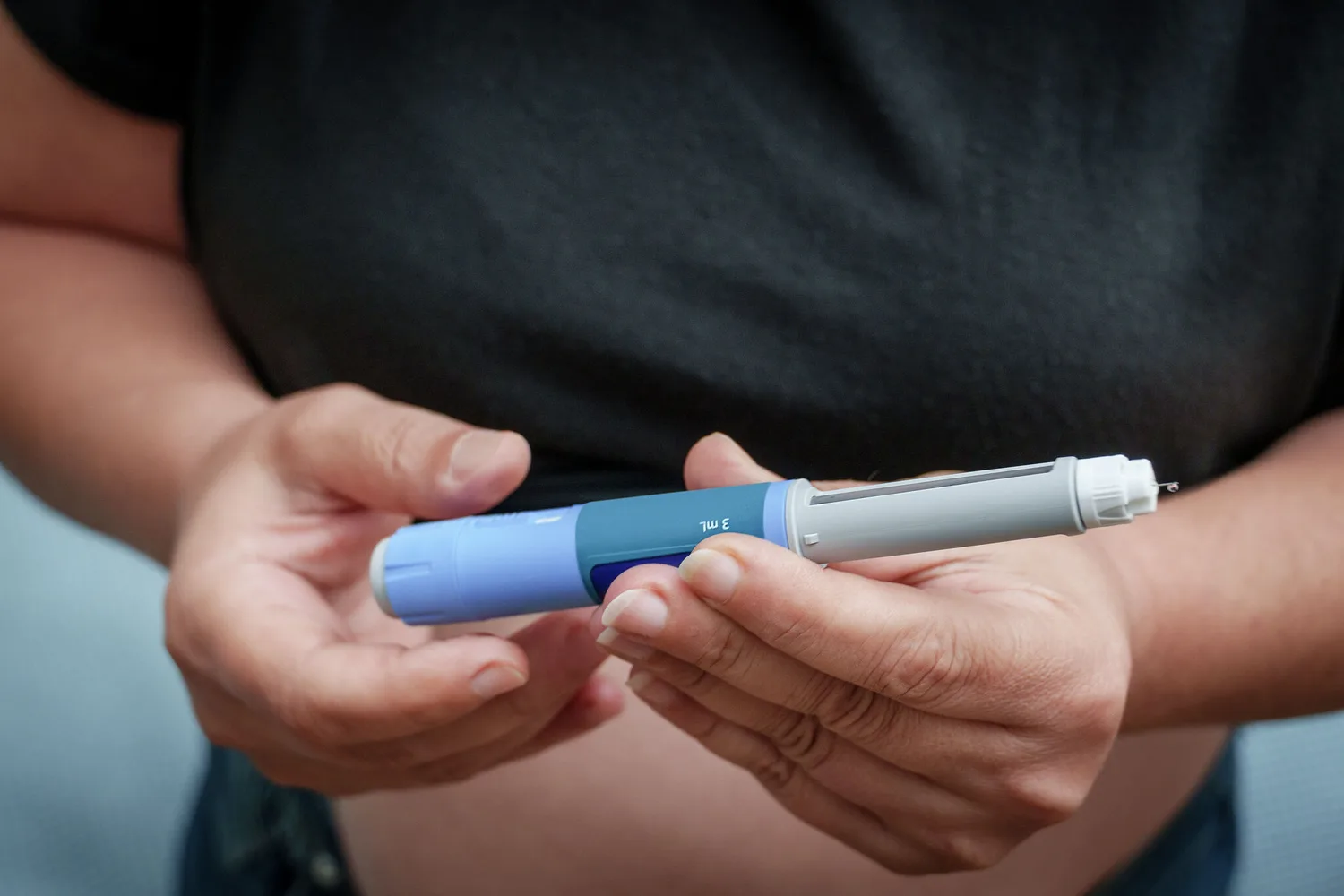
Ozempic starts at 0.25mg weekly subcutaneous injection (abdomen, thigh, or arm), titrating to 1-2.4mg over 4-8 weeks to minimize nausea. Wegovy goes up to 2.4mg. Pens are user-friendly; rotate sites.
Precision tracking for your journey
Join thousands using Shotlee to accurately track GLP-1 medications and side effects.
📱 Get the Shotlee App
Track your GLP-1 medications, peptides, and health metrics on the go with our mobile app!
- Week 1-4: 0.25mg
- Week 5-8: 0.5mg
- Maintenance: 1mg+ based on tolerance/response
Cost: $900-1,300/month without insurance; compounding pharmacies offer alternatives amid shortages. Consult a doctor for prescriptions—telehealth options abound.
Side Effects: What to Expect and How to Manage
Common issues (50-70% of users):
- Gastrointestinal: Nausea (20-44%), vomiting, diarrhea, constipation. Titrate slowly; eat smaller meals.
- Other: Fatigue, headache, gallbladder issues (3-5%). Rare: Pancreatitis, thyroid tumors (animal data).
Serious risks include gastroparesis or "Ozempic face" (facial fat loss causing sagging). Muscle loss (up to 40% of total) underscores resistance training needs. Hydrate, add protein/fiber. Tools like Shotlee can track symptoms, side effects, and nutrition to optimize therapy.
Mitigation: Start low, pair with 500kcal deficit diet, 150min weekly exercise. Most side effects resolve in 4-12 weeks.
Who Benefits Most from GLP-1 Therapy?
Ideal candidates: BMI ≥27 with comorbidities or ≥30. Not first-line for all—lifestyle remains foundational. Contraindications: Personal/family thyroid cancer history, pancreatitis, pregnancy.
Bynes' story shows potential for those with emotional/yo-yo dieting histories, but mental health support is key. Combine with therapy for sustainable change.
Lifestyle Integration for Lasting Results
Medications amplify—not replace—habits:
- Nutrition: High-protein (1.6g/kg body weight), fiber-rich meals curb hunger.
- Exercise: Strength training preserves muscle; cardio boosts deficit.
- Behavior: Mindful eating, sleep (7-9hrs), stress management.
Post-med: 50% regain risk drops with habits. Apps track progress; Shotlee integrates symptom logging with GLP-1 use for data-driven tweaks.
Conclusion: Is Ozempic Your Path to Transformation?
Amanda Bynes' 28lb Ozempic loss exemplifies GLP-1 potential: profound satiety, metabolic reset, visible changes. Backed by STEP/SUSTAIN/SURMOUNT trials, these drugs offer 15-22% loss for many, but success demands titration, side effect management, and lifestyle synergy. Always consult a healthcare provider to assess fit—personalized care ensures safety and sustainability. Ready to explore? Evidence-based weight management starts with informed steps.