Introduction
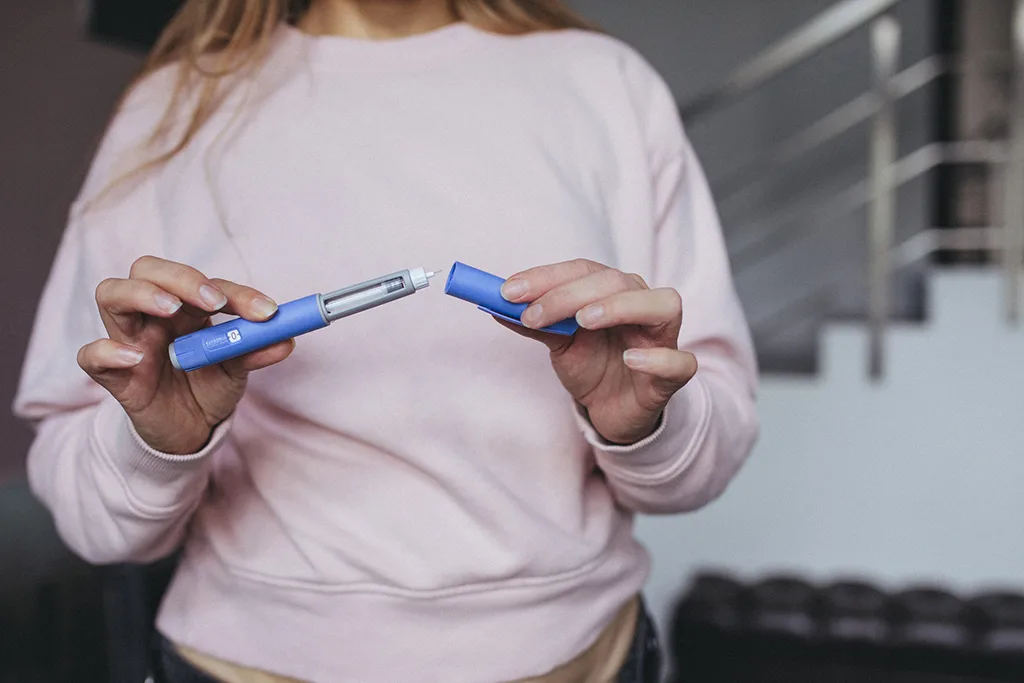
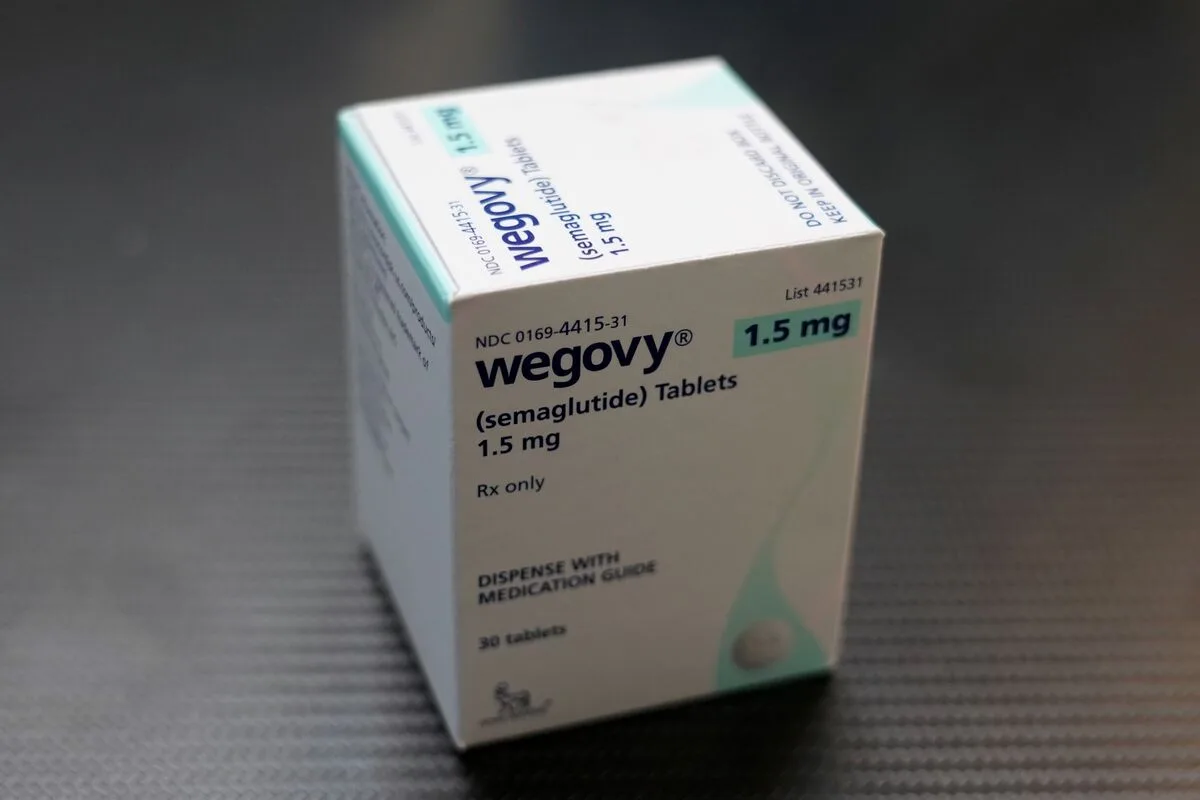
Imagine achieving significant weight loss without weekly injections—a prospect that's now reality for many with Novo Nordisk's oral Wegovy pill. As a leading GLP-1 receptor agonist, semaglutide (the active ingredient in Wegovy) has transformed obesity management since its injectable approval in 2021. The recent launch of its oral form addresses a key barrier: needle phobia and inconvenience, potentially expanding access to millions. This guide dives into the science, clinical data, competition, safety, and future of oral GLP-1 medications like the Wegovy pill, empowering you with evidence-based insights for informed decisions.
What Are GLP-1 Medications and How Do They Work?
GLP-1 (glucagon-like peptide-1) receptor agonists mimic the gut hormone GLP-1, which regulates blood sugar, appetite, and digestion. These medications slow gastric emptying, signal fullness to the brain via hypothalamic pathways, and reduce glucagon secretion, promoting insulin release.
Key mechanisms include:
- Satiety enhancement: Activates POMC/CART neurons in the arcuate nucleus, curbing hunger.
- Delayed gastric emptying: Reduces calorie intake by 20-30% in trials.
- Neuroprotective effects: Emerging data suggest benefits beyond weight loss, like cardiovascular risk reduction.
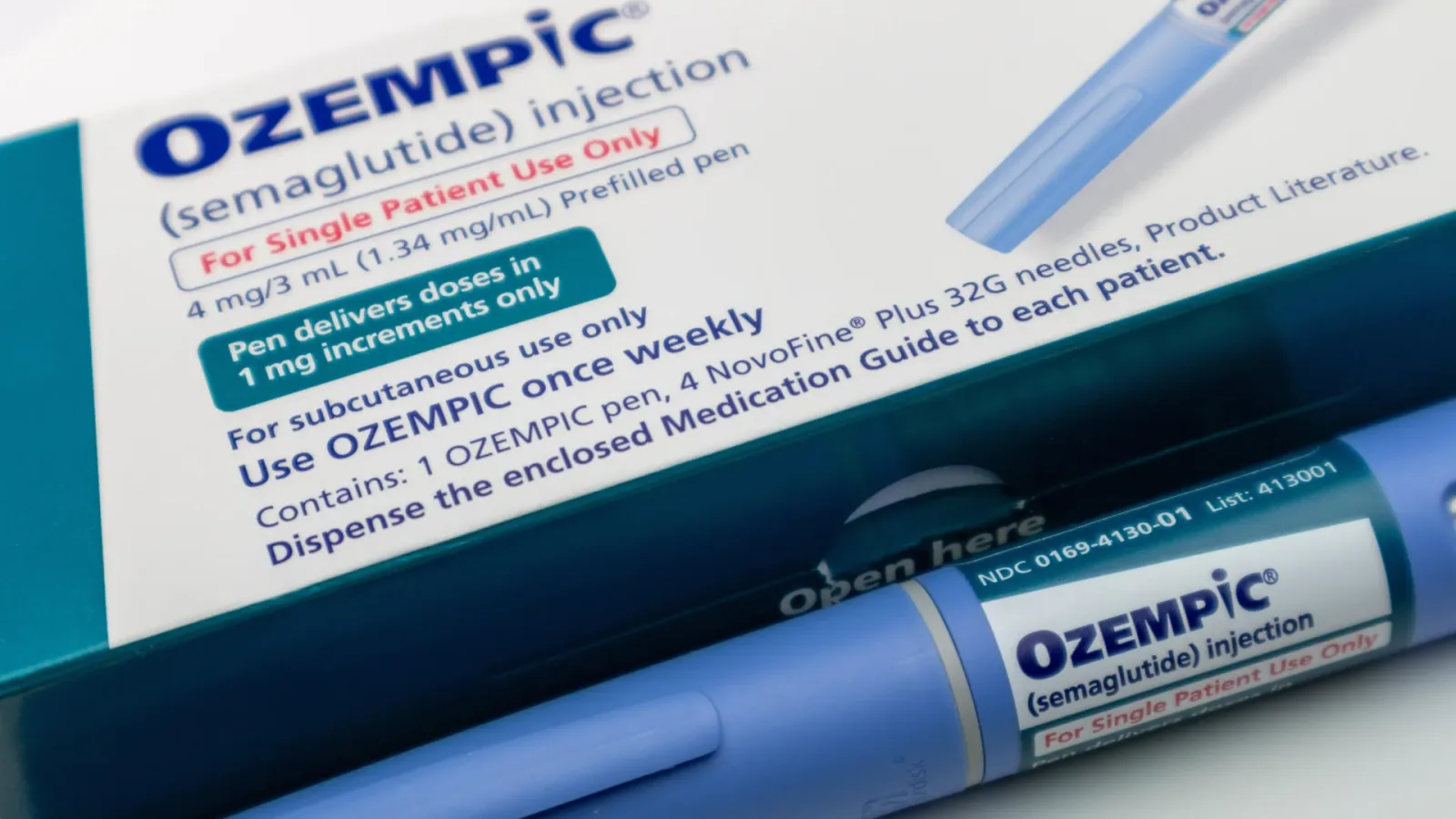
Injectable versions like Wegovy (semaglutide 2.4 mg weekly) and Mounjaro/Zepbound (tirzepatide, dual GLP-1/GIP) have shown 15-22% body weight loss in STEP and SURMOUNT trials. Oral formulations build on this, with semaglutide's oral version (Rybelsus, 14 mg daily for diabetes) paving the way.
The Launch of Novo Nordisk's Oral Wegovy Pill
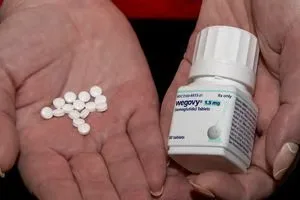
Novo Nordisk beat Eli Lilly to market with its higher-dose oral semaglutide, branded as the Wegovy pill, launching in early 2025. Early sales data indicate strong demand, reflecting patient preference for pills over pens. This first-mover advantage in oral GLP-1s for obesity could broaden the market, as convenience drives adherence—critical since dropout rates in weight loss trials exceed 20% due to injection burden.
Clinically, oral semaglutide uses an absorption enhancer (SNAC) to protect it from stomach acid, achieving 1-2% bioavailability. Dosing starts low (e.g., 3-7 mg daily, titrating to 25-50 mg), taken on an empty stomach with minimal water.
Early Performance and Market Context
Despite stock volatility—Novo's shares rebounded 14% in January 2025 after a tough 2024—analysts forecast challenges like price erosion from competition. Yet, for patients, the focus is efficacy: Phase 3 OASIS trials (ongoing for obesity) mirror injectable results, with ~15% weight loss at 68 weeks versus placebo.
"The pill launch seems to be going well... Longer term, the growth opportunity is enormous," notes Robert Hannaford, Evenlode Global Income fund.
Oral Wegovy vs. Injectable Wegovy: A Head-to-Head Comparison
Pros of the pill:
- No needles: Ideal for phobia sufferers (affects ~25% of patients).
- Daily dosing fosters habit; potentially better for some adherence profiles.
- Discreet and travel-friendly.
Cons:
- Lower bioavailability requires higher doses, raising GI side effect risk.
- Strict administration (fasted, upright 30 min) vs. flexible injections.
- Cost and insurance coverage may lag initially.
In head-to-head studies like PIONEER, oral semaglutide matched injectables for glycemic control but slightly trailed in weight loss (5-7% vs. 10-15%), though obesity-specific higher doses close the gap.
Precision tracking for your journey
Join thousands using Shotlee to accurately track GLP-1 medications and side effects.
📱 Get the Shotlee App
Track your GLP-1 medications, peptides, and health metrics on the go with our mobile app!
Competition in Oral GLP-1s: Eli Lilly's Orforglipron
Eli Lilly's orforglipron, a non-peptide oral GLP-1, promises once-daily dosing without enhancers. Phase 3 ACHIEVE trials show 14.7% weight loss at 40 weeks—comparable to tirzepatide injections. FDA decision expected Q2 2025. Mounjaro/Zepbound's dual-agonist edge persists, but orforglipron's small-molecule design could enable cheaper generics long-term.
Table comparison:
- Wegovy Pill (semaglutide): Peptide, ~15% loss, launched.
- Orforglipron: Non-peptide, 14-15% loss, pending approval.
Clinical Evidence: Efficacy and Real-World Data
STEP 1 trial (injectable Wegovy): 14.9% vs. 2.4% placebo weight loss. Oral extensions in OASIS-1 predict similar for higher doses. Cardiovascular outcomes from SELECT trial: 20% MACE reduction, independent of weight loss. Real-world studies (e.g., TriNetX database) confirm 10-12% loss sustained at 2 years with adherence.
Safety Profile and Side Effects Management
Common issues: Nausea (44%), diarrhea (30%), vomiting—usually transient with titration. Rare but serious: Pancreatitis (UK MHRA warning: deaths linked to severe cases in obesity/diabetes drugs). Monitor amylase/lipase if abdominal pain occurs. Thyroid C-cell tumors in rodents (black-box for family history).
Management tips:
- Titrate slowly.
- Hydrate, eat small meals.
- Track symptoms with apps like Shotlee, which logs side effects, nutrition, and progress alongside GLP-1 use.
Contraindications: Personal/family MTC history, MEN2.
Novo's Pipeline: Next-Generation GLP-1 Therapies
CagriSema (cagrilintide + semaglutide): Dual amylin/GLP-1, up to 22% loss in REDEFINE-1. Amycretin (oral dual GLP-1/amylin): 13% loss in 12 weeks Phase 1. Expansions target heart failure (REIMAGINE), CKD (FLOW extension), and NASH—positioning GLP-1s as metabolic platforms.
Practical Advice for Patients Considering Oral GLP-1s
Consult providers for eligibility (BMI ≥30 or ≥27 with comorbidities). Combine with 500 kcal deficit diet, 150 min exercise weekly—amplifies results 2-3x. Use Shotlee to monitor nutrition and side effects for personalized tweaks. Long-term: Muscle preservation via protein (1.6g/kg) and resistance training counters 40% lean mass loss risk.
Conclusion
Novo Nordisk's oral Wegovy pill heralds a needle-free era in obesity care, backed by robust data and poised against fierce competition. While challenges like side effects and pricing loom, benefits—sustained weight loss, cardiometabolic gains—outweigh for eligible patients. Stay informed on pipeline advances like CagriSema, and leverage tools for optimal outcomes. Discuss with your doctor to see if oral GLP-1s fit your metabolic health goals.