
Introduction
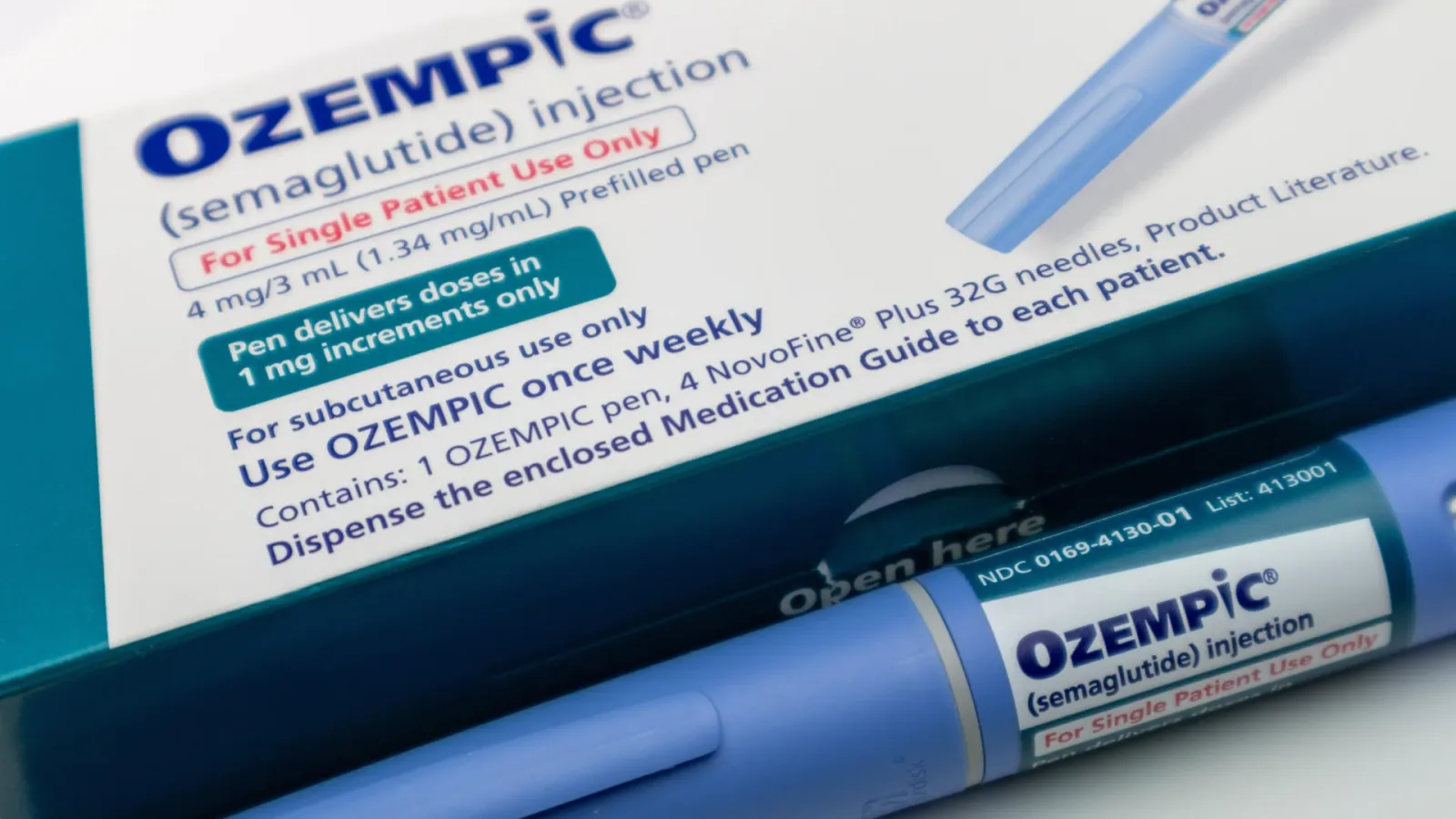
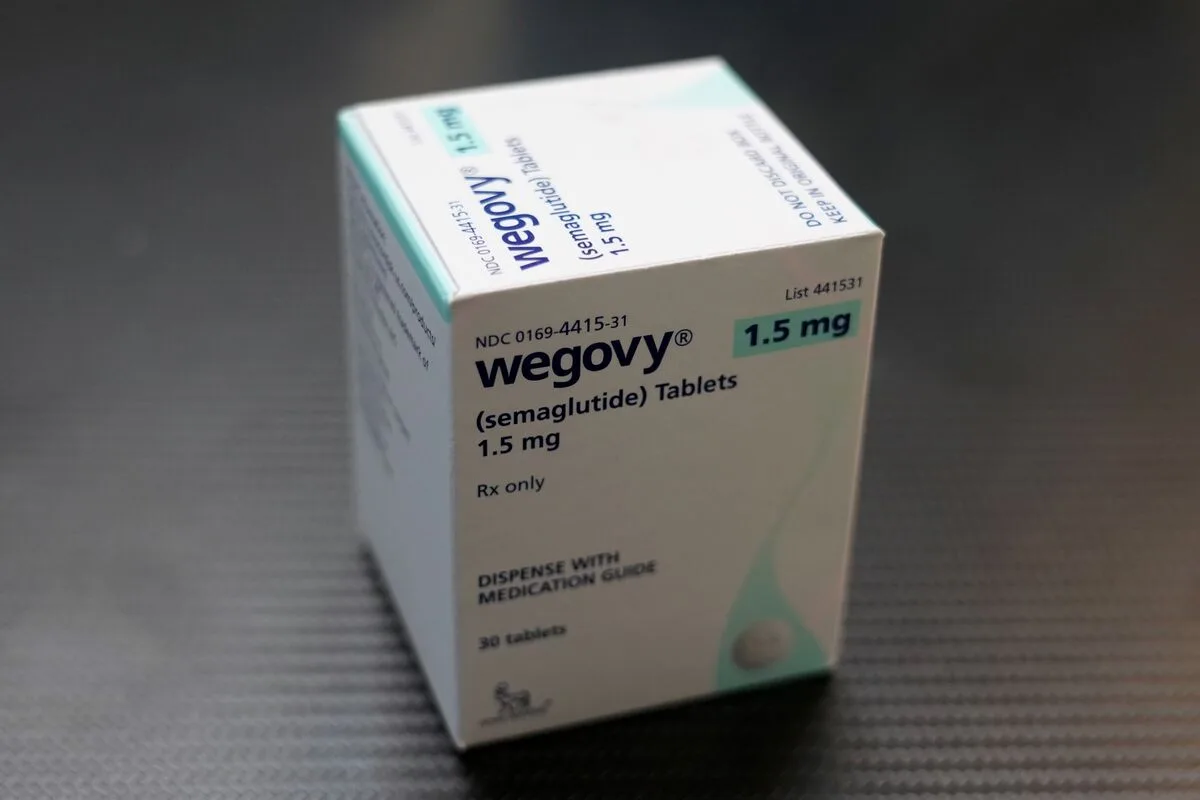
GLP-1 receptor agonists such as semaglutide (Ozempic, Wegovy) and tirzepatide (Mounjaro, Zepbound) have transformed weight management, delivering 15-20% body weight loss in clinical trials. Patients often experience reduced appetite, slower gastric emptying, and improved blood sugar control without the misery of traditional dieting. Yet, a growing body of evidence highlights a critical caveat: weight regain after stopping GLP-1 drugs is not only common but often swift and substantial.
This phenomenon, sometimes called the "Ozempic rebound," challenges the narrative of these medications as a straightforward solution. Far from a simple return to baseline, discontinuation can trigger metabolic adaptation, heightened hunger signaling, and erosion of cardio-metabolic benefits. Drawing from pivotal studies like STEP and SURMOUNT trials, this guide provides a comprehensive analysis for those on or considering GLP-1 therapy. We'll explore the mechanisms, clinical data, long-term risks, and practical strategies for sustainable weight maintenance after GLP-1s.
How GLP-1 Drugs Drive Weight Loss
GLP-1 medications mimic glucagon-like peptide-1 (GLP-1), an incretin hormone released in response to meals. In healthy physiology, GLP-1 signals the brain's hypothalamus to promote satiety, suppresses glucagon (reducing liver glucose output), and slows gastric emptying for prolonged fullness.
Semaglutide, a GLP-1 agonist, binds selectively to GLP-1 receptors. Weekly doses (e.g., 2.4 mg for Wegovy) yield peak effects lasting days. Tirzepatide is dual-acting, also targeting GIP receptors, enhancing insulin secretion and fat metabolism—explaining its edge in trials (up to 22.5% weight loss).
These drugs don't "fix" obesity's root causes like insulin resistance or poor sleep; they pharmacologically override hunger and digestion signals. When stopped, the body reverts, often overshooting baseline.
The Evidence: Rapid Weight Regain After Discontinuation
Key Clinical Trials
The STEP 1 trial extension (semaglutide 2.4 mg) followed 327 participants post-68 weeks of treatment. Those continuing semaglutide maintained losses; switchers to placebo regained two-thirds of lost weight (11.6% regain) by week 120. Hunger scores doubled, confirming pharmacological withdrawal.
SURMOUNT-4 (tirzepatide, n=670) was even more telling. After 36 weeks of 15 mg tirzepatide (21% loss), placebo switchers regained 14.8% body weight in 52 weeks—nearly half their progress erased—while continuers lost another 5.5%. A 2024 JAMA analysis pooled data: average regain 10-15% within a year off-drug.
Real-world data echoes this. A 2023 Danish study of 1,800 semaglutide users found 65% regained >5% weight post-discontinuation, with predictors including shorter treatment duration and inadequate lifestyle support.
Why So Fast? The Rebound Cascade
Upon cessation, GLP-1 levels plummet, unleashing ghrelin (hunger hormone) and accelerating gastric emptying. Patients report intense cravings, especially for high-calorie foods. Coupled with muscle loss (up to 40% of weight shed is lean mass), resting energy expenditure drops 5-10% more than expected from fat loss alone.
Metabolic Adaptation: The Hidden Cost of Weight Cycling
Metabolic adaptation—or adaptive thermogenesis—occurs when the body downregulates energy expenditure during weight loss to preserve survival. In calorie restriction, basal metabolic rate (BMR) falls 15-20%; GLP-1s amplify this via appetite suppression mimicking famine.
Precision tracking for your journey
Join thousands using Shotlee to accurately track GLP-1 medications and side effects.
📱 Get the Shotlee App
Track your GLP-1 medications, peptides, and health metrics on the go with our mobile app!
Studies like Minnesota Starvation Experiment (1940s) showed prolonged suppression lowers BMR and increases fat storage efficiency. Modern data from Biggest Loser contestants reveals BMR deficits persisting 6+ years. For GLP-1s, a 2024 Obesity review links weight cycling to:
- Lower BMR: 100-300 kcal/day reduction post-regain.
- Hormonal shifts: Leptin resistance worsens, ghrelin rises 20-30%.
- Fat repartitioning: Preferential abdominal fat regain, raising cardiometabolic risk.
This isn't "permanent ruin," but repeated cycles compound damage, making future loss harder. Women and those with lower BMI appear most susceptible.
Cardio-Metabolic Benefits Fade Fast
GLP-1s improve HbA1c (1-2%), blood pressure (-5 mmHg systolic), and lipids (triglycerides -20%). But STEP/SURMOUNT data show these reverse within months off-drug, reverting to pre-treatment levels or worse if regain exceeds baseline.
A 2023 meta-analysis in The Lancet warned: "Discontinuation without sustained behavior change risks net harm via weight cycling."
Strategies to Minimize Ozempic Rebound and Build Sustainability
Treatment Tapering and Monitoring
Abrupt stops worsen rebound; gradual titration (e.g., halve dose over 4-8 weeks) under medical supervision preserves some benefits. Track progress with apps like Shotlee, which logs symptoms, side effects, nutrition, and GLP-1 dosing for personalized insights.
Lifestyle Foundations for Long-Term Success
Evidence favors combining GLP-1s with:
- Protein-rich diet: 1.6-2.2g/kg body weight preserves muscle (e.g., eggs, lean meats, whey).
- Resistance training: 3x/week boosts BMR 5-7%, counters lean mass loss.
- High-fiber carbs: Oats, veggies mimic GLP-1 effects naturally.
- Sleep & stress management: 7-9 hours/night; cortisol spikes fuel regain.
Post-discontinuation, a maintenance phase with behavioral therapy yields 50% better retention (per LOOK AHEAD trial principles).
Who Should Consider Long-Term Use?
For obesity with comorbidities (T2D, CVD), indefinite use may justify benefits if tolerated. NICE guidelines endorse continuation if >5% loss sustained. Always weigh GI side effects (nausea 20-40%), pancreatitis risk (0.1-0.2%), and cost ($1,000+/month).
Conclusion
Weight regain after stopping Ozempic or similar GLP-1s is a predictable outcome of pharmacological intervention, not personal failure. Trials confirm 50-67% recapture within a year, driven by hunger rebound and metabolic adaptation. Yet, this doesn't negate their value—when paired with robust lifestyle changes, outcomes improve dramatically.
View GLP-1s as a bridge, not a cure. Prioritize muscle preservation, nutrient-dense eating, and tools like Shotlee for tracking to navigate discontinuation successfully. Consult your provider for tailored plans, ensuring metabolic health endures beyond the needle.