
Understanding GLP-1 Medications and Why Diet Matters
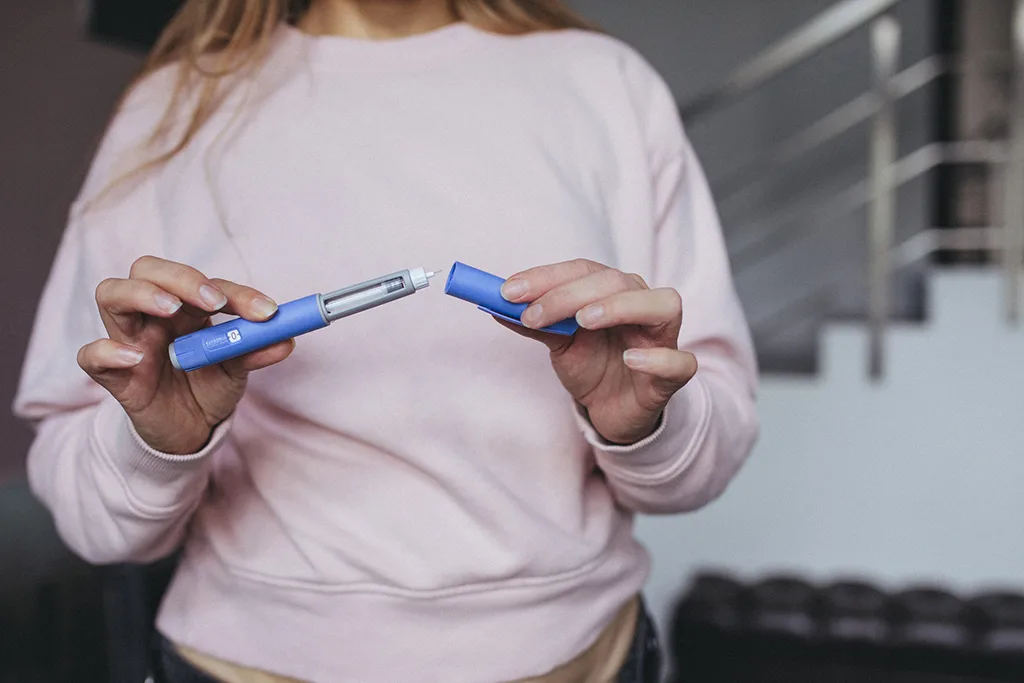
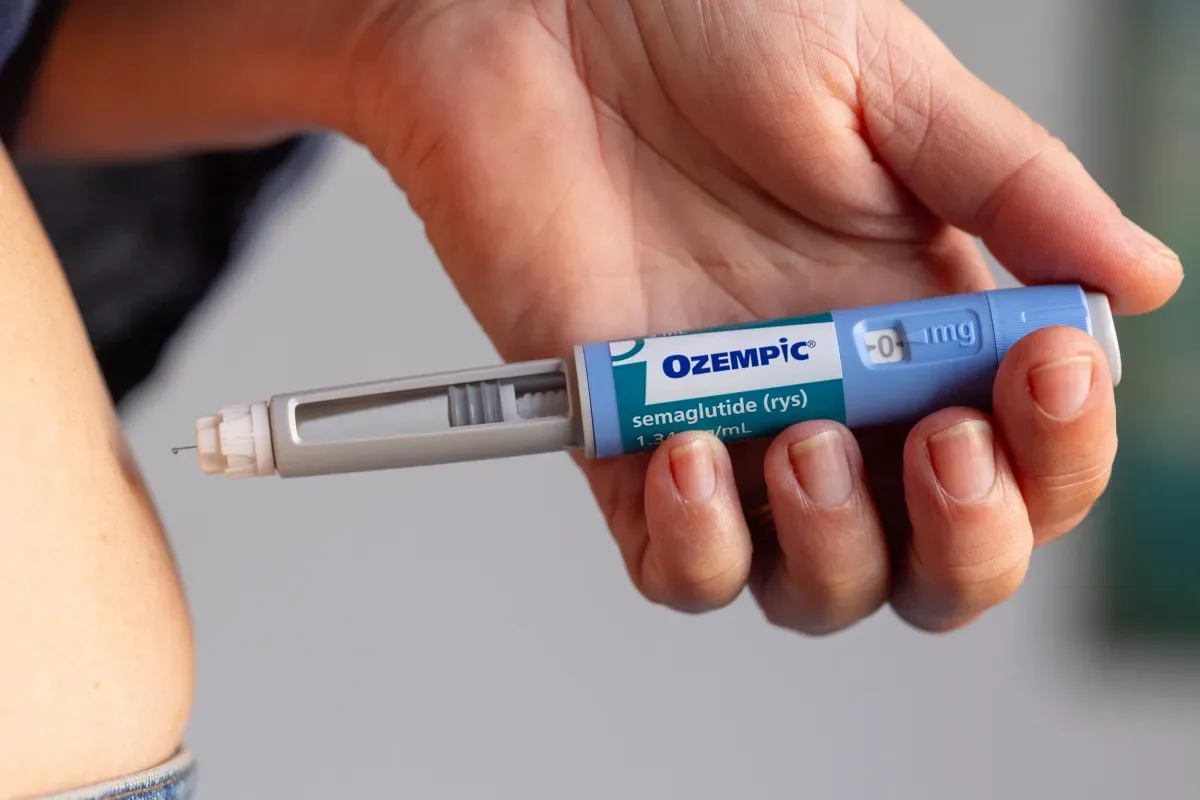
GLP-1 receptor agonists, such as semaglutide (Ozempic, Wegovy) and tirzepatide (Mounjaro, Zepbound), have transformed obesity and type 2 diabetes treatment. These injectable medications mimic the gut hormone glucagon-like peptide-1 (GLP-1), which regulates blood sugar, slows gastric emptying, and signals fullness to the brain via the hypothalamus. Clinical trials like the STEP program for semaglutide showed average weight loss of 15-20% over 68 weeks, while SURMOUNT trials for tirzepatide reported up to 22.5% loss—far superior to lifestyle alone.
However, these drugs aren't magic bullets. Without dietary support, weight regain is common upon discontinuation, as seen in follow-up data where 2/3 of lost weight returned within a year. A targeted GLP-1 diet amplifies benefits by nourishing the body, minimizing gastrointestinal (GI) side effects like nausea (affecting 44% of users initially), and preserving muscle mass during calorie deficits.
"The synergy of GLP-1s with high-protein, fiber-rich nutrition sustains satiety and metabolic adaptations, preventing yo-yo dieting." – Expert consensus from ADA guidelines.
How GLP-1s Work: The Science Behind Appetite Control
GLP-1s bind to receptors in the pancreas, boosting insulin release in response to meals while suppressing glucagon (which raises blood sugar). They also delay stomach emptying by 30-50%, reducing post-meal glucose spikes and hunger hormones like ghrelin. Tirzepatide, a dual GLP-1/GIP agonist, adds glucose-dependent insulinotropic polypeptide effects for enhanced fat metabolism.
This mechanism deadens 'food noise'—persistent cravings—but can cause GI distress if meals are heavy or processed. Nutrition must prioritize digestibility and nutrient density to support glucagon-like peptide-1 diet optimization.
Core Principles of Eating on Ozempic, Mounjaro & GLP-1s
1. Prioritize High-Quality Protein (1.6-2.2g/kg Body Weight)
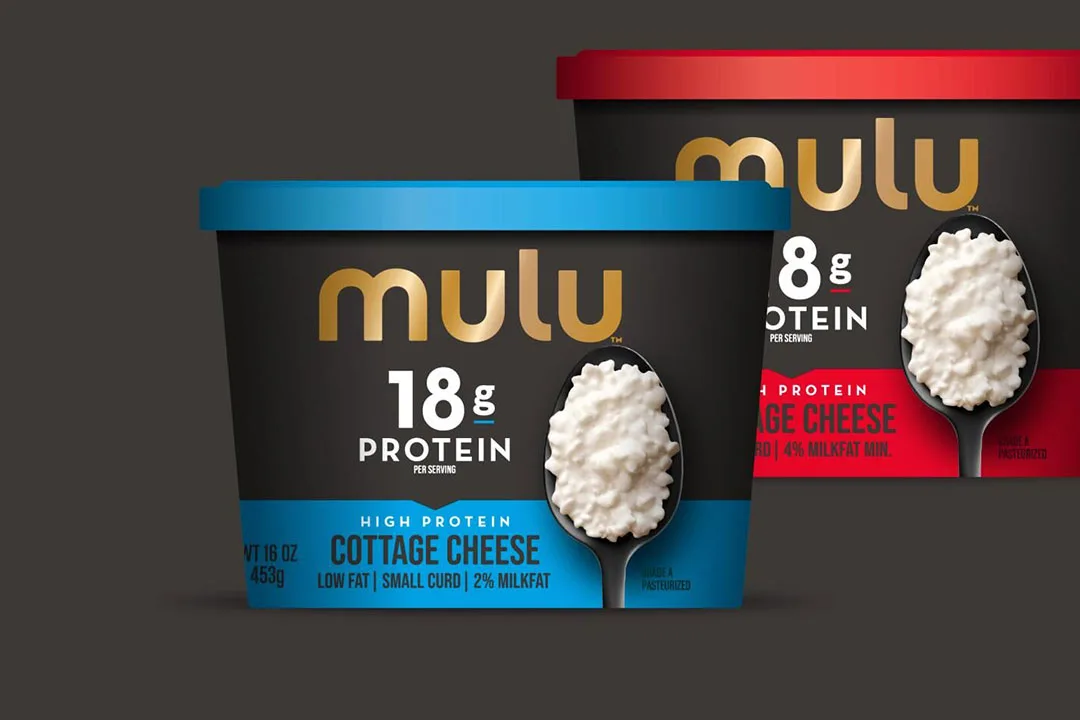
Protein preserves lean muscle (critical as GLP-1s can cause 40% of loss to be muscle) and boosts satiety via peptide YY release. Aim for 25-40g per meal. Studies in Obesity journal show high-protein diets on semaglutide double fat loss vs. standard carbs.
- Best sources: Eggs, Greek yogurt (plain, full-fat), chicken breast, turkey, salmon, tofu, lentils.
- Meal idea: Grilled salmon (30g protein) with steamed broccoli.
2. Embrace Healthy Fats for Hormone Balance
Fats slow digestion further, complementing GLP-1 effects, but choose anti-inflammatory ones to avoid nausea. Limit to 20-30% calories; avocados provide monounsaturated fats that support GLP-1 secretion naturally.
- Include: Olive oil, nuts (almonds, walnuts), fatty fish (omega-3s reduce inflammation), chia seeds.
- Avoid overload: Fried foods exacerbate delayed emptying.
3. Focus on Fiber-Rich, Low-Glycemic Carbs
High-fiber veggies and berries stabilize blood sugar without overwhelming the slowed gut. Soluble fiber (oats, psyllium) binds water, easing constipation—a common side effect.
- Top picks: Leafy greens (spinach, kale), zucchini, berries, quinoa.
- Portion tip: Half plate non-starchy veggies.
4. Hydration and Electrolytes: Non-Negotiable
GLP-1s reduce thirst signals; dehydration worsens fatigue. Drink 3-4L water daily, add electrolytes (sodium, potassium) from broths or LMNT packets.
Foods to Eat and Avoid on Semaglutide & Tirzepatide
| Category | Eat More (Why?) | Avoid/Limit (Why?) |
|---|---|---|
| Proteins | Lean meats, fish, eggs, legumes (satiety, muscle protection) | Processed meats (high fat triggers nausea) |
| Fats | Avocado, nuts, olive oil (steady energy) | Fried foods, butter-heavy dishes (GI upset) |
| Carbs | Berries, sweet potatoes, oats (fiber stabilizes glucose) | Bread, pasta, sugary cereals (blood sugar spikes) |
| Veggies | All non-starchy (volume without calories) | Gas-producing like broccoli if sensitive (bloating) |
| Beverages | Water, herbal tea, bone broth (hydration) | Soda, alcohol (dehydration, empty calories) |
Start meals with protein + veggies to maximize fullness, per Ozempic diet plan research.