
Roughly 1 in 8 American adults take GLP-1 medications for diabetes or weight loss, and use continues to grow, according to a recent KFF Health poll. As these drugs become a cornerstone of metabolic health management, pharmacists are a vital resource for patients navigating their complexities. The American Society of Health-System Pharmacists (ASHP) emphasizes that pharmacists—particularly those in hospitals, medical centers, and clinics working alongside physicians—are well-positioned to help patients get the most out of GLP-1 treatments, which are designed for long-term use and present unique management challenges compared to simpler medications like antibiotics or cholesterol drugs.
Understanding GLP-1 Medications and Their Challenges
GLP-1 receptor agonists, or GLP-1s, mimic the glucagon-like peptide-1 hormone to regulate blood sugar, slow gastric emptying, and reduce appetite. This dual action makes them effective for type 2 diabetes control and significant weight loss, often 15-20% of body weight in clinical trials. However, their injectable administration, weekly dosing schedules, and potential for gastrointestinal side effects set them apart from oral therapies, requiring specialized oversight.
"GLP-1s are more complicated than your typical antibiotic or medicines like cholesterol drugs, and they require particular expertise to manage effectively," said Martin Torres, PharmD, director of pharmacy at the University of California, Irvine. "With their medication management expertise, pharmacists are particularly equipped to counsel people on GLP-1s. Our guidance can help people maximize benefits and minimize the risks."
Why Pharmacists Are Essential for GLP-1 Success
Pharmacists' training in pharmacotherapy positions them uniquely to bridge gaps in patient care. Unlike primary care visits focused on diagnosis, pharmacy consultations delve into real-world application: adherence, interactions, and personalization. For GLP-1 users, this expertise is critical given the drugs' profile—high efficacy paired with barriers like cost (often $1,000+ monthly without insurance) and tolerability issues.
Three Key Areas Where Pharmacists Support GLP-1 Patients
The ASHP outlined three primary domains where health-system pharmacists deliver value, enhancing outcomes for diabetes management, weight loss, and cardiovascular risk reduction associated with GLP-1s.
Navigating Costs and Insurance Coverage
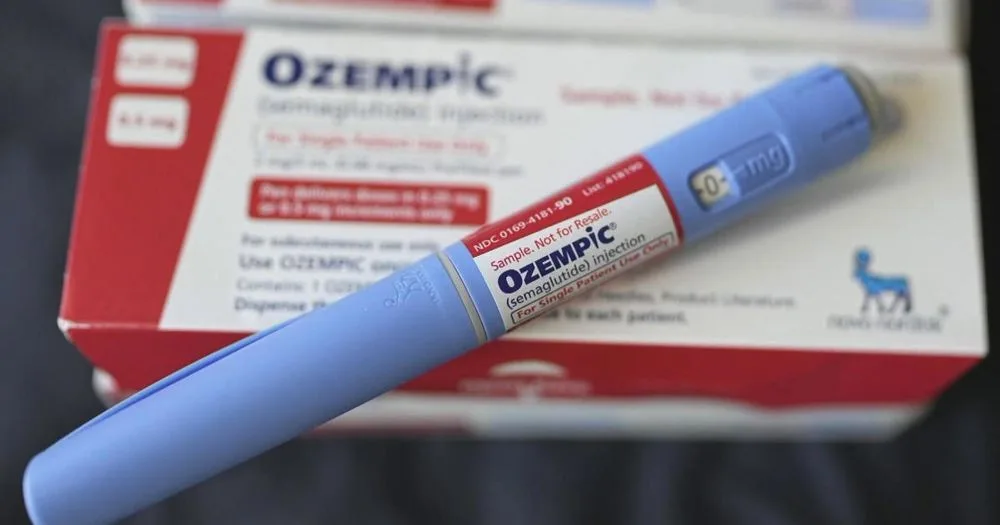
Cost remains a top barrier. Health-system pharmacists can help patients determine which GLP-1s their insurance plans cover—such as semaglutide (Ozempic, Wegovy) or tirzepatide (Mounjaro, Zepbound)—and identify the best-suited option based on clinical needs, like glycemic control versus weight loss priority. For uninsured patients, they guide access to drug-maker coupons, patient assistance programs, or compounded alternatives where legally available. This support can reduce out-of-pocket expenses by hundreds of dollars monthly, improving long-term adherence.
Precision tracking for your journey
Join thousands using Shotlee to accurately track GLP-1 medications and side effects.
📱 Get the Shotlee App
Track your GLP-1 medications, peptides, and health metrics on the go with our mobile app!
Ensuring Safe and Effective Use
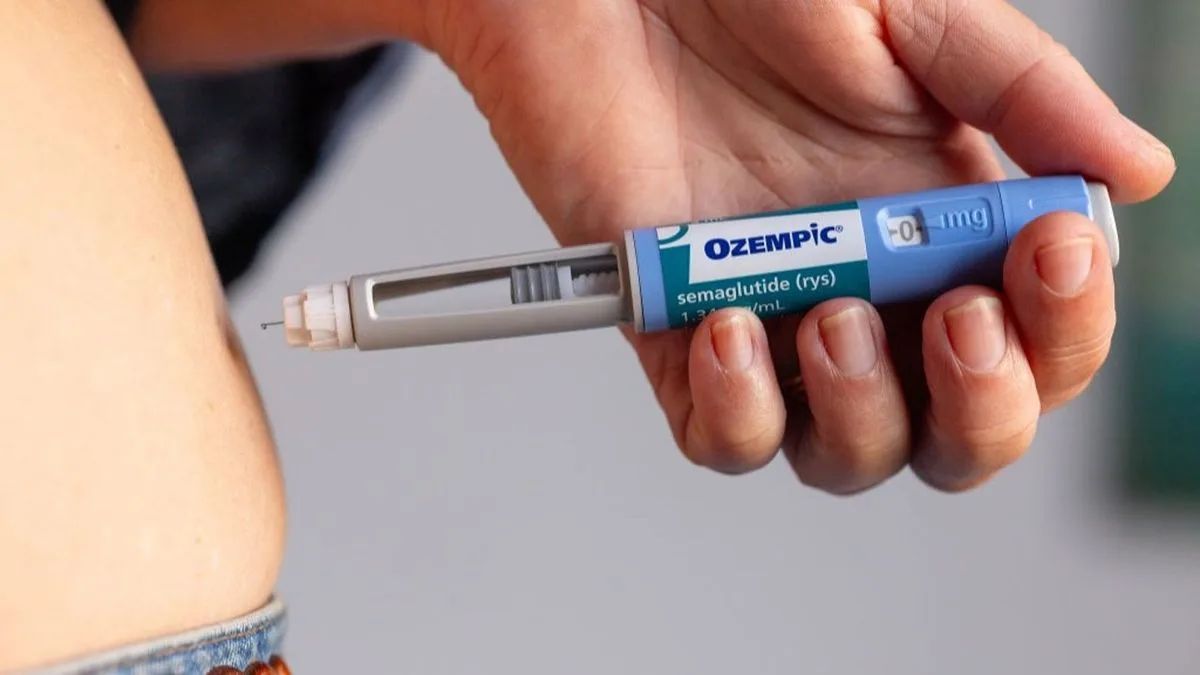
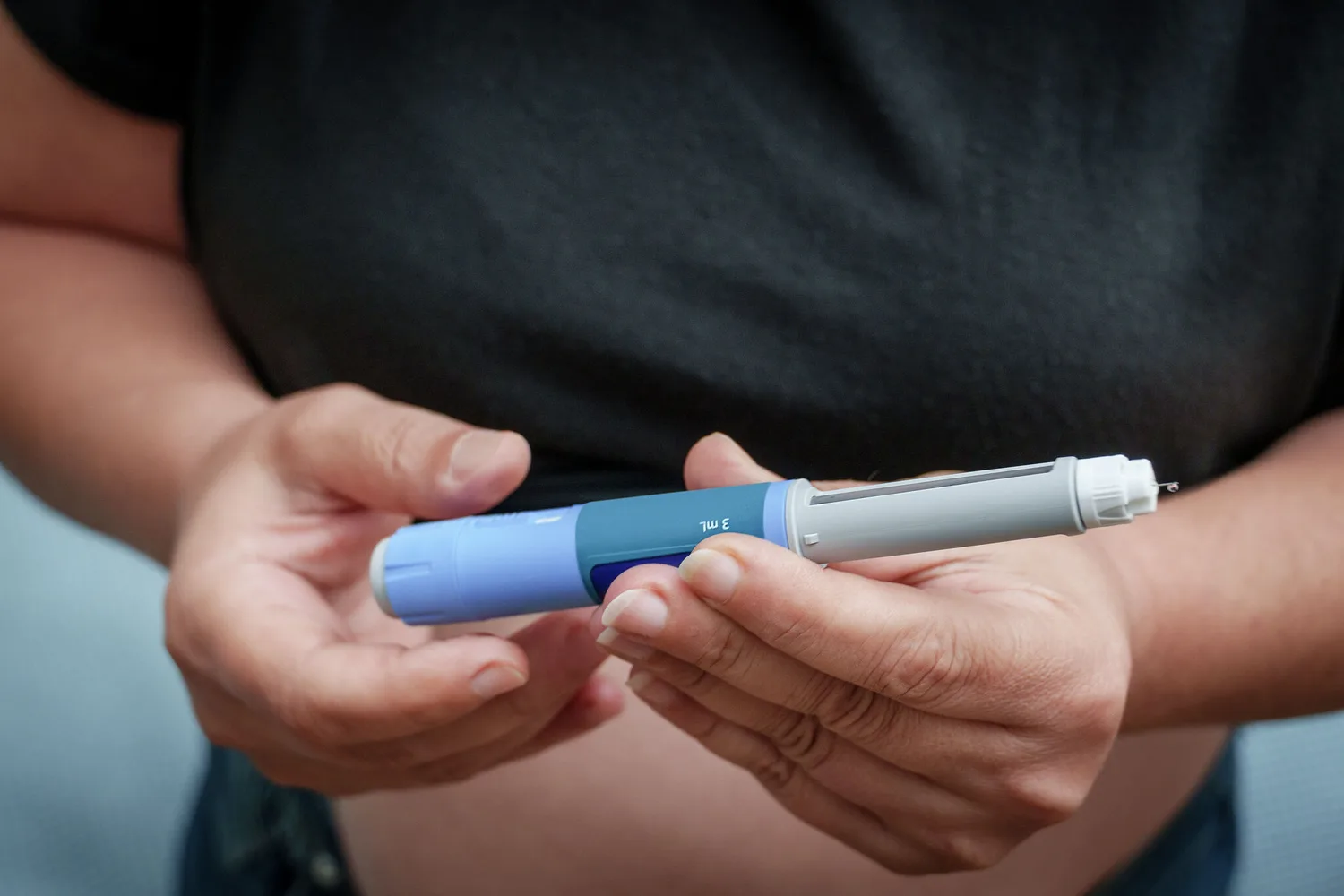
Safety is paramount with GLP-1s, which can interact with oral medications (delayed absorption due to slowed gastric emptying) or exacerbate conditions like gastroparesis. Pharmacists flag these risks, manage common side effects such as nausea, reflux, and constipation—often through dose titration or adjunct therapies like antiemetics—and collaborate with physicians on adjustments. They also teach proper administration: subcutaneous injection techniques, site rotation, and storage to prevent waste. Tools like the Shotlee app can complement this by helping patients track symptoms, side effects, and injection schedules for better pharmacist reviews during follow-ups.
Compared to alternatives like SGLT2 inhibitors or older weight loss drugs (e.g., phentermine), GLP-1s offer superior cardiovascular benefits but demand more vigilance for GI tolerance.
Promoting Sustainable Lifestyle Integration
A common misconception is that GLP-1s melt fat independently. In reality, they curb cravings, reduce calorie intake by 20-30%, and create a window for habit-building. Pharmacists provide ongoing counseling on balanced nutrition (high-protein, fiber-rich diets to combat constipation) and physical activity (150 minutes weekly moderate exercise), amplifying drug effects. This holistic approach addresses metabolic health comprehensively, reducing reliance on medication alone.
Tackling the High Dropout Rates in GLP-1 Therapy
Despite promise, at least half of patients who begin GLP-1 therapy stop within the first year, citing high costs, insurance hurdles, and side effects. Abrupt discontinuation risks rebound weight gain or glycemic spikes. Pharmacists intervene by identifying alternative drugs (e.g., switching from semaglutide to dulaglutide), sourcing affordable generics or biosimilars, explaining side effect management, recommending supportive medications (e.g., for nausea), and guiding gradual tapers. This proactive role can extend therapy duration, sustaining benefits like improved A1C levels and 10-15% sustained weight loss.
Key Takeaways: What This Means for Patients
- Leverage pharmacists early: Schedule a consult before or at GLP-1 initiation to cover insurance, technique, and expectations.
- Monitor and report: Track side effects diligently; pharmacists can adjust proactively.
- Combine with lifestyle: Use appetite suppression as a cue for healthier habits, not a substitute.
- Plan for persistence: Discuss dropout risks upfront; explore support programs.
- Who benefits most? Ideal for those with BMI ≥30, type 2 diabetes, or cardiovascular risks—but consult your doctor for personalization.
Conclusion: Partner with Pharmacists for Optimal GLP-1 Outcomes
GLP-1 medications represent a transformative option for metabolic health, but their success hinges on expert guidance. By addressing cost, safety, lifestyle, and retention challenges, pharmacists empower patients to achieve lasting results. Speak with your pharmacist today to optimize your GLP-1 journey and discuss integration with broader care plans like related topics in GLP-1 cardiovascular benefits or peptide therapies.