
The End of the Calorie Economy: A Seismic Shift in Food Consumption
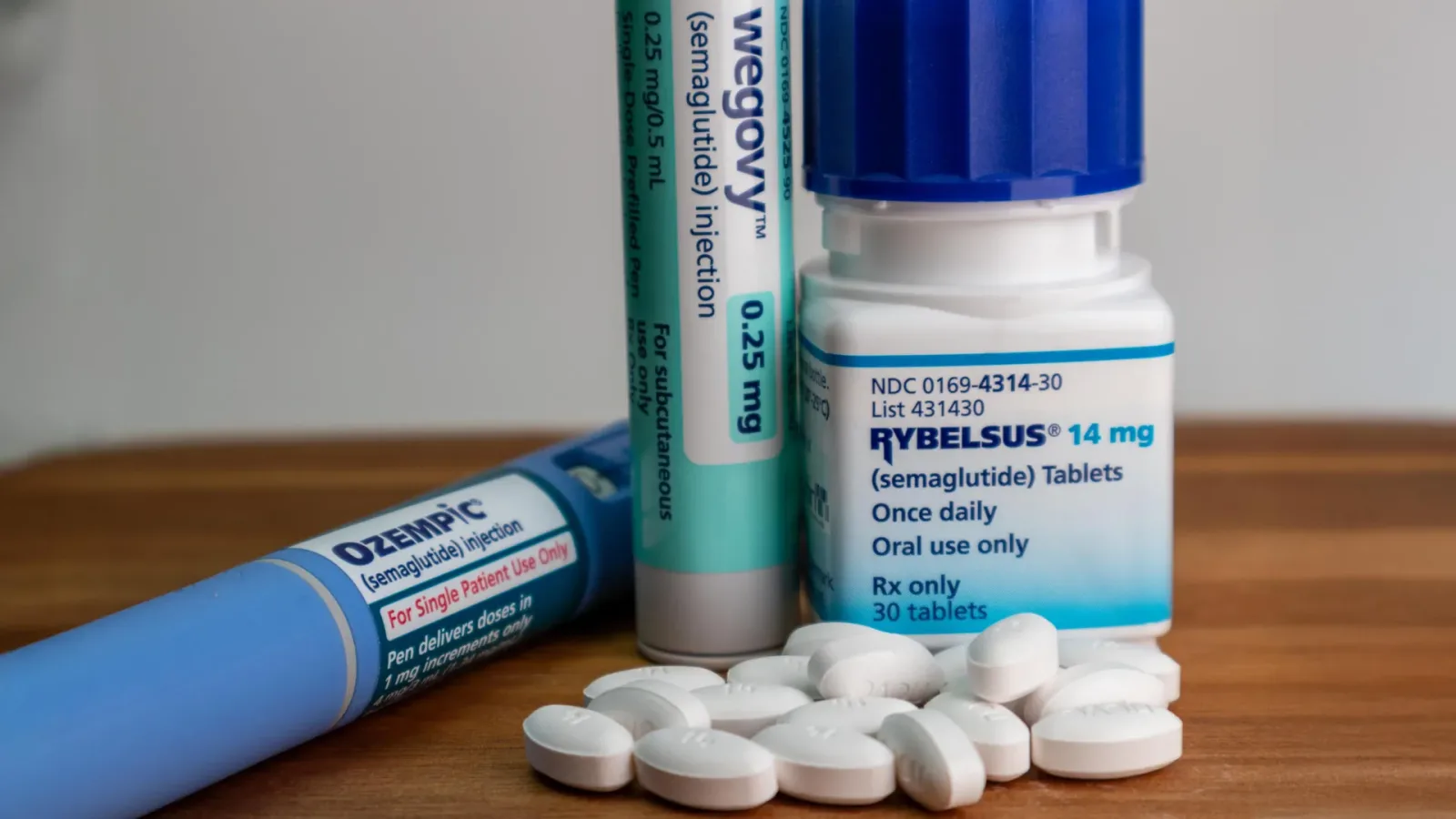
Just a few short years ago, many food manufacturers operated under a simple assumption: weight loss trends, even those driven by novel medications, would eventually fade. They planned to wait for users of GLP-1 drugs—like those containing semaglutide or tirzepatide—to complete their course, regain lost weight, and revert to familiar consumption patterns. That thinking, industry experts now confirm, is obsolete.
Gali Artzi, Chief Technology Officer at Tel Aviv-based foodtech investment firm PeakBridge, articulated this fundamental market change at the recent F&A Next Summit. She asserted that the industry is witnessing the definitive end of the traditional “calorie economy.” In its place rises the “performance nutrition economy,” driven by consumers who are more mindful, selective, and proactive about what they eat, both while on medication and during transition periods.
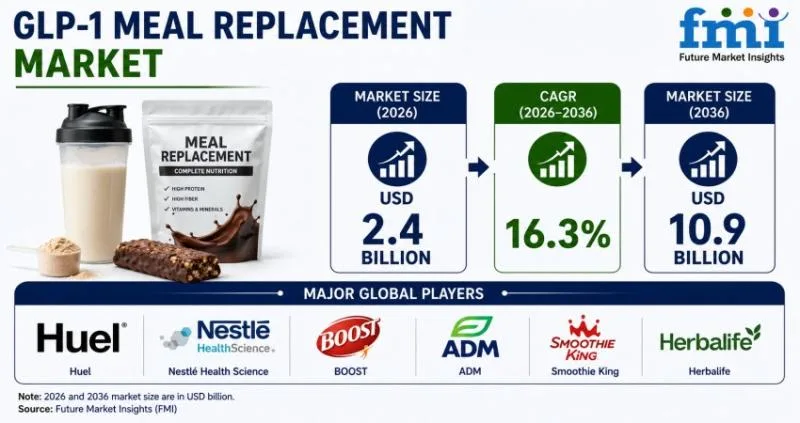
This shift is not marginal; it represents a massive economic realignment. The market for GLP-1-friendly nutritional products is currently estimated at approximately $62.2 billion. Projections indicate this segment is set to explode, potentially reaching $157.5 billion by 2035, underscoring the permanence of this consumer transformation.
The Rise of Companion Nutrition to Fill Dietary Gaps
One of the most immediate challenges for individuals taking GLP-1 medications is the significant reduction in overall caloric intake. On average, users experience an estimated 21% drop in annual calorie consumption. While weight loss is the primary goal, this drastic reduction often leads to unintended nutritional deficiencies.
Research indicates that a substantial portion of the weight lost while using these powerful drugs—between 25% and 40%—is lean muscle mass rather than just fat. This loss necessitates targeted nutritional support.
Addressing Micronutrient Deficiencies
As users prioritize nutrient density over sheer volume, specific micronutrients become critical. Artzi highlighted that GLP-1 users frequently face significant deficits in:
- Iron
- Vitamin D
- Calcium
- Other essential vitamins and minerals
This need is fueling the rapid growth of the ‘companion nutrition’ sector. Valued at roughly $4.1 billion in 2025, this segment is forecast to more than triple over the next decade, reaching $13 billion. The message for food producers is clear: “Every bite has to work harder for us,” as consumers move away from high-volume, low-nutrient items like savory snacks and sweet baked goods toward whole foods, fresh produce, and high-quality dairy like yogurt.
Navigating Consumer Confusion and Evolving Needs
The food industry is grappling with how to serve this new, highly informed consumer base. Maha Tahiri, CEO of food consultancy S2B and a former executive at major CPG companies, notes that this consumer is fundamentally different from those the industry has served for decades. “If your model is based on impulse and indulgence, you really need to review it,” Tahiri stated.
The Journey: Owning the Patient Experience
The strategic imperative for food and wellness companies is shifting from simply selling products to “owning the patient journey,” according to Artzi. This journey is complex because GLP-1 usage is rarely linear. Users frequently cycle on and off treatments due to side effects or life stage changes.
It is well-documented that common side effects like nausea, diarrhea, and vomiting can lead to significant adherence challenges. Studies suggest that nearly half of patients discontinue these medications within the first year, often leading to weight regain. Food brands that succeed will be those that offer support across this entire fluctuating continuum.
This evolution is leading to the integration of services alongside products. We are seeing increased investment in:
Precision tracking for your journey
Join thousands using Shotlee to accurately track GLP-1 medications and side effects.
📱 Get the Shotlee App
Track your GLP-1 medications, peptides, and health metrics on the go with our mobile app!
- Lifestyle coaching platforms.
- Telehealth partnerships.
- Curated nutritional programs and kits.
For those already tracking their health metrics, including medication timing and symptomatic responses, utilizing a dedicated platform like Shotlee can provide invaluable, personalized data to share with healthcare providers and nutritionists, ensuring dietary adjustments align perfectly with treatment phases.
Adapting Formats and Messaging
Adaptation doesn't always require radical innovation; sometimes, simple rebranding works. Updating packaging to clearly signal suitability for GLP-1 users can be an effective first step. However, new challenges demand novel solutions. Tahiri emphasized the need for tailored formats, noting, “You don’t give a baby of 4-6 months and a toddler the same food.”
In response to fluctuating appetite and tolerance, food makers are experimenting with:
- Microportions: Smaller, nutrient-dense serving sizes.
- Liquid/Semi-liquid Solutions: Easier-to-tolerate formats for times of high nausea or low appetite.
| Factor | Traditional Food Model | GLP-1 Companion Nutrition Model |
|---|---|---|
| Core Focus | Calorie Volume & Indulgence | Nutrient Density & Performance |
| Consumer Need | Impulse Buying | Targeted Supplementation/Support |
| Market Projection (2035) | Stagnant/Declining Growth | Projected $157.5 Billion Market |
| R&D Priority | Flavor/Shelf Life | Addressing Lean Mass Loss & Deficiencies |
The New Marketing: Science, AI, and Normalization
In the information vacuum created by rapid medical advancements, consumers are turning to new sources for dietary advice. Tahiri pointed out that Artificial Intelligence platforms like ChatGPT and Claude are becoming major influencers in nutrition.
This trend elevates the importance of foundational research. Tahiri’s firm is developing tools to track what GLP-1 users are asking AI platforms about diet, noting that current AI responses draw from a wide array of sources, creating a significant opportunity for SMEs that deeply understand consumer needs.
“R&D is the new marketing,” Tahiri concluded. Companies that invest in “real science, real work [and] depth in how you really understand the consumer from an R&D perspective” will gain a competitive edge.
Shifting the Narrative: From Prescription to Lifestyle
Artzi emphasized that successful brands will normalize the use of GLP-1s, treating them less as a temporary medical intervention and more as a long-term lifestyle adjustment. This is reflected in mainstream advertising efforts, such as Novo Nordisk’s recent Super Bowl campaign for Wegovy, which featured celebrities to destigmatize the treatment.
The era of clinical, doctor-focused messaging (“Talk to your doctor about...”) is giving way to relatable, lifestyle-oriented communication, signaling that these medications are becoming integrated into mainstream wellness strategies.
Practical Takeaways for the Evolving Consumer
For individuals navigating therapy with semaglutide or tirzepatide, understanding this market shift means being proactive about nutrition:
- Prioritize Protein and Micronutrients: Since appetite is suppressed, ensure every meal contains high-quality protein to preserve lean muscle mass.
- Track Symptoms and Intake: Use digital tools to log side effects (nausea, appetite changes) alongside food intake. This data is crucial for optimizing diet and discussing dosage adjustments with your physician.
- Prepare for Changes: Acknowledge that your dietary needs will fluctuate based on your current dosage and tolerance level. Keep nutrient-dense, easy-to-consume options on hand for difficult days.
Conclusion
The advent of GLP-1 agonists has irrevocably altered the landscape of weight management and, consequently, the global food industry. The passive approach of waiting for consumers to return to old habits is dead. In its place is a dynamic, science-driven “performance nutrition economy” focused on precision, support, and long-term wellness. For both consumers and producers, the mandate is clear: adapt to a future where every calorie must serve a specific, measurable health purpose.