
The GLP-1 Revolution and an Unforeseen Side Effect
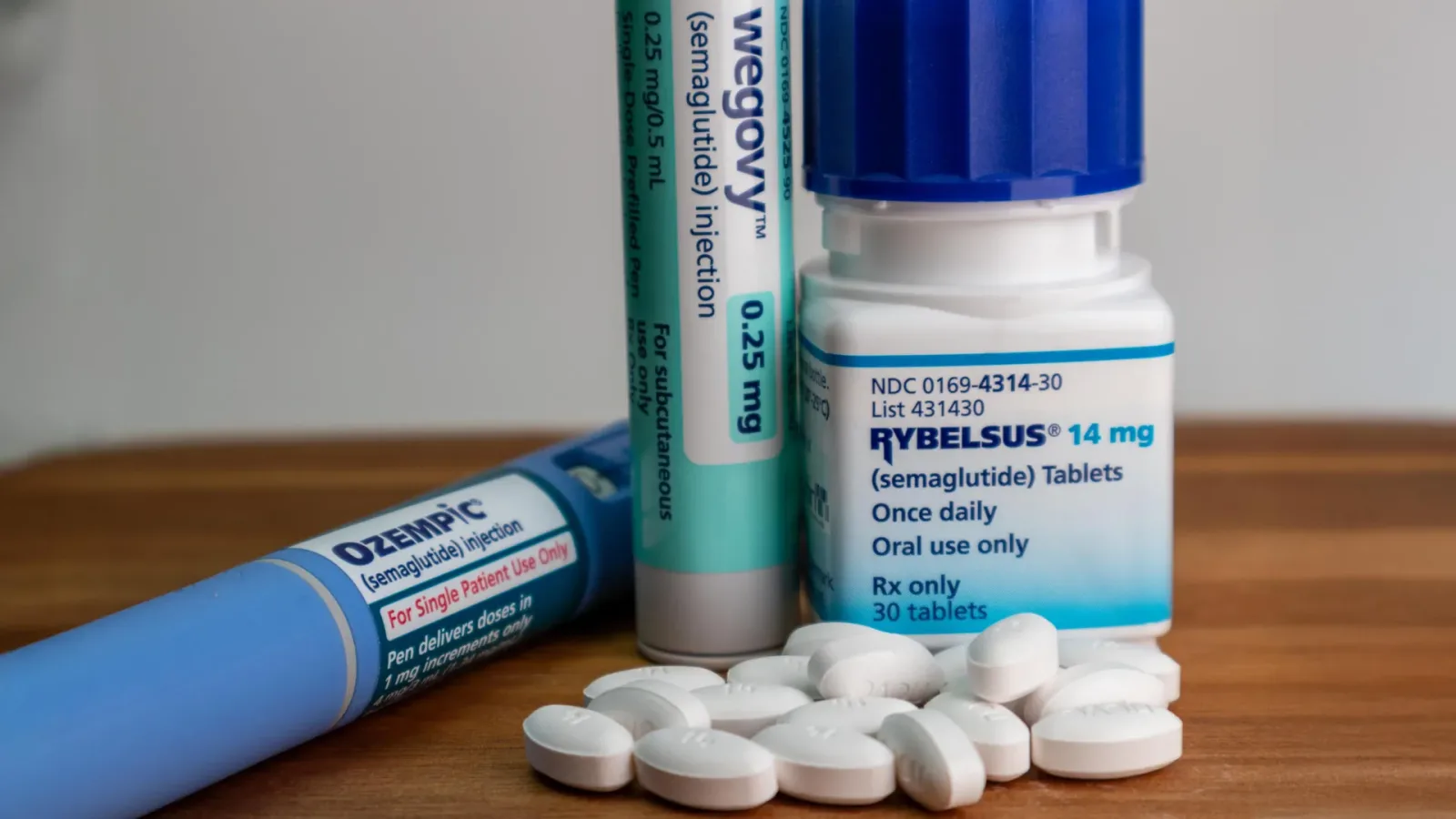
The advent of Glucagon-Like Peptide-1 (GLP-1) receptor agonists has undeniably revolutionized the landscape of weight management and type 2 diabetes treatment. Medications such as semaglutide (marketed as Ozempic for diabetes and Wegovy for weight loss) and tirzepatide (Mounjaro for diabetes, Zepbound for weight loss) have demonstrated remarkable efficacy in helping individuals achieve significant weight loss and improve metabolic health. However, beyond the primary therapeutic benefits, these powerful drugs appear to be influencing consumer behavior in unexpected ways. Recent observations, particularly following the introduction of these medications in markets like India, have pointed to a notable surge in the sales of vitamin supplements.
This phenomenon raises intriguing questions: Is there a direct link between taking GLP-1 medications and the increased demand for vitamins? What might be driving this trend, and what does it mean for individuals navigating their health journey with these treatments? At Shotlee, we believe understanding these connections is crucial for a holistic approach to wellness and effective health tracking.
Why the Sudden Interest in Vitamins? Potential Contributing Factors
While the exact causal relationship is complex and likely multifactorial, several plausible explanations emerge for the observed increase in vitamin supplement sales alongside GLP-1 medication use:
1. Enhanced Nutritional Awareness and Health Focus
Embarking on a weight loss journey, especially one facilitated by potent medications, often heightens an individual's overall focus on health and well-being. As people become more invested in their bodies' responses and long-term health outcomes, they tend to pay closer attention to their nutritional intake. This heightened awareness can lead to a re-evaluation of their diet and a proactive search for ways to optimize nutrient absorption and combat potential deficiencies. Vitamins and minerals are often seen as foundational elements of good health, making them a natural area of interest.
2. Addressing Potential Nutrient Gaps
GLP-1 medications can lead to significant changes in eating patterns. Reduced appetite and altered food preferences, while beneficial for weight loss, can sometimes result in a less varied diet. This can, in turn, create potential gaps in essential nutrient intake. Individuals might worry about not getting enough of certain vitamins or minerals from their food alone and turn to supplements as a precautionary measure. For example, if someone is eating less protein or fewer fruits and vegetables, they might consider supplements for B vitamins, vitamin D, or minerals like iron or magnesium.
3. Managing Side Effects and Enhancing Well-being
While generally well-tolerated, GLP-1 medications can have side effects, such as nausea, fatigue, or gastrointestinal discomfort. Some individuals may explore vitamin supplements as a way to potentially alleviate these symptoms or boost their energy levels. For instance, B vitamins are often associated with energy metabolism, and some people might take them hoping to combat fatigue. Others may seek out antioxidants to support overall cellular health or immune-boosting vitamins during this period of physiological change.
4. The Influence of Social Media and Information Dissemination
The digital age, particularly social media, plays a significant role in shaping health trends and consumer behavior. Information, both accurate and anecdotal, about GLP-1 medications and their effects spreads rapidly online. This includes discussions about diet, exercise, and supplementation. Influencers, online communities, and health forums can create buzz around certain vitamins or supplements, encouraging their use among individuals taking GLP-1 drugs, even if the scientific evidence for specific benefits in this context is still emerging.
5. A Proactive Approach to Long-Term Health
For many, weight loss is not just about shedding pounds but about improving long-term health markers and reducing the risk of chronic diseases. This forward-thinking approach often involves a comprehensive strategy that includes medication, diet, exercise, and targeted supplementation. Vitamins and minerals are perceived as crucial for supporting metabolic function, bone health, and overall vitality, making them an integral part of a holistic health regimen aimed at sustained well-being.
Precision tracking for your journey
Join thousands using Shotlee to accurately track GLP-1 medications and side effects.
📱 Get the Shotlee App
Track your GLP-1 medications, peptides, and health metrics on the go with our mobile app!
Understanding the Role of Specific Nutrients
While the surge in vitamin sales is broad, certain nutrients are likely to be of particular interest to individuals on GLP-1 therapy:
- B Vitamins (e.g., B12, Folate): Crucial for energy metabolism and red blood cell formation. Reduced food intake could potentially impact levels.
- Vitamin D: Essential for bone health and immune function. Often linked to overall well-being and mood.
- Iron: Important for oxygen transport and energy. Dietary changes might necessitate monitoring.
- Magnesium: Involved in numerous bodily functions, including muscle and nerve function, and blood sugar control.
- Electrolytes (e.g., Potassium, Sodium): Important for hydration and bodily fluid balance, especially if experiencing gastrointestinal changes.
The Importance of Informed Supplementation
It is crucial to emphasize that while increased vitamin sales are an interesting trend, self-prescribing supplements without professional guidance can be counterproductive or even harmful. The decision to supplement should always be made in consultation with a healthcare provider or a registered dietitian.
“The goal is not just to lose weight, but to achieve sustainable health. This involves a balanced approach that considers medication, nutrition, and lifestyle. Supplements can play a role, but they must be part of a personalized plan, not a substitute for essential dietary habits or medical advice.”
– Dr. Anya Sharma, Nutritional Medicine Specialist
Healthcare professionals can assess individual nutritional status, identify potential deficiencies, and recommend appropriate supplements at the correct dosages. They can also advise on potential interactions between supplements and GLP-1 medications.
Tracking Your Health Journey with Shotlee
For individuals managing their health with GLP-1 medications, meticulous tracking is key to understanding their body's response and optimizing their treatment plan. Shotlee can be an invaluable tool in this process. By logging:
- Medication Doses and Timings: Ensuring adherence and monitoring for any reactions.
- Dietary Intake: Identifying potential nutrient gaps and understanding how food choices affect well-being.
- Symptom Tracking: Recording any side effects or improvements, which can help in adjusting treatment or diet.
- Supplement Usage: Keeping a record of all supplements taken, their dosages, and when they are taken.
- Biometric Data: Monitoring weight, blood sugar levels, and other relevant health metrics.
This comprehensive data allows individuals and their healthcare providers to make informed decisions, personalize treatment strategies, and ensure that all aspects of their health are being addressed effectively. Understanding the interplay between medication, diet, and supplementation is vital, and robust tracking makes this possible.
Conclusion: A Holistic View of Wellness
The surge in vitamin supplement sales following the widespread adoption of GLP-1 medications like Ozempic, Wegovy, Mounjaro, and Zepbound is a compelling indicator of a broader shift towards proactive health management. While these medications offer powerful benefits for weight loss and metabolic health, they also prompt individuals to scrutinize their nutritional intake and overall well-being more closely. This trend underscores the importance of a holistic approach to health, where medication, diet, exercise, and informed supplementation work in synergy. By staying informed, consulting with healthcare professionals, and utilizing tools like Shotlee for diligent tracking, individuals can navigate their health journey with confidence and achieve their wellness goals effectively.
Frequently Asked Questions (FAQs)
- Q1: Is it common to need vitamin supplements when taking GLP-1 medications?
- While not universally required, it's not uncommon for individuals on GLP-1 medications to consider vitamin supplements. This is often due to potential changes in appetite and dietary intake that might lead to nutrient gaps. Consulting a doctor is essential to determine individual needs.
- Q2: Can vitamins help with common GLP-1 side effects like nausea or fatigue?
- Some individuals explore vitamins like B vitamins for energy or specific nutrients for digestive support. However, the effectiveness varies greatly by person, and these should not be seen as a primary treatment for side effects. Always discuss with your healthcare provider before using supplements for symptom management.
- Q3: Are there any specific vitamins that are particularly important when losing weight with GLP-1s?
- Key nutrients to consider include B vitamins for energy metabolism, Vitamin D for bone health and mood, and minerals like iron and magnesium, which are vital for numerous bodily functions. However, the need for any specific vitamin should be assessed by a healthcare professional based on your diet and individual health status.
- Q4: How can I track my supplement intake alongside my GLP-1 medication?
- Tools like Shotlee are excellent for this. You can log all your medications, supplements, their dosages, and timings in one place. This not only helps you stay organized but also provides valuable data to share with your doctor to ensure a safe and effective regimen.
- Q5: Should I inform my doctor about all the supplements I'm taking?
- Absolutely. It is crucial to inform your doctor about every supplement you are taking, including vitamins, minerals, and herbal remedies. This allows them to check for potential interactions with your GLP-1 medication or other health conditions and ensure your overall treatment plan is safe and optimized.