
The Rise of GLP-1 and Its Impact on Nutrition Choices
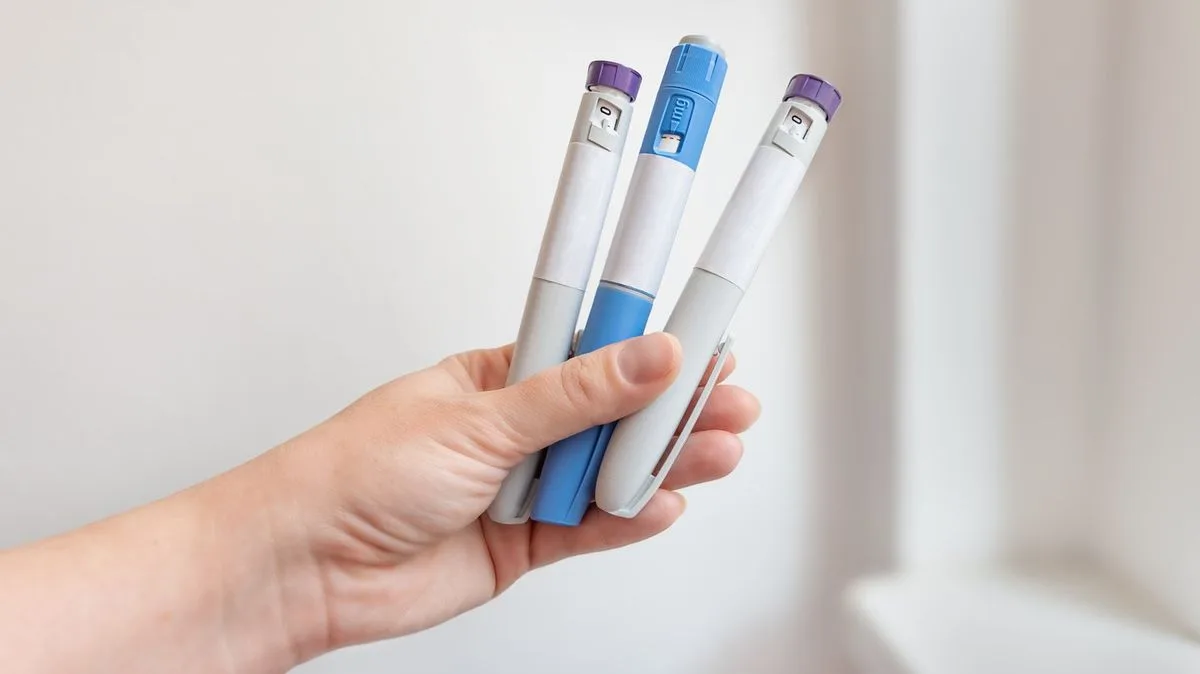
The landscape of weight management and metabolic health is rapidly evolving, largely influenced by the advent and widespread adoption of GLP-1 receptor agonists. Medications such as semaglutide (Ozempic, Wegovy) and tirzepatide (Mounjaro) have revolutionized how individuals approach weight loss and blood sugar control. As these powerful therapeutic tools become more accessible, they are fundamentally reshaping consumer eating habits and, consequently, the market for nutritional support products. Future Market Insights (FMI) reports a significant acceleration in the global GLP-1 meal replacement market, a trend directly correlated with the expanding use of these medications.
This burgeoning market is not merely a byproduct of pharmaceutical innovation; it reflects a deeper consumer desire for convenient, nutrient-dense, and highly functional food options. Individuals undergoing treatment with GLP-1 medications often experience reduced appetite and a need for smaller, more frequent, and nutritionally complete meals. This has created a fertile ground for meal replacement products that are specifically formulated to meet these unique dietary needs, offering structured support for weight management and overall health.
Understanding the GLP-1 Meal Replacement Market Dynamics
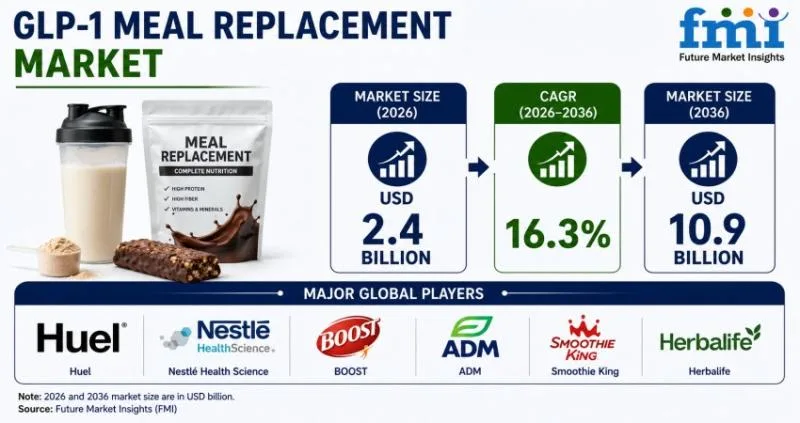
The global GLP-1 meal replacement market is on a trajectory of impressive growth. FMI forecasts the market to expand from an estimated USD 2.4 billion in 2026 to a staggering USD 10.9 billion by 2036, reflecting a compound annual growth rate (CAGR) of 16.3% over the decade. This substantial expansion is underpinned by several key factors:
Key Growth Drivers
- Expanding GLP-1 Medication Usage: The primary catalyst is the increasing prescription and self-administration of GLP-1 agonists for weight management and type 2 diabetes. These medications effectively manage appetite, leading users to seek convenient and appropriate dietary alternatives.
- Demand for Nutrient-Dense Convenience: Consumers are actively seeking out meal replacements that are not only easy to prepare and consume but also packed with essential nutrients. This aligns with the need for calorie-controlled diets that still provide adequate vitamins, minerals, and macronutrients.
- Structured Weight-Management Support: Meal replacements are increasingly viewed as integral components of structured weight-management programs. They offer predictable calorie and nutrient intake, aiding in portion control and consistent dietary adherence, which are crucial for success with GLP-1 therapies.
- Innovation in High-Protein Formulations: There is a pronounced demand for products rich in protein. High-protein formulations are favored for their ability to promote satiety, preserve lean muscle mass during weight loss, and contribute to a balanced nutritional profile.
- Digestive Support and Tolerance: As individuals adjust to GLP-1 medications, digestive comfort becomes paramount. The market is seeing innovation in formulations that are gentle on the stomach and designed to minimize potential gastrointestinal side effects.
- Clinically Adjacent Wellness Products: Brands are developing products that are not just food items but are positioned as wellness solutions. These are often designed for structured daily use, integrating seamlessly into the lifestyle of someone managing their health with GLP-1 therapy.
Market Snapshot: Key Segments
The market is segmented by product type, nutritional focus, consumer stage, distribution channel, and pack format, each revealing specific consumer preferences and market strengths:
| Metric | 2026 Value | 2036 Forecast | CAGR (2026-2036) |
|---|---|---|---|
| Global Market Size | USD 2.4 billion | USD 10.9 billion | 16.3% |
| Leading Product Type: Ready-to-drink Shakes | 31.0% Share | N/A | N/A |
| Leading Nutritional Focus: High Protein | 34.0% Share | N/A | N/A |
| Incremental Opportunity (2026-2036) | N/A | USD 8.5 billion | N/A |
Navigating Challenges and Embracing Opportunities
Despite the robust growth, the GLP-1 meal replacement market is not without its hurdles. A significant challenge lies in the category definition and labeling ambiguity. The absence of standardized frameworks for GLP-1-specific nutrition can lead to confusion for consumers and create opportunities for brands to misrepresent their products. Building and maintaining consumer trust is paramount, especially when conventional meal replacements are rebranded without substantial formulation differentiation. Furthermore, the pressure to deliver repeat-use performance, focusing on tolerance, satiety, and practical daily usability, is intense. The market is also characterized by increasing competitive intensity, with a rapid influx of brands from the wellness, nutrition, and supplement sectors.
However, these challenges are met with significant opportunities. The demand for high-protein ready-to-drink (RTD) shakes remains exceptionally strong, offering a convenient and portable nutrition solution. There's a growing focus on digestive-support nutrition, catering to the need for GI comfort and tolerance. The expansion of pharmacy-adjacent retail and wellness channels presents a strategic avenue for brands to reach consumers seeking health-focused products. Moreover, subscription and direct-to-consumer (DTC) models are proving effective in building customer loyalty and providing personalized nutrition bundles. Emerging markets in East Asia, with a preference for smaller-format and premium wellness-positioned products, also represent a significant growth frontier.
Regional Dominance and Emerging Markets
North America, particularly the United States, is projected to maintain its position as the largest market for GLP-1 meal replacements through 2036. This dominance is attributed to high GLP-1 adoption rates, a well-established wellness retail infrastructure, and active participation from nutrition brands. The US market benefits from robust obesity-care spending and a culture of innovation in dietary solutions.
Precision tracking for your journey
Join thousands using Shotlee to accurately track GLP-1 medications and side effects.
📱 Get the Shotlee App
Track your GLP-1 medications, peptides, and health metrics on the go with our mobile app!
Beyond North America, other regions are showing considerable promise:
- United Kingdom: A mature DTC nutrition ecosystem facilitates rapid commercialization and adoption of new products.
- Germany: Strong demand for premium nutrition and the integration of GLP-1 supportive options into pharmacy-adjacent channels are driving adoption.
- Japan: A preference for smaller-format meals and convenience-led consumption patterns are shaping the evolution of the market.
- South Korea: The growth of functional wellness retail and a strong inclination towards premium nutrition positioning are accelerating demand.
The Competitive Landscape and Strategic Imperatives
The competitive arena is dynamic, featuring both established nutrition giants and agile emerging wellness brands. Success hinges on a combination of factors: superior formulation quality, unparalleled convenience, and credible, clinically adjacent positioning. Companies are focusing on developing high-protein and digestive-support meal replacements, expanding their RTD and complete-meal portfolios, and integrating with DTC subscription models and broader wellness ecosystems. Strengthening partnerships with pharmacy, clinical, and wellness channels is also a key strategy.
For individuals using GLP-1 medications, tracking their progress, understanding their nutritional intake, and managing doses can be complex. Tools like Shotlee can be invaluable in this journey, allowing users to log meals, monitor symptoms, and record medication schedules, thereby providing a comprehensive overview of their health journey. This data-driven approach can empower users to make informed decisions and optimize their treatment outcomes.
Key Companies and Recent Developments
Major players and innovative growth brands contributing to this market include Huel, Nestlé Health Science, BOOST, ADM, Smoothie King, and Herbalife. Recent industry developments highlight this active engagement:
- Nestlé Health Science launched a comprehensive GLP-1 nutrition support platform in June 2024.
- ADM introduced over 25 GLP-1 supportive nutrition concepts in October 2024, showcasing a strong commitment to this niche.
- Huel has expanded its offerings with GLP-1 companion packs and structured nutrition bundles, catering specifically to this user base.
- BOOST launched its BOOST Advanced Nutritional Shake in June 2025, explicitly designed for adults on GLP-1 programs.
Practical Takeaways for Consumers and Brands
For consumers navigating the world of GLP-1 medications and meal replacements, prioritizing products that are:
- Nutrient-dense and high in protein: To support satiety and muscle health.
- Convenient and easy to consume: Fitting seamlessly into a busy lifestyle.
- Digestive-friendly: Minimizing potential discomfort.
- Transparently labeled: Clearly stating ingredients and nutritional benefits.
For brands, the strategic imperative is clear: focus on clinically informed nutrition, realistic product positioning, and demonstrable repeat-use convenience. Innovations in high-protein RTD formats and digestive-supportive formulations will likely lead the market. Integrating with wellness channels and offering personalized nutrition solutions through DTC models will be key to capturing and retaining market share.
Conclusion: A Synergistic Future for GLP-1 and Nutrition
The synergy between GLP-1 medications and the meal replacement market is undeniable and poised for continued growth. As GLP-1 therapies become more integrated into mainstream weight management and metabolic health strategies, the demand for specialized, convenient, and effective nutritional support will only intensify. Brands that can offer high-quality, scientifically-backed, and consumer-centric meal replacement solutions will be well-positioned to thrive in this rapidly expanding market. For individuals, understanding these trends can lead to better choices that support their health goals and enhance their journey with GLP-1 therapies.