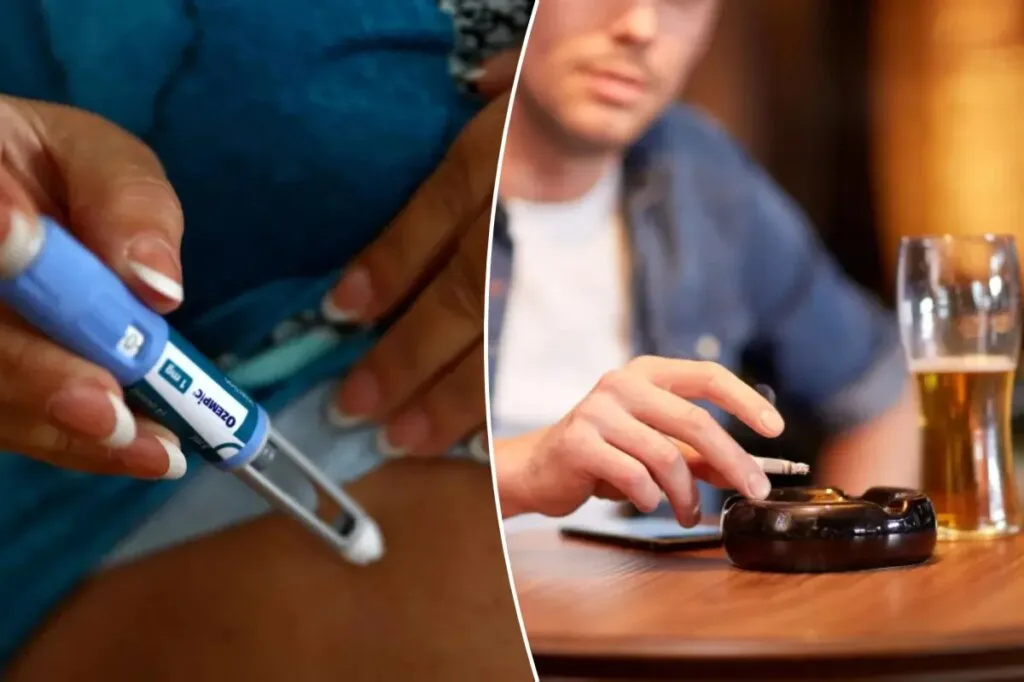

Ozempic-Like Shots Curb 'Drug Noise' for Addicts: Insurance When?
GLP-1 drugs like Ozempic have transformed diabetes and weight management by helping people eat less. Now, emerging research highlights their potential to help people crave less, particularly in addressing addiction through curbing 'drug noise.' A groundbreaking analysis offers compelling evidence on how these medications could reshape addiction treatment.
The Landmark Study on GLP-1s and Addiction in Veterans
A new analysis of records from over 600,000 diabetic veterans found that GLP-1 use significantly cut the number of overdoses, suicide attempts, drug-related emergency room visits, and subsequent hospitalizations. This real-world data underscores the broad impact of these medications beyond metabolic health.
"GLP-1 enters the brain and puts [a] lid on the drug noise," explained Dr. Ziyad Al-Aly, a physician, scientist, and clinical epidemiologist at Washington University in St. Louis, who conducted the research.
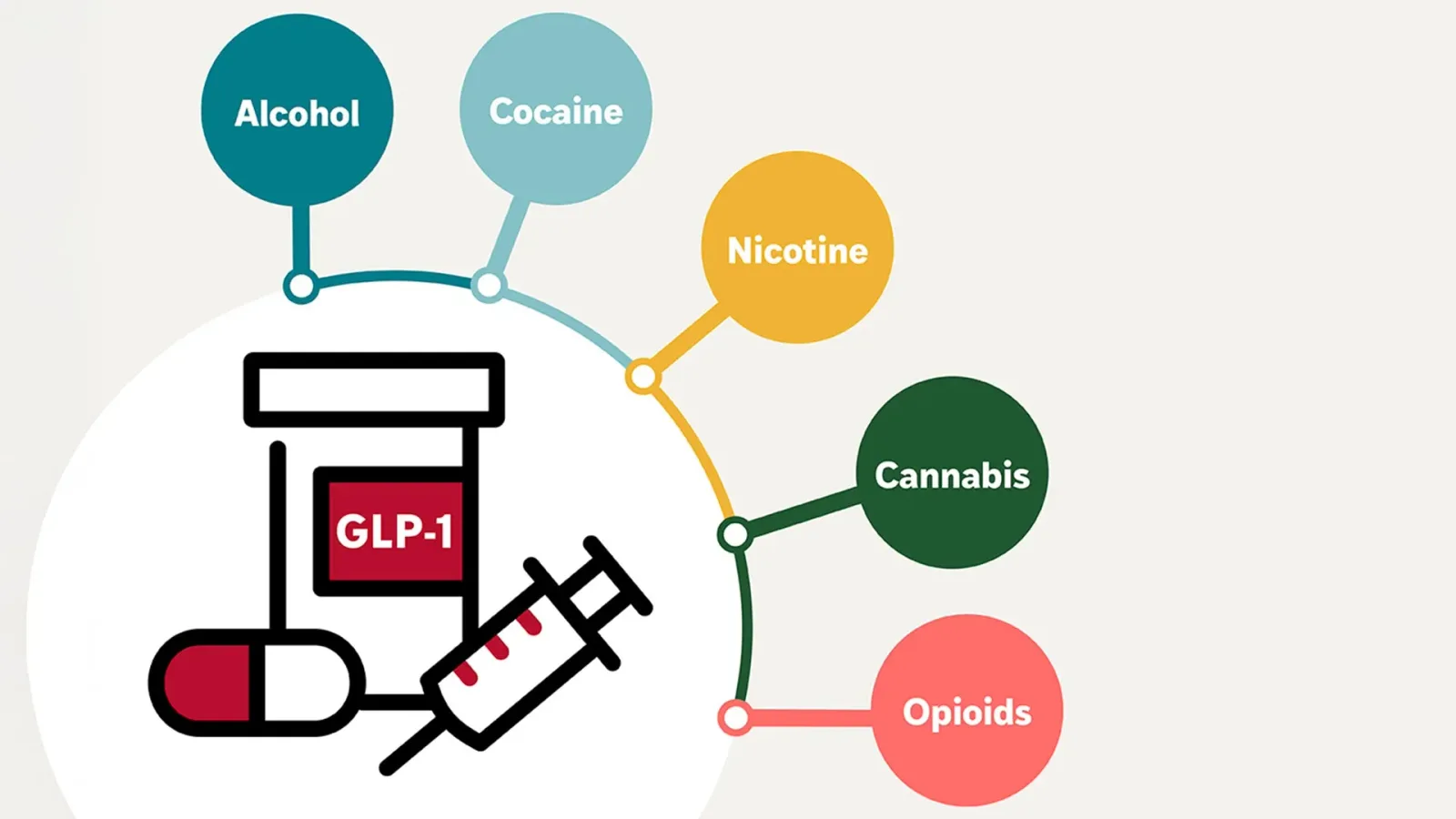
Dr. Al-Aly's findings align with a growing body of evidence. Other studies have demonstrated that GLP-1s reduce cravings for alcohol, cigarettes, opioids, and even gambling. Semaglutide, sold under brand names like Ozempic, Wegovy, and Rybelsus, is most commonly featured in these addiction studies. "Generally speaking, they're all more or less the same with regard to addiction," Al-Aly noted. "The chief among them is Ozempic."
Why This Matters for Addiction Treatment
Addiction involves persistent, obsessive thoughts—termed 'drug noise'—that drive compulsive use. Traditional treatments vary by substance: nicotine patches for smoking, naloxone (Narcan) and naltrexone for alcohol, methadone for opioids. GLP-1s appear uniquely versatile, working across the board for multiple addictions, as Al-Aly described. Treatment plans typically combine medication with behavioral therapy or counseling, and GLP-1s could enhance these protocols.
How GLP-1s Work: From Fullness Signals to Craving Control
GLP-1s mimic the GLP-1 hormone the body naturally produces after eating. This regulates blood sugar, slows stomach emptying, and signals fullness to the brain. While designed for diabetes or obesity, their effects extend to the brain's reward pathways—a serendipitous discovery.
In Dr. Al-Aly's clinic, patients shared anecdotal wins: "Oh, Dr. So-and-so started me on a GLP-1 for diabetes or because I wanted to lose weight, and all of a sudden, I don't care for smoking anymore." Another: "Now I don't drink anymore."
Targeting the Brain's Reward System
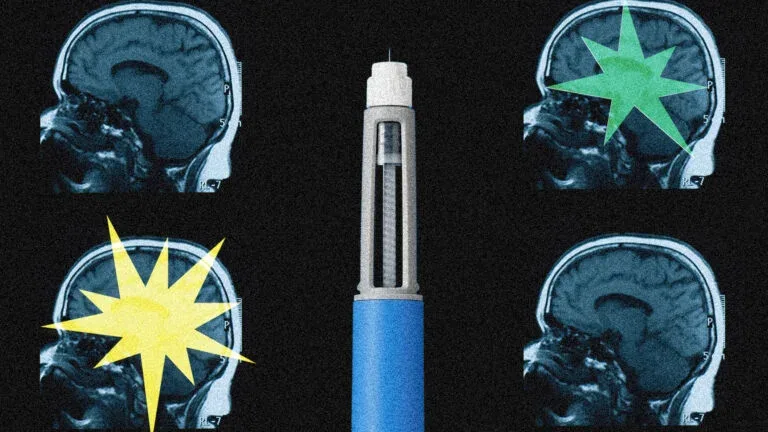
When injected, GLP-1 enters the bloodstream and binds to receptors in the central nervous system, including the mesolimbic system—the brain's primary reward hub. This dampens the dopamine-driven reward response, reducing 'food noise' (pleasure-eating urges) and, crucially, 'drug noise.' The result? Obsessive drug thoughts ease, lowering overuse risk.
Monitoring progress differs from metabolic goals. For Type 2 diabetics, physicians track A1C (average blood sugar over 2-3 months). For obesity, it's weight on the scale. Cravings are harder to quantify but can be assessed via tools measuring urge strength, frequency, and duration. Apps like Shotlee for tracking symptoms and medication schedules could help patients log these metrics alongside therapy.
Importantly, GLP-1s may not lead to complete abstinence. "With GLP-1s, people may not totally abstain," Al-Aly said, "[but] they lose the urge to overuse and overconsume."
Precision tracking for your journey
Join thousands using Shotlee to accurately track GLP-1 medications and side effects.
📱 Get the Shotlee App
Track your GLP-1 medications, peptides, and health metrics on the go with our mobile app!
Current Barriers: FDA Approval and Insurance Coverage
Despite promise, these drugs face a rigorous path. GLP-1s are not currently FDA-approved for addiction treatment. Approval is key for market access and insurance reimbursement.
"GLP-1s are not currently FDA-approved for [addiction] treatment, and it's unlikely insurance companies would cover such treatment unless approval is granted," Rob Stransky, president of the telemedicine company NiceRx, told The Post.
FDA approval requires Phase 3 trials confirming safety and efficacy. Research is ongoing for alcohol use disorder and gambling. "The science seems to be converging... more and more studies are saying the same thing," Al-Aly said. He predicts approval in 5 to no more than 10 years, with insurance coverage following—possibly by 2032. "Coverage would likely follow soon after FDA approval, but the timeline and extent will vary by insurer and plan." Costs are falling, but prior authorizations may apply.
"Every year of delay has a body count," Al-Aly urged. "Streamlining the [FDA] evaluation and approval of these drugs should be prioritized."
Practical Guidance for Patients Considering GLP-1s Off-Label
Dr. Al-Aly warns against off-label prescribing now: "We need more studies to help us understand what these drugs are doing and not doing and who would benefit most from them before we endorse [widespread] utilization."
Discuss with your doctor if you have co-occurring diabetes, obesity, or addiction. Combine with therapy. For those not overweight, note that GLP-1s "really only works to reduce weight in people who are overweight or obese," per Al-Aly. Studies show 10-20% of Type 2 diabetics have healthy BMI yet benefit metabolically.
Long-Term Use and Relapse Risks
Addiction is chronic, like diabetes. Stopping GLP-1s often leads to weight regain—sometimes exceeding baseline. For addicts, abrupt cessation could unleash 'drug noise' like a "pressure cooker ready to blow," risking overdose or relapse. Al-Aly suggests a "tiny, teeny" long-term maintenance dose, akin to naltrexone's prolonged use for opioids.
Safety Considerations and Side Effects
Common side effects include nausea, vomiting, diarrhea, and constipation; rarer risks are pancreatitis and kidney issues. Many quit due to tolerability. Addicts, often malnourished, may experience less weight loss if not obese. No data yet on discontinuation effects specific to addiction.
Key Takeaways: What This Means for Patients
- GLP-1s like Ozempic significantly reduce addiction-related events in veterans, curbing 'drug noise' via brain reward pathways.
- Versatile across substances: alcohol, opioids, nicotine, gambling.
- No FDA approval yet; expect 5-10 years, insurance by ~2032.
- Avoid off-label use without more data; pair with therapy.
- Monitor cravings quantitatively; consider long-term low-dose maintenance.
Conclusion: A Promising Frontier in Addiction Care
GLP-1 drugs like Ozempic represent a potential paradigm shift in addiction by targeting 'drug noise' at its neural root. While the veterans study and converging evidence build excitement, patience is needed for rigorous trials and approvals. Patients should consult providers for personalized advice, prioritizing evidence-based care. Stay informed on trials—addiction treatment may soon include these powerful tools.