The global wellness industry is reshaping residential spaces, moving from public gyms to private sanctuaries. As Britons spend more on beauty than on football and gym memberships combined, homes are adapting with specialized fixtures like LED masks, saunas, and now, mini refrigerators. This shift reflects a desire for professional-grade preservation within the domestic environment, catering to both the booming weight-loss drug market and advanced skincare routines.
Why Are People Buying Bathroom Mini Fridges?
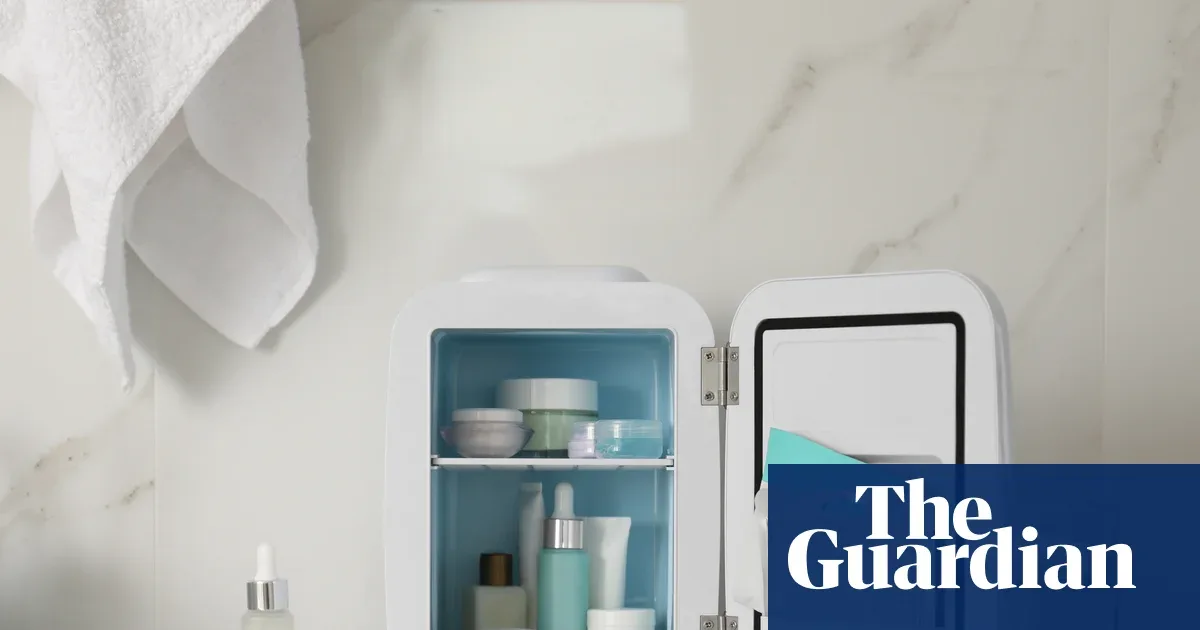
The surge in bathroom mini fridge purchases is primarily driven by the need to preserve temperature-sensitive medications and active skincare ingredients within immediate reach. Industry leaders like Sub-Zero & Wolf report a tenfold increase in orders over the last two years, reflecting a broader cultural shift where wellness infrastructure moves from commercial gyms into private homes. Marketing managers note that while these units originally chilled beverages, they now house face creams, gut health shots, and injectables like Ozempic. This transition prioritizes convenience, allowing patients to access critical treatments without walking to a kitchen, thereby reducing the risk of forgetting doses or exposing medications to ambient heat fluctuations during transit. Furthermore, the rising cost of the UK wellness industry, valued over £160bn, encourages homeowners to invest in premium fixtures that mirror professional standards.
This phenomenon extends beyond simple storage; it represents a psychological commitment to health management. By placing medications in a dedicated, visible location, users reinforce adherence to their treatment plans. The trend is particularly visible in en suites and walk-in wardrobes, where privacy and accessibility intersect. Clients are requesting installations that blend seamlessly with luxury vanities, transforming functional appliances into subtle design elements that support daily wellness rituals.
Do Weight-Loss Drugs Like Ozempic Need Refrigeration?
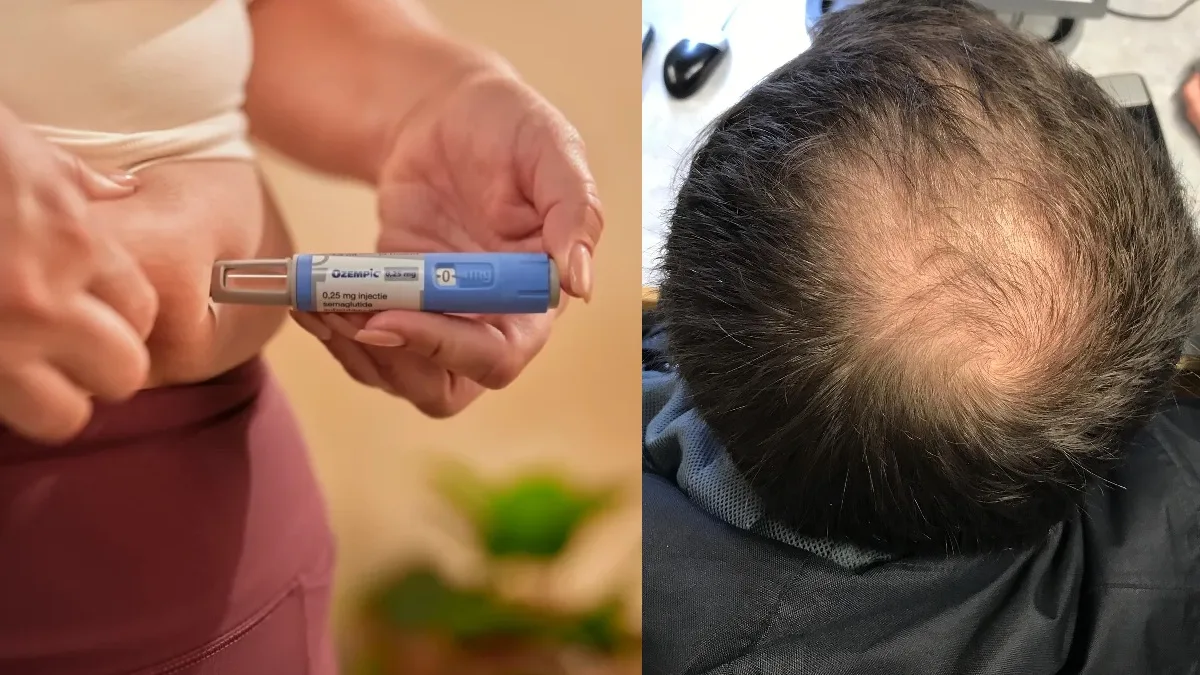
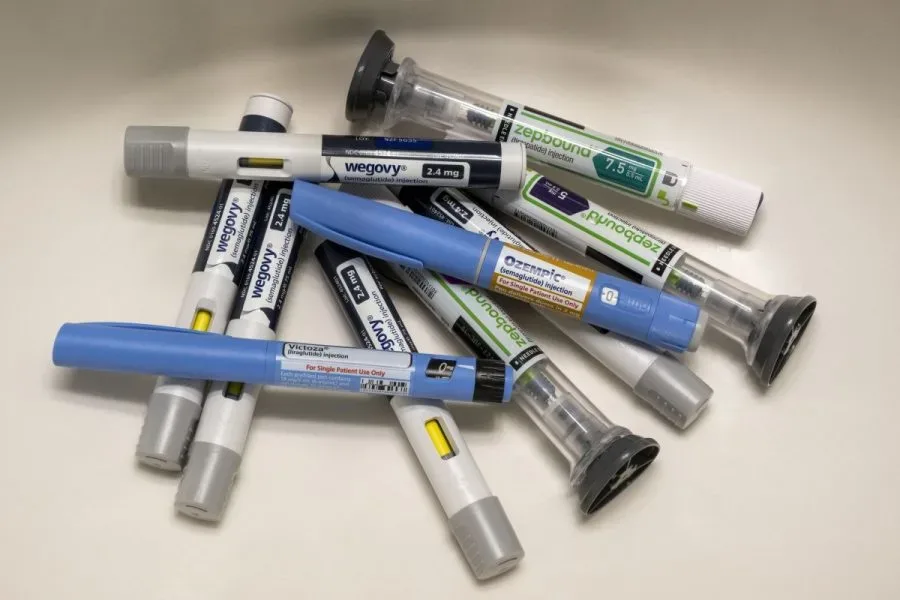
Yes, most injectable weight-loss medications require strict refrigeration before opening to maintain chemical stability and potency. According to NHS guidelines, semaglutides such as Ozempic and tirzepatides must be stored between 2 and 8 degrees Celsius prior to first use to prevent molecular degradation. Once opened, these pens allow storage at room temperature below 30 degrees Celsius for a limited period, typically six weeks. This distinction is vital because peptide structures are sensitive to thermal energy; excessive heat can alter the protein shape, rendering the drug ineffective or potentially unsafe. Patients using Shotlee to track their injection logs often verify storage conditions to ensure efficacy matches their dosing schedule. Failure to adhere to these temperatures can result in visible discoloration or clumping, signaling that the medication has compromised integrity.
Understanding the lifecycle of these medications is crucial for effective treatment. Before the first injection, the vial or pen relies on cold chain logistics to remain viable. After activation, the formulation stabilizes enough for short-term ambient storage, but prolonged exposure to heat remains a risk. Monitoring these parameters helps patients maximize the therapeutic window of their prescriptions and avoid wasting expensive medication due to improper handling.
Which Skincare Products Actually Require Cooling?
Only specific unstable compounds like L-ascorbic acid vitamin C and retinoids genuinely benefit from consistent cooling to prevent rapid degradation. Dermatologists warn that active forms of vitamin C oxidize quickly when exposed to heat, light, and air, turning yellow or brown and losing therapeutic value. Retinoids behave similarly, breaking down faster in warm environments which reduces their ability to stimulate collagen production effectively. While some users enjoy the temporary sensation of cold eye creams constricting blood vessels, this offers no long-term preservation benefit for stable formulas. Experts emphasize that chilling sheet masks provides only a sensory experience rather than improving serum performance, as single-use products are designed to sit on shelves at room temperature for months without spoiling. Consequently, investing in a dedicated unit for general moisturizers is unnecessary waste unless the product label explicitly mandates it.
Precision tracking for your journey
Join thousands using Shotlee to accurately track GLP-1 medications and side effects.
📱 Get the Shotlee App
Track your GLP-1 medications, peptides, and health metrics on the go with our mobile app!
The misconception that all skincare benefits from cold storage often stems from marketing trends rather than chemical necessity. Chilling products can soothe inflammation temporarily, but it does not extend shelf life for stable ingredients. Users should prioritize checking expiration dates and ingredient lists over relying on aesthetics or trends when deciding what belongs in a refrigerator.
Are Bathroom Mini Fridges Safe to Install?
Installing a mini fridge in a bathroom requires careful adherence to local electrical codes regarding distance from water sources and shock protection. Under UK regulations, plug sockets must be placed at least three metres away from water sources like baths to minimize electrocution risks. Only sockets equipped with residual current device protection are permitted, requiring installation by a qualified electrician who understands wet zone classifications. Additionally, any appliance requires adequate space around it to dissipate heat and minimize fire risk, making standalone units unsuitable for cramped wet rooms. These structural constraints mean that larger bathrooms or walk-in wardrobes are safer locations, ensuring both electrical safety and proper ventilation for the cooling motor. Ignoring these rules can void insurance policies and create hazardous conditions for household occupants.
Safety is paramount when introducing electrical appliances to damp environments. The presence of moisture increases conductivity, which elevates the danger of electrical faults. Proper zoning ensures that even if water splashes occur, the circuit breaker trips instantly to cut power, protecting both the user and the building structure.
How Much Does a Medical-Grade Mini Fridge Cost?
Prices for these specialized units vary wildly depending on whether you choose a budget model or a luxury built-in appliance. On secondhand marketplaces like Gumtree, average costs hover around £45, with searches rising 85% year-over-year among budget-conscious buyers. Conversely, luxury brands like Smeg offer retro-styled compact versions for nearly £900, while high-end custom installations from manufacturers like Sub-Zero start at £5,000. This wide price spectrum allows consumers to select options that fit their aesthetic and financial goals without compromising the core function of temperature control. Whether selecting a mirrored unit for vanity styling or a discreet drawer for concealed storage, the primary investment remains securing reliable preservation for valuable health and beauty assets. Ultimately, the decision balances upfront cost against the perceived value of maintaining peak condition for expensive supplements and medications.
Budget-friendly options found on online marketplaces often lack precise temperature controls, which may be risky for sensitive pharmaceuticals. In contrast, luxury models offer digital thermostats and alarm systems that alert users if the internal temperature fluctuates, providing peace of mind for those managing chronic conditions or high-value treatments.
| Item Type | Storage Requirement | Reason for Cooling |
|---|---|---|
| Ozempic / Wegovy | 2°C to 8°C (Before Use) | Prevent peptide degradation |
| Tirzepatide | 2°C to 8°C (Before Use) | Maintain molecular stability |
| Vitamin C Serum | Cool, Dark Place | Avoid oxidation and color change |
| Retinoids | Cool Environment | Slow breakdown of active ingredients |
| Eye Creams | Room Temp (Optional) | Temporary vasoconstriction only |
Practical Takeaways for Home Wellness
- Verify Guidelines: Always check manufacturer instructions for medication storage temperatures before purchasing a fridge.
- Electrical Safety: Ensure any bathroom outlet meets UK regulations for distance from water and includes RCD protection.
- Track Adherence: Use tools like Shotlee to log storage conditions alongside your medication and supplement intake.
- Monitor Stability: Discard serums that change color or texture, regardless of whether they were refrigerated.
- Choose Location Wisely: Opt for walk-in wardrobes or dry bathroom areas rather than wet rooms to reduce fire and shock risks.
Conclusion
The rise of the bathroom mini fridge signals a maturation of the home wellness market, blending luxury design with functional medical needs. While the trend offers undeniable convenience for managing GLP-1 therapies and preserving potent actives, it requires careful consideration of safety regulations and actual storage requirements. Not every product needs cooling, and not every bathroom can accommodate an appliance safely. By understanding the science behind preservation and adhering to electrical codes, users can enhance their health routines without compromising safety or incurring unnecessary costs.