
Shotlee LogoShotlee
Blog
Download on theApp Store
Get it onGoogle Play
Skip to main content
Ozempic and GLP-1 Drugs: Heart Benefits and Personal Realities - Featured image
Metabolic Health

Ozempic and GLP-1 Drugs: Heart Benefits and Personal Realities

Dr. Adrian Vale, MD
Reviewed by Dr. Adrian Vale, MDInternal Medicine · Board-Certified Obesity Medicine
·4 min read

On this page

  • What Are GLP-1 Drugs and How Do They Work?
  • A Personal Journey with Ozempic and Type 1.5 Diabetes
  • Safety, Long-Term Risks, and Historical Lessons
  • The Cost Divide: Insurance vs. Out-of-Pocket
  • Cultural Shifts: From Fat-Shaming to Ozempic Face
  • Key Takeaways for Patients
  • What This Means for Metabolic Health Patients
  • Mechanisms Behind Cardiovascular Protection
  • Why No Weight Loss? Common Factors
  • Comparisons to Alternatives

Track Smart

Calculate active GLP-1 levels automatically with Shotlee.

Download →

Thirty million Americans—one in eight—are turning to GLP-1 drugs like Ozempic for weight management and more, with data showing a 20% reduced risk of heart attacks and strokes. But what happens when the weight doesn't budge, as in 10% of users? This personal story explores the hype, realities, and broader implications of these medications.

Share

On this page

  • What Are GLP-1 Drugs and How Do They Work?
  • A Personal Journey with Ozempic and Type 1.5 Diabetes
  • Safety, Long-Term Risks, and Historical Lessons
  • The Cost Divide: Insurance vs. Out-of-Pocket
  • Cultural Shifts: From Fat-Shaming to Ozempic Face
  • Key Takeaways for Patients
  • What This Means for Metabolic Health Patients
  • Mechanisms Behind Cardiovascular Protection
  • Why No Weight Loss? Common Factors
  • Comparisons to Alternatives

Ozempic and GLP-1 Drugs: Heart Benefits and Personal Realities

In the world of metabolic health, Ozempic has sparked envy across generations. A young acquaintance confessed outright jealousy upon hearing I was prescribed this GLP-1 medication, claiming it 'keeps you young.' While that's an exaggeration—like praising God and passing the Ozempic—emerging data supports impressive benefits, including a potential 20% reduction in heart attack or stroke risk for users of these drugs.

What Are GLP-1 Drugs and How Do They Work?

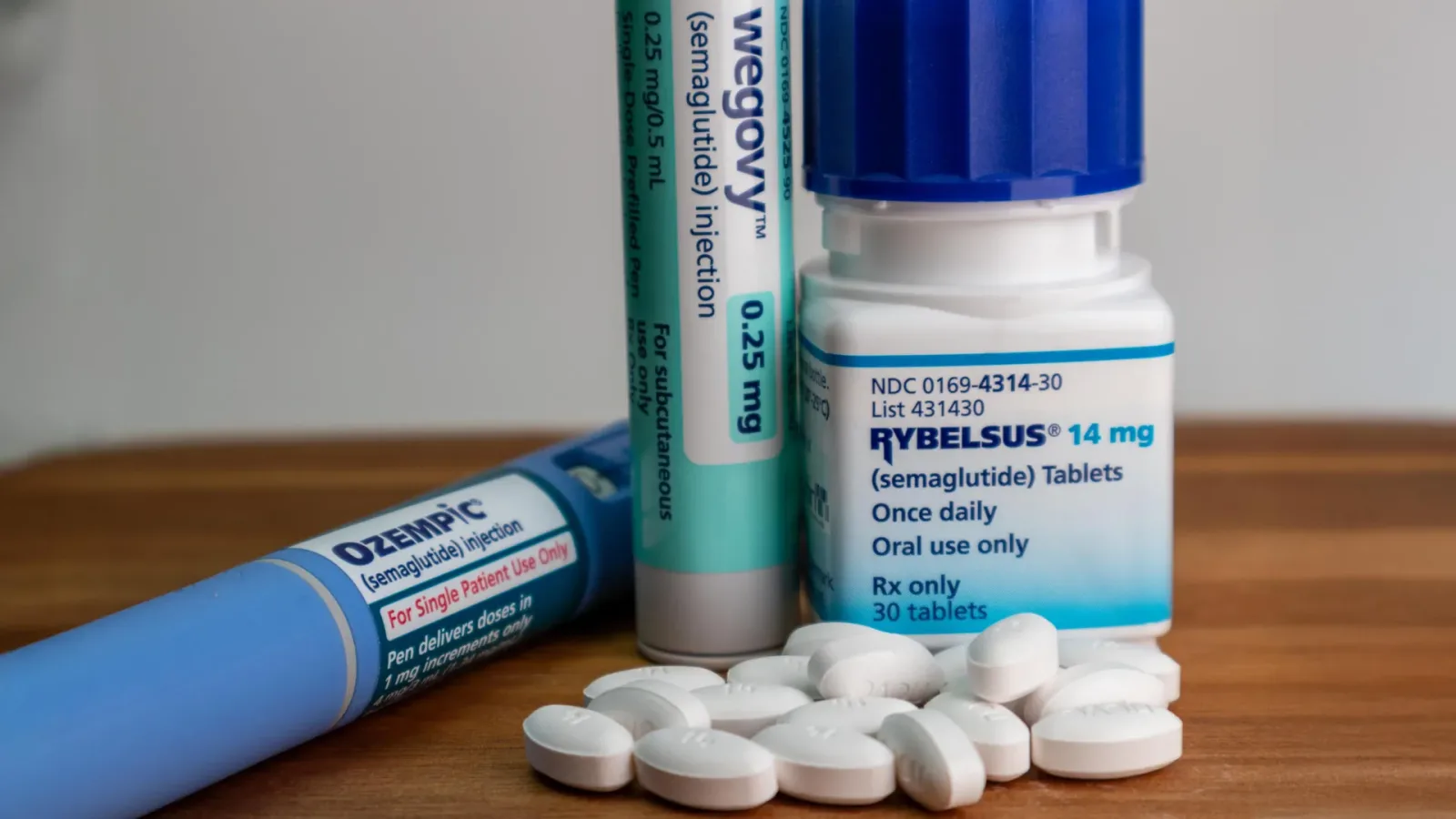
GLP-1 drugs, or glucagon-like peptide-1 receptor agonists, mimic a natural hormone that regulates blood sugar, appetite, and digestion. Medications like Ozempic (semaglutide), Wegovy (higher-dose semaglutide), and Zepbound (tirzepatide) slow gastric emptying, signal fullness to the brain, and enhance insulin production from the pancreas. This class doesn't just curb appetite for a svelter you; studies show broader effects, from reducing addiction cravings to potential neuroprotective benefits in brain trauma.

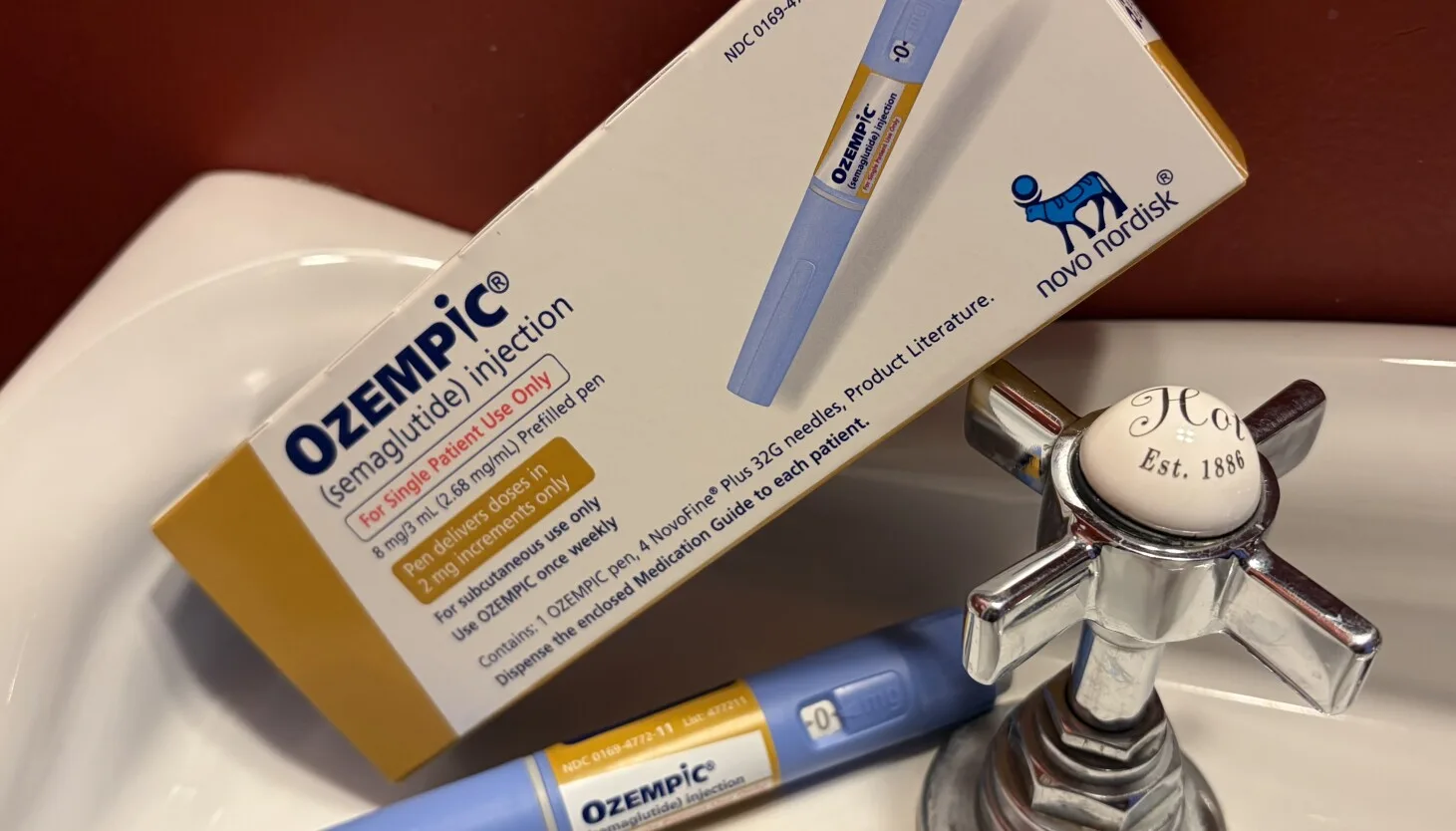
Approved by the FDA in December 2017 for Type 2 diabetes, Ozempic helps a functioning pancreas produce more insulin. Yet its off-label use for weight loss has exploded, with 30 million Americans—one in eight—now using GLP-1 drugs. Ozempic users often view alternatives like Zepbound and Wegovy as capable but lesser options, akin to generic ketchup next to the premium brand.

Mechanisms Behind Cardiovascular Protection

The 20% risk reduction for heart attacks and strokes stems from rapidly building clinical data. GLP-1s promote weight loss, lower blood pressure, improve lipid profiles, and exert anti-inflammatory effects on blood vessels. These mechanisms address key drivers of cardiovascular disease, especially in patients with diabetes or obesity—a combination that amplifies heart risks.

A Personal Journey with Ozempic and Type 1.5 Diabetes

Despite lifelong dieting—counting more calories than stars in the universe—I turned to Ozempic only after Type 1 diabetes damaged my pancreas. Technically for Type 2, it targets insulin production, but my case falls into the murky 'Type 1.5' category (also known as LADA, or latent autoimmune diabetes in adults). Doctors often shrug at the label, but mine still quivers enough for GLP-1 therapy to potentially help.

After over a year on Ozempic, alongside one to four daily insulin injections, I've seen no weight loss—a reality for about 10% of users. Initial constipation lasted weeks, resolved by mixing MiraLAX into morning coffee. Yet stability counts as progress: insulin users often gain pounds, so holding steady feels like a win.

Why No Weight Loss? Common Factors

Non-responders like me highlight GLP-1 variability. Factors include dosage, diet adherence, baseline metabolism, or underlying conditions like Type 1.5 diabetes, where insulin resistance plays differently. Patients should track progress with tools like Shotlee for symptoms, side effects, and medication schedules to discuss adjustments with their doctor.

Precision tracking for your journey

Join thousands using Shotlee to accurately track GLP-1 medications and side effects.

📱 Get the Shotlee App

Track your GLP-1 medications, peptides, and health metrics on the go with our mobile app!

Download on theApp Store
Get it onGoogle Play

Safety, Long-Term Risks, and Historical Lessons

These benefits come with caveats. Ozempic's full 10-year safety profile is still unfolding—researchers are monitoring closely. The nicotine analogy looms: a popular slimming agent whose lethality took 400 years to uncover. Millions still ignore tobacco's dangers. While GLP-1s show promise, rare severe side effects like pancreatitis or thyroid tumors warrant vigilance.

Common issues include gastrointestinal upset (nausea, constipation), manageable for most. Rapid weight loss can cause 'Ozempic face'—sunken eyes and hollow cheeks, as seen in celebrities like Katy Perry.

The Cost Divide: Insurance vs. Out-of-Pocket

Access remains unequal. Out-of-pocket, Ozempic costs around $1,000 monthly. With insurance, it's $0 for many, like me. Discounts or generics can halve or quarter that, but the insured/uninsured gap persists. Universal coverage would better democratize these therapies than lunar condos.

Comparisons to Alternatives

Wegovy targets obesity directly (same active ingredient, higher dose). Zepbound, a dual GLP-1/GIP agonist, may offer superior weight loss in trials. For diabetes, all compete, but individual response varies—consult a provider to match needs.

Cultural Shifts: From Fat-Shaming to Ozempic Face

Obesity stigma once rivaled racial slurs in taboo. Now, with GLP-1s nearing a slimmer nation, rapid thinness draws ridicule. 'Ozempic face' marks this reversal. My weight sits 40 pounds above college low (148) and 40 below peak—a sweet spot until nature's final regimen.

Key Takeaways for Patients

  • Heart Health Boost: GLP-1 drugs like Ozempic may cut heart attack/stroke risk by 20% per emerging data.
  • Personal Variability: 10% see no weight loss; track with doctor.
  • Diabetes Fit: Best for Type 2; off-label for Type 1.5—discuss insulin interplay.
  • Cost Strategy: Seek insurance, assistance programs.
  • Mindset Matters: As Ashley McBryde sings in 'Light on in the Kitchen,' 'There's more to life than being skinny/If you feel fat, it's mostly in your mind.'

What This Means for Metabolic Health Patients

For those with diabetes, obesity, or heart risks, GLP-1s like Ozempic offer tools beyond dieting. Weigh benefits against side effects and costs. Start with a healthcare provider to assess suitability—especially if young, hoping to 'stay youthful.' Freezing decline beats acceleration, even if weight holds steady.

Related topics: Explore GLP-1 weight loss strategies or diabetes type management.
?Frequently Asked Questions

Does Ozempic reduce heart attack risk?

Emerging data shows GLP-1 drugs like Ozempic can cut heart attack and stroke risk by 20%, through weight loss, blood pressure reduction, and anti-inflammatory effects.

Why might Ozempic not cause weight loss?

About 10% of users experience no weight loss, possibly due to factors like dosage, metabolism, diet, or conditions such as Type 1.5 diabetes; consult your doctor for adjustments.

What is Ozempic face?

Ozempic face refers to sunken eyes and hollow cheeks from rapid weight loss on GLP-1 drugs, seen in some celebrities like Katy Perry; it highlights cultural shifts around thinness.

How much does Ozempic cost without insurance?

Out-of-pocket, Ozempic runs about $1,000 per month; insurance often covers it fully, with discounts potentially reducing costs by half or more.

Is Ozempic suitable for Type 1 diabetes?

FDA-approved for Type 2 diabetes to boost insulin production; used off-label for Type 1.5 cases with some pancreatic function, but always pair with insulin under medical supervision.

Source Information

Originally published by Chicago Sun-Times.Read the original article →

Read next

Keep exploring

More on Ozempic

Articles covering Ozempic dosing, side effects, and clinical updates.

Ozempic Price Cut: Generic Semaglutide Arrives in Canadian Pharmacies
Health & Wellness

Ozempic Price Cut: Generic Semaglutide Arrives in Canadian Pharmacies

Two generic versions of Ozempic have arrived in Canadian pharmacies, offering diabetes and weight loss patients significant cost savings compared to the brand-name medication.

7 min read
Retatrutide Breaks Records: What Phase 3 TRIUMPH-1 Data Means
Health & Wellness

Retatrutide Breaks Records: What Phase 3 TRIUMPH-1 Data Means

Eli Lilly's Retatrutide has shown remarkable weight loss potential in Phase 3 trials. We break down the TRIUMPH-1 results, safety data, and what patients can expect.

9 min read
Driving on Ozempic & Mounjaro: Avoiding the £1,000 DVLA Fine
Health & Wellness

Driving on Ozempic & Mounjaro: Avoiding the £1,000 DVLA Fine

New regulations warn that GLP-1 medication users could face significant fines if side effects impair driving. Here is the complete guide to staying safe and compliant.

8 min read

Same topic: GLP-1 Medications

All GLP-1 Medications articles →
Beyond the Scale: Tracking GLP-1 Success with Advanced Health Monitoring
Health Technology

Beyond the Scale: Tracking GLP-1 Success with Advanced Health Monitoring

GLP-1 medications like Ozempic and Wegovy are transforming weight management, but understanding your body's response is key. Learn how innovative health monitors can help you track progress and manage side effects effectively.

7 min read
GLP-1 Weight Loss Drugs: Impact on Food Industry & Your Diet
Health & Wellness

GLP-1 Weight Loss Drugs: Impact on Food Industry & Your Diet

New market data suggests a unique opportunity for protein-focused brands as GLP-1 therapies alter consumer eating habits. Learn how this shift affects your health strategy.

7 min read
Beyond 'Ozempic Teeth': Understanding and Managing 'Ozempic Breath'
Health & Wellness

Beyond 'Ozempic Teeth': Understanding and Managing 'Ozempic Breath'

The rise of GLP-1 medications like Ozempic and Mounjaro has brought about new conversations around their side effects, including the emerging concern of 'Ozempic breath.' This article delves into the causes, implications, and effective management strategies for this common issue.

7 min read

More in Metabolic Health

GLP-1 Drugs: A New Frontier in Addiction Treatment?
Health & Wellness

GLP-1 Drugs: A New Frontier in Addiction Treatment?

Could the same medications revolutionizing weight loss and diabetes management also hold the key to treating addiction? Emerging research suggests GLP-1 receptor agonists may play a significant role.

8 min read
Beyond the Hype: Understanding the Rise of Peptide Therapy
Health & Wellness

Beyond the Hype: Understanding the Rise of Peptide Therapy

Peptide therapy is gaining traction, with compounds like semaglutide revolutionizing weight management. But what exactly are peptides, and what are the realities behind the trending 'peptide summer'? This article delves into the science, the risks, and the future of this evolving field.

7 min read
Generic Semaglutide Launches in Canada: What Patients Need to Know
Health & Wellness

Generic Semaglutide Launches in Canada: What Patients Need to Know

The Canadian market sees the arrival of a generic semaglutide injection, a significant development for individuals managing type 2 diabetes and seeking weight loss solutions. This launch by Dr. Reddy's Laboratories marks a new era of accessibility for this popular GLP-1 therapy.

7 min read
Share this article
  1. Home
  2. Blog
  3. Ozempic and GLP-1 Drugs: Heart Benefits and Personal Realities
Dr. Adrian Vale, MD — Internal Medicine · Board-Certified Obesity Medicine
Medically reviewed

Dr. Adrian Vale, MD

Internal Medicine · Board-Certified Obesity Medicine

Dr. Adrian Vale is a board-certified internal medicine physician with a clinical focus on obesity medicine and metabolic health. He reviews Shotlee guides and articles on GLP-1 medications, peptide therapy, and weight-management protocols for clinical accuracy.

View all articles reviewed by Dr. Adrian Vale, MD
Shotlee LogoShotlee

Your comprehensive health tracking companion. Track, analyze, and optimize your journey with advanced metrics and community support.

Product

  • Medication Trackers
  • Health Guides
  • Calculators
  • Compare Medications
  • Pricing

Resources

  • Health Blog
  • Support Center

Legal

  • Privacy Policy
  • Terms of Service
  • Community Guidelines
  • Refund Policy

© 2026 Shotlee. All rights reserved.

Made with for the community♥ for the community