
The global pursuit of effective weight management solutions has entered a new phase, and India is poised to be at the forefront of this revolution. A wave of novel GLP-1 (glucagon-like peptide-1) therapies, particularly in oral formulations, is emerging, with Chinese drugmakers like Innovent Biologics, Huadong, and Hengrui leading the charge. Their accelerated development and potential market entry could dramatically reshape India's obesity drug market, promising lower costs and wider access to these life-changing medications.
This development is part of a larger global trend, where China is contributing a substantial portion of the GLP-1 drug pipeline and forging strategic alliances with international pharmaceutical giants. As patents for existing GLP-1 treatments approach expiry, India's pharmaceutical landscape is set for a significant shift, impacting pricing, prescribing habits, and patient engagement with weight management strategies.
The Rise of Oral GLP-1 Therapies: A Paradigm Shift
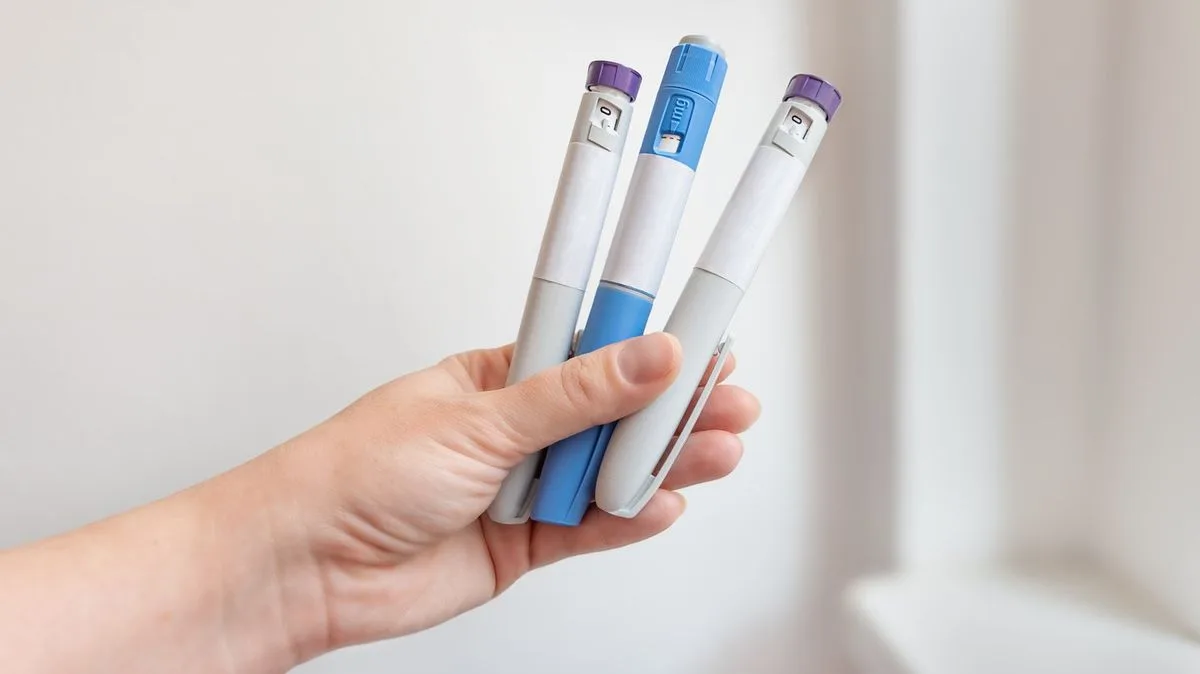
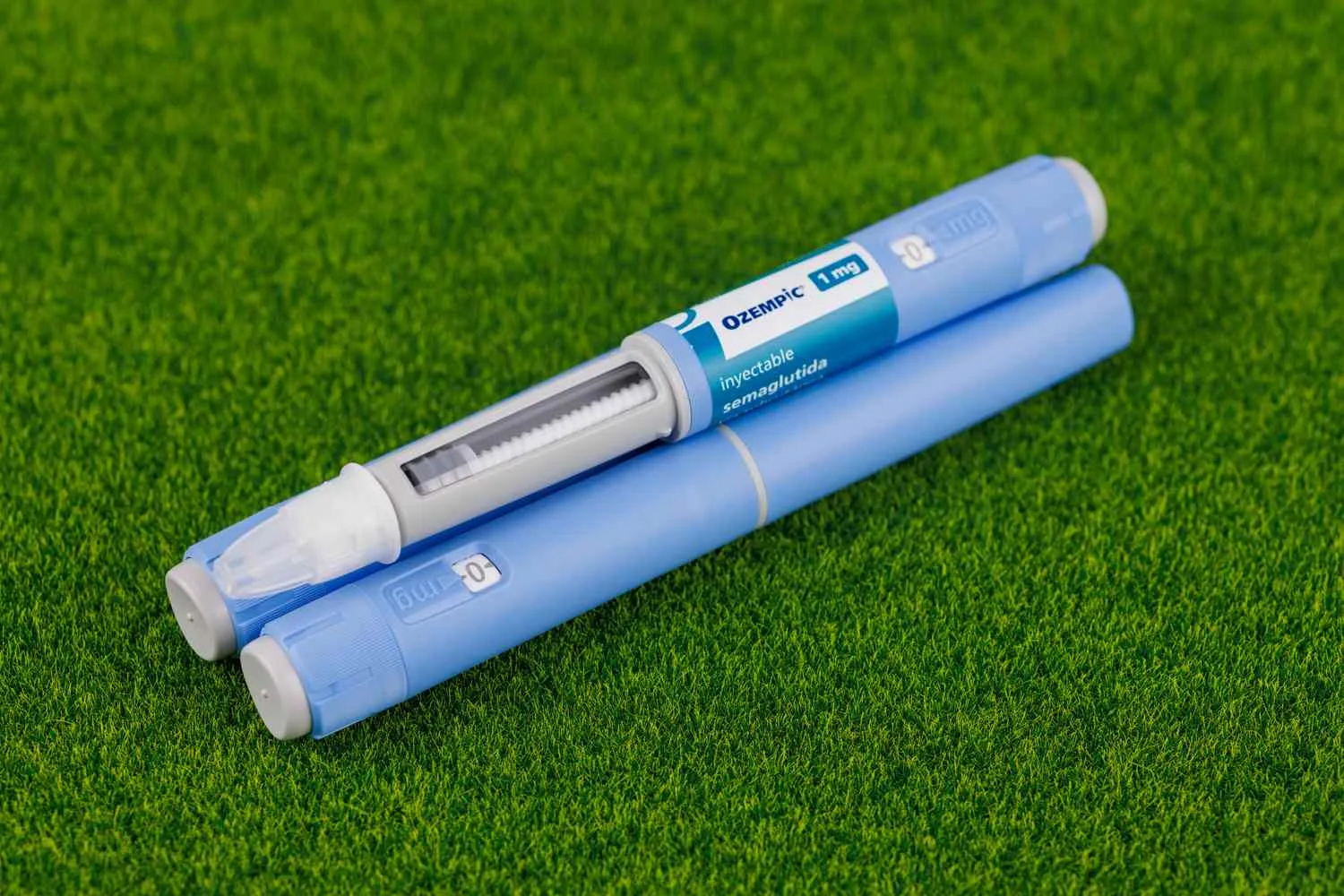
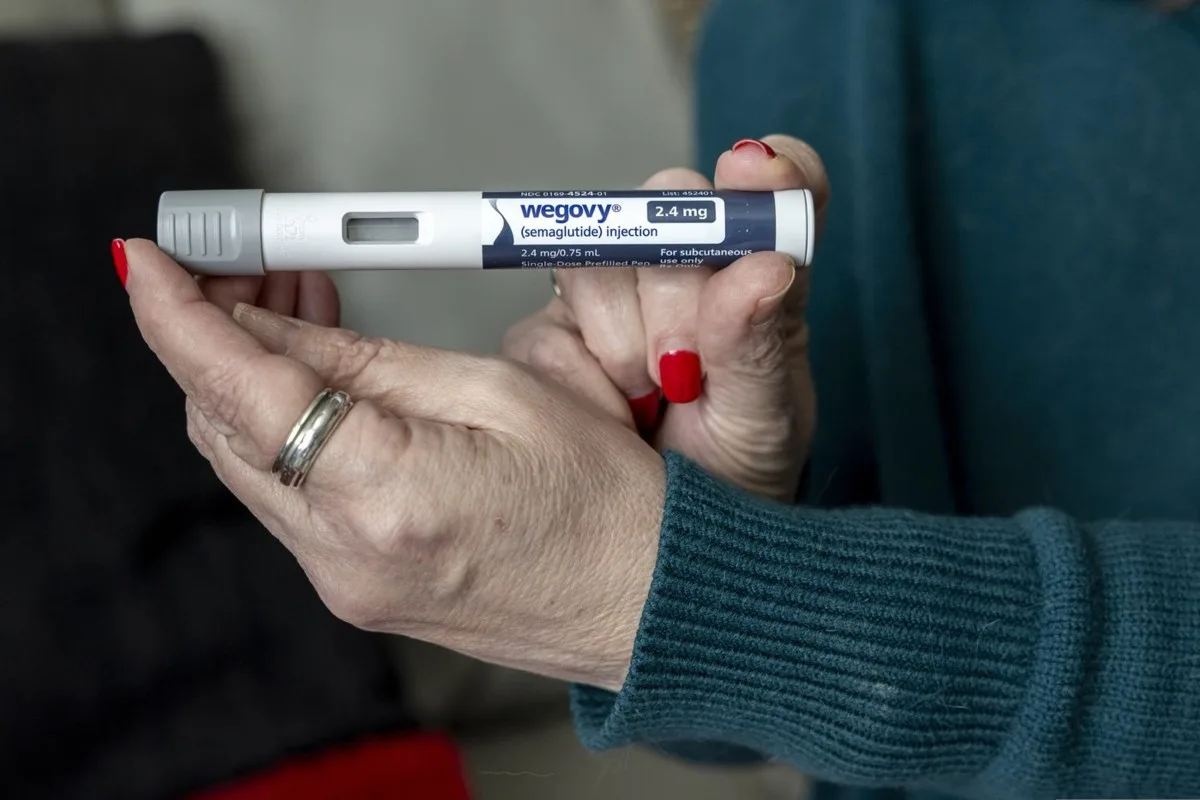
GLP-1 receptor agonists have emerged as powerful tools in managing blood sugar and promoting weight loss. These medications mimic a natural hormone produced in the gut, which plays a crucial role in regulating appetite and improving insulin sensitivity. While injectable forms have been available for some time, the development of oral formulations represents a significant leap forward, addressing key barriers to widespread adoption.
Why Oral GLP-1s are a Game-Changer:
- Enhanced Convenience: Eliminating the need for injections simplifies the treatment regimen, making it more appealing to a broader patient population.
- Reduced Storage Challenges: Oral medications do not require cold-chain logistics, simplifying distribution and reducing associated costs.
- Seamless Integration into Daily Life: A daily pill is easier to incorporate into existing routines compared to regular injections.
- Potential for Greater Affordability: Lower production costs associated with oral formulations could translate into more accessible pricing.
Dr. Sandeep Kharb, Senior Consultant – Endocrinology at Asian Hospital, highlights the historical challenges: "Traditionally, GLP-1 receptor agonists were administered as injections, which posed challenges due to both cost and patient reluctance. However, with the growing popularity of oral formulations, the market is now evolving rapidly." This evolution is critical for addressing the growing burden of obesity and metabolic diseases in India.
China's Growing Influence in the GLP-1 Race
Chinese biotechnology firms are rapidly becoming central figures in the development of oral GLP-1 therapies. Their success is fueled by a combination of cost-efficient manufacturing capabilities and agile development cycles, allowing them to bring innovative treatments to market at a faster pace. This has positioned Chinese companies as vital partners, formidable competitors, and reliable suppliers for the Indian pharmaceutical industry, especially as the demand for effective weight-loss therapies continues to surge.
Dr. Aravind Badiger, Technical Director at BDR Pharmaceuticals, observes, "Chinese producers entering the market may cause prices to reduce further and eventually cause a price war." Such competition is often beneficial for consumers, driving down costs and increasing access.
Implications for India's Obesity Drug Market
The introduction of oral GLP-1 options is expected to significantly expand the market for weight management solutions while simultaneously intensifying competition. This shift will likely manifest in several key areas:
- Price Reductions: As patents expire and generic versions become available, driven by the influx of affordable options from China, prices are anticipated to fall.
- Wider Accessibility: Oral formulations can reach a broader demographic, extending beyond major urban centers to more remote areas, democratizing access to advanced treatments.
- Evolving Prescribing Patterns: The ease of use of oral medications may lead to a shift in prescribing habits, with general practitioners potentially playing a larger role in initiating treatment for obesity and related conditions.
Dr. Sabine Kapasi, UN Advisor and Global Health Strategist, emphasizes the potential impact: "Lower-cost oral GLP-1 therapies could mark a meaningful inflection point for access in India, moving obesity care beyond a niche, high-cost category into a more mainstream metabolic intervention." The prospect of affordability transforming these potent medications into mass-market products could fundamentally alter the approach to obesity treatment in India.
Navigating Regulatory and Safety Challenges
Despite the promising outlook, several regulatory and safety challenges need careful consideration. Many emerging therapies are still undergoing rigorous clinical trials, making robust data collection and transparent approval processes paramount. Concerns about the potential for a "grey market" of imports, inconsistent product formulations, and the risk of counterfeit medications are significant.
Precision tracking for your journey
Join thousands using Shotlee to accurately track GLP-1 medications and side effects.
📱 Get the Shotlee App
Track your GLP-1 medications, peptides, and health metrics on the go with our mobile app!
Dr. Gagandeep Singh, a diabetologist and founder of Redial Clinic, shares a worrying observation: "I already see patients walking into consultations having bought GLP-1-labelled products online, with no prescription and no reliable information on the dose they were actually taking." This highlights the critical need for strict regulatory oversight.
Dr. Badiger further explains that the pharmacological behavior of oral and injectable GLP-1 versions can differ, making it more challenging to ensure consistent quality and accurate dosing across different products. For individuals using these medications, tracking doses and potential side effects with tools like Shotlee can be invaluable in maintaining adherence and reporting any concerns to their healthcare provider.
Opportunities and Pressures for Indian Pharmaceuticals
The evolving market presents both significant opportunities and considerable pressure for Indian pharmaceutical companies. To remain competitive and capitalize on the growing demand, Indian firms will need to strategically adapt:
- Strategic Partnerships: Pursuing in-licensing or co-development deals with global and Chinese players can provide access to innovative pipelines and manufacturing expertise.
- Manufacturing Prowess: Scaling up local manufacturing capabilities, particularly for generic versions post-patent expiry, will be crucial.
- Innovation in Formulations: Investing in research and development for improved formulations and combination therapies can offer a competitive edge.
Dr. Badiger notes that Indian companies are well-positioned in generics manufacturing and distribution, suggesting that "there would be more joint ventures and licensing agreements made between Indian and Chinese or even global competitors." Dr. Kharb adds, "On the one hand, they will face competition from Chinese companies; on the other hand, Indian companies are in a good position to become global suppliers of affordable GLP-1 generics." This dual role of competitor and collaborator defines the future for many Indian pharma players.
A Note of Caution: Balancing Affordability with Safety
While the promise of affordability is immense, experts caution against compromising on oversight and safety. Dr. Kapasi stresses, "Affordability cannot come at the expense of oversight. Strong quality assurance, clearly defined prescribing pathways, and robust pharmacovigilance will be essential."
Dr. Singh raises a critical point about the perception of these drugs: "A monthly tablet delivered to your door feels less like a drug and more like a supplement, and that framing is what may drive the misuse." He warns that while affordability can benefit patients with metabolic diseases, it might also encourage "lifestyle use" for cosmetic purposes. "Injection fatigue is one of the few things that currently forces a clinical check-in. Remove it, and you compress the trajectory from short-term fat loss to long-term metabolic harm," he cautions.
Furthermore, the existing clinical infrastructure may not be adequately prepared to support the safe and effective long-term use of these medications. Comprehensive metabolic monitoring, personalized nutrition planning, and exercise support are vital components of successful weight management and require robust healthcare systems. Experts universally stress that these powerful medications must remain strictly prescription-only, managed by qualified healthcare professionals.
The Road Ahead: Responsible Integration of Oral GLP-1s
The ultimate success of oral GLP-1 therapies in India hinges on their integration into structured disease management programs rather than their adoption as quick-fix solutions. If this balance is achieved, India stands to witness a profound transformation in how obesity and related metabolic disorders are treated, leading to improved health outcomes for millions.
For patients embarking on this therapeutic journey, consistent monitoring of health metrics, adherence to prescribed dosages, and open communication with healthcare providers are paramount. Tools that facilitate this, such as health tracking apps that can log medication intake, symptom progression, and vital signs, can play a supportive role in ensuring patients remain on the right path towards sustainable health.