
New Diet Lowers Methionine & Cysteine to Trigger Fat Burning Without Exercise
A groundbreaking study reveals that a simple dietary tweak—reducing methionine and cysteine—can trigger significant fat burning without exercise. Researchers from the University of Southern Denmark found lab mice on this low-methionine, low-cysteine diet experienced a 20% increase in thermogenesis, shedding pounds by producing more heat rather than eating less or moving more. This diet-induced thermogenesis offers a promising angle in the fight against obesity, potentially mimicking the effects of cold exposure.
The Global Obesity Crisis and the Need for New Solutions
Obesity is now one of the world's biggest health challenges. Nearly 900 million adults worldwide are living with obesity, driving up rates of diabetes, heart disease, and certain cancers. Traditional weight-loss methods often don't deliver lasting results, so researchers are searching for new answers.
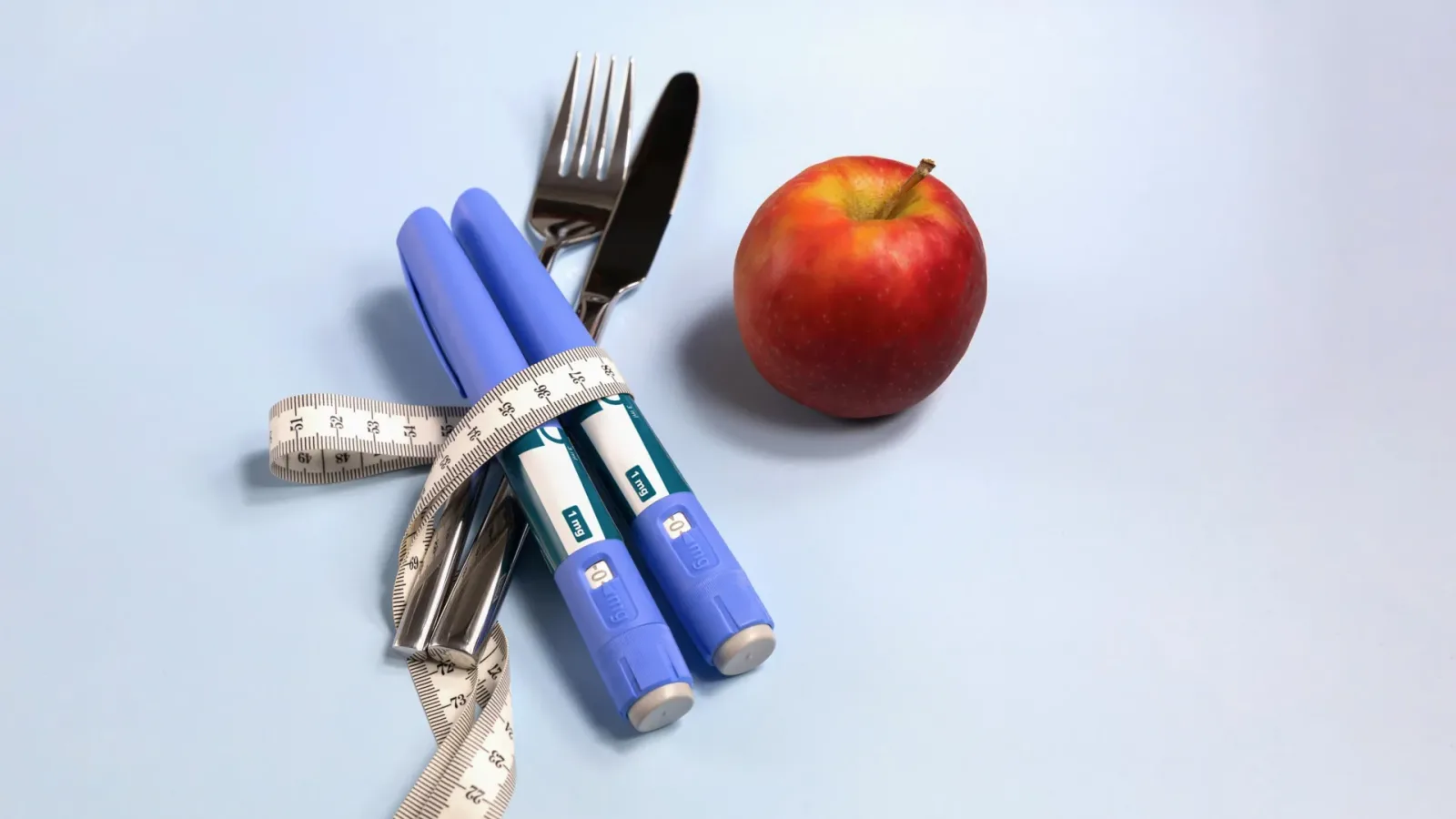
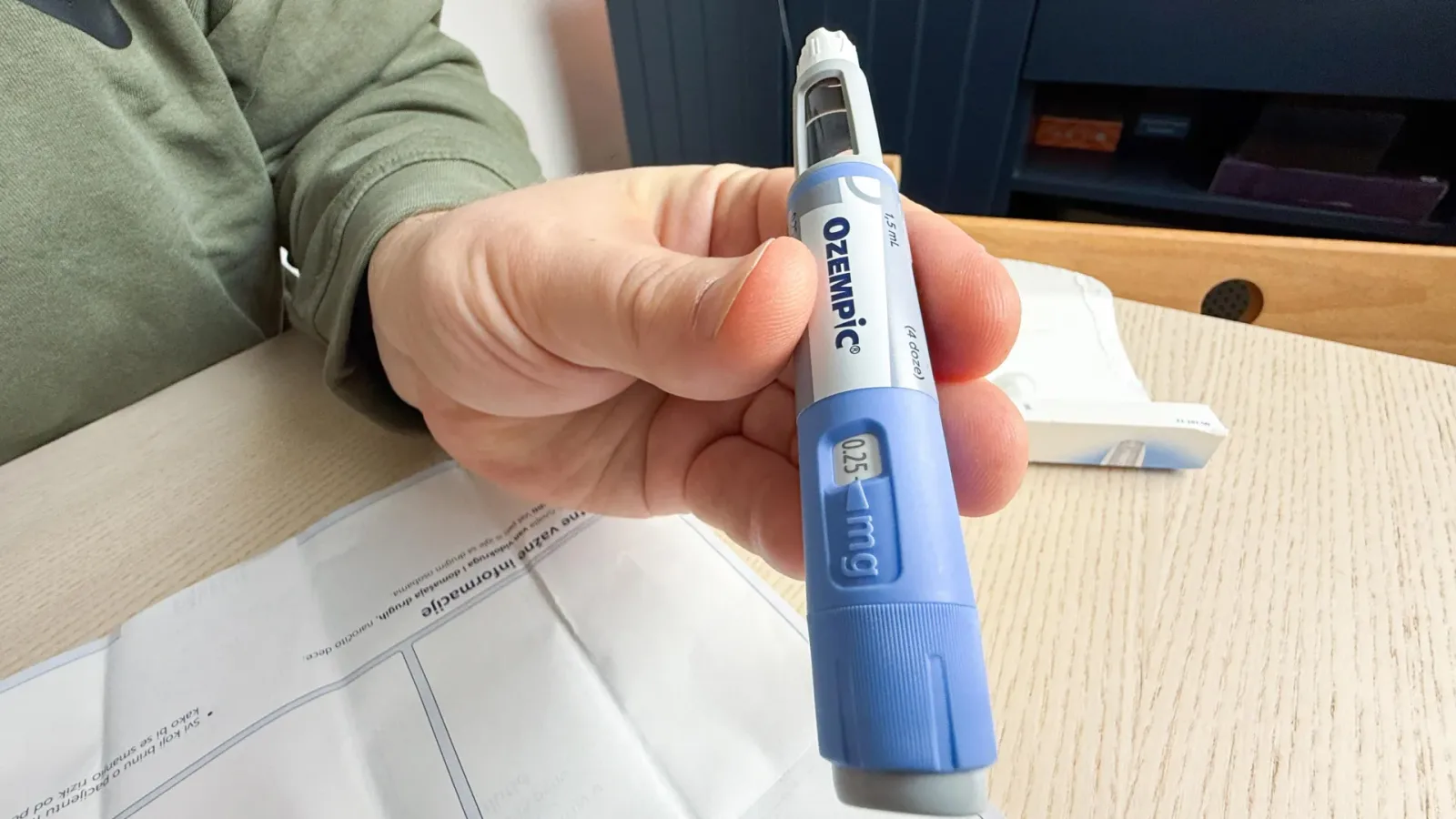
One promising option is GLP-1 drugs like Ozempic and Wegovy, which help people lose weight more effectively than older treatments. But there's a catch: these medicines also lower the body's natural calorie burn, and scientists still don't know what that means for long-term health. This has spurred interest in strategies that naturally boost energy expenditure, such as enhancing thermogenesis—the process by which the body burns calories to produce heat.
Understanding Thermogenesis: The Body's Built-In Fat Burner
Thermogenesis is the body's way of generating heat, often activated in response to cold. We already know one natural trick: cold exposure. Shivering may be uncomfortable, but it forces the body to crank up its calorie burn to stay warm. Decades of research show that both mice and humans use more energy in the cold, thanks to the activation of special heat-producing fat cells known as beige fat.
Beige fat, located under the skin, can switch from energy storage to heat production mode. Unlike white fat, which hoards calories, beige fat acts as a metabolic spark plug. The University of Southern Denmark study asked a bold question: Can diet alone switch on this thermogenesis, turning meals into a tool to fight obesity without the discomfort of constant cold?
The Study: Cutting Methionine and Cysteine to Ignite Thermogenesis
Study Design and Methods
Researchers focused on reducing the levels of two amino acids in food: methionine and cysteine. These building blocks of protein play many roles in the body, from making proteins and regulating genes to protecting DNA, balancing oxidation, and fueling energy production.
Animal-based foods like meat, eggs, and dairy are packed with methionine and cysteine. In contrast, plant-based foods such as vegetables, nuts, and legumes contain much lower amounts. Interestingly, plant-rich diets have long been linked to healthier aging.
A team including Aylin Güller, Marcus Rosendahl, Natasa Stanic, and lead researcher Jan-Wilhelm Kornfeld adjusted amino acid levels in the mice's food over seven days. They compared this to mice kept at a chilly 5°C around the clock, a standard for inducing cold thermogenesis.
Striking Results in Mice
The results were striking: mice on the low-methionine, low-cysteine diet burned more calories than those on a standard diet. Lead researcher Jan-Wilhelm Kornfeld explained: "The mice that burned the most energy ate the same amount of food as the others, and they didn't move more or less. We saw a 20% increase in their thermogenesis. They lost more weight, and it was not because they ate less or exercised more; they simply generated more heat."
This diet-induced thermogenesis produced almost the same weight loss as constant cold exposure. The extra calorie burn came from beige fat, which lit up during both diet-induced and cold-induced thermogenesis.
"This tells us that beige fat doesn't care whether the burning is triggered by cold or by diet," says Philip Ruppert.
Ruppert, a molecular biologist with a PhD, was at SDU when the study was performed and is now at Cornell University in New York.
Precision tracking for your journey
Join thousands using Shotlee to accurately track GLP-1 medications and side effects.
📱 Get the Shotlee App
Track your GLP-1 medications, peptides, and health metrics on the go with our mobile app!
How Does This Compare to Cold Exposure and Other Methods?
Tweaking diet was nearly as effective as living in constant cold at 5°C. Research identifies the body's reaction to seven days fasting, but this study highlights diet as a milder, sustainable alternative. Unlike shivering, which demands discomfort, a low-methionine, low-cysteine approach activates the same pathways voluntarily through food choices.
It also contrasts with GLP-1 drugs, which suppress appetite but reduce resting metabolic rate. This dietary strategy boosts it, potentially complementing medications.
Links to Plant-Based Diets and Long-Term Health
That means vegetarians and vegans, by avoiding animal products, naturally eat less methionine and cysteine than people who regularly consume meat. This difference may help explain why plant-based diets are often associated with better long-term health outcomes. Ruppert notes: "We know from other studies that vegetarians and vegans are, in several respects, healthier than meat-eaters. We haven't tested a methionine/cysteine-restricted diet in humans, only in mice, so we can't say for certain that the same effect would occur in people -- but it's absolutely a possibility."
Safety Considerations and Side Effects
While promising, this research is preclinical—conducted only in mice. Methionine and cysteine are essential amino acids, so severe restriction requires medical supervision to avoid deficiencies. Plant-based diets naturally lower levels without extremes, but balance with protein sources is key. Common concerns include muscle loss or fatigue, though the study showed no such issues in mice eating the same calories.
Patients on GLP-1 therapies should consult doctors before dietary changes, as nutrient interactions could affect drug efficacy.
Future Directions: From Mice to Humans
Researchers believe the next frontier is finding safe ways to boost the body's calorie burn without demanding big lifestyle changes. One idea is to design functional foods naturally low in methionine and cysteine.
"It would also be interesting to study whether Wegovy patients experience additional weight loss if they switch to a diet without the amino acids methionine and cysteine -- in other words, a diet free of animal proteins," says Kornfeld.
This discovery suggests that well-designed diets might someday match the calorie-burning effects of cold exposure. This could provide new methods to combat obesity without the discomfort of cold temperatures.
Practical Guidance for Patients
If considering a low-methionine, low-cysteine approach, start with more plant foods: emphasize vegetables, nuts, legumes, and grains while limiting meat, eggs, and dairy. Track intake using apps or tools like Shotlee for monitoring symptoms, side effects, or medication schedules alongside dietary shifts.
Discuss with a healthcare provider, especially if you have conditions like diabetes or are on GLP-1 drugs. Blood tests can monitor amino acid levels and overall nutrition.
Key Takeaways
- A University of Southern Denmark study showed mice on a low-methionine, low-cysteine diet had 20% higher thermogenesis and weight loss without reduced intake or more activity.
- This activates beige fat similarly to cold exposure.
- Plant-based diets naturally lower these amino acids, linking to health benefits.
- Human trials needed; potential synergy with Wegovy.
- Consult professionals before changes.
Conclusion: A Dietary Spark for Metabolic Health
This study spotlights diet-induced thermogenesis as a novel obesity tool, preserving core metabolic function unlike some drugs. By focusing on methionine and cysteine, it opens doors to sustainable, exercise-free fat burning. Stay tuned for human studies, and prioritize evidence-based steps with your doctor for lasting results.