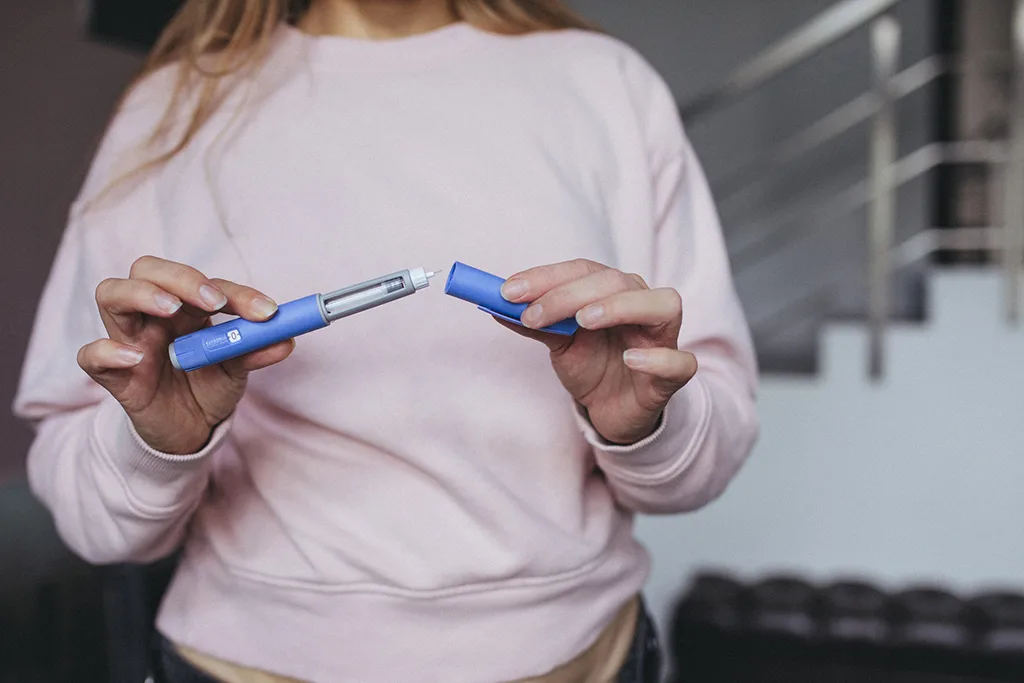
Semaglutide NAION risk has been a topic of concern following prior research suggesting potential links to eye complications. However, new data from a large-scale analysis presented in San Diego indicates that semaglutide (Ozempic/Wegovy, Novo Nordisk) does not appear to raise the risk of non-arteritic anterior ischemic optic neuropathy (NAION) in patients with overweight or obesity. This finding counters earlier inconsistent reports and provides reassurance for GLP-1 receptor agonist users.
What is NAION and Why Does It Matter for GLP-1 Users?
Non-arteritic anterior ischemic optic neuropathy (NAION) is a rare but serious eye condition characterized by sudden, painless vision loss in one eye due to reduced blood flow to the optic nerve. It typically affects middle-aged and older adults, with risk factors including hypertension, diabetes, obesity, and sleep apnea. Baseline incidence is low—estimated at 2-10 cases per 100,000 people annually—but patients with type 2 diabetes and obesity already face elevated risks due to vascular complications.
Prior studies, as previously reported by Healio, suggested semaglutide might increase NAION and other issues like diabetic retinopathy. However, Richele Corrado, DO, MPH, FACP, DABOM, clinical associate professor of medicine at Uniformed Services University of the Health Sciences, and colleagues highlighted limitations in those findings: small sample sizes, referral bias, and lack of racial/ethnic diversity. Speaking to Healio, Corrado noted, "the risk for ophthalmologic conditions, particularly NAION, 'is so incredibly rare at baseline.'"
Because underlying conditions like type 2 diabetes and obesity independently heighten NAION susceptibility, distinguishing drug effects from disease severity is challenging. "For most individuals, I'm not incredibly worried about this potential increased risk for NAION," Corrado said. She recommends monitoring key metrics like blood sugar and blood pressure (BP).
Study Design and Population
The researchers analyzed NAION incidence in 1,212,775 adults from the Military Health System Data Repository who received GLP-1 receptor agonists or non-GLP-1 therapies between December 7, 2017, and September 30, 2023. The cohort included:
- 239,246 patients with overweight or obesity
- 973,529 patients with type 2 diabetes
This diverse, real-world dataset from a military population minimizes some biases seen in smaller studies, offering robust insights into semaglutide eye complication risks.
Key Findings on Semaglutide and NAION
After adjusting for comorbidities, semaglutide use was associated with lower odds of NAION (OR = 0.36; 95% CI, 0.25-0.51) compared to non-GLP-1 therapies in patients with type 2 diabetes—translating to a 64% reduced risk. In patients with overweight or obesity without diabetes, semaglutide showed no association with increased NAION risk.
Corrado and colleagues wrote that these results "contrast with prior smaller or referral-based studies suggesting increased risk, likely reflecting differences in study design, population characteristics and confounding factors."
Precision tracking for your journey
Join thousands using Shotlee to accurately track GLP-1 medications and side effects.
📱 Get the Shotlee App
Track your GLP-1 medications, peptides, and health metrics on the go with our mobile app!
How Semaglutide Works: Mechanisms and Broader Benefits
Semaglutide, a GLP-1 receptor agonist, mimics the glucagon-like peptide-1 hormone to regulate blood sugar, slow gastric emptying, and promote satiety, leading to significant weight loss. Administered weekly via subcutaneous injection (Ozempic for diabetes, Wegovy for obesity), it has demonstrated cardiovascular benefits, including reduced heart attack and stroke risks in trials like SELECT and SUSTAIN.
While eye safety concerns arose from case reports and smaller analyses, this study suggests no causal link to NAION. Semaglutide's improvements in glycemic control, weight, and vascular health may even offer protective effects against ischemic events.
Limitations of the Study
The researchers acknowledged potential issues with administrative claims data, including coding inaccuracies, unconfirmed medication adherence, and diagnostic validity. Residual confounders like unmeasured disease severity (e.g., weight, glycemic control, BP), or temporal links between drug initiation and NAION onset, could influence results. Future research, per Corrado, should explore if high A1c or rapid BP changes contribute: "If someone has an A1c of 10%, they're at an increased risk just from that. So, is that what's contributing to it? Same with BP. Is it rapid reductions in BP from de-escalating antihypertensive medications and that's contributing? Those are the things we need to further delineate."
Implications for Patients and Clinicians
Corrado and colleagues concluded that NAION concerns "should not preclude appropriate prescribing." Clinicians should individualize therapy, especially for those with higher baseline risks like vascular factors or anatomic susceptibilities (e.g., small cup-to-disc ratios), and monitor accordingly.
What this means for patients on Ozempic or Wegovy:
- Discuss eye health history with your doctor before starting semaglutide.
- Regularly monitor A1c, BP, and weight—tools like apps for symptom tracking (e.g., Shotlee for medication schedules and side effects) can help.
- Report sudden vision changes immediately; routine ophthalmologic exams are advised for diabetes patients.
- Compare to alternatives: Non-GLP-1 therapies showed higher NAION odds here, but options like tirzepatide (Mounjaro/Zepbound) warrant similar scrutiny.
Semaglutide's safety profile remains strong, with common side effects like nausea far outweighing rare NAION risks. Benefits for metabolic health often justify use in eligible patients.
Key Takeaways
- Semaglutide does not increase NAION risk in overweight/obesity patients and lowers it by 64% in type 2 diabetes.
- Prior concerns stemmed from flawed studies; this large analysis provides clarity.
- Focus on managing underlying risks: blood sugar, BP, and obesity.
- NAION fears should not deter GLP-1 therapy when appropriate.
Conclusion: Reassurance for Semaglutide Users
This Military Health System study alleviates Wegovy vision side effects worries, affirming semaglutide's eye safety. Patients and providers can confidently prioritize its metabolic benefits while vigilant monitoring ensures optimal outcomes. Consult your healthcare team for personalized advice on GLP-1 therapies and eye health surveillance.