
Introduction
In a significant step for UK weight management, more than 11,600 individuals in Norfolk and Waveney are projected to qualify for Mounjaro (tirzepatide) prescriptions through the NHS. This once-weekly injection, approved for weight loss in November 2023, targets obesity and related conditions like type 2 diabetes. As demand surges—with a University College London study estimating 1.6 million UK adults using weight loss medications from early 2024 to early 2025—Mounjaro emerges as a frontrunner alongside semaglutide-based options like Ozempic and Wegovy.
This comprehensive guide unpacks Mounjaro's mechanism, NHS eligibility criteria (including BMI 40+ requirements), rollout details, clinical evidence, and practical advice for patients. Whether you're exploring options for obesity or supporting metabolic health, understanding tirzepatide empowers informed decisions.
What is Mounjaro (Tirzepatide)?
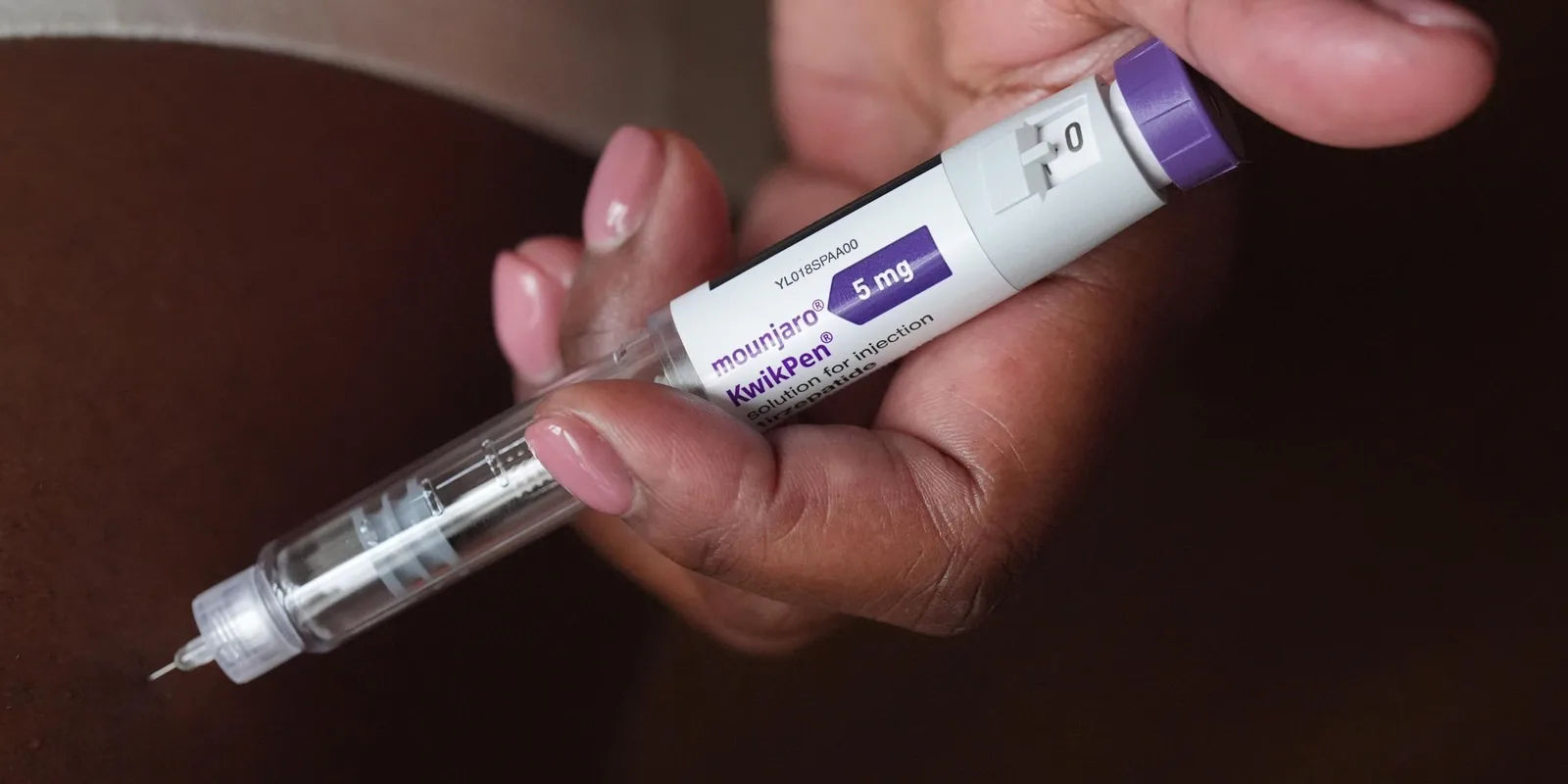
Mounjaro, the brand name for tirzepatide, is a synthetic peptide that acts as a dual agonist for GLP-1 (glucagon-like peptide-1) and GIP (glucose-dependent insulinotropic polypeptide) receptors. Unlike single GLP-1 agonists, this dual action enhances insulin secretion, slows gastric emptying, and suppresses appetite more potently.
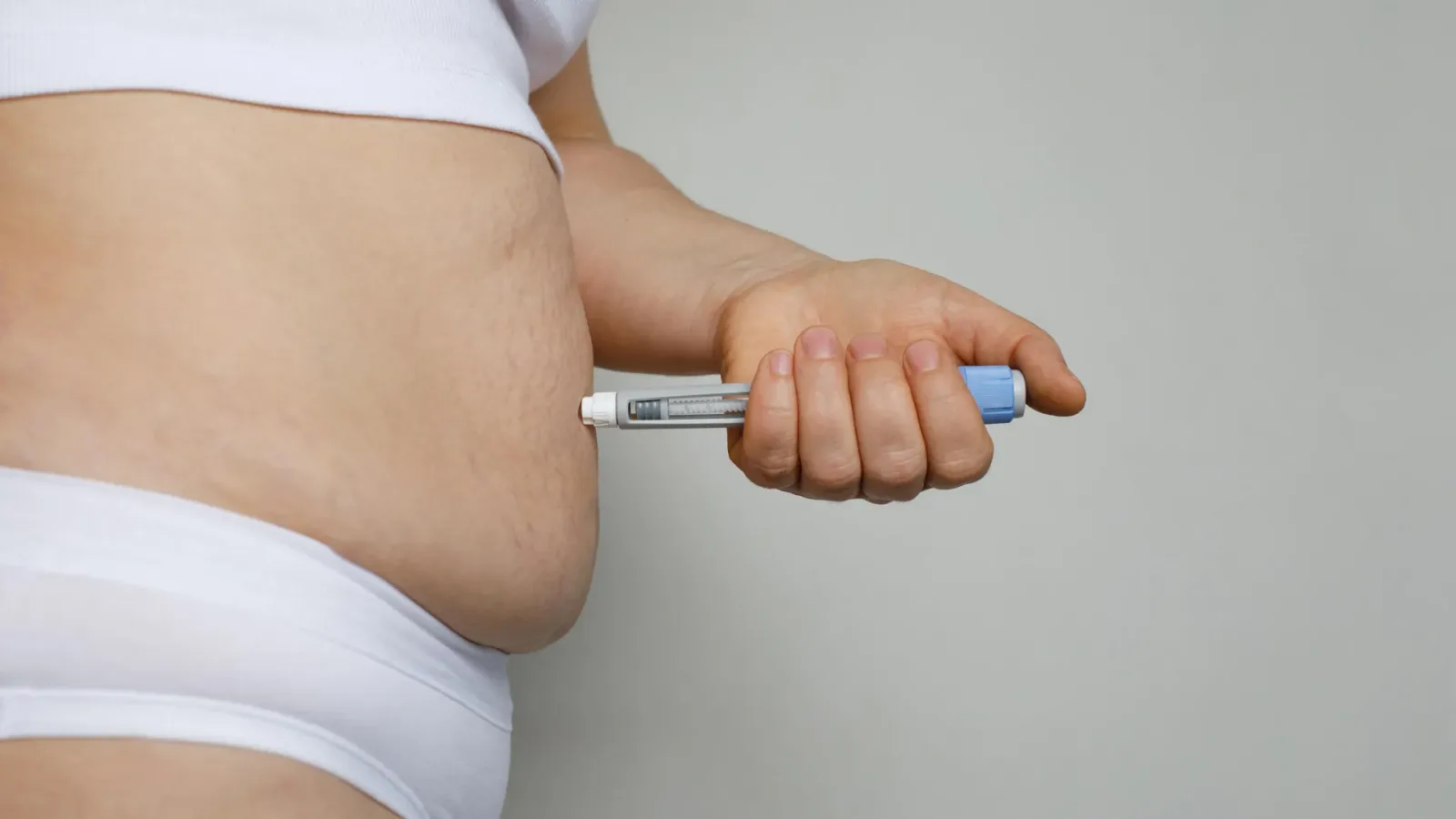
Administered as a subcutaneous injection once weekly, dosing starts at 2.5 mg and titrates up to 15 mg based on tolerance and response. It's approved for adults with BMI ≥30 kg/m² (or ≥27 kg/m² with weight-related conditions) alongside diet and exercise, and for type 2 diabetes management.
"Tirzepatide's dual mechanism delivers superior weight loss—up to 22.5% body weight reduction in trials—compared to GLP-1 monotherapies." – SURMOUNT-1 trial summary.
How GLP-1/GIP Agonists Like Mounjaro Work
These medications mimic gut hormones released after eating. GLP-1 signals fullness to the brain, reduces hunger via hypothalamic pathways, and delays stomach emptying for prolonged satiety. GIP complements this by improving fat metabolism and insulin sensitivity.
Clinically, this translates to reduced caloric intake (300-500 kcal/day) without muscle loss when paired with protein-rich diets. A 2023 meta-analysis in The Lancet confirmed tirzepatide's edge: average 15-20% weight loss over 72 weeks versus 10-15% for semaglutide.
Mounjaro vs. Ozempic and Wegovy: Key Differences
- Tirzepatide (Mounjaro/Zepbound): Dual GLP-1/GIP; higher weight loss (15-22%); weekly dosing up to 15 mg.
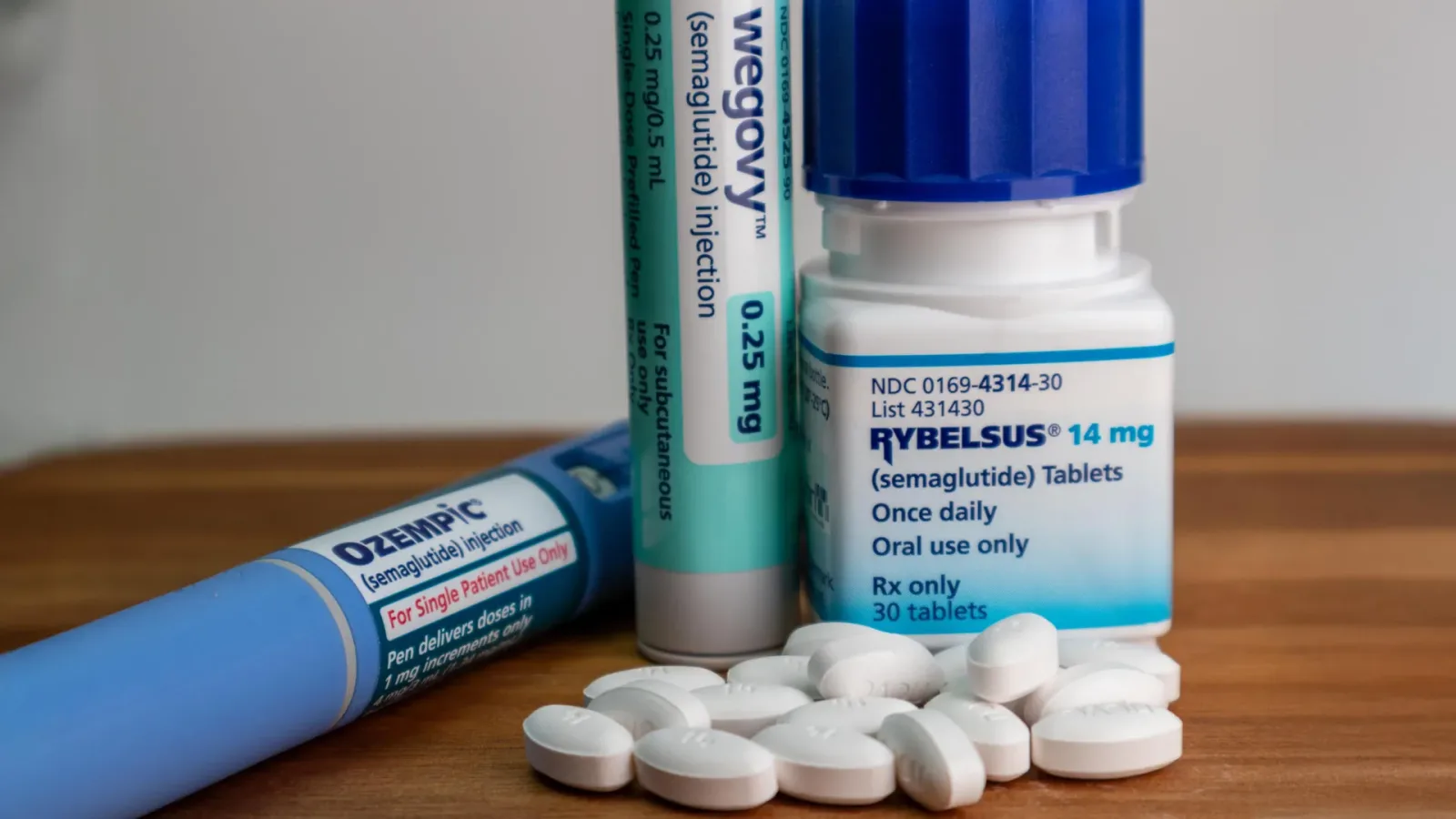
- Semaglutide (Ozempic/Wegovy): GLP-1 only; 10-17% loss; doses up to 2.4 mg weekly. Ozempic is diabetes-focused; Wegovy for weight.
For head-to-head context, SURPASS-2 trial showed tirzepatide outperforming semaglutide in A1C reduction and weight loss among type 2 diabetes patients.
NHS Mounjaro Eligibility Criteria
The NHS England rollout, launched in June 2025, is phased to prioritize high-need patients. Eligibility focuses on BMI and comorbidities, ensuring equitable access amid supply constraints.
Cohort 1 (Current Priority)
BMI ≥40 kg/m² plus ≥4 qualifying conditions: type 2 diabetes, hypertension, dyslipidemia (high cholesterol/abnormal fats), sleep apnea, or cardiovascular disease.
Cohort 2 (2026)
BMI 35-39.9 kg/m² plus ≥4 conditions. In Norfolk/Waveney, ~2,700 qualify.
Cohort 3 (2027-2028)
BMI ≥40 kg/m² plus ≥3 conditions. ~7,700 locals eligible.
Qualifying patients must commit to lifestyle changes; prescriptions require specialist referral initially, transitioning to GPs/pharmacists.
Precision tracking for your journey
Join thousands using Shotlee to accurately track GLP-1 medications and side effects.
📱 Get the Shotlee App
Track your GLP-1 medications, peptides, and health metrics on the go with our mobile app!
Rollout Timeline in Norfolk and Waveney
The Norfolk and Waveney ICB revealed via FOI that 11,600 meet criteria over coming years. While GPs/pharmacists began prescribing in June 2025 for ready practices, the main community-based service—handling most doses—delayed from late 2025 to March 2026.
This shift aligns with forming a Norfolk/Suffolk ICB in April 2026, integrating Suffolk's model. Patients: Check with your GP; private access remains via pharmacies in the interim.
Prevalence of Weight-Related Conditions Locally
FOI data underscores need: 356,467 residents have ≥1 condition (hypertension: high numbers; full breakdown: 173,025 with 1; 124,294 with 2; 49,434 with 3; 9,174 with 4; 542 with 5). Excess weight amplifies risks—e.g., sleep apnea triples cardiovascular events.
Nationally, 26% of UK adults are obese; Mounjaro addresses this pharmacologically where lifestyle alone falls short.
Clinical Evidence and Benefits
SURMOUNT-1 (n=2,539, BMI ≥30): 15 mg tirzepatide yielded 20.9% weight loss vs. 3.1% placebo at 72 weeks. Cardiometabolic gains: 82% normalized triglycerides; 85% resolved prediabetes.
SURMOUNT-2 (type 2 diabetes): 15.7% loss. Long-term: Sustained efficacy with adherence; muscle preservation via resistance training key.
Real-world data: UCL study notes Mounjaro's popularity, with rapid adoption post-approval.
Managing Side Effects
Common: Nausea (25-30%), diarrhea, vomiting—titrate slowly to mitigate. Rare: Pancreatitis, gallbladder issues (monitor). GI symptoms peak early, resolve in 80%.
Pro tip: Start protein shakes; hydrate. Tools like Shotlee help track symptoms, side effects, and nutrition alongside dosing for personalized adjustments.
Maximizing Results: Lifestyle Synergy
Mounjaro amplifies—not replaces—habits. Aim: 1.5g protein/kg body weight, strength training 3x/week, 150 min cardio. Studies show +5% loss with exercise.
Track progress: Apps like Shotlee log intake, mood, and energy, optimizing therapy.
Conclusion
Mounjaro's NHS rollout promises access for 11,600+ in Norfolk/Waveney, targeting BMI 35-40+ with comorbidities via phased cohorts through 2028. Backed by robust trials, its dual-agonist power offers transformative weight loss and metabolic benefits. Consult your GP for eligibility; pair with lifestyle for lasting health. Stay informed—evidence-based tools turn potential into progress.