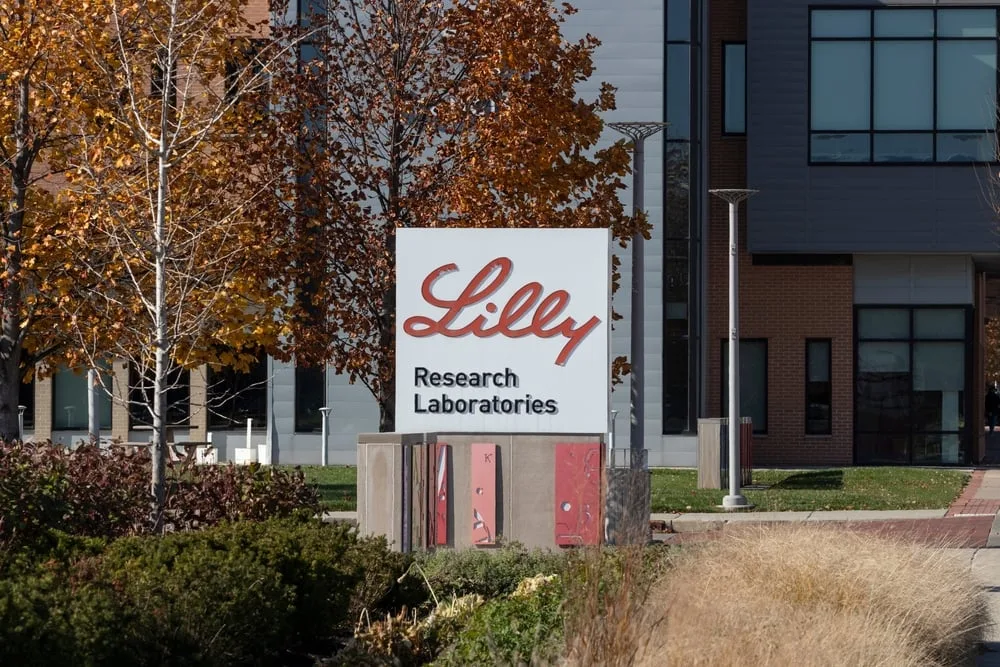

The Roadblock: Mounjaro Fails to Secure PBS Listing for Type 2 Diabetes
In a significant setback for Australians managing Type 2 Diabetes (T2D), Eli Lilly Australia has confirmed that Mounjaro (tirzepatide) will not be made available through the Pharmaceutical Benefits Scheme (PBS). This decision follows four unsuccessful attempts over three years to negotiate a viable funding agreement with the Australian Government.
Mounjaro, a dual GIP/GLP-1 receptor agonist, has shown remarkable efficacy in clinical trials for both blood glucose control and significant weight loss. Its absence from the subsidized list entrenches a two-tier access system, forcing patients to choose between paying high out-of-pocket costs or relying on older, potentially less effective treatments.
Manny Simons, General Manager of Lilly Australia and New Zealand, expressed deep regret, stating, "We do not make this decision lightly. After four reimbursement submissions and extensive departmental engagement over three years, we were left with no other option." This outcome disappoints the hundreds of thousands of Australians relying on innovative treatments for chronic cardiometabolic conditions.
Understanding the Conflict: Clinical Value vs. Funding Conditions
The Pharmaceutical Benefits Advisory Committee (PBAC) ultimately acknowledged the substantial clinical value of Mounjaro for T2D management. However, the conditions attached to the proposed listing were deemed commercially unviable and unsustainable by Eli Lilly.
Key Reasons for the Listing Failure
The impasse centered on rigid pricing structures and funding limitations imposed by the government’s review process. These factors created an environment where innovative medicines are chronically undervalued compared to established therapies.
- Unrealistic Global Pricing Benchmarks: The proposed price the Australian Government was willing to pay was significantly lower than the reimbursed price in virtually every other country where Mounjaro is funded, including nations with comparable healthcare systems (like the UK) and those with lower GDP per capita (like China).
- Restrictive Funding Caps: The recommendation included strict financial caps that would have shifted disproportionate financial risk onto Lilly. Crucially, the PBAC rejected safeguards that would have limited prescribing only to eligible, high-need patients. Without these safeguards, Lilly would have been financially responsible for the treatment costs of any patient prescribed the medication.
- Outdated Value Assessment: The valuation of Mounjaro was benchmarked against a medicine nearly two decades old—a therapy that is no longer even available in Australia and required 14 times more injections.
- Wholesaler/Pharmacy Distribution Costs: Under the existing payment structure, a significant portion of the proposed expenditure would flow to wholesalers and pharmacies rather than the manufacturer, rendering long-term supply via the PBS unsustainable for Lilly.
As Associate Professor Sof Andrikopoulos, CEO of the Australian Diabetes Society, noted, this situation penalizes Australians living with T2D by impeding access to therapies that could effectively manage their condition and reduce the risk of serious complications.
The Two-Tier System and Global Context
The World Health Organization (WHO) designates Mounjaro as an Essential Medicine for Type 2 Diabetes, underscoring its importance based on robust clinical evidence. The fact that 11 other countries, including major economies and those with fewer resources, have successfully funded this therapy starkly contrasts with the Australian situation.
This failure to list Mounjaro highlights systemic issues within Australia’s medicine access framework, which experts argue often undervalues medical innovation. When access to cutting-edge treatments like GLP-1/GIP agonists depends solely on a patient's ability to afford the full retail price, it creates significant equity concerns.
For patients currently managing their condition, tracking adherence, side effects, and efficacy is crucial. While the PBS barrier remains, digital health tools—like those offered by Shotlee—become even more vital for individuals self-funding these advanced peptide therapies to ensure they are maximizing their investment through consistent tracking and dose management.
Precision tracking for your journey
Join thousands using Shotlee to accurately track GLP-1 medications and side effects.
📱 Get the Shotlee App
Track your GLP-1 medications, peptides, and health metrics on the go with our mobile app!
Implications for Weight Management (Obesity Treatment)
While Lilly’s statement specifically addressed the T2D indication, the underlying systemic barriers raise serious concerns for future access to Mounjaro for other cardiometabolic conditions, particularly the treatment of obesity.
Mounjaro (and its analogue, semaglutide, used in medications like Ozempic and Wegovy) offers substantial benefits for obesity management, a condition now recognized as a chronic disease requiring medical intervention. Mr. Simons indicated that based on this outcome, securing a PBS listing for Mounjaro for Australians living with obesity or obesity-related diseases will be extremely challenging under the current reimbursement framework.
“Based on today's outcome, it is difficult to see how a PBS listing for Mounjaro could be secured for Australians living with obesity or obesity-related disease.”
This is particularly concerning as the pipeline for new, highly effective GLP-1 therapies continues to expand, offering hope for millions. The Australian system must evolve to match the value these modern medicines deliver in managing long-term health burdens.
What This Means for Patients and Future Access
For the immediate future, Australians with T2D who would benefit most from Mounjaro will face significant hurdles. They must either:
- Continue with existing, subsidized therapies (which may include older insulin regimens or other diabetes medications).
- Access Mounjaro privately, incurring substantial, ongoing costs that many cannot sustain long-term.
- Seek access through clinical trials, if available.
Lilly has confirmed they remain focused on finding alternative pathways to make Mounjaro accessible for chronic cardiometabolic conditions, potentially exploring solutions outside the traditional PBS structure. However, patients must remain aware of the complexities involved in accessing these powerful peptide therapies.
The situation underscores the need for broader healthcare reform, as highlighted by Lilly: implementing the recommendations of the Health Technology Assessment (HTA) review and substantially increasing the budget allocated to innovative medicines could bridge the gap between clinical evidence and patient access.
Summary of Current Landscape
| Aspect | Mounjaro (Tirzepatide) Status in Australia | Global Context |
|---|---|---|
| PBS Listing (T2D) | Failed to proceed due to unsustainable funding terms. | Funded in 11 countries, including the UK and China. |
| Clinical Recognition | PBAC acknowledged clinical value. | Listed by WHO as an Essential Medicine. |
| Obesity Indication | Future PBS access highly uncertain under current policies. | Access varies widely based on national reimbursement strategies. |
Practical Takeaways for Patients
If you are an Australian living with Type 2 Diabetes or obesity and were hoping to access Mounjaro via the PBS:
Consult your specialist immediately. Discuss alternative subsidized GLP-1 options (like semaglutide if approved for your indication) or other established T2D management plans. If you choose to access Mounjaro privately, utilize robust health tracking methods to monitor your response, side effects, and dose progression. Accurate logging of blood sugar levels and weight changes is essential for both you and your prescribing physician when managing expensive, high-efficacy medications.
Conclusion
The decision by Eli Lilly not to proceed with the PBS listing for Mounjaro in Type 2 Diabetes is a direct consequence of funding conditions deemed unviable by the manufacturer. While the clinical efficacy of this dual GIP/GLP-1 agonist is undisputed, bureaucratic inflexibility and outdated valuation methods have barred subsidized access for many Australians. This ongoing challenge in accessing next-generation peptide therapies like tirzepatide demands systemic reform to ensure equitable, timely access to essential modern medicine.