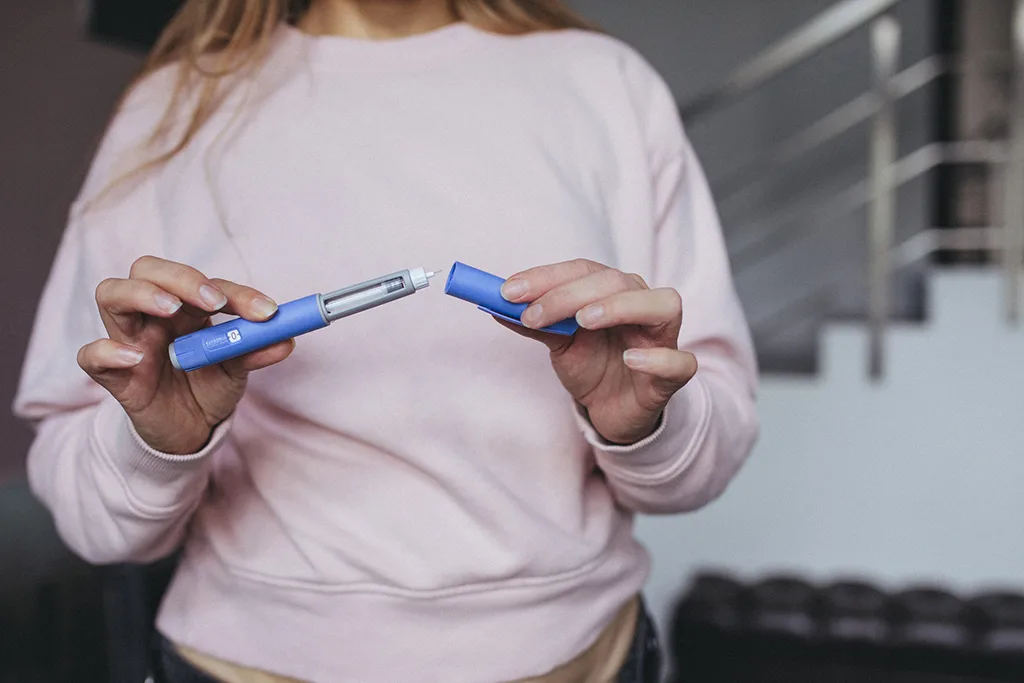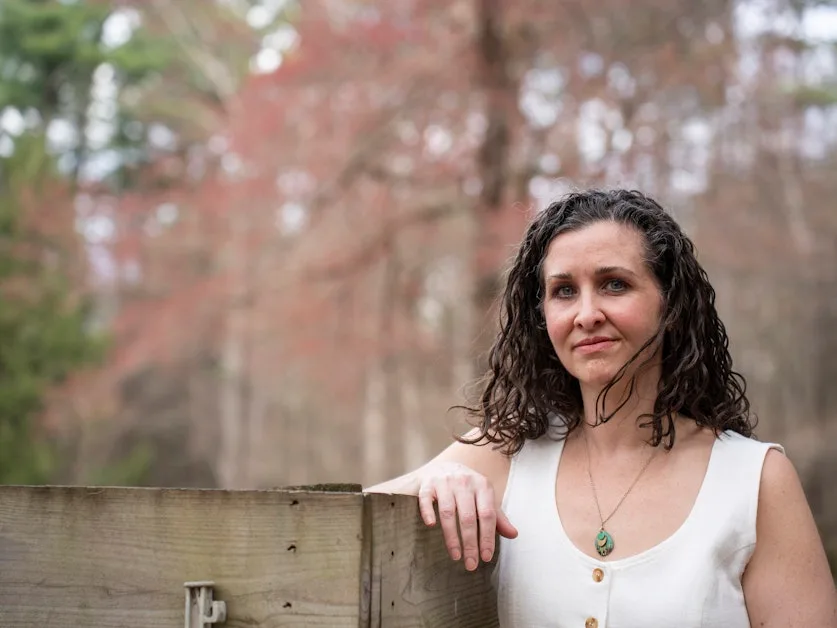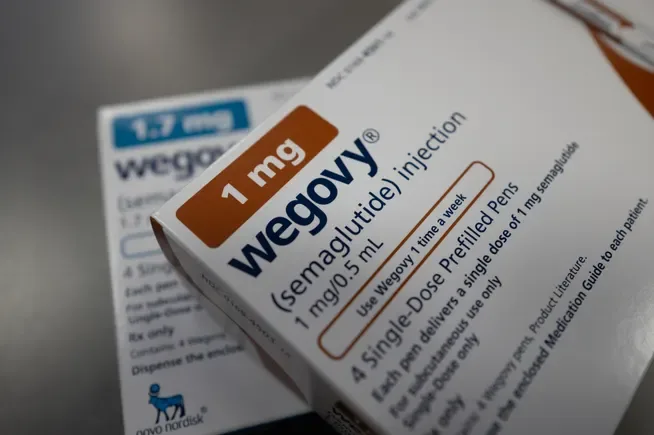

In the world of GLP-1 medications like Ozempic (semaglutide), a new trend called microdosing Ozempic is gaining attention. Even as discussions about side effects continue, demand remains high among those seeking weight management and metabolic health. A compelling personal story comes from 67-year-old sexagenarian Bobbi Parker-Hall, who shared her experience with What's The Jam.
Who Is Bobbi Parker-Hall and Why Microdose Ozempic?
Bobbi Parker-Hall, a 67-year-old woman navigating life post-menopause, has openly discussed her use of microdosing Ozempic. Speaking to What's The Jam, she addressed common assumptions about her appearance: "Some people ask what surgery I've had and others assume it's good Botox, filters or genetics -- but the truth isn't glamorous." She clarified her goals: "I'm not chasing skinny; I'm protecting my metabolism, muscle and long-term health. That's why I microdose."
Her approach emphasizes sustainability over rapid transformation. "Used carefully alongside lifting and real nutrition, microdosing feels less like dieting and more like stability," she stated. "My cravings are calm, my weight is steady and food no longer runs the show." Parker-Hall warns against pitfalls of aggressive weight loss: "Rapid weight loss without strength training also causes Ozempic face or butt."
Post-menopause, she feels empowered: "For some reason, a strong and lean woman after 60 feels suspicious to people. I won't pretend it's all down to me -- but I've become more attractive and healthier after menopause and I refuse to disappear."
Ozempic Background: A GLP-1 Agonist for Metabolic Health
Ozempic, primarily approved for type 2 diabetes management, mimics the GLP-1 hormone to regulate blood sugar, slow gastric emptying, and reduce appetite. Off-label, it's widely used for weight loss due to these effects on metabolism. While full doses (typically 0.25mg to 2.4mg weekly) drive significant results, microdosing appeals to those wanting subtler benefits with potentially fewer side effects.
For women like Parker-Hall in their 60s, preserving muscle mass and metabolic rate is crucial. Menopause often accelerates sarcopenia (muscle loss) and fat gain, making interventions like GLP-1 therapy valuable when combined with resistance training and nutrition.
The Intimacy Factor: Multiple Orgasms and Beyond
Parker-Hall's story takes a personal turn with intimacy benefits. "The intimacy I share with my husband, Dean, has made me feel a deep sense of closeness and safety on so many levels, that I'm now enjoying multiple orgasms every time we have sex," she declared. "This depth of pleasure and intimacy is a precious gift."
How Might Microdosing Ozempic Influence Intimacy?
While not a direct claim from clinical trials, weight stabilization and improved body composition from Ozempic can enhance confidence, energy, and circulation—factors linked to sexual health. Reduced cravings may lower inflammation, supporting hormonal balance post-menopause. Steady weight helps avoid 'Ozempic face' (facial sagging from fat loss), preserving a youthful appearance that boosts self-esteem. Always discuss such outcomes with a healthcare provider, as individual responses vary.
Ozempic Microdosing Explained
Ozempic microdosing involves taking a lower dosage of the drug than the manufacturer or the FDA recommends. The idea behind microdosing any drug is that you may be able to get the same health benefit with a much smaller dosage.
Precision tracking for your journey
Join thousands using Shotlee to accurately track GLP-1 medications and side effects.
📱 Get the Shotlee App
Track your GLP-1 medications, peptides, and health metrics on the go with our mobile app!
A lower dosage involves either of these alternative dosing regimens:
- Taking a lower dose (amount) of the drug at the recommended frequency
- Taking the recommended dose less frequently.
Standard Ozempic starts at 0.25mg weekly, titrating up. Microdosing might mean staying at 0.25mg or 0.5mg indefinitely, or every other week. This off-label practice aims for appetite control and metabolic support without full-dose intensity.
Potential Benefits of Low-Dose Ozempic
Parker-Hall's experience highlights calmer cravings, steady weight, and muscle preservation when paired with lifting. For metabolic health, it supports long-term stability, especially for older adults. Tools like Shotlee can help track symptoms, side effects, or dosing schedules during experimentation.
Risks and Safety Considerations
Microdosing isn't FDA-approved and carries risks like gastrointestinal issues (nausea, diarrhea), though milder at low doses. Without strength training, rapid loss risks 'Ozempic face or butt'—sagging skin from fat depletion. Thyroid concerns or pancreatitis risks apply broadly. Consult a doctor for personalized dosing, monitoring, and alternatives like diet or other GLP-1s (e.g., Wegovy).
Who Might Consider Microdosing Ozempic?
Ideal for those not seeking dramatic loss but maintenance, like post-menopausal women protecting metabolism. Discuss with providers if you have:
- Stable weight with cravings
- Muscle preservation goals
- Metabolic concerns post-50
Combine with resistance training (2-3x/week) and protein-rich nutrition for best results, as Parker-Hall does.
Comparisons: Microdosing vs. Full-Dose Ozempic
Full-dose yields 15-20% body weight loss in trials but higher side effects. Microdosing offers subtlety, suiting long-term use without escalation. Versus lifestyle alone, it provides hormonal leverage for appetite control.
Key Takeaways: What This Means for Patients
- Microdosing Ozempic can support metabolic health and stability, as shared by 67-year-old Bobbi Parker-Hall.
- Pair with lifting and nutrition to avoid sagging and preserve muscle.
- Unexpected perks like enhanced intimacy may arise from overall well-being.
- Always prioritize medical guidance—microdosing is off-label.
- Track progress with apps for symptoms and adherence.
Conclusion: A Personalized Path to Health
Bobbi Parker-Hall's story reframes microdosing Ozempic as a tool for vitality, not vanity. By protecting metabolism and embracing strength, she exemplifies sustainable GLP-1 use. If considering this, start conversations with your doctor for safe, tailored integration into your routine.