
Can Ozempic Be Used for Addiction Treatment?
The belief that Ozempic might have effects on addictions is becoming increasingly prevalent, particularly in certain online communities. However, this notion requires careful examination.
In recent years, alternative viewpoints on health and medicine have gained popularity online, especially on social media. Within this context, the idea has emerged that Ozempic, known for its weight loss effects, could positively impact conditions like ADHD, alcoholism, social anxiety, or neurological disorders. A recent analysis highlighted that these beliefs often stem from personal stories rather than scientific proof.
Ozempic is presented in podcasts, video essays, and social media posts as a drug that can "rebalance" the body beyond its traditional use. This perspective gains traction due to a general distrust of institutional medicine and the belief that the body can heal autonomously if properly stimulated. Personal experiences often outweigh clinical studies within this framework; anecdotal evidence is often considered sufficient proof.
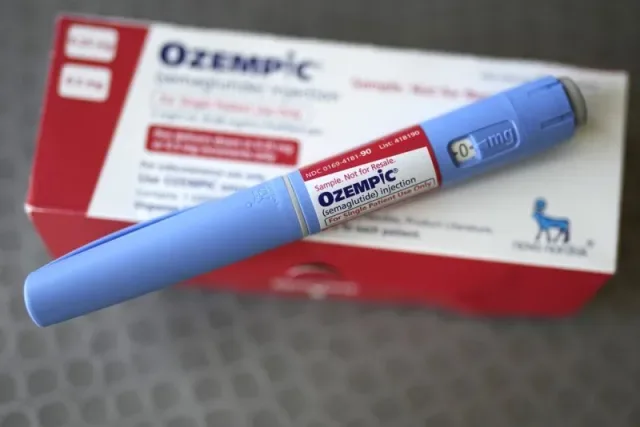
Ozempic is classified as a GLP-1 drug, initially developed for diabetes treatment. These drugs mimic a naturally produced hormone that regulates blood sugar, appetite, and satiety. Consequently, they have also proven effective in treating obesity. Health tracking apps like Shotlee can help monitor changes in appetite and blood sugar levels when using such medications.
Precision tracking for your journey
Join thousands using Shotlee to accurately track GLP-1 medications and side effects.
📱 Get the Shotlee App
Track your GLP-1 medications, peptides, and health metrics on the go with our mobile app!
The popularity of these drugs has surged in recent years, especially among young adults. In many countries, obtaining them through private prescriptions or online services is possible, even without clear medical indications. This has expanded their use and encouraged broader interpretations of their effects.
Ozempic and Mental Well-being
Some content creators suggest that microdosing Ozempic can enhance concentration, mood, and social behavior. However, medical experts point out that weight loss facilitated by Ozempic often leads to improved physical performance. This improvement may positively influence mental well-being, yet it does not indicate that the drug can treat psychological or neurological disorders.
Ongoing Research and Considerations
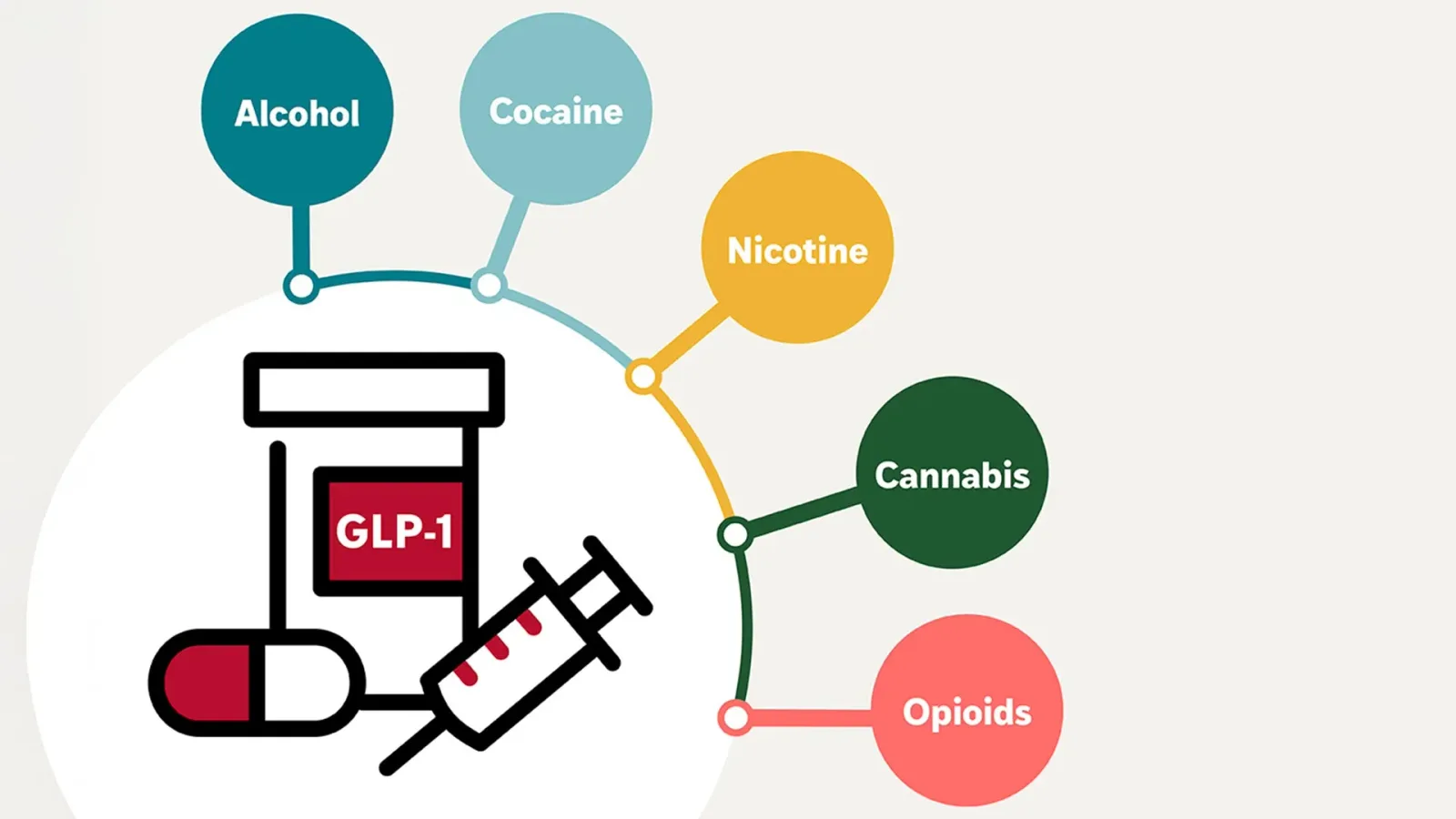
Generally speaking, the effects of drugs like Ozempic on the human brain are not yet fully understood. Some patients have reported that the drug reduces both appetite and the desire to consume alcohol. As a result, studies are underway to determine whether GLP-1 drugs can influence reward mechanisms and potentially reduce other forms of addiction, such as smoking or substance abuse.
The increasing number of Ozempic users has prompted numerous research groups to evaluate its potential applications in other clinical areas. In addition to addiction treatment, researchers are exploring whether GLP-1 drugs could help prevent or slow Alzheimer's, treat chronic kidney disease, or address certain liver conditions. However, these remain hypotheses that require substantial confirmation before becoming established therapies.