
Shotlee LogoShotlee
Blog
Download on theApp Store
Get it onGoogle Play
Skip to main content
Stylists Fear Hollywood Stars Blind to Extreme Thinness from Ozempic Microdosing - Featured image
GLP-1 Medications

Stylists Fear Hollywood Stars Blind to Extreme Thinness from Ozempic Microdosing

Dr. Adrian Vale, MD
Reviewed by Dr. Adrian Vale, MDInternal Medicine · Board-Certified Obesity Medicine
·5 min read

On this page

  • The Rise of Microdosing Ozempic and GLP-1s in Hollywood
  • Health Experts Warn of Malnutrition and Muscle Wasting
  • Beyond GLP-1s: Surgical and Industry Pressures
  • Safer Approaches to Weight Management with GLP-1s
  • Key Takeaways: What This Means for Health and Hollywood
  • Conclusion: Balancing Red Carpet Glamour and Health
  • Why Microdosing Poses Unique Risks
  • Stylists' Dilemma: Dressing the 'Scarily Thin'

Track Smart

Calculate active GLP-1 levels automatically with Shotlee.

Download →

This awards season, Hollywood red carpets showcase pin-thin silhouettes from Emma Stone to Jenna Ortega, fueled by Ozempic microdosing. Stylists fear stars are unaware of their extreme thinness, while nutritionists spot muscle wasting and malnutrition signs. As body positivity fades, insiders reveal the pressure and health toll.

Share

On this page

  • The Rise of Microdosing Ozempic and GLP-1s in Hollywood
  • Health Experts Warn of Malnutrition and Muscle Wasting
  • Beyond GLP-1s: Surgical and Industry Pressures
  • Safer Approaches to Weight Management with GLP-1s
  • Key Takeaways: What This Means for Health and Hollywood
  • Conclusion: Balancing Red Carpet Glamour and Health
  • Why Microdosing Poses Unique Risks
  • Stylists' Dilemma: Dressing the 'Scarily Thin'

Stylists Fear Hollywood Stars Blind to Extreme Thinness from Ozempic Microdosing

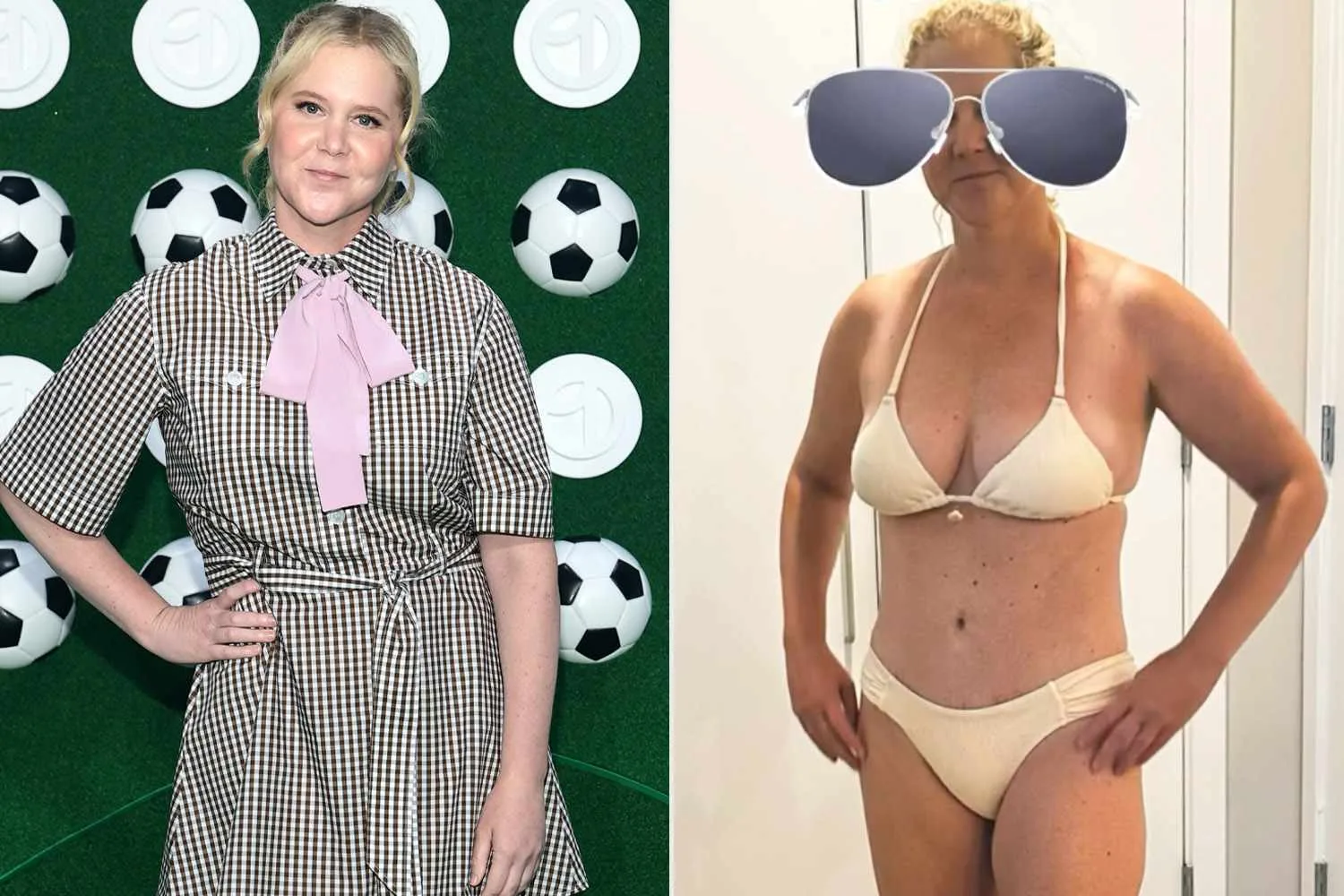
In the glitz of Hollywood's awards season, a concerning trend has emerged: celebrities like Emma Stone, Demi Moore, and Jenna Ortega appearing shockingly thin on red carpets at the Actor Awards and Golden Globes. This shift from curvaceous figures to fragile, pin-thin silhouettes has stylists and health experts alarmed. Actress Jameela Jamil, who has openly discussed her struggles with disordered eating, highlighted the issue on Instagram after the BAFTAs: "Everyone looks like they could snap. It's a specifically fragile type of thin."

The Rise of Microdosing Ozempic and GLP-1s in Hollywood

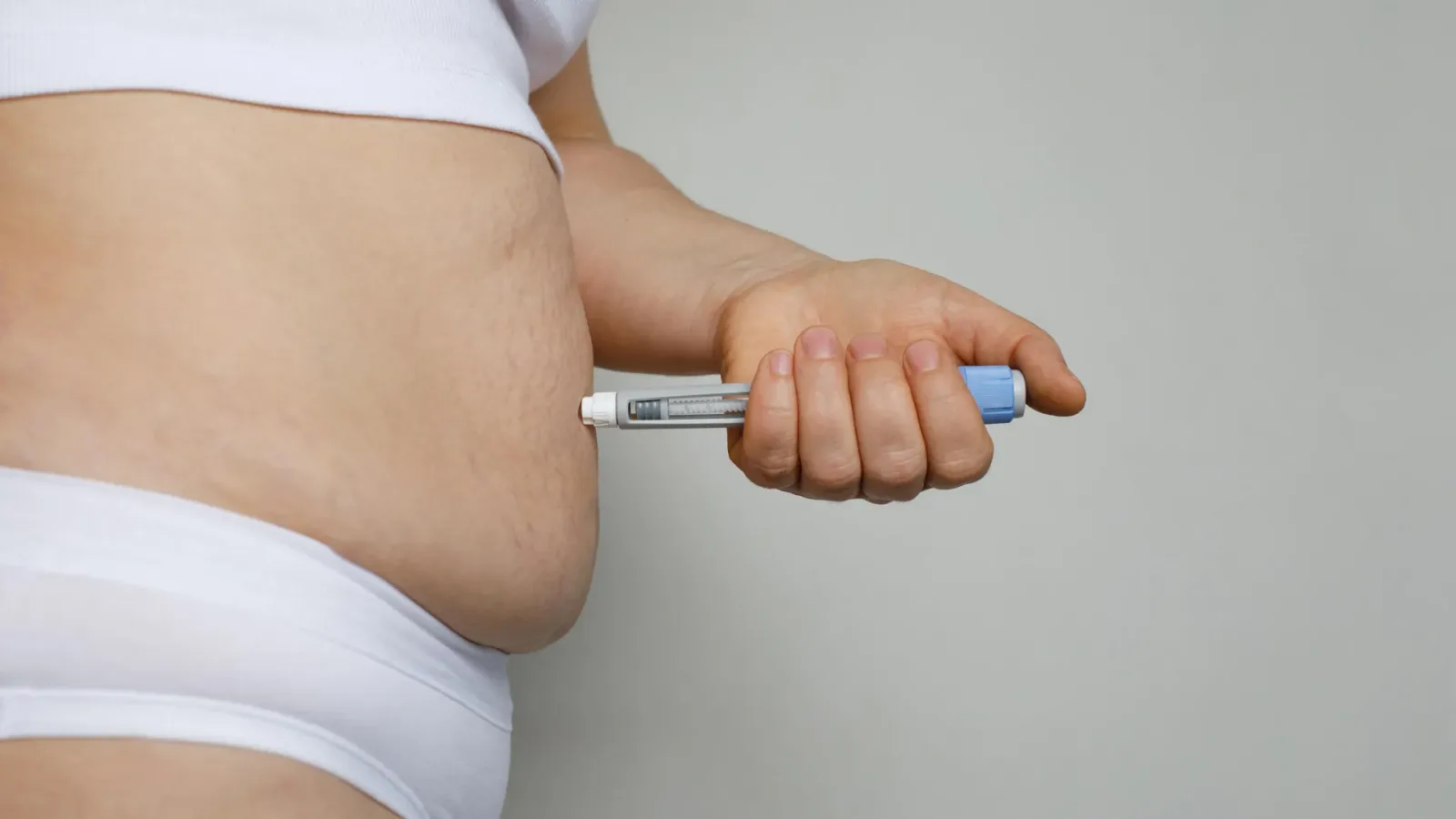
While the pursuit of thinness is a longstanding Hollywood staple—recall Kate Moss's infamous "Nothing tastes as good as skinny feels"—the current wave involves microdosing Ozempic and other GLP-1 receptor agonists. Multiple sources told Page Six that even already-thin stars are taking "baby" doses, smaller than the FDA-approved therapeutic starting dose of 0.25 ml injections for the first month, gradually increasing from there.

GLP-1 medications like Ozempic (semaglutide) were developed for type 2 diabetes and chronic weight management in obesity, mimicking the GLP-1 hormone to slow gastric emptying, reduce appetite, and promote satiety. At full therapeutic doses, they lead to 15-20% body weight loss when combined with diet and exercise. However, microdosing—using subtherapeutic amounts—aims for subtler effects but still suppresses hunger, potentially leading to insufficient calorie and nutrient intake without medical oversight.

"There's a stigma now to having any weight," one stylist and former Vogue editor told Page Six.

A top Hollywood dermatologist added: "My female clients ... have been microdosing GLP 1s for a long time now. Body positivity was over the minute GLPs started flooding the market. It costs less to microdose, it's more tolerable on your body -- and you still let yourself eat." Yet, as experts note, "not enough" eating is the problem.

Why Microdosing Poses Unique Risks

Microdosing GLP-1s bypasses proper protocols, increasing risks like nutrient deficiencies and muscle loss (sarcopenia). These drugs promote fat loss but can accelerate muscle breakdown if protein intake is low or resistance training absent. In clinical settings, GLP-1s require monitoring for lean mass preservation through high-protein diets (1.6-2.2g/kg body weight) and strength exercises.

Health Experts Warn of Malnutrition and Muscle Wasting

Celebrity nutritionist Jess Baker has observed alarming changes: "visible signs of muscle wasting in several celebrities where it wasn't present before -- hollowed temples, full clavicles showing, shoulder blades jutting out." She explains, "In a clinical setting, these changes from baseline are cause for alarm. They can indicate malnutrition, meaning the body isn't getting enough of what it needs to function."

Muscle wasting from rapid weight loss via GLP-1s or calorie restriction depletes vital reserves, raising risks for weakened immunity, fatigue, osteoporosis, and metabolic slowdown. Older adults face added dangers like sagging skin, as stylist Hoza Rodriguez notes: "If you're of a certain age, you have to worry about your skin. You're not a rubber band [that bounces back]."

Stylists' Dilemma: Dressing the 'Scarily Thin'

A-list stylists are in a bind. "You can't tell these actresses they're too skinny," one said. "They'll just say, but [another actress] is smaller than I am!" Peer pressure amplifies this: "One actress sees another one get smaller, then another goes even smaller."

Precision tracking for your journey

Join thousands using Shotlee to accurately track GLP-1 medications and side effects.

📱 Get the Shotlee App

Track your GLP-1 medications, peptides, and health metrics on the go with our mobile app!

Download on theApp Store
Get it onGoogle Play

To compensate, stylists layer jackets, shirts under strapless dresses, or coats. Showroom owners report size 2 samples needing major alterations: "We actually brought in some great tailors and cutters ... They mostly all had to be taken in this awards season."

Beyond GLP-1s: Surgical and Industry Pressures

The trend isn't solely drug-driven. "They're supplementing [weight loss] with face surgery," the former Vogue editor said. Even 20-somethings opt for buccal fat removal to hollow cheeks, as Chrissy Teigen has admitted, with Reddit speculation on others.

Industry incentives fuel it. Lucrative fashion and beauty brand deals favor thin frames: "When it comes to a brand deal -- [designers] are very selective. There's only so many types of Lizzos that people want to work with," Rodriguez said, noting Lizzo's 60-pound loss. Stylist Kate Young told Vanity Fair: "... The reality is that brands are who hold the purse strings right now." Fashion houses embrace the shift: "People are so tired of this woke s--t," Rodriguez claimed.

Safer Approaches to Weight Management with GLP-1s

For those considering GLP-1s like Ozempic or alternatives (e.g., Wegovy, Mounjaro), consult a physician for FDA-approved indications. Proper use includes:

  • Gradual titration starting at 0.25 mg weekly
  • High-protein diet to preserve muscle
  • Resistance training 2-3x/week
  • Monitoring via DEXA scans for body composition

Avoid microdosing without supervision—it risks disordered eating patterns. Tools like Shotlee can help track symptoms, side effects, or medication adherence safely.

Compared to alternatives like phentermine or bariatric surgery, GLP-1s offer cardiometabolic benefits but demand lifestyle integration to avoid muscle waste.

Key Takeaways: What This Means for Health and Hollywood

  • Hollywood's super-skinny trend via Ozempic microdosing risks malnutrition and muscle wasting.
  • Stylists and experts urge awareness: thinness chases breed dissatisfaction—"Once you are thin, the chase doesn't stop."
  • Prioritize health: Discuss GLP-1s with doctors for obesity/diabetes, not aesthetics.
  • Signs like hollow temples signal intervention needs.

Conclusion: Balancing Red Carpet Glamour and Health

Hollywood's thin ideal pressures stars into risky practices, blurring health lines. As the former Vogue editor warns: "In fashion and Hollywood, you're always chasing... it breeds an environment of never being enough." Sustainable metabolic health trumps fleeting trends—seek professional guidance for GLP-1 therapy to protect muscle and vitality.

?Frequently Asked Questions

What is Ozempic microdosing?

Microdosing Ozempic involves using subtherapeutic doses below the FDA-approved 0.25 mg starting weekly injection, often for cosmetic weight loss. It suppresses appetite but risks nutrient deficiencies without medical monitoring.

What are signs of muscle wasting from weight loss drugs?

Visible indicators include hollowed temples, prominent clavicles, and jutting shoulder blades. These suggest sarcopenia or malnutrition, especially with GLP-1s like Ozempic if protein and exercise are inadequate.

Are GLP-1 drugs like Ozempic safe for non-obese people?

No, they're FDA-approved for type 2 diabetes or obesity (BMI ≥30 or ≥27 with comorbidities). Off-label microdosing for thinness increases risks of muscle loss, fatigue, and disordered eating—consult a doctor.

How to prevent muscle loss on Ozempic?

Combine with 1.6-2.2g protein/kg body weight daily, resistance training 2-3x/week, and regular body composition checks. Avoid unsupervised low doses.

Why are Hollywood stars using low-dose weight-loss jabs?

For cost-effective, tolerable thinness amid industry pressure for brand deals and red carpet looks. Stylists note even size 2 samples need alterations, but experts warn of health dangers.

Source Information

Originally published by DNyuz.Read the original article →

Read next

Keep exploring

More on Ozempic

Articles covering Ozempic dosing, side effects, and clinical updates.

Ozempic Price Cut: Generic Semaglutide Arrives in Canadian Pharmacies
Health & Wellness

Ozempic Price Cut: Generic Semaglutide Arrives in Canadian Pharmacies

Two generic versions of Ozempic have arrived in Canadian pharmacies, offering diabetes and weight loss patients significant cost savings compared to the brand-name medication.

7 min read
Retatrutide Breaks Records: What Phase 3 TRIUMPH-1 Data Means
Health & Wellness

Retatrutide Breaks Records: What Phase 3 TRIUMPH-1 Data Means

Eli Lilly's Retatrutide has shown remarkable weight loss potential in Phase 3 trials. We break down the TRIUMPH-1 results, safety data, and what patients can expect.

9 min read
Driving on Ozempic & Mounjaro: Avoiding the £1,000 DVLA Fine
Health & Wellness

Driving on Ozempic & Mounjaro: Avoiding the £1,000 DVLA Fine

New regulations warn that GLP-1 medication users could face significant fines if side effects impair driving. Here is the complete guide to staying safe and compliant.

8 min read

Same topic: Ozempic

All Ozempic articles →
How to Keep Weight Off After Ozempic: Proven Strategies
GLP-1 Medications

How to Keep Weight Off After Ozempic: Proven Strategies

Stopping Ozempic often leads to weight regain—up to 7% in trials or two-thirds within a year. While continuing semaglutide helps sustain losses, lifestyle changes and maintenance dosing offer alternatives. Work with your healthcare team for a personalized plan to keep the weight off long-term.

6 min read
Ozempic Fuels Tapatío Hot Sauce Boom: L.A. Icon's Story
GLP-1 Medications

Ozempic Fuels Tapatío Hot Sauce Boom: L.A. Icon's Story

Ozempic isn't just transforming waistlines—it's igniting a surge in hot sauce sales like Tapatío's. As millions embrace GLP-1 drugs, cravings for bold flavors skyrocket, propelling L.A.'s iconic brand into national expansion under new owners Highlander Partners. This is the untold story of family legacy meeting metabolic health trends.

5 min read
Taking GLP-1s? Doctors Stress Movement and Mental Health Too
GLP-1 Medications

Taking GLP-1s? Doctors Stress Movement and Mental Health Too

Jelon Smart from Savannah dropped 110 pounds on Ozempic—but credits her intensive workout regimen too. Facing severe ankle swelling from Achilles tendinitis at 285 pounds, she transformed her life. Doctors remind GLP-1 users: movement and mental health are essential alongside medication.

5 min read
Share this article
  1. Home
  2. Blog
  3. Stylists Fear Hollywood Stars Blind to Extreme Thinness from Ozempic Microdosing
Dr. Adrian Vale, MD — Internal Medicine · Board-Certified Obesity Medicine
Medically reviewed

Dr. Adrian Vale, MD

Internal Medicine · Board-Certified Obesity Medicine

Dr. Adrian Vale is a board-certified internal medicine physician with a clinical focus on obesity medicine and metabolic health. He reviews Shotlee guides and articles on GLP-1 medications, peptide therapy, and weight-management protocols for clinical accuracy.

View all articles reviewed by Dr. Adrian Vale, MD
Shotlee LogoShotlee

Your comprehensive health tracking companion. Track, analyze, and optimize your journey with advanced metrics and community support.

Product

  • Medication Trackers
  • Health Guides
  • Calculators
  • Compare Medications
  • Pricing

Resources

  • Health Blog
  • Support Center

Legal

  • Privacy Policy
  • Terms of Service
  • Community Guidelines
  • Refund Policy

© 2026 Shotlee. All rights reserved.

Made with for the community♥ for the community