Obesity drug coverage restrictions are reshaping how patients access GLP-1 medications like Zepbound and Wegovy. As insurance providers and pharmacy benefit managers (PBMs) tighten formularies to control soaring costs, physicians and patients are forced to explore alternatives, from out-of-pocket payments to compounded drugs. This guide dives into the challenges highlighted by real-world experiences, industry responses, and practical pathways forward.
The Rising Challenge of GLP-1 Coverage for Obesity Treatment
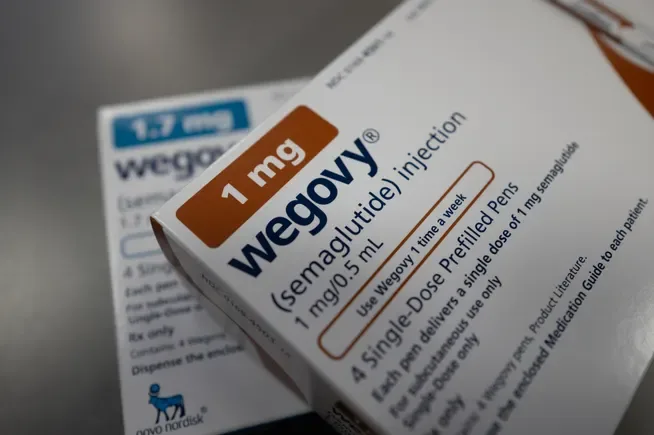
GLP-1 receptor agonists, such as Eli Lilly's Zepbound (tirzepatide) and Novo Nordisk's Wegovy (semaglutide), have transformed obesity management by promoting significant weight loss and improving metabolic health. However, their high list prices—often exceeding $1,000 monthly before insurance—have led to widespread obesity drug coverage restrictions. Employers and PBMs are revising formularies, prioritizing certain drugs or requiring high deductibles, which leaves many patients scrambling for affordable options.
These restrictions stem from the dynamic GLP-1 market, where demand outpaces supply and costs strain health plans. Patients with obesity, a condition affecting over 40% of U.S. adults, now face barriers that delay or derail treatment, underscoring the need for informed strategies to maintain access.
Physicians Grapple with Financial Planning Amid Coverage Limits
"I feel like more of a financial planner these days than a physician, because we're crunching the numbers," says Dr. Varney, a physician navigating these hurdles. She notes that for some patients, it's cheaper to pay out of pocket than to meet their deductible and then still have to pay $200 a month.
This shift highlights how GLP-1 insurance coverage challenges extend beyond prescriptions into financial counseling. Doctors must weigh brand-name costs against patient budgets, often recommending manufacturer savings cards, patient assistance programs, or alternative dosing to minimize expenses while preserving efficacy.
Practical Guidance for Patients
If you're facing obesity drug coverage denials, discuss these steps with your doctor:
- Review your plan's formulary for preferred GLP-1s like Wegovy over Zepbound.
- Explore prior authorization requirements early.
- Calculate total costs: deductible + copay vs. cash pay with discounts.
Tools like Shotlee can help track medication schedules and side effects, ensuring adherence during transitions.
Industry Perspectives: Progress and Formulary Shifts
The Pharmaceutical Care Management Association (PCMA) acknowledges the tension but highlights advancements. "The GLP-1 market is very dynamic, but it's clear employers are working to expand coverage for their employees," says PCMA spokesperson Greg Lopes. He emphasizes that employers and PBMs have made "huge progress" despite significant cost challenges.
CVS Caremark, a major PBM, exemplifies this with recent formulary changes. Asked about dropping Zepbound in favor of Wegovy, CVS states its strategy uses competition to drive down costs while maintaining "clinically appropriate coverage" and enabling greater access. "The egregiously high list prices set by drug manufacturers of GLP-1s for weight loss are the single biggest barrier to patient access," says Phillip Blando, a spokesman for CVS Caremark. "By drawing upon our decades of expertise we are confident that our formulary move means lower costs and better outcomes for consumers and our customers."
Precision tracking for your journey
Join thousands using Shotlee to accurately track GLP-1 medications and side effects.
📱 Get the Shotlee App
Track your GLP-1 medications, peptides, and health metrics on the go with our mobile app!
How Formulary Decisions Impact Access
Preferred drug lists (formularies) determine copays and approvals. Switching from Zepbound to Wegovy, for instance, leverages market competition where semaglutide may offer similar weight loss benefits at potentially lower net costs to plans. Patients should verify their PBM's list and appeal denials with clinical documentation of obesity-related comorbidities like type 2 diabetes or cardiovascular risk.
Patient Stories: Pivoting to Compounded Medications
For Meghan Lena in Massachusetts, restrictions prompted a practical pivot. Her doctor works with a compounding pharmacy he trusts, helping her switch to a medication she can afford. She pays about $300 a month for compounded medicine, compared to Eli Lilly's $450 cash price for her dose of name-brand Zepbound. "It's expensive," she says, "but it's my best option for now."
Lena voices broader concerns: "There's so much uncertainty around these medications. Am I going to be able to get it? Can I afford it? Is it going to change? Is it ever going to be affordable?" Her experience reflects a growing trend where patients turn to compounding amid coverage gaps.
Understanding Compounded Obesity Drugs
Compounded drugs aren't generics, nor do they go through the Food and Drug Administration's approval process. They're made with the same active ingredient as the brand-name versions, but by a specialized pharmacy, not a drug company. Brand-name drugmakers are trying to end widespread obesity drug compounding, citing safety and quality concerns.
While compounded semaglutide or tirzepatide can mimic brand efficacy at lower costs, they lack standardized FDA oversight. Patients should:
- Choose pharmacies accredited by the Pharmacy Compounding Accreditation Board (PCAB).
- Monitor for side effects like nausea or gastrointestinal issues, common to GLP-1s.
- Discuss risks with providers, as potency can vary.
Safety data shows compounded versions effective for many, but consult your doctor for personalized risks, especially with shortages driving this option.
Finding a Solution -- For Now
As patients like Lena adapt, solutions blend short-term pivots with long-term advocacy. Out-of-pocket payments, drug switches, and compounding provide bridges, but systemic changes—like price negotiations under the Inflation Reduction Act—may improve access.
Key Takeaways: What This Means for Patients
- Coverage restrictions on obesity drugs like Zepbound often favor alternatives like Wegovy to cut costs.
- Doctors are crunching numbers; out-of-pocket can beat high deductibles + copays.
- Compounded meds offer $300/month savings vs. $450 brand, but choose trusted sources.
- PBMs like CVS Caremark aim for lower costs and better outcomes via formularies.
- Discuss options with your doctor; track progress with apps like Shotlee.
Conclusion: Navigating Obesity Drug Access in a Restricted Landscape
Obesity drug coverage restrictions are forcing strategic pivots, but informed patients can maintain GLP-1 therapy. By understanding formulary shifts, compounded options, and cost comparisons, you can partner with your physician for sustainable weight management. Stay proactive—review your plan annually and advocate for coverage that supports metabolic health.