
Quitting Ozempic? What Happens When You Stop: Weight Regain & Risks
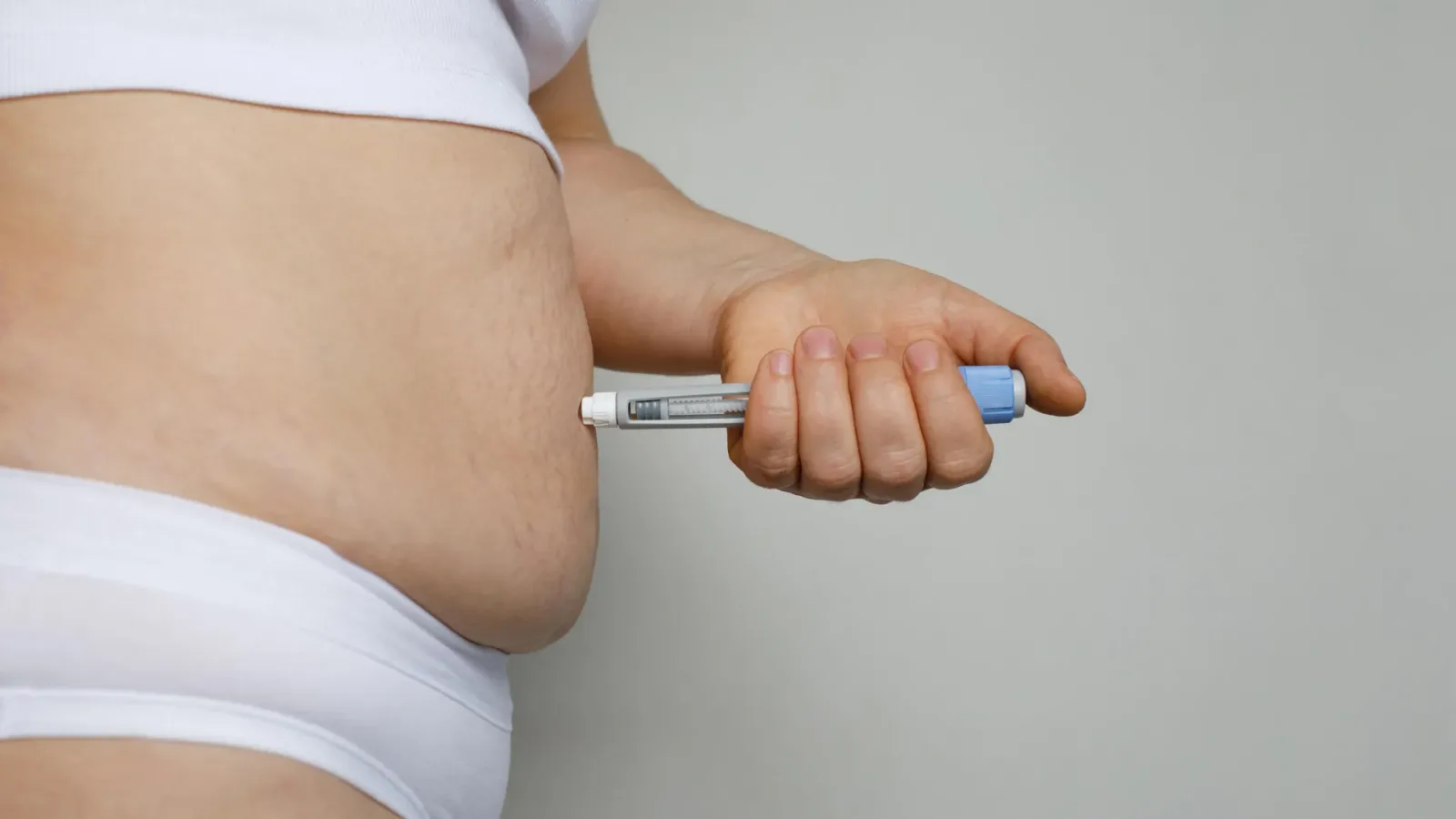
Thinking about quitting Ozempic? A growing number of patients on GLP-1 weight loss drugs like Ozempic are facing a harsh reality: stopping the medication often leads to rapid weight regain and loss of other health benefits. Recent studies, including a comprehensive review in the British Medical Journal, highlight these risks, emphasizing why discontinuation requires careful planning with your doctor.
Key Findings from Studies on Stopping GLP-1 Drugs Like Ozempic
Research reveals concerning outcomes after discontinuing GLP-1 medications. A review published in the British Medical Journal in January analyzed 37 studies involving over 9,300 participants. It found that nearly 50% of people who begin GLP-1 treatment stop within a year. On average, it takes about 1.7 years for patients to return to their baseline weight.
But the impacts extend beyond the scale. Researchers noted that positive effects—such as improved cardiovascular health, lower blood sugar, reduced cholesterol, and lower blood pressure—reverse after stopping the drugs. These reversals appear more pronounced than those seen with non-pharmaceutical weight loss programs, according to reporting from Forbes.
Why These Reversals Are More Severe
GLP-1 drugs like Ozempic provide sustained metabolic support that lifestyle changes alone may not fully replicate in the short term. When discontinued, the body's compensatory mechanisms, such as increased appetite and altered insulin sensitivity, can accelerate regain. This underscores the importance of long-term strategies for those reliant on these medications for metabolic health.
Why Do People Stop Taking Ozempic?
High discontinuation rates stem from multiple barriers. Side effects and costs top the list, making adherence challenging despite the drugs' efficacy.
Gastrointestinal Side Effects: A Major Hurdle
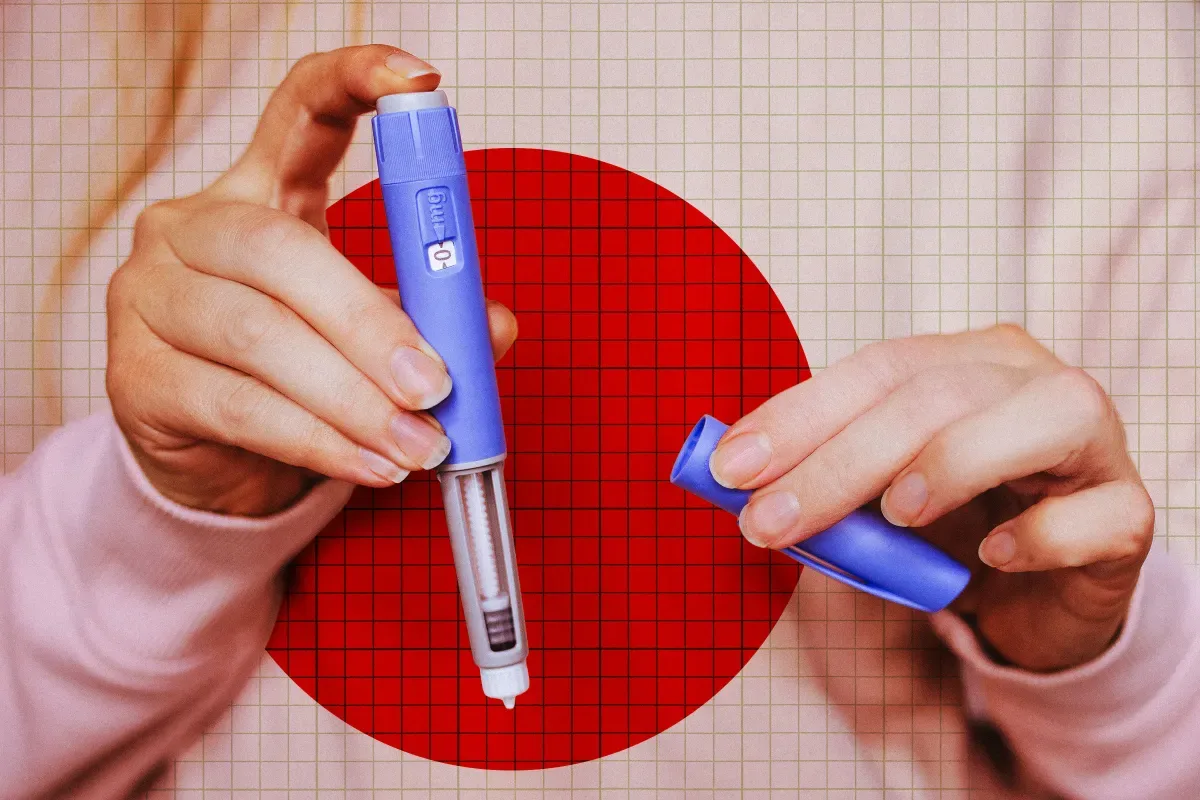
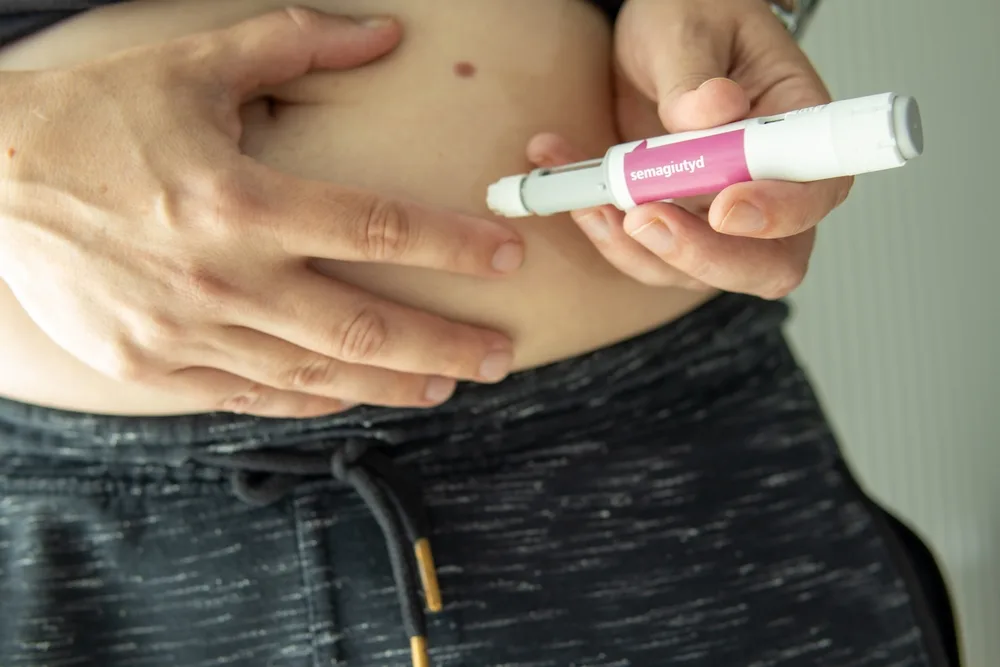
Ozempic mimics a natural hormone called GLP-1 (glucagon-like peptide-1), released after eating. It lowers blood sugar by boosting insulin production when needed, reducing liver sugar release, curbing appetite, and supporting reduced-calorie diets with exercise. However, this process triggers side effects in around 20% of patients, including nausea, vomiting, bloating, and diarrhea. Headaches also occur due to blood sugar reductions and appetite suppression, contributing to the high dropout rate.
For patients experiencing these, tools like symptom-tracking apps can help monitor patterns and discuss adjustments with providers, potentially improving tolerance.
The Cost of Ozempic Without Insurance
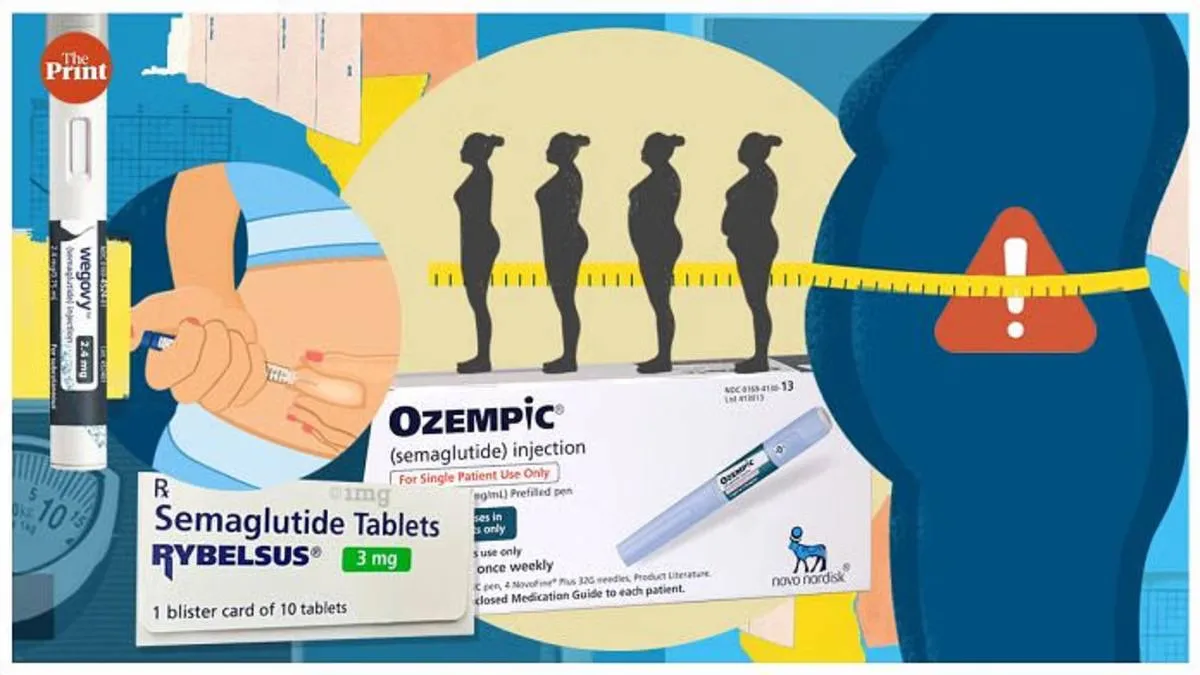
Cost is another key factor. With insurance and a Novo Nordisk coupon, Ozempic can cost as low as $25 monthly. Without coverage, prices reach up to $499 per month depending on the dose, per Drugs.com. A Cleveland Clinic study found nearly half of patients stopped GLP-1s due to these expenses. As states like California cut Medicaid coverage for weight loss drugs, out-of-pocket costs remain a barrier. Insurers hesitate to cover them amid high discontinuation rates, as short-term use erodes benefits quickly.
Precision tracking for your journey
Join thousands using Shotlee to accurately track GLP-1 medications and side effects.
📱 Get the Shotlee App
Track your GLP-1 medications, peptides, and health metrics on the go with our mobile app!
How Ozempic Works and Why Stopping Reverses Benefits
Understanding Ozempic's mechanism explains the rebound effects. As a GLP-1 receptor agonist, it enhances satiety signals, slows gastric emptying, and regulates glucose. This leads to 10-15% average weight loss in clinical trials, alongside cardiometabolic improvements.
Upon stopping, hormone levels normalize, but learned behaviors or underlying conditions like insulin resistance may persist, leading to regain. Cardiovascular benefits, such as reduced heart attack risk in related studies, also wane without ongoing therapy. Compared to alternatives like older weight loss drugs (e.g., phentermine), GLP-1s offer superior metabolic effects but demand commitment.
Comparisons to Other Weight Loss Approaches
Unlike diet/exercise alone, where regain is gradual, GLP-1 cessation shows steeper declines in benefits. Bariatric surgery provides more durable results but with higher upfront risks. For many, combining GLP-1s with behavioral therapy offers a bridge to sustained health.
Safety Considerations and Side Effects of Discontinuation
Beyond regain, abrupt stopping can exacerbate issues. Blood sugar spikes in diabetics, or worsened GI symptoms during transition, are possible. Doctors recommend tapering under supervision, alongside diet tweaks and exercise ramps, to mitigate risks.
Common side effects during use—nausea (up to 20%), vomiting, diarrhea—often improve over time, but persistent cases warrant dose adjustments or alternatives like Wegovy (higher-dose semaglutide).
What Patients Should Do Before Quitting Ozempic
If considering stopping, consult your doctor immediately. Develop a plan including:
- Gradual tapering: To minimize rebound.
- Lifestyle reinforcement: Emphasize calorie control and activity.
- Monitoring: Track weight, blood sugar, and symptoms; apps like Shotlee can log side effects or schedules for better doctor discussions.
- Alternatives: Explore covered options or generics if cost drives the decision.
A multidisciplinary approach—dietitian, endocrinologist—helps preserve gains.
Key Takeaways: What This Means for Ozempic Users
- Nearly 50% stop GLP-1s like Ozempic within a year, regaining weight in ~1.7 years.
- Benefits like better heart health, cholesterol, and blood pressure reverse, often more sharply than with lifestyle-only methods.
- Side effects (20% GI issues) and costs ($25-$499/month) drive quits.
- Always consult doctors before stopping to safeguard health.
Conclusion: Plan Ahead for Lasting Metabolic Health
Quitting Ozempic without a strategy risks undoing hard-won progress. While GLP-1 drugs transform weight management, their benefits hinge on persistence. Discuss options with your healthcare provider to transition effectively, ensuring long-term metabolic health. Related topics like microdosing Ozempic or managing Ozempic headaches offer further insights for optimized therapy.