


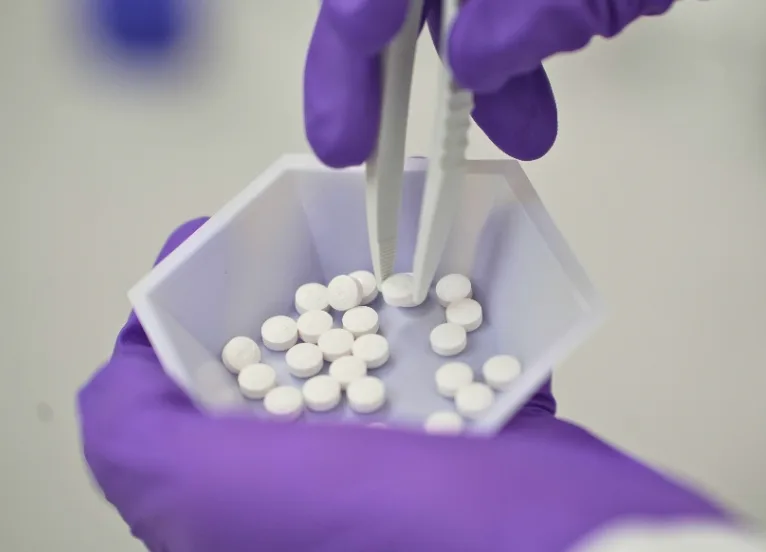
Exciting breakthroughs like these are happening more frequently because individuals are dropping weight through GLP-1 medications, including Ozempic, Wegovy, and Mounjaro, which reduce hunger cravings. Approximately 1.4 million residents in the United Kingdom obtained these from private drugstores during the period up to April, based on data from Iqvia, a provider of clinical studies, even though the latest updates indicate an even larger total. The research firm Rand reports that roughly 12 percent of people in the United States have tried them.
This article explores the growing prevalence of weight-loss injections such as Ozempic in everyday life. It highlights rising adoption rates in the UK and US, potentially transforming workplace dynamics. Key statistics from research providers underscore the trend.
Source Information
Originally published by Financial Post.Read the original article →
Read next
Keep exploring
More on Ozempic
Articles covering Ozempic dosing, side effects, and clinical updates.
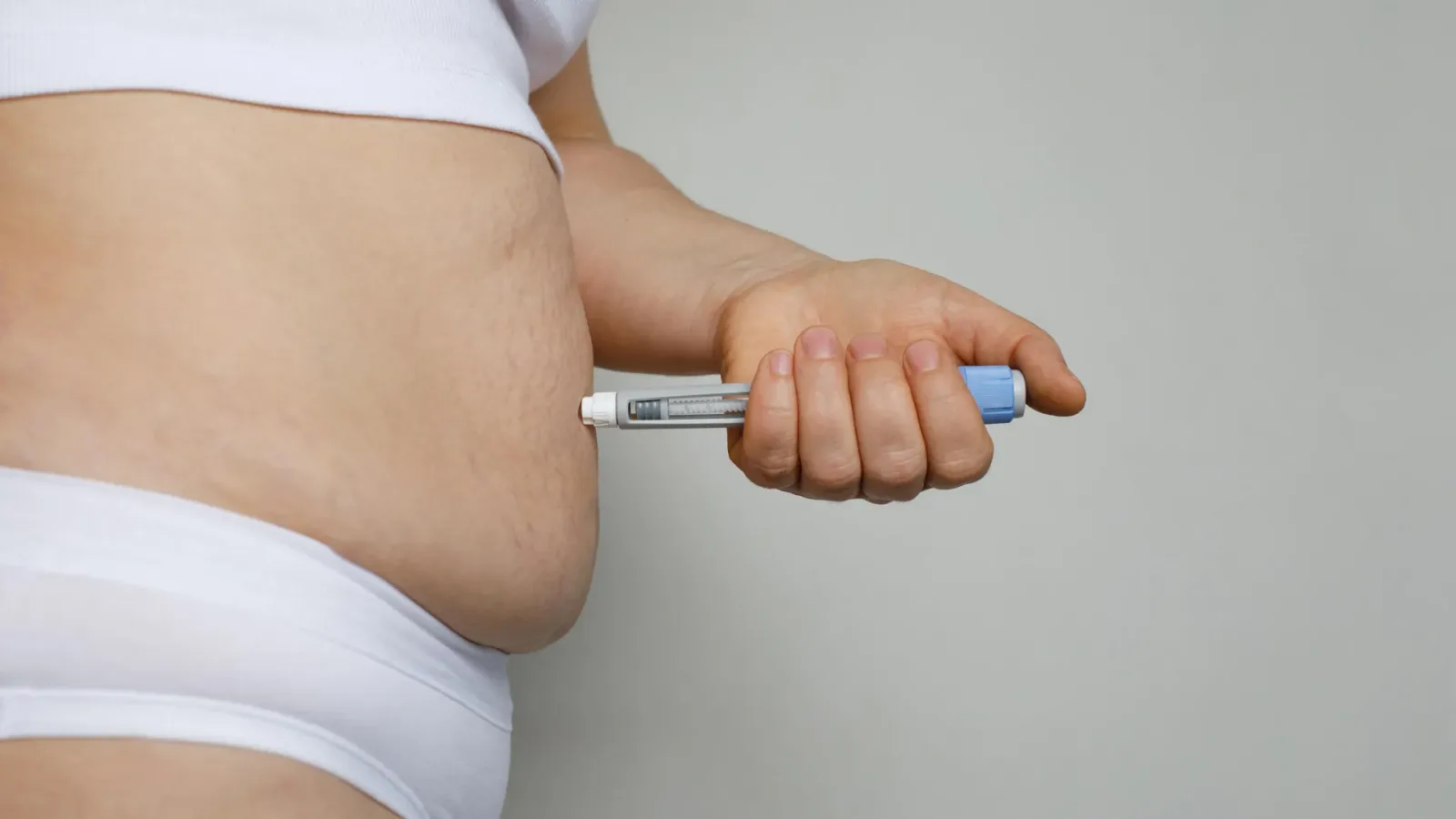
Medical Insights
People Taking GLP-1 Weight Loss Drugs Like Ozempic and Wegovy Started Moving Less
New data presented at ENDO 2026 reveals a paradox: patients on GLP-1 medications like Ozempic and Wegovy reduced their physical activity despite losing weight.
8 min read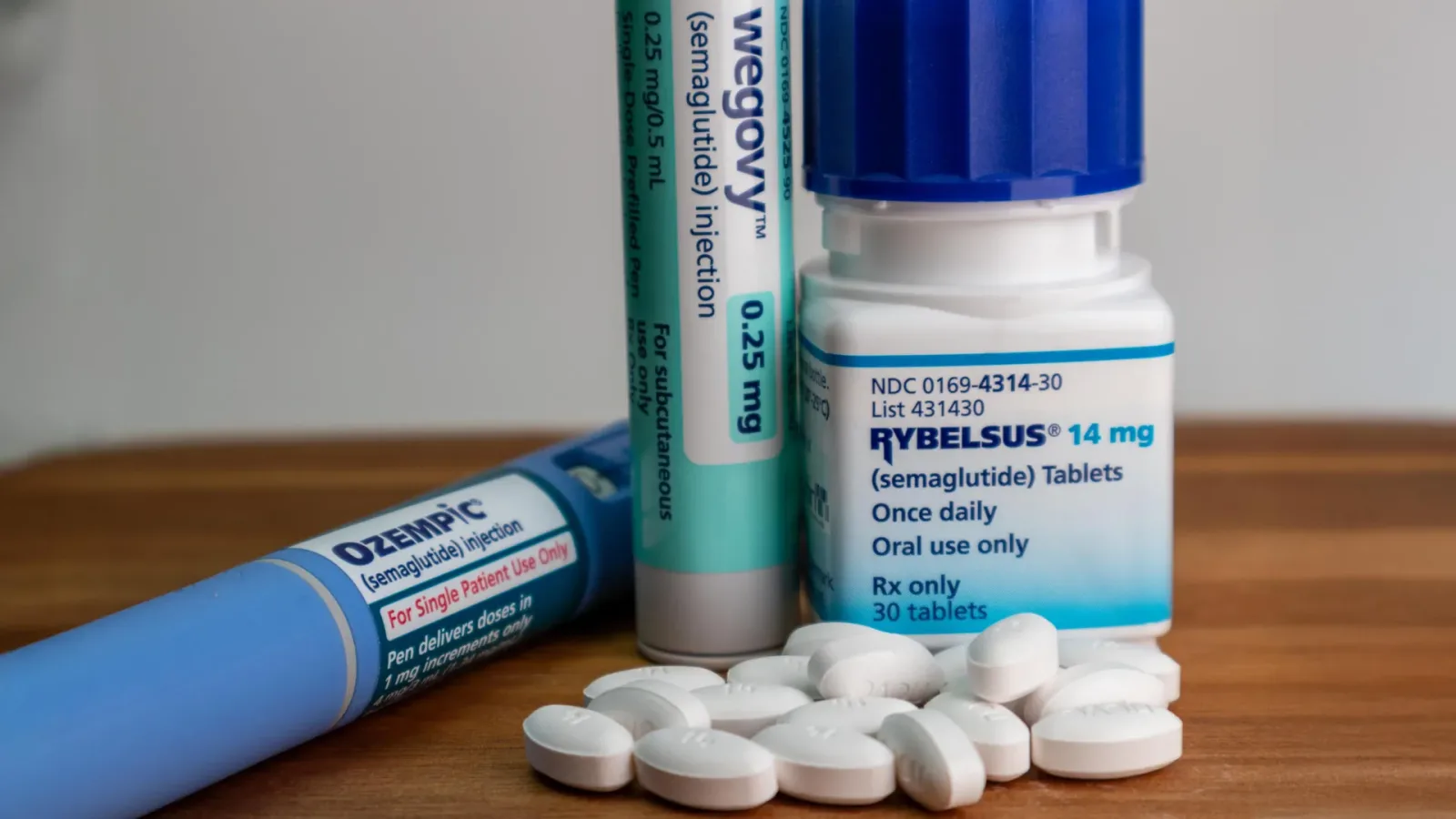
Medical Research
Popular Weight-Loss Drugs Ozempic and Wegovy May Slow Biological Aging
A new clinical trial suggests that semaglutide, the active ingredient in Ozempic and Wegovy, may help slow biological processes associated with aging in adults with HIV.
8 min read
Health & Wellness
Yes, GLP-1s Make You Thinner. But Do They Make You Freer?
While GLP-1 drugs like Ozempic and Wegovy offer significant medical benefits, their rise raises critical questions about freedom, body image, and the cultural pressure to be thinner.
8 min readSame topic: Weight Loss Medications

Medical Research
The Next Ozempic: A 4-in-1 Breakthrough for Lasting Weight Loss
While Ozempic and similar GLP-1 agonists have revolutionized weight management, new research from Tufts University is exploring a novel 4-in-1 peptide that targets four hormone receptors for potentially greater efficacy and fewer side effects, moving closer to the gold standard of bariatric surgery.
6 min read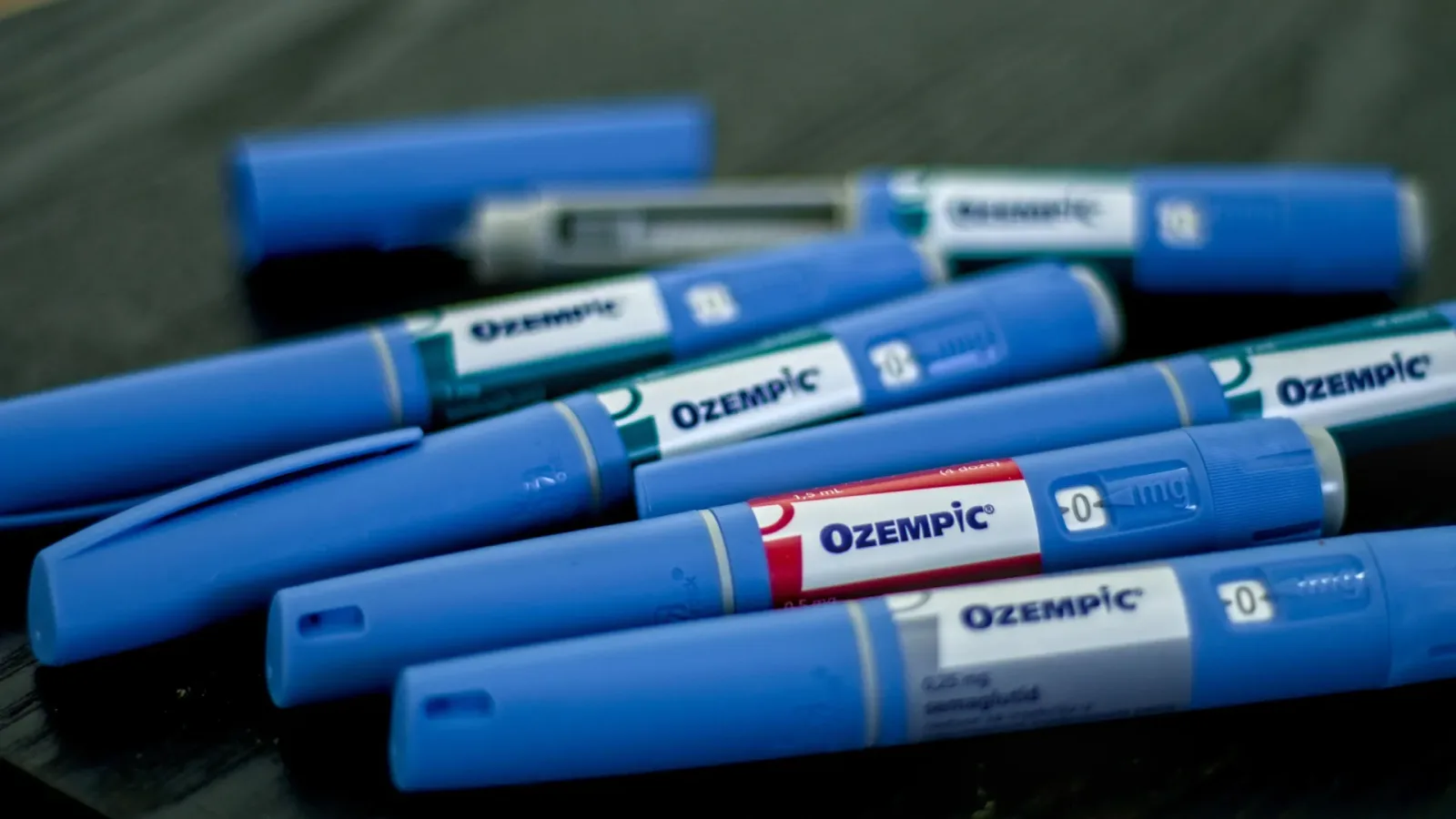
Health & Wellness
GLP-1 Medications for Obesity: Experts See a Broader Revolution Ahead
While GLP-1 receptor agonists have significantly advanced obesity treatment, specialists highlight the evolving landscape of comprehensive, personalized care that integrates various therapeutic strategies.
6 min read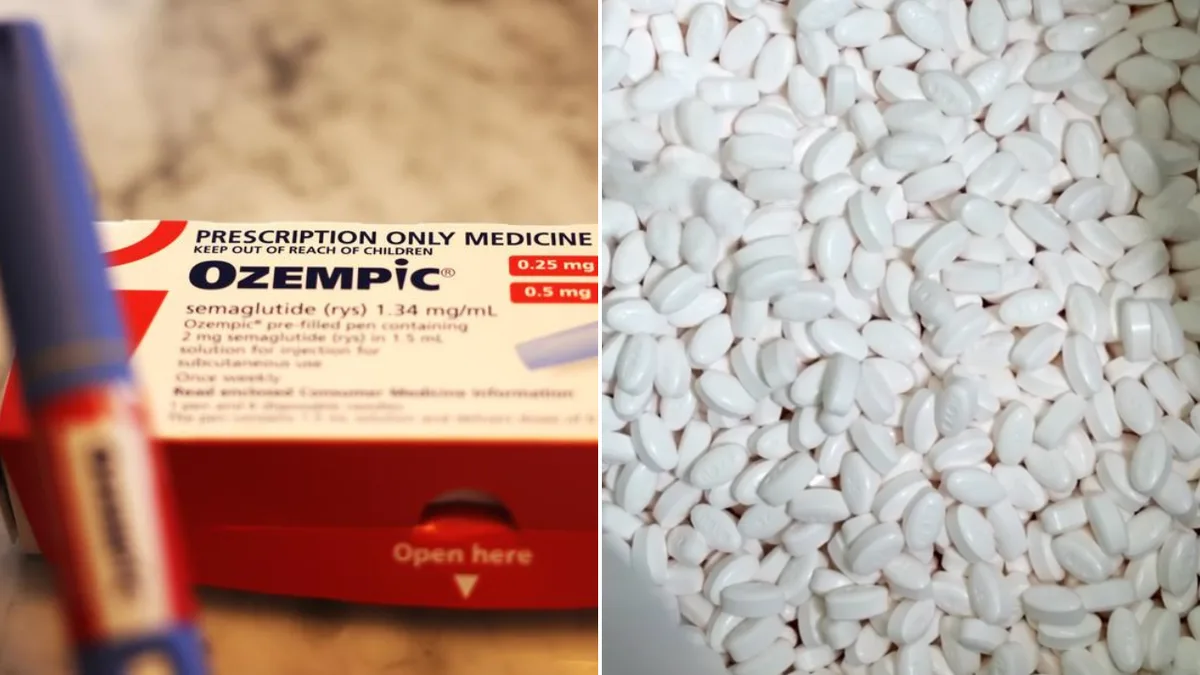
Weight Management
Ozempic's Oral Twin: A Needle-Free Weight Loss Revolution Arrives?
A new era in weight management may be dawning as an oral medication, mirroring the efficacy of popular injectables like Ozempic, is poised for approval. This development promises a more accessible and convenient path to weight loss for millions.
7 min readMore in Health
Health
6 Facts to Understand About the New GLP-1 Weight Loss Pill
The introduction of a GLP-1 pill for weight loss marks a significant advancement in obesity treatment, offering an oral alternative to injections like Wegovy. Experts highlight its potential for broader access, though it shares similar expenses, adverse effects, and the necessity for a healthy lifestyle. Key details cover efficacy, timelines for results, pricing, side effects, dosing requirements, and upcoming options.
4 min read
Health
Can Ozempic Trigger Muscle Loss? Expert Opinions
Weight-loss medications like Ozempic have gained immense popularity, but questions about potential muscle loss persist. Experts explain the mechanisms behind fat and muscle changes during treatment, emphasizing the importance of diet and exercise to maintain strength. Key strategies include resistance training and adequate protein to mitigate risks.
5 min read
Health
Returning to Baseline in 2 Years: Individuals Regain Weight More Quickly After Halting Obesity Medications Than Following a Diet
A University of Oxford study indicates that weight loss from medications like GLP-1 drugs often rebounds quickly upon cessation, faster than after dieting and exercise. Behavioral programs lead to slower regain, emphasizing sustainable lifestyle changes. Obesity impacts billions globally, raising risks for heart disease and diabetes.
2 min read