Understanding Ozempic and Its Effects
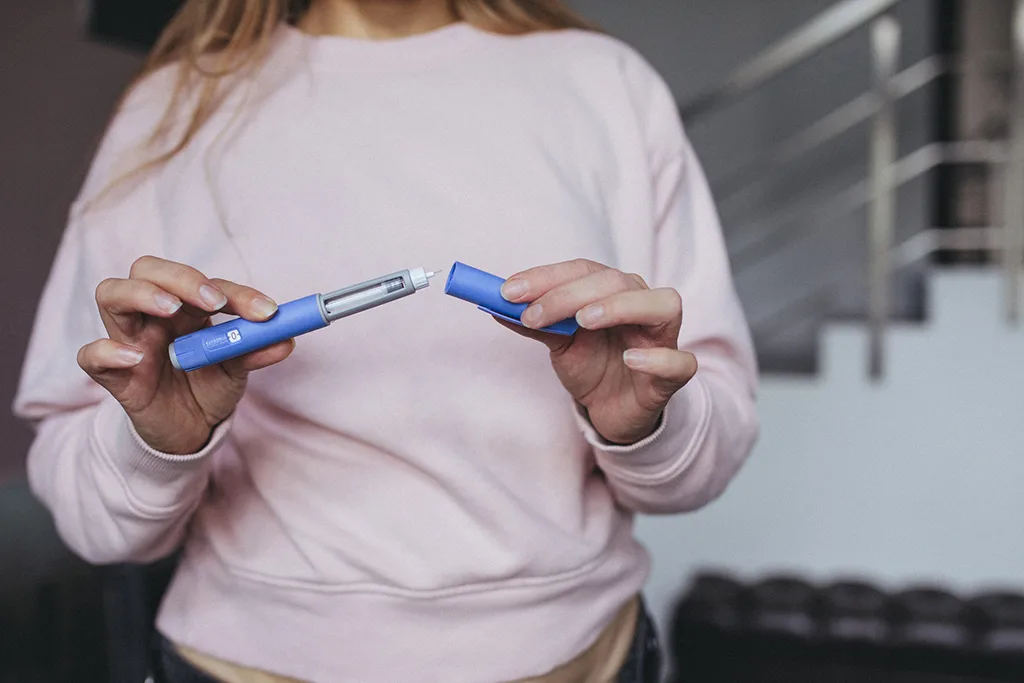
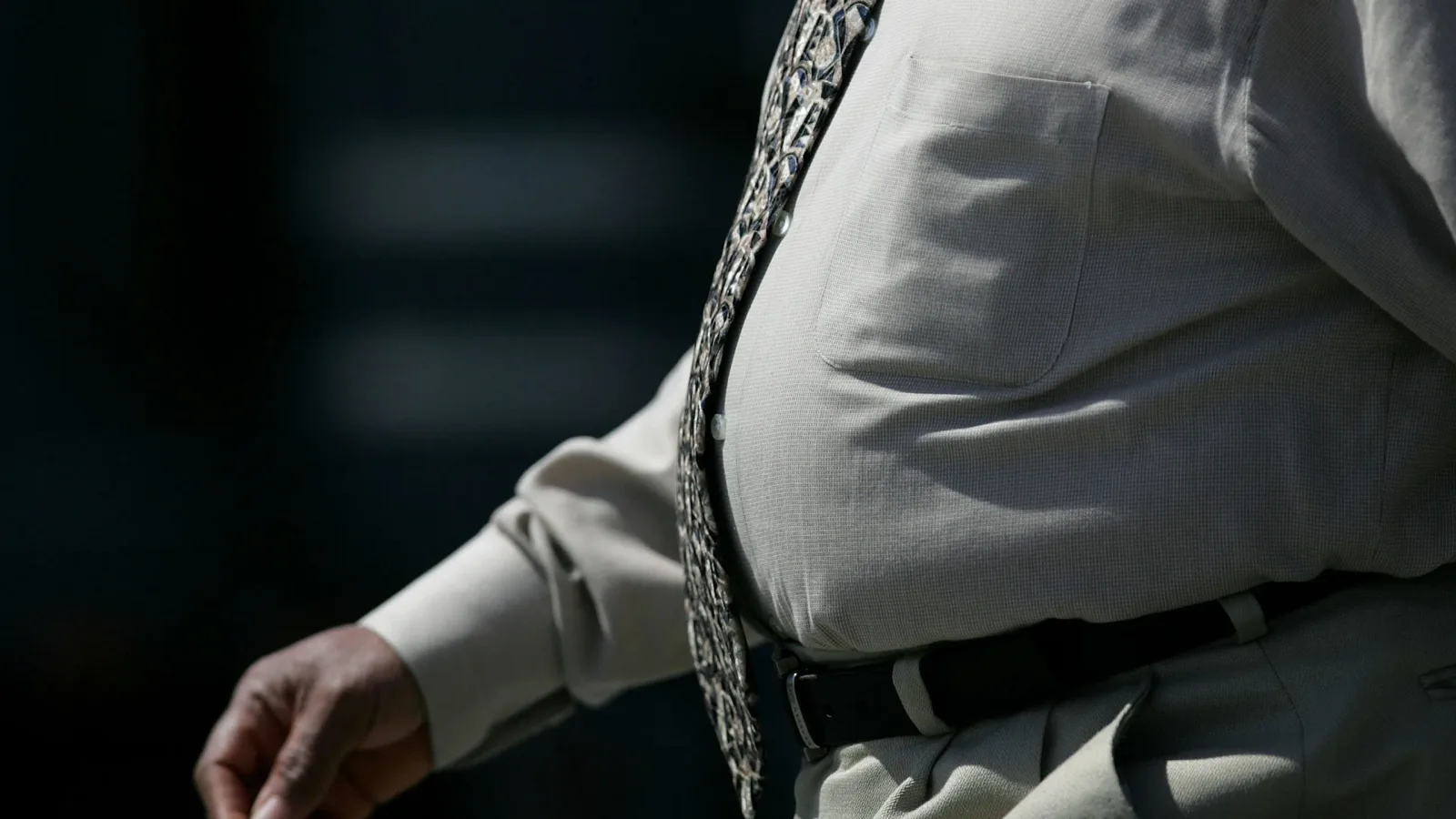
The demand for weight-loss injections such as Ozempic, Wegovy, and Mounjaro has risen sharply in the last couple of years. Yet, despite the striking transformations visible in before-and-after images, a pressing issue has surfaced: can these treatments result in muscle reduction? Although these medications can promote substantial fat reduction and enhance metabolic well-being, specialists highlight important details about their impact on muscle, metabolism, and general strength.
Nutritionist and exercise scientist Amelia Phillips, along with GP Dr. Crystal Wyllie, provide insights into the potential drawbacks.
How Ozempic Functions
Ozempic, containing semaglutide, replicates the gut hormone GLP-1, which delays stomach emptying, diminishes hunger, and boosts insulin secretion to regulate blood sugar and reduce desires for food, according to registered exercise scientist and nutritionist Amelia Phillips. These actions result in a decrease in overall calorie consumption and weight reduction, mainly targeting fat stores, particularly visceral fat. Nevertheless, a decline in lean muscle tissue often accompanies this process.
She points to a significant 68-week study involving over 1900 participants, where semaglutide produced an average 15 percent reduction in body weight. This included roughly a 19.3 percent reduction in total fat mass and a 3.5 percent drop in lean muscle mass. Though shedding fat benefits health, the reduction in muscle raises worries since muscle aids metabolism, strength, mobility, and glucose control, guarding against weakness, chronic illnesses, and declines linked to aging.
Muscle Loss in Weight Reduction
Both Phillips and GP Dr. Crystal Wyllie note that muscle reduction isn't exclusive to Ozempic users—it's a recognized outcome of swift weight loss overall. Rapid weight shedding, even without drugs, can lead to notable muscle loss, particularly if nutrition lacks or strength-building activities are absent, Dr. Wyllie explains. Additional drawbacks from weight-loss drugs, such as queasiness, lightheadedness, and tiredness, may complicate physical efforts, notably during the initial weeks of use or dose increases.
Phillips describes how the body shifts into a catabolic phase with insufficient calorie intake. During fast weight loss, the organism not only consumes fat but also degrades muscle proteins for amino acids to fuel energy needs and essential organ operations, she states. Insufficient protein consumption, absence of resistance workouts, and hormonal shifts like reduced insulin or testosterone levels complicate muscle maintenance during fat reduction.
Impact of Muscle Reduction
In the 68-week semaglutide research, subjects shed an average of 3.5 percent of their muscle mass, equating to about 1.5 to 3 kilograms of active lean tissue. Phillips observes that even minor muscle loss can decelerate metabolism and facilitate gradual weight recovery later. Therefore, resistance training and sufficient protein are vital during slimming down.
Dr. Wyllie mentions that detecting muscle shifts can prove challenging, but certain indicators might signal excessive loss. Experiencing constant fatigue or difficulty performing everyday tasks like household chores and workouts could imply too much muscle is vanishing, she says. Unexpectedly, emotional fluctuations, nervousness, and tension might arise from hormonal imbalances and lessened activity. If these signs appear, consult a doctor to exclude other factors.
Role of Muscle in Health
Muscle mass is essential for sustaining balance, metabolism, and enduring wellness. Our resting energy expenditure, or the calories we burn at rest, depends on muscle and fat levels, explains Dr. Wyllie. Muscle loss not only hinders metabolism but also heightens fall and fracture risks, particularly in later years. Diminished power can decrease activity, worsening the issue.
Precision tracking for your journey
Join thousands using Shotlee to accurately track GLP-1 medications and side effects.
📱 Get the Shotlee App
Track your GLP-1 medications, peptides, and health metrics on the go with our mobile app!
Phillips concurs. Whether gradual or rapid, muscle reduction can harm metabolism, blood sugar management, and overall energy, she notes. We typically shed around one percent of muscle annually from middle age, making it vital to avoid extra decline.
Preventing Muscle Loss
Fortunately, muscle loss isn't unavoidable. To safeguard yourself on Ozempic, adhere to medical guidance, maintain hydration, consume a protein-rich diet, and incorporate resistance workouts, advises Dr. Wyllie. These measures can lessen muscle loss and dehydration risks during treatment.
Phillips suggests the best tactic involves a planned strength program. Target three weekly sessions of 20 to 40 minutes with challenging weights, she recommends. Concentrate on integrated exercises such as squats, deadlifts, bench presses, and rows, selecting loads that bring you close to exhaustion by the sixth to tenth repetition. Perform three to six rounds.
She also advocates for 1 to 1.5 grams of protein daily per kilogram of body weight. For someone weighing 70 kilograms, that translates to 70 to 100 grams each day, Phillips clarifies. A protein supplement can aid in reaching goals, especially with lowered appetite.
Monitoring and Long-Term Care
Experts emphasize continuous oversight. Report any strength or functional changes to your physician promptly, says Dr. Wyllie. They might tweak your regimen or suggest dietary and exercise tweaks. If over 60, medical consultation is particularly crucial due to elevated sarcopenia risks in seniors.
Phillips recommends a DEXA scan for composition tracking. Obtain one at the outset and repeat every four months until weight stabilizes. This enables observation of fat, muscle, and bone status during loss.
Ozempic can revolutionize lives, even save them, for those battling obesity or insulin issues, yet specialists warn that muscle protection must take precedence. Ozempic enhances metabolic wellness but isn't a miracle solution, Phillips remarks. Sustaining muscle via strength routines and diet converts weight loss into lasting health.
Dr. Wyllie concurs. For optimal results, combine medical care with wholesome habits, she advises. This approach ensures safe weight reduction while fostering strength, adaptability, and vitality indefinitely. Health tracking apps like Shotlee can help monitor your progress in these efforts.