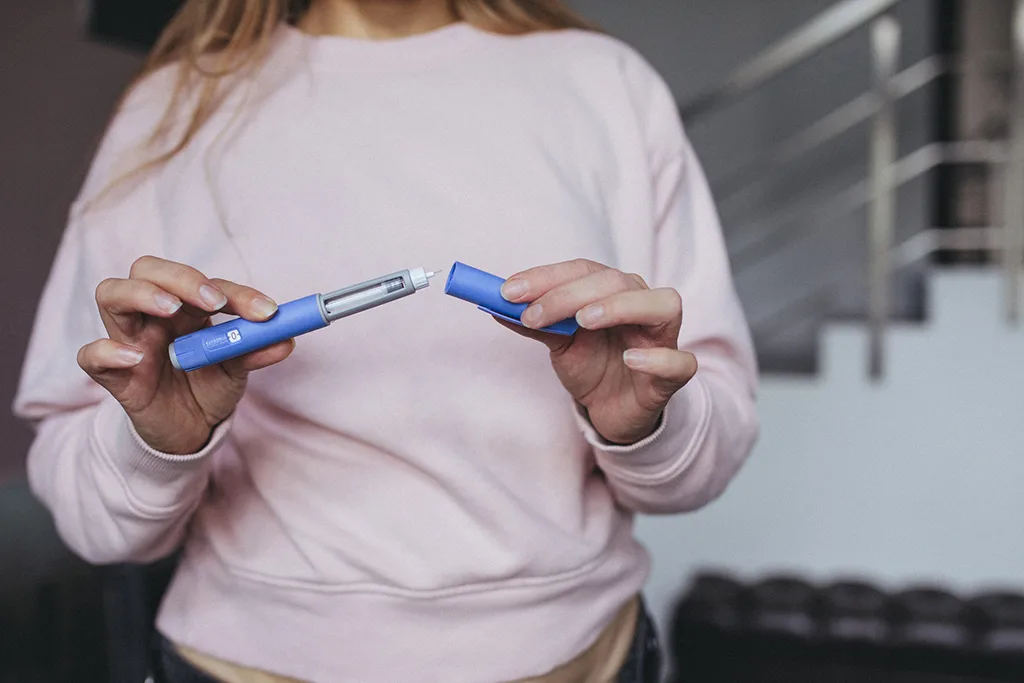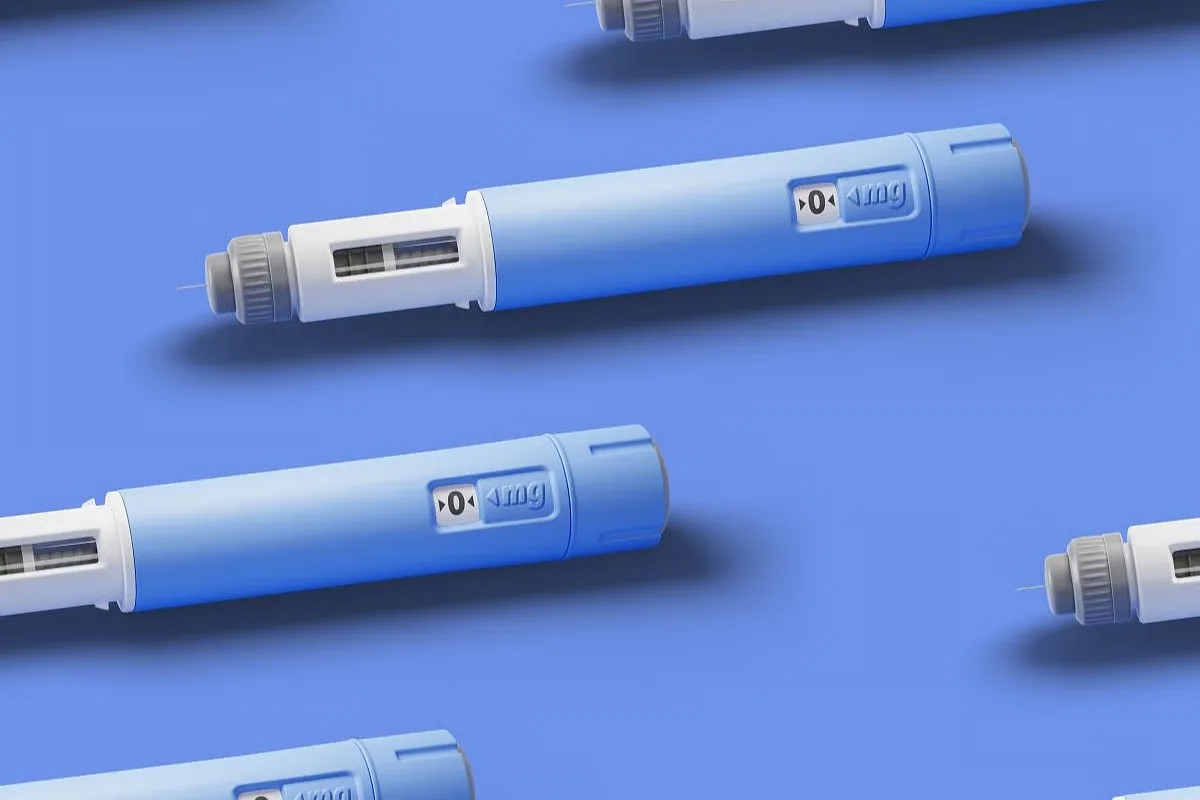
The highly anticipated rollout of oral GLP-1 medications for weight management in the UK has been met with a surprisingly muted reception, according to one general practitioner. Dr. Adam Staten, a GP and medical director at One Day Tests, reports that at his clinics, only a small fraction of patients have opted to switch from injectable GLP-1 treatments to the new tablet form. This contrasts sharply with expectations that the pill version would significantly broaden access and appeal to individuals hesitant about injections. The initial excitement surrounding the convenience of a pill has seemingly been overshadowed by practical considerations and established patient comfort with weekly injections.
Why Has the GLP-1 Tablet Rollout Been Underwhelming?
The introduction of oral GLP-1 medications was widely expected to revolutionize weight management by offering a more accessible alternative to weekly injections. However, Dr. Adam Staten, a GP and medical director for One Day Tests, has observed a significantly lower uptake than anticipated. At his private diagnostics clinic, only about 6% of patients using GLP-1 medications have switched from injectables to the new tablet form, and very few new patients are initiating treatment with the pill. This suggests that the perceived benefits of oral administration are not translating into widespread adoption, prompting a closer look at the factors influencing patient and clinician choices in this evolving landscape of weight loss therapies.
What are the Challenges with Oral GLP-1 Medications?
The primary reasons cited for the lukewarm reception of GLP-1 tablets by Dr. Staten include a combination of practical dosing requirements, similar pricing to injections, and a potentially higher incidence of gastrointestinal side effects. Unlike weekly injections, which offer a set schedule with minimal daily disruption, the oral tablets require a specific administration routine: they must be taken on an empty stomach first thing in the morning, with no food or drink for at least 30 minutes afterward. This daily regimen can be inconvenient and easily forgotten, especially for individuals who prefer the simplicity of a once-weekly injection. Furthermore, the cost of the tablets is nearly identical to that of the injectable pens, negating a key potential advantage. Pharmacists are also reporting that patients are deterred by the side effect profile, particularly the increased likelihood of nausea and diarrhea, which are common but can be more pronounced with oral formulations.
Why Do Patients Still Prefer GLP-1 Injections?
Patient familiarity and the established efficacy of weekly GLP-1 injections appear to be significant drivers for continued preference over the newer oral options. Dr. Staten notes that many individuals have already embraced the injectable form, finding it convenient, relatively painless, and effective for weight loss. The weekly dosing schedule is easily integrated into daily life, and the positive experiences of thousands of patients who have successfully managed their weight with injections have built a strong foundation of trust. For some, particularly men, the perceived effort of remembering a daily pill is greater than that of a weekly injection. This established comfort and routine with injectables mean that the novelty and convenience of a tablet are not enough to sway a large portion of the patient population away from a treatment they already know and trust, especially when the practicalities of daily dosing and potential side effects are considered.
Precision tracking for your journey
Join thousands using Shotlee to accurately track GLP-1 medications and side effects.
📱 Get the Shotlee App
Track your GLP-1 medications, peptides, and health metrics on the go with our mobile app!
How Does Tablet Effectiveness Compare to Injections?
While the GLP-1 tablets offer a new route of administration, current observations suggest they may have slightly lower effectiveness compared to their injectable counterparts. Dr. Staten points out that the price point of the tablets is almost identical to that of the injectable pens, which carry manufacturing costs associated with needles and delivery devices. This parity in cost, combined with a perceived reduction in effectiveness, makes the switch less appealing. Patients are also reporting a higher rate of gastrointestinal issues, such as nausea and diarrhea, with the oral form. This could be due to how the medication is absorbed differently when taken orally versus injected, leading to more pronounced side effects for some individuals. The established track record and consistent delivery of weekly injections may offer a more predictable and manageable experience for many seeking significant and sustained weight loss.
What are the Practicalities of Taking GLP-1 Tablets?
The daily administration of GLP-1 tablets introduces specific practical challenges that can impact patient adherence and preference. Unlike the once-weekly convenience of injections, the oral medication requires careful timing and a period of fasting afterward. Patients must take the tablet on an empty stomach first thing in the morning and then wait for at least 30 minutes before consuming any food or drink. This strict regimen can be difficult to maintain consistently, especially for individuals with busy schedules or those who are not accustomed to such precise medication timing. Forgetting to take the tablet or not adhering to the fasting period can affect absorption and potentially reduce the medication's efficacy. This daily commitment, coupled with the potential for gastrointestinal side effects, makes the daily pill a less appealing option for many compared to the simpler, less disruptive, once-weekly injection.
What is the Future of GLP-1 Oral Medications?
While the initial rollout of GLP-1 tablets has been described as a 'damp squib' by some clinicians, the long-term outlook for oral GLP-1 medications remains a subject of ongoing observation and potential development. Dr. Adam Staten acknowledges that the current landscape might shift over the next six months to a year. Pharmaceutical companies are continuously researching and refining drug delivery systems and formulations. It's possible that future iterations of oral GLP-1s could offer improved efficacy, reduced side effects, or more flexible dosing schedules that better compete with injectables. Furthermore, as more data emerges from real-world usage and clinical trials specifically on the oral forms, a clearer picture of their benefits and drawbacks will develop. Patient education and pharmacist guidance will also play a crucial role in helping individuals make informed decisions about which GLP-1 option best suits their lifestyle and health goals.
Patient Preferences and Adherence Tracking
Understanding patient preferences is key to successful weight management programs. For those using GLP-1 medications, whether injectable or oral, consistent adherence is paramount for achieving desired outcomes. Tools like Shotlee can be invaluable in this regard. By allowing users to meticulously track their medication schedules, doses, and any experienced symptoms or side effects, Shotlee provides a comprehensive overview of their treatment journey. This data can help patients identify patterns, such as whether specific side effects are linked to daily tablet intake or if a forgotten injection impacts their progress. Sharing this detailed information with healthcare providers, like Dr. Staten, can lead to more personalized treatment adjustments and better support, ultimately improving adherence and the effectiveness of GLP-1 therapies.
Key Takeaways for Patients
- Familiarity Breeds Comfort: Many patients are comfortable and successful with weekly GLP-1 injections, making the transition to daily pills less appealing.
- Dosing Demands: Oral GLP-1s require strict daily adherence on an empty stomach, which can be inconvenient compared to weekly injections.
- Side Effects Matter: A higher incidence of gastrointestinal issues like nausea and diarrhea with tablets can deter some patients.
- Cost Parity: The price of GLP-1 tablets is often similar to injections, removing a potential cost-saving incentive.
- Effectiveness Nuances: Some observations suggest that injectable forms may offer slightly more consistent or potent results for certain individuals.
Frequently Asked Questions About GLP-1 Tablets
- Are GLP-1 tablets less effective than injections?
- Current observations suggest that while GLP-1 tablets are approved for weight management, some clinicians believe they may have slightly lower effectiveness or a different side effect profile compared to their injectable counterparts. More real-world data is needed for a definitive comparison.
- What are the main drawbacks of taking GLP-1 pills daily?
- The primary drawbacks include the strict requirement to take the pill on an empty stomach first thing in the morning and then fasting for 30 minutes, which can be inconvenient. Additionally, some patients report a higher rate of gastrointestinal side effects such as nausea and diarrhea compared to injections.
- Why haven't more people switched to GLP-1 tablets?
- Reasons include patient familiarity and comfort with weekly injections, the inconvenience of daily dosing, potential for more pronounced side effects, and the fact that the cost is often similar to injections, negating a key potential benefit.
- Can I take GLP-1 tablets with water?
- Yes, GLP-1 tablets are typically taken with a small amount of water. However, the critical instruction is to take them on an empty stomach and then avoid eating or drinking anything other than plain water for at least 30 minutes afterward to ensure proper absorption.
- Will GLP-1 tablets become more popular in the future?
- It's possible that future advancements in oral GLP-1 formulations could lead to improved efficacy, reduced side effects, or more flexible dosing, which might increase their popularity. Ongoing research and patient experience will shape their long-term adoption.