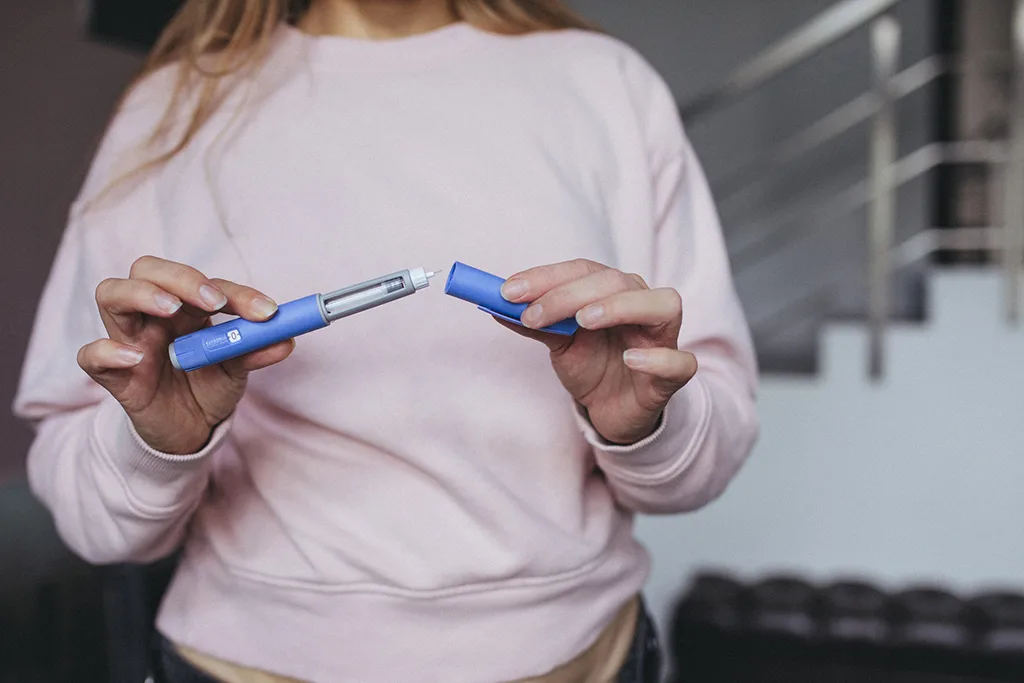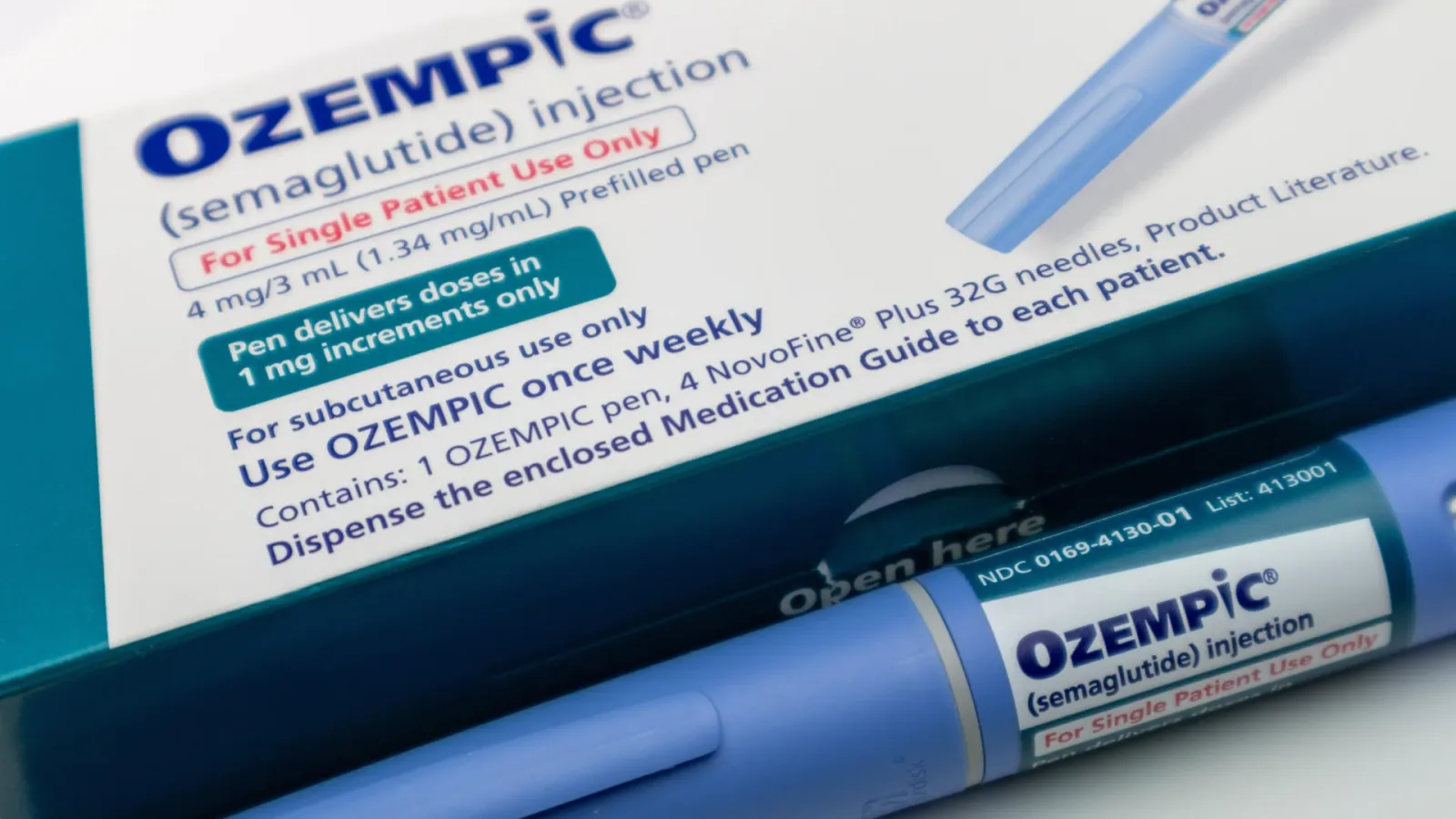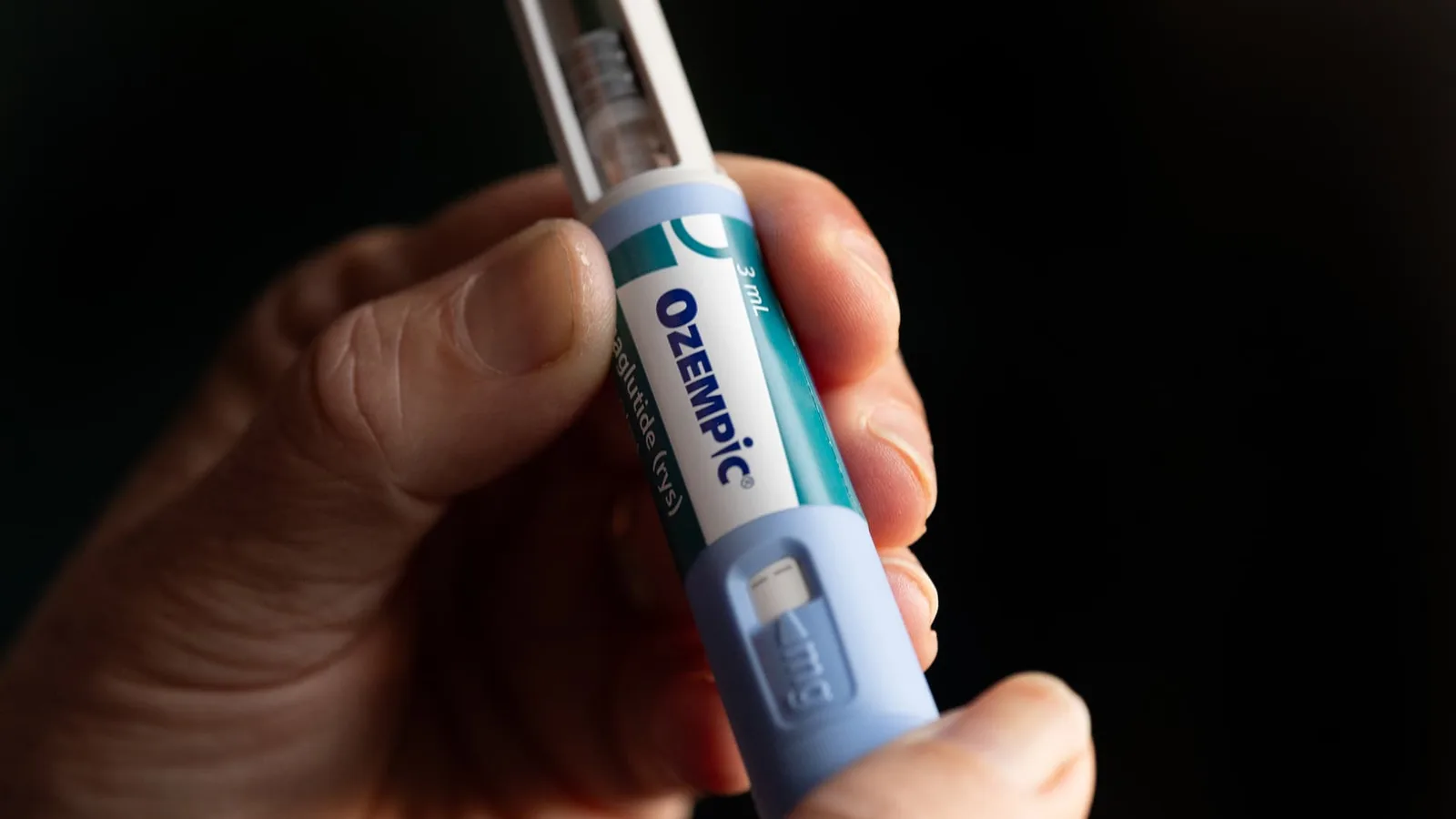

The results hold importance since roughly half of individuals with obesity discontinue the use of GLP-1 medications, which function by imitating a natural gut hormone to curb hunger, within 12 months. This suggests that "medications by themselves might not suffice for prolonged weight management," as stated by experts from the University of Oxford.
The investigation contrasted various types of weight-reduction treatments—including earlier GLP-1 options and advanced versions such as semaglutide or tirzepatide featured in Novo Nordisk A/S's Ozempic and Eli Lilly & Co.'s Mounjaro—with data from a prior analysis of behavioral weight-control initiatives that encompassed dieting and physical activity.
Researchers examined 37 studies released by February 2025, which included 9,341 volunteers.
For those who utilized semaglutide or tirzepatide, the projected pace of weight recovery was anticipated to exceed the norm, potentially reaching the initial weight within roughly 18 months, based on the findings.
In addition to weight recovery, the research demonstrated that discontinuing medications results in the loss of other advantages, including enhancements in cardiovascular and metabolic indicators such as decreased cholesterol and lower blood pressure.
Precision tracking for your journey
Join thousands using Shotlee to accurately track GLP-1 medications and side effects.
📱 Get the Shotlee App
Track your GLP-1 medications, peptides, and health metrics on the go with our mobile app!
Conversely, behavioral weight-management approaches that emphasize enduring modifications like decreased calorie consumption and heightened exercise correlated with a more gradual return of weight.
Obesity impacts almost two billion grown-ups across the globe, per the BMJ, and markedly elevates the likelihood of cardiovascular issues, diabetes, and early mortality.
Certain experts remarked that the findings should not be unexpected.
"We do not anticipate treatments for chronic conditions to persist after cessation, and there's no rationale to believe obesity would differ," commented John Wilding, a professor of medicine at the University of Liverpool and contributor to one of the examined trials.
Health tracking applications such as Shotlee can assist in overseeing progress during weight management journeys.