
How GLP-1 Weight Loss Drugs Revolutionized Obesity: Lessons Learned
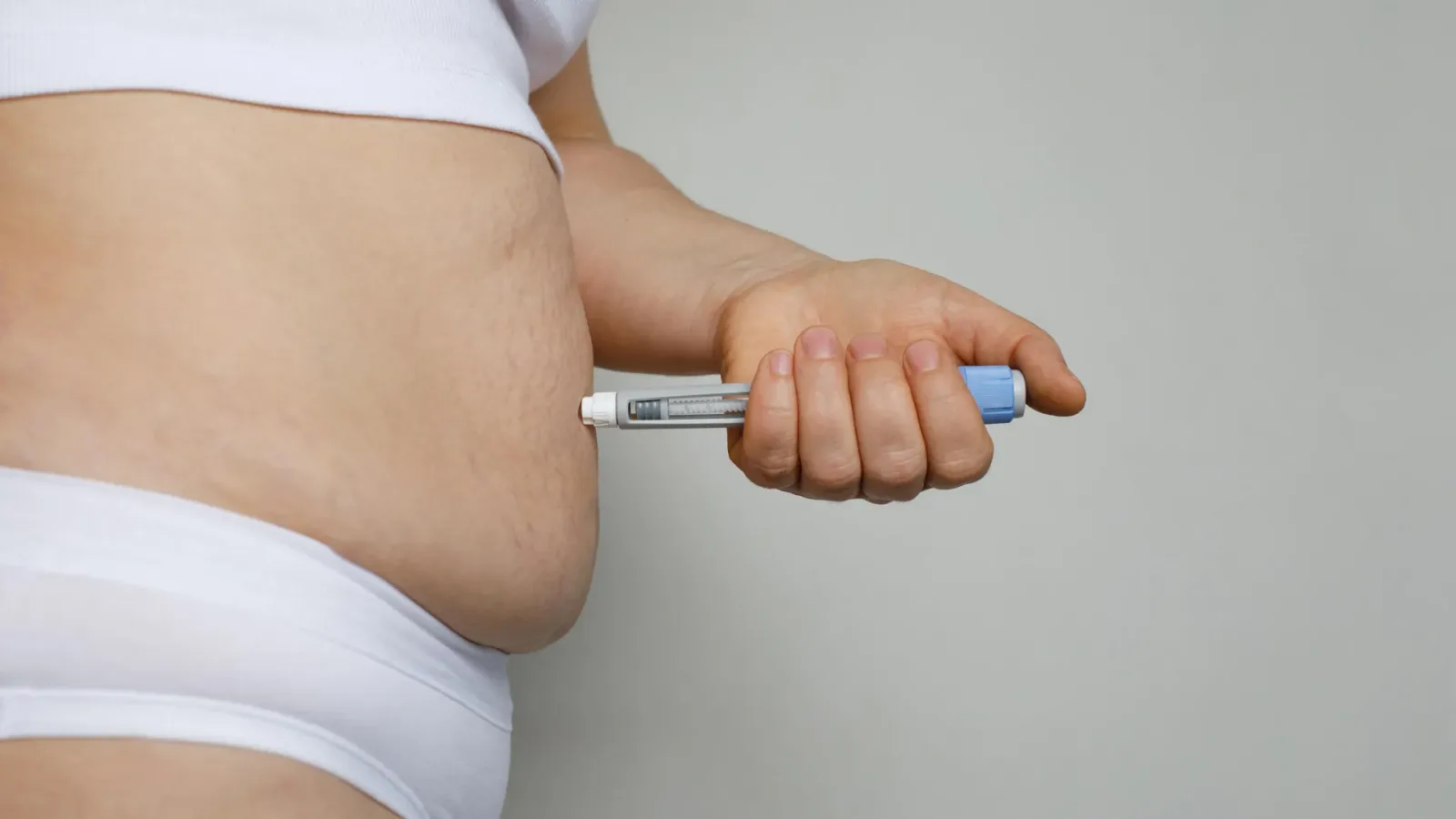
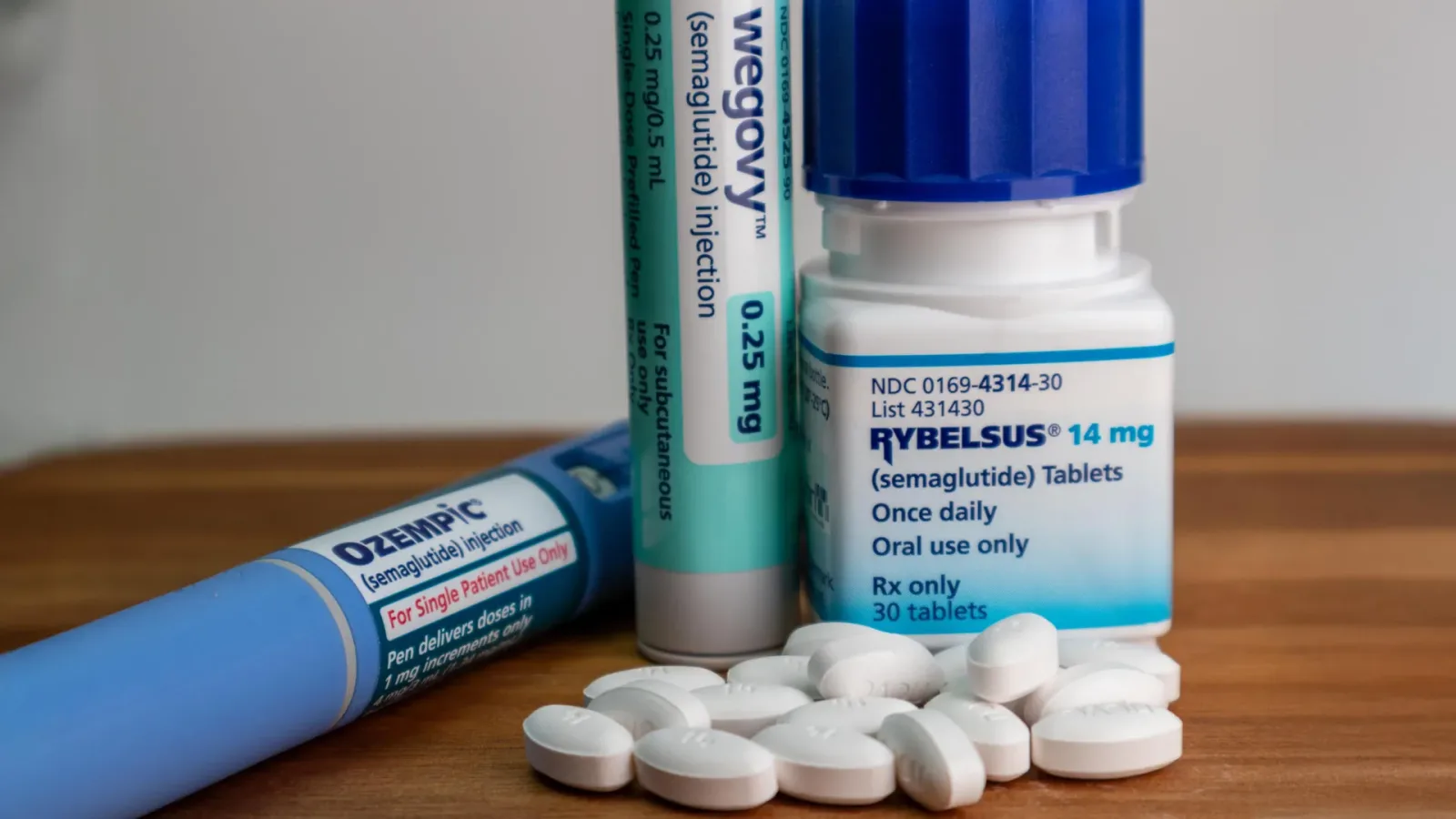
GLP-1 weight loss drugs, including blockbuster medications like Wegovy and Zepbound, have fundamentally revolutionized obesity treatment. These therapies have shifted how healthcare workers and patients perceive and manage the disease, delivering up to a 20% reduction in body weight over a 72-week period. With obesity affecting more than a billion people worldwide and linked to serious conditions like heart disease, stroke, and at least a dozen different cancers, these drugs offer a powerful tool in addressing a global epidemic.
Obesity Now Understood as a Chronic Disease
For decades, obesity was viewed primarily as a consequence of lifestyle choices—poor diet and insufficient physical activity. However, GLP-1 weight loss drugs have challenged this perspective by demonstrating their effectiveness through mechanisms beyond simple calorie restriction. These drugs act on hunger centers in the brain, reducing cravings, and delay gastric emptying, helping individuals feel full longer. This action underscores the complex interplay of genetics, hormones, biology, and metabolism in regulating body weight, alongside diet and exercise.
The Biological Mechanisms Behind GLP-1 Efficacy
GLP-1 receptor agonists mimic the glucagon-like peptide-1 hormone, which is naturally released in the gut after eating. By targeting GLP-1 receptors in the brain and pancreas, these medications not only suppress appetite but also improve insulin sensitivity and slow digestion. Clinical evidence supports their role in sustained weight loss, with studies showing consistent results over extended periods like 72 weeks. This biological insight has prompted leading organizations, such as the World Health Organization, to formally recognize obesity as a chronic medical condition warranting pharmacological treatment—much like hypertension or hypercholesterolemia, where medications are standard care.
Patients and providers now approach obesity with a nuanced understanding, integrating these drugs into long-term management strategies rather than short-term fixes.
The Shift Towards Personalized Medicine in Obesity Care
Obesity is not a one-size-fits-all condition. While some individuals can maintain a healthy weight through diet and exercise alone, others benefit from medications, behavioral therapy, or a combination. GLP-1 drugs exemplify this personalized approach, with some physicians prescribing them even to patients with normal BMI who face metabolic challenges like insulin resistance or hormonal imbalances that increase weight gain and cardiometabolic risks.
Insights from the SELECT Trial
The SELECT trial provides compelling evidence for broader application, demonstrating a 20% reduction in cardiovascular risk among patients who were obese or overweight but not diabetic. This finding emphasizes treating the whole patient—not just lab values or BMI numbers. GLP-1 therapies address underlying issues, offering tangible benefits for those predisposed to heart disease and stroke.
For patients considering these options, discussing family history, metabolic markers, and lifestyle with a healthcare provider is crucial. Tools like symptom-tracking apps can help monitor progress, adherence, and any adjustments needed during therapy.
Reducing Stigma Around Obesity Treatment
Historically, obesity has been stigmatized as a personal failing—stemming from overeating or laziness—leading many to feel shame about seeking medical help. The widespread adoption of GLP-1 weight loss drugs has begun to dismantle this barrier. As public awareness grows, using these medications is increasingly seen as legitimate, akin to insulin for diabetes or statins for high cholesterol.
Precision tracking for your journey
Join thousands using Shotlee to accurately track GLP-1 medications and side effects.
📱 Get the Shotlee App
Track your GLP-1 medications, peptides, and health metrics on the go with our mobile app!
This cultural shift empowers patients to pursue treatment without judgment, fostering open conversations with providers. Early adopters report improved quality of life, reduced cravings, and sustained weight management, further normalizing pharmacological intervention.
Patient Guidance: Starting GLP-1 Therapy
- Consult a Specialist: Endocrinologists or obesity medicine experts can assess eligibility based on BMI, comorbidities, and trial data like SELECT.
- Combine with Lifestyle: Pair drugs with nutrition counseling and activity for optimal results.
- Monitor Progress: Regular check-ins track weight, side effects like nausea or gastrointestinal discomfort (common initially), and cardiovascular markers.
Comparing GLP-1s to alternatives like older weight loss drugs (e.g., phentermine), these offer superior long-term efficacy and cardiometabolic benefits without the same addiction risks.
Equity in Access: Making GLP-1 Drugs Available to All
The profound effectiveness of GLP-1 weight loss drugs in mitigating obesity-related risks like heart disease and stroke demands broad accessibility. Insurance coverage and affordability are key to equitable treatment. Notably, the Trump administration has advanced this goal by including weight loss drugs like Wegovy among the 43 medications offered at discounted rates on the TrumpRx website—a platform aimed at lowering prescription costs for Americans.
This initiative addresses the obesity epidemic's scale, ensuring solutions that work reach those in need. Without such efforts, disparities in care would persist, disproportionately affecting underserved populations.
Beyond Weight Loss: Broader Impacts of GLP-1 Therapies
GLP-1 drugs extend far beyond shedding pounds. They reshape our understanding of obesity as a chronic disease driven by multifaceted biology. By reducing cardiovascular risks—as evidenced in the SELECT trial—and tackling root causes like hormonal dysregulation, these therapies prevent downstream conditions such as stroke and cancers.
Safety profiles are favorable for approved uses, though patients should be aware of potential gastrointestinal side effects and discuss contraindications (e.g., history of medullary thyroid carcinoma) with doctors. Long-term data continues to affirm their role in metabolic health.
Key Takeaways for Patients and Providers
- GLP-1 drugs like Wegovy and Zepbound achieve up to 20% weight loss over 72 weeks by targeting brain hunger centers and gastric emptying.
- Obesity is a chronic condition per WHO, involving genetics and hormones—not just lifestyle.
- SELECT trial: 20% CV risk reduction in non-diabetic obese/overweight patients.
- Personalized medicine prioritizes patient needs over BMI alone.
- Stigma reduction normalizes treatment like other chronic diseases.
- Equity via platforms like TrumpRx ensures access to effective therapies.
What This Means for Metabolic Health
In summary, GLP-1 weight loss drugs have revolutionized obesity management by reframing it as a treatable chronic disease. Patients should partner with providers to explore these options, especially if facing cardiometabolic risks. As access improves, the potential to curb the global obesity crisis grows. For ongoing management, consider resources for tracking medication schedules and symptoms to optimize outcomes.
These lessons learned position GLP-1 therapies as a cornerstone of modern obesity care, empowering healthier futures without the shadow of stigma.