What Did the FDA Panel Vote On?
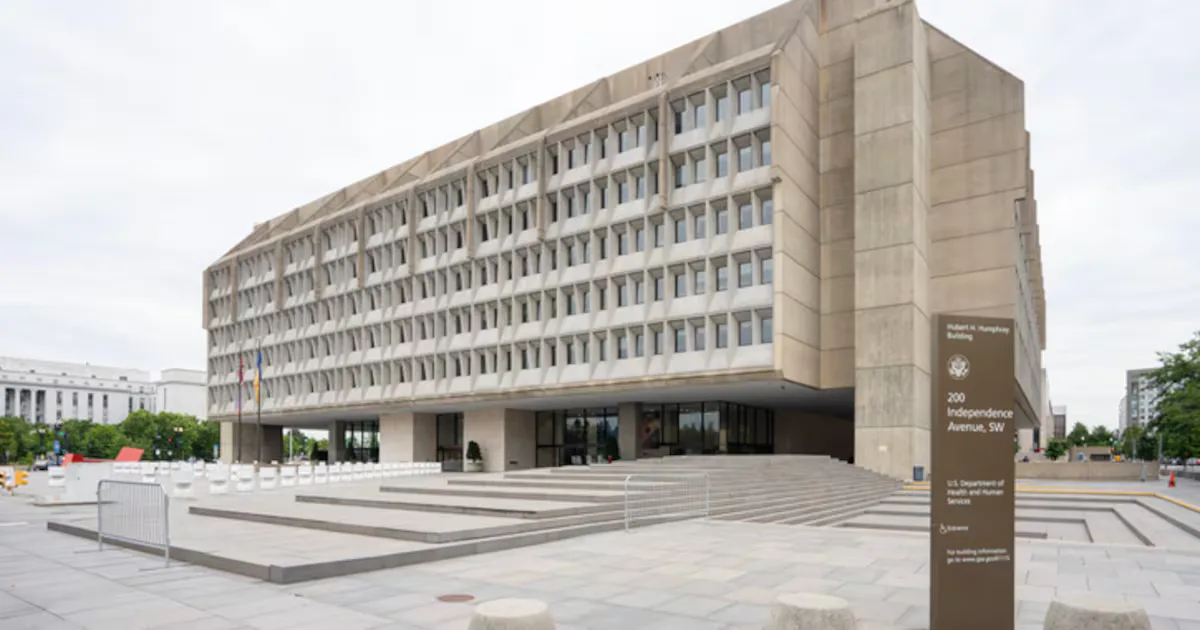
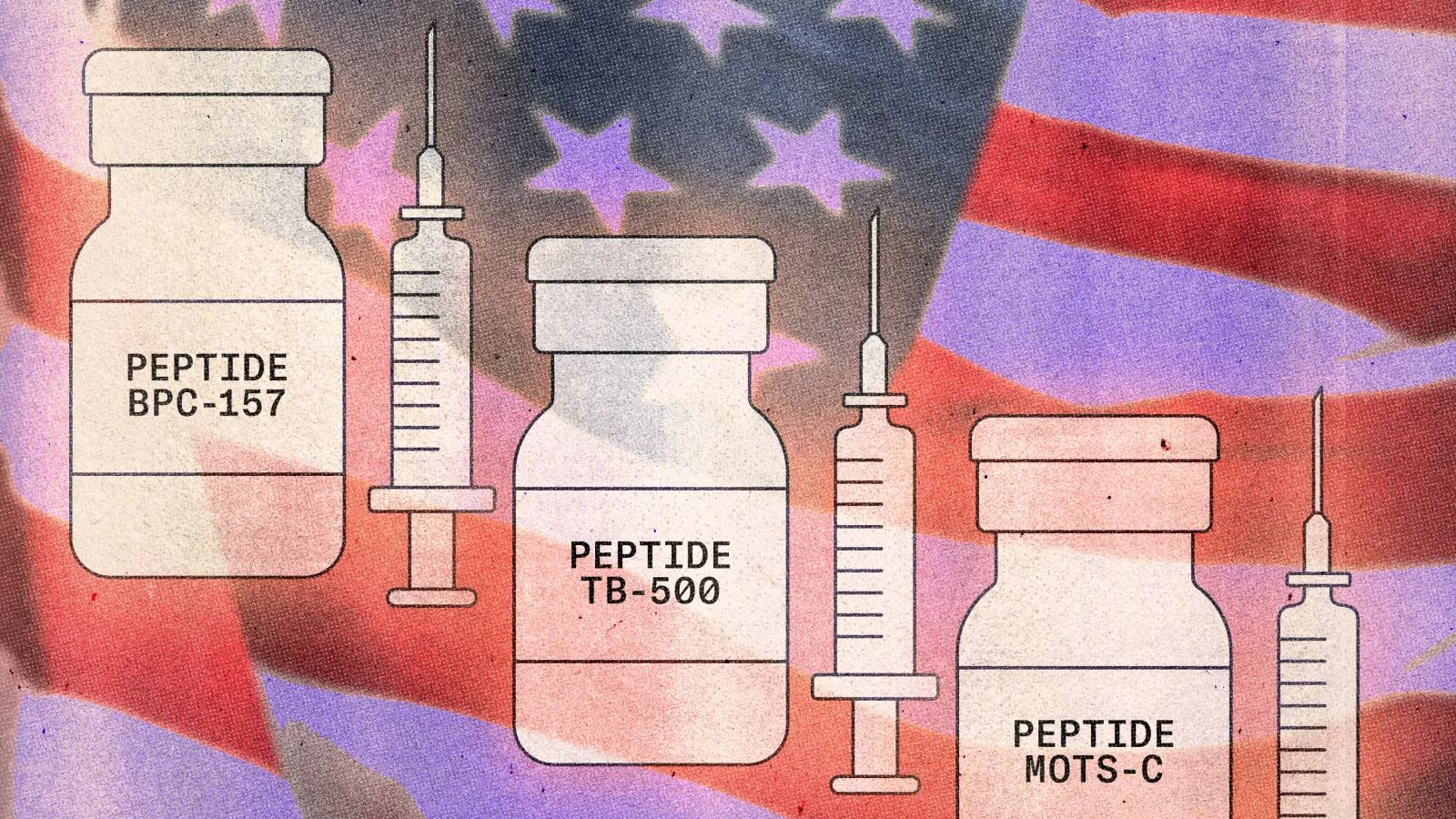
The FDA panel recommended approval for six specific peptides previously banned for human use during a July 23 and 24 hearing. This decision marks a significant shift in regulatory policy, potentially opening the floodgates for a multibillion-dollar peptide industry in the United States. The list of approved substances includes the Wolverine Stack composed of BPC-157 and TB-500, peptides frequently used by biohackers for healing skin, ligaments, muscle, and bone. Additionally, the panel approved KPV for inflammatory skin conditions, MOTS-c for metabolic conditions, Emideltide as a sleep assistant, and Semax for migraine relief. Only Epitalon, a peptide used to alleviate insomnia, was rejected by the panel, meaning six of the seven peptides up for debate received a recommendation for approval by the end of the day Friday. These recommendations could fundamentally alter how patients access these compounds, moving them from the shadows of the gray market into regulated pharmaceutical channels.
Industry reaction was immediate, with telehealth company Hims signaling that it would move to sell the controversial substances should they be approved after acquiring a peptide manufacturing facility in 2025. Hims stock rose 13% after the first day of the panel, reflecting investor confidence in the potential market expansion. This vote represents a major victory for the wellness industry, which has long argued that current restrictions limit patient access to potentially beneficial treatments. However, the path from recommendation to actual market availability remains complex, requiring further FDA review and acceptance of these determinations.
Are There Safety Concerns With These Peptides?
Significant safety concerns remain because many of these substances lack intensive human clinical trials required for traditional approval. Career FDA scientists quietly argued in posts shared on the FDA website that there had not yet been enough clinical human trials to confirm that the peptides in question are both safe and effective for pharmacies to compound and distribute. Dr. Katie Rizzone, a sports-medicine specialist at the University of Rochester, noted that this is not the traditional way the FDA goes about doing stuff, typically requiring phase one, phase two, and phase three trials that take years. She stated she does not see the evidence at this point, highlighting the tension between established regulatory medicine and the multibillion-dollar wellness industry. At least one representative from the telehealth industry agreed that there is scant data to support the claims around BPC-157, with Hims chief medical officer Dr. Anant Vinjamoori admitting the evidence is not strong during his testimony.
Despite the lack of evidence, the majority of these peptides currently exist in a gray zone where they are legal to purchase and own but are not approved for human use. They can be ordered online in the United States, where they are labeled as for laboratory use, or even sourced directly from manufacturers overseas via massive Telegram chats. In New York, peptides can even reportedly be purchased at select bodegas. Together this phenomenon is collectively referred to as the gray market, which is not subject to the quality control regulations that govern the pharmaceutical industry. Testing conducted on a range of peptides including MOTS-c, BPC-157, TB-500, and CJC-1295 by The New Yorker in April showed that many were impure or contained less than the advertised dose.
How Does Regulation Impact the Gray Market?
Proponents argue that thoughtful regulation protects patients far better than driving demand into an unregulated marketplace. Dr. Carrie Carda, national medical director for 10X health, a company that sells peptides, stated that she believes many patients will choose physician-supervised care over purchasing products online. Health and Human Services Secretary Robert F. Kennedy Jr. has moved to expedite the reclassification of peptides following an appearance on The Joe Rogan Experience podcast in February. During the taping, RFK Jr. argued that the Biden administration's ban was overreaching and illegal because there was no indication that peptides were unsafe to use. He also told Rogan he was a big fan of peptides, signaling a high-level political push to legitimize these substances despite the lack of robust clinical data supporting their efficacy.
However, multiple panelists pointed out that there is no evidence or research that suggests that the reclassification of these drugs would limit the gray market. Many grey market peptide consumers, particularly those who source their peptides directly from compounding pharmacies overseas, do not believe the approval of these peptides will do much of anything to stem the grey market. This is especially true because peptides purchased from overseas labs, often in China, are astronomically cheaper than regulated versions. One person who uses grey market peptides told GQ that saying regulation would stop the gray market is like saying Amazon is putting Temu out of business. This economic reality suggests that price sensitivity may continue to drive consumers toward unregulated sources regardless of FDA approval status.
When Will These Peptides Be Available?
Final approval is not guaranteed immediately, meaning Hot Peptide Summer could very well be postponed to 2027. The FDA will now weigh whether to accept these recommendations, a decision that has historically taken anywhere from months to years. Though the regulatory agency generally does accept the determinations of panels like these, it can and has rejected panel votes in the past. This delay creates uncertainty for both patients seeking treatment and companies planning to manufacture these substances. The hearing spawned controversy within the FDA well before it began, with multiple officials inside the agency expressing concern that then FDA head Marty Zakary was stacking the hearing with panelists who had direct connections to the peptide industry. This tension between established regulatory medicine and the multibillion-dollar wellness industry was on full display throughout the hearings, with career scientists continuing to argue that there is insufficient evidence to suggest that many substances are safe or effective.
Precision tracking for your journey
Join thousands using Shotlee to accurately track GLP-1 medications and side effects.
📱 Get the Shotlee App
Track your GLP-1 medications, peptides, and health metrics on the go with our mobile app!
Tracking these changes is vital for patients managing their health data, especially when transitioning to regulated therapies. Shotlee can assist patients in tracking their progress, symptoms, doses, or health data to ensure they are monitoring their response to any new treatments. As the industry waits for the FDA's final decision, the market remains active with influencers and celebrities ranging from Hailey Bieber to comedian Bert Kreischer discussing using them. Peptides are all over the internet, where they are promoted for everything from skin and hair health to wound healing. Their use has transcended numerous demographics, with a quick browse through TikTok showing extremely online young men discussing peptides as part of their looksmaxxing protocol.
Key Takeaways for Patients
- Approval Status: Six peptides were recommended for approval, but final FDA acceptance is pending.
- Safety Data: Many substances lack Phase 1-3 clinical trials, raising safety questions among experts.
- Market Access: Telehealth companies like Hims plan to sell these substances if approved.
- Gray Market: Unregulated sources may remain cheaper despite potential new regulations.
- Timeline: Full availability could be delayed until 2027 depending on FDA review.
Comparison of Approved vs. Rejected Peptides
| Peptide Name | Status | Intended Use |
|---|---|---|
| BPC-157 | Approved | Healing skin, ligaments, muscle, bone |
| TB-500 | Approved | Healing skin, ligaments, muscle, bone |
| KPV | Approved | Inflammatory skin conditions |
| MOTS-c | Approved | Metabolic conditions |
| Emideltide | Approved | Sleep assistance |
| Semax | Approved | Migraine relief |
| Epitalon | Rejected | Alleviate insomnia |
Conclusion
The recent FDA panel vote represents a pivotal moment for the peptide industry, balancing potential patient benefits against rigorous safety standards. While the recommendation for six peptides offers hope for those seeking alternatives for wound healing, metabolic health, and sleep, the lack of extensive clinical trials remains a significant hurdle. The regulatory process will determine whether these substances transition from the gray market to legitimate pharmaceutical channels, a move that could take years. Patients should remain cautious, prioritizing physician-supervised care and monitoring their health data closely as the landscape evolves.
Frequently Asked Questions
1. What is the current status of the six approved peptides?
Six peptides have received a recommendation for approval from the FDA panel, but they are not yet legally approved for human use. The FDA must still weigh whether to accept these recommendations, a process that can take months to years.
2. Why are there concerns about the safety of these peptides?
Concerns exist because many of these substances, such as BPC-157, have not undergone intensive human clinical trials like phase one, two, or three trials. Career FDA scientists have argued there is insufficient evidence to confirm they are safe and effective for pharmacy distribution.
3. Will FDA approval stop the gray market for peptides?
There is no evidence that reclassification will limit the gray market. Many consumers prefer overseas sources because they are astronomically cheaper than regulated versions, similar to how cheaper alternatives remain popular despite brand competition.
4. Which telehealth companies are interested in selling these peptides?
Hims has signaled it will move to sell the controversial substances should they be approved after acquiring a peptide manufacturing facility in 2025. Their stock rose 13% after the first day of the panel due to this potential expansion.
5. What is the likely timeline for patient access to these peptides?
Final approval is not guaranteed immediately, meaning Hot Peptide Summer could very well be postponed to 2027. The FDA historically takes months to years to accept panel determinations, and it can reject votes in the past.