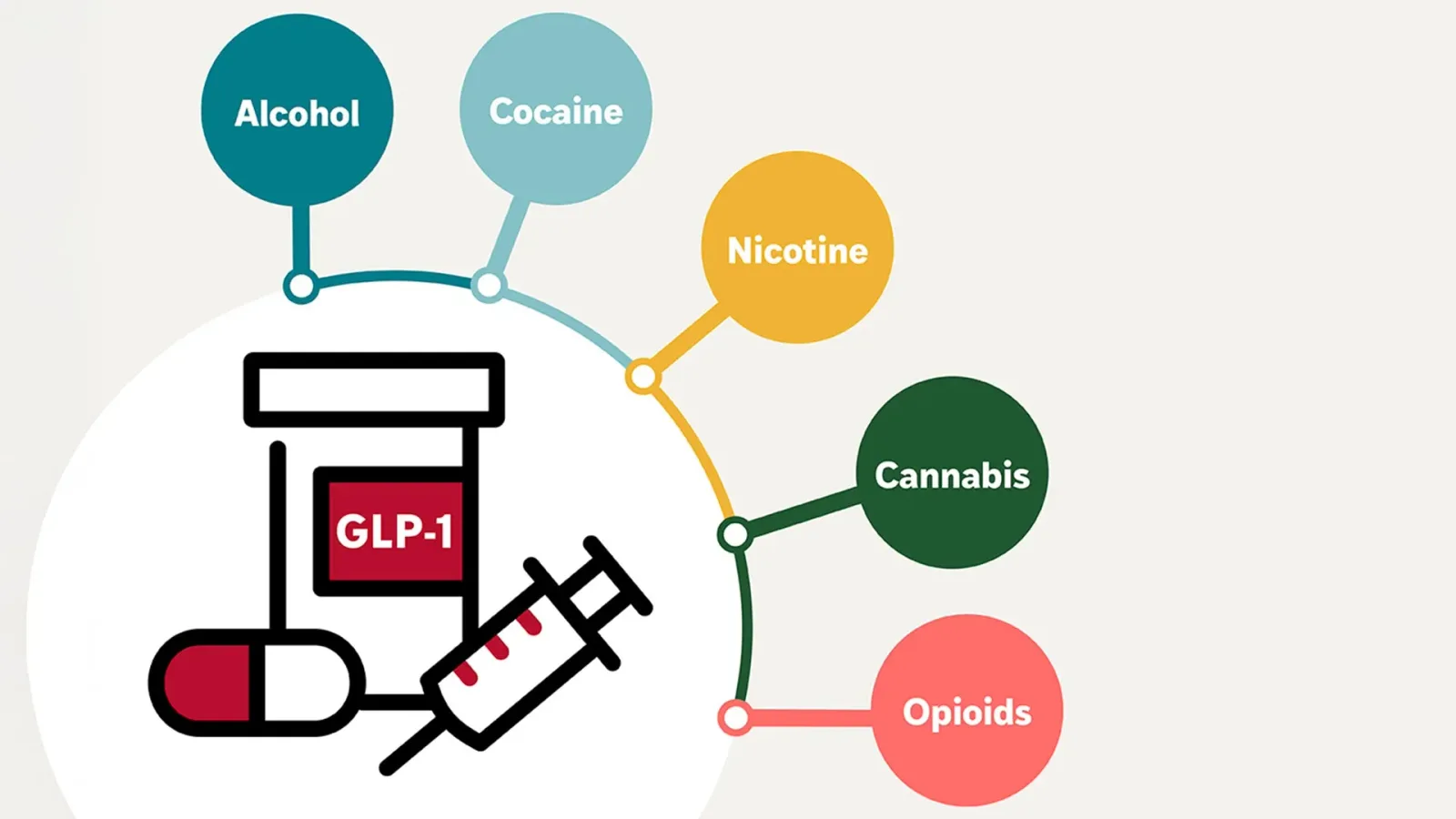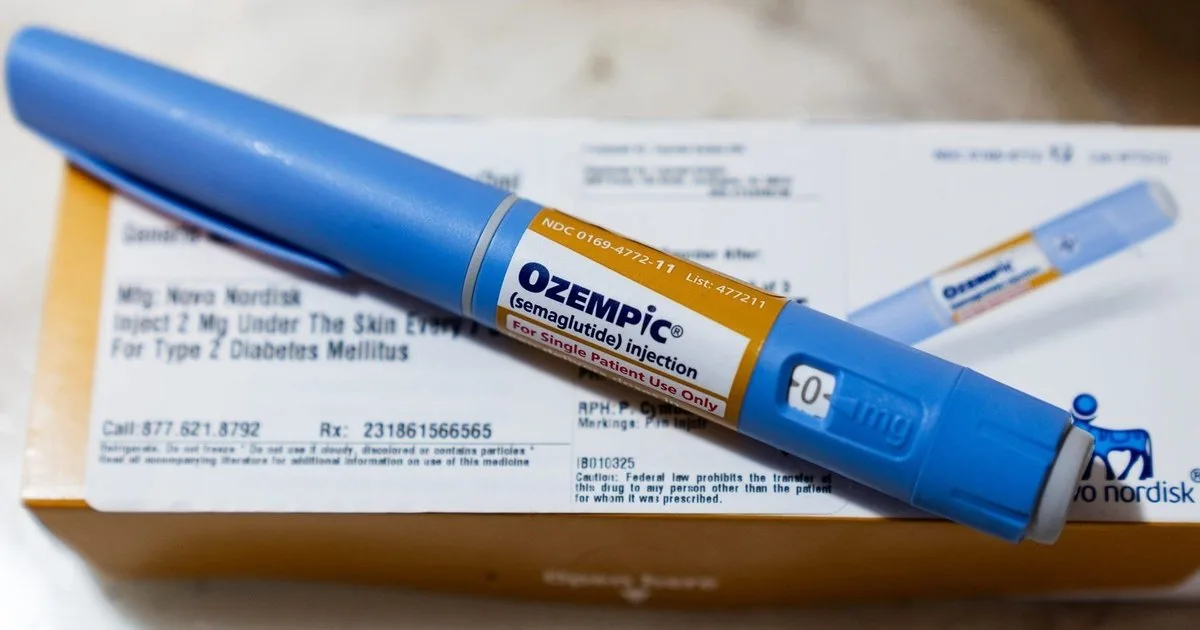

The impressive results of GLP-1 medications such as Ozempic and Wegovy for weight loss and diabetes management have captured global attention. However, this mainstream success has cast a long shadow, illuminating a rapidly expanding, largely unregulated 'gray market' for peptides. These compounds, often sold online without stringent oversight, are becoming a significant area of concern for health authorities and consumers alike.
According to a recent report by blockchain analytics firm Chainalysis, the trade in off-label peptides has surged dramatically, now exceeding a $100 million annual run rate. This growth is driven by a confluence of factors: increasing public interest in peptides for health and fitness, the desire for more affordable compounds, and the willingness of some consumers to bypass traditional pharmaceutical channels by sourcing products from overseas suppliers.
The Allure of the Gray Market: Why Peptides Are Booming
Peptides, which are essentially short chains of amino acids, are the building blocks of proteins and play crucial roles in numerous biological processes. While many peptides have legitimate medical applications and are used in prescription drugs, a vast array of others are available for research purposes or are marketed directly to consumers for various wellness goals, often without FDA approval or rigorous clinical testing.
The success of GLP-1 agonists like semaglutide (found in Ozempic and Wegovy) and tirzepatide (found in Mounjaro and Zepbound) has undeniably brought peptides into mainstream conversation. This heightened awareness, coupled with the high cost of approved medications and potential supply shortages, has pushed some individuals to seek out alternative, often cheaper, peptide sources online. These sources frequently operate outside the established regulatory frameworks, creating the 'gray market' phenomenon.
Overseas Suppliers and Unbranded Compounds
The Chainalysis report highlights that a significant portion of this gray market is served by overseas suppliers, particularly from China. These vendors often sell raw, unbranded peptide powders or pre-mixed solutions directly to consumers. This model bypasses the need for prescriptions and the associated costs and regulatory hurdles of approved pharmaceuticals. However, it also means that the purity, potency, and safety of these products are not guaranteed.
For consumers, the appeal lies in perceived affordability and accessibility. For vendors, operating in less regulated environments and utilizing alternative payment methods can offer logistical and financial advantages. This dynamic has created a fertile ground for the rapid expansion of this unregulated trade.
Cryptocurrency: The Backbone of the Gray Market
A critical element enabling the growth of the gray market peptide trade is the widespread adoption of cryptocurrency for payments. Traditional financial institutions and credit card processors are often hesitant or outright refuse to process transactions associated with prescription-grade compounds, unregulated substances, or vendors operating in legally ambiguous territories. This creates a significant barrier for many online sellers.
Cryptocurrency, with its decentralized nature and ability to facilitate cross-border transactions outside of conventional banking systems, has emerged as the preferred payment rail for these vendors. Chainalysis data indicates that both Bitcoin and stablecoins are commonly used, with larger vendors showing a pronounced preference for stablecoins.
Stablecoins: Mitigating Volatility for Larger Transactions
The preference for stablecoins among vendors handling larger transaction volumes is a strategic move to mitigate financial risk. Stablecoins, such as Tether (USDT) or USD Coin (USDC), are designed to maintain a stable value, typically pegged to a fiat currency like the US dollar. This contrasts with cryptocurrencies like Bitcoin, whose prices can be highly volatile.
Precision tracking for your journey
Join thousands using Shotlee to accurately track GLP-1 medications and side effects.
📱 Get the Shotlee App
Track your GLP-1 medications, peptides, and health metrics on the go with our mobile app!
By accepting stablecoins for substantial orders, vendors can protect their revenue from sudden market downturns, ensuring more predictable income streams and reducing the financial exposure associated with holding volatile assets. This allows for more organized and scalable operations within the gray market.
| Payment Method | Usage Pattern | Primary Benefit for Vendors |
|---|---|---|
| Bitcoin | Widely used for transactions. | Facilitates cross-border payments outside traditional banking. |
| Stablecoins | Dominant for vendors receiving average deposits of $1,000+; preferred by larger vendors. | Reduces exposure to price volatility, stabilizing revenue for larger orders. |
Concerns Over Product Safety and Purity
While the financial and logistical aspects of the gray market are facilitated by crypto, the most significant concern for consumers is product safety and efficacy. The unregulated nature of these sales means there are no independent bodies verifying the quality, purity, or accurate labeling of the peptides being sold.
Chainalysis noted a worrying trend: many wallets that previously purchased peptides from China had also sent funds to Janoshik, a company that provides independent chemical purity testing. However, as the market has grown and the number of buyers has increased, the average testing spend per buyer has plummeted by an estimated 88%, falling to around $8 per buyer. This suggests that while more products are being tested overall due to increased volume, individual buyers are spending significantly less on verification, potentially overlooking critical quality checks.
The Risk for Unsuspecting Consumers
The report emphasizes that individuals engaging with the gray market peptide trade often have limited experience with both cryptocurrency and unregulated pharmaceuticals. This lack of knowledge can lead to several risks:
- Product Quality: Consumers may receive products that are impure, contaminated, under-dosed, or entirely mislabeled, leading to ineffective treatments or harmful side effects.
- Payment Traceability: While crypto offers a payment rail, understanding the traceability of transactions and the potential for scams or fraud is crucial.
- Legal and Health Risks: Purchasing and using unapproved substances carries inherent legal and health risks that consumers may not fully comprehend.
Furthermore, Chainalysis has observed some concerning overlaps between the peptide market and other illicit research chemical networks. For instance, suppliers previously linked to fentanyl precursor sales have reportedly expanded into the peptide trade or integrated it into their existing operations, raising serious public health alarms.
Navigating the Landscape: The Role of Health Tracking
For individuals exploring peptide therapies, whether approved or through less regulated channels, diligent health tracking is paramount. Tools like Shotlee can be invaluable in monitoring doses, tracking any reported symptoms or side effects, and maintaining a record of health data. This information is crucial not only for personal health management but also for informing healthcare providers about any treatments being used, regardless of their origin.
Understanding the risks associated with the gray market is the first step. For those considering peptide therapies, prioritizing safety, seeking information from reputable sources, and consulting with qualified healthcare professionals should always be the primary approach. While the allure of cheaper or more accessible alternatives is understandable, the potential consequences of unregulated substances can outweigh any perceived benefits.
Conclusion
The burgeoning gray market for peptides, driven by the popularity of GLP-1 drugs and facilitated by cryptocurrency, presents a complex challenge. While it offers seemingly accessible alternatives, it is fraught with risks related to product safety, purity, and consumer well-being. As this market continues to evolve, awareness and caution are essential for anyone considering engaging with these unregulated compounds. Prioritizing legitimate medical advice and approved treatments remains the safest path for achieving health and wellness goals.