
GLP-1 Therapies: Risks and Rewards Across Conditions
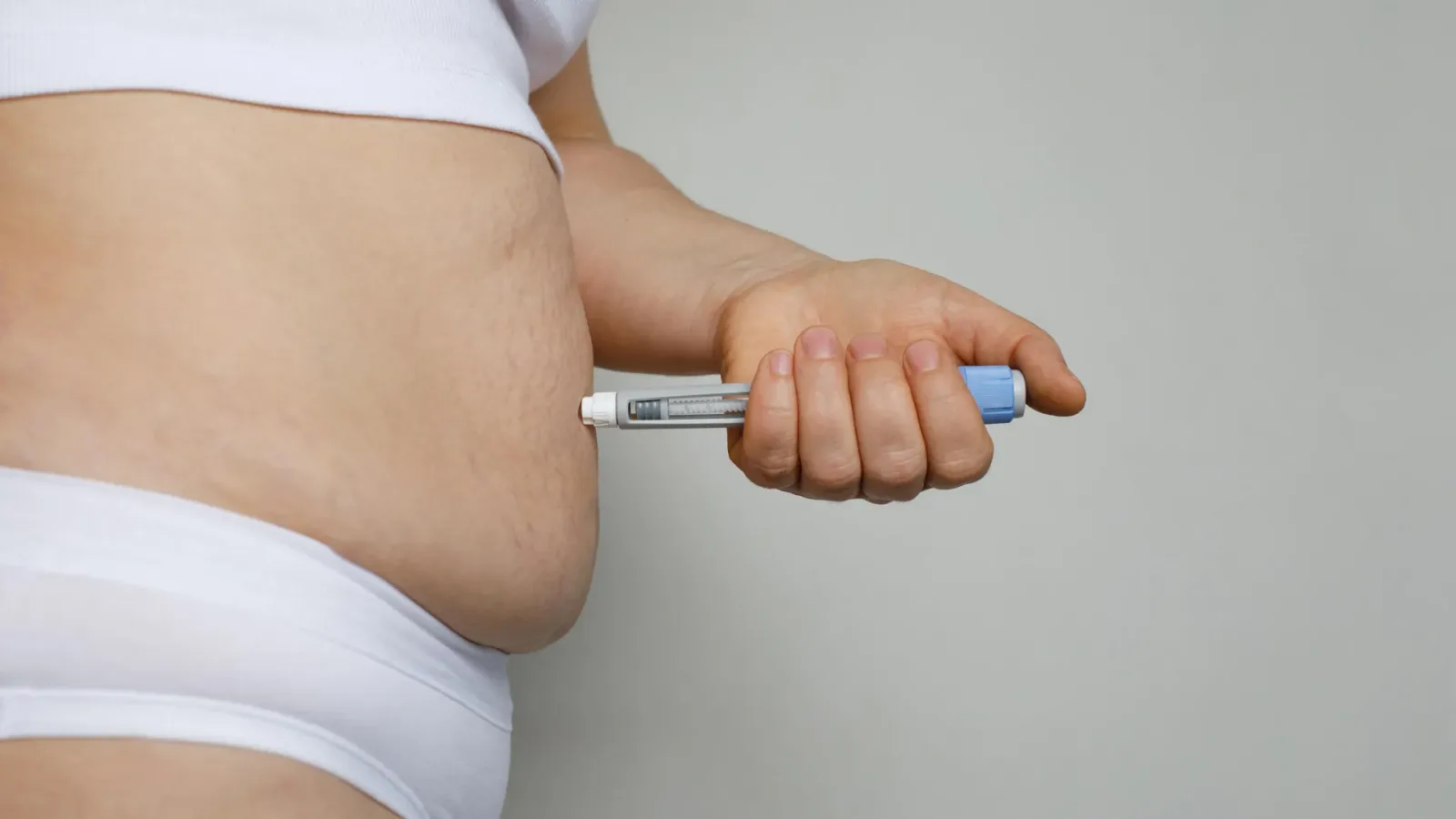
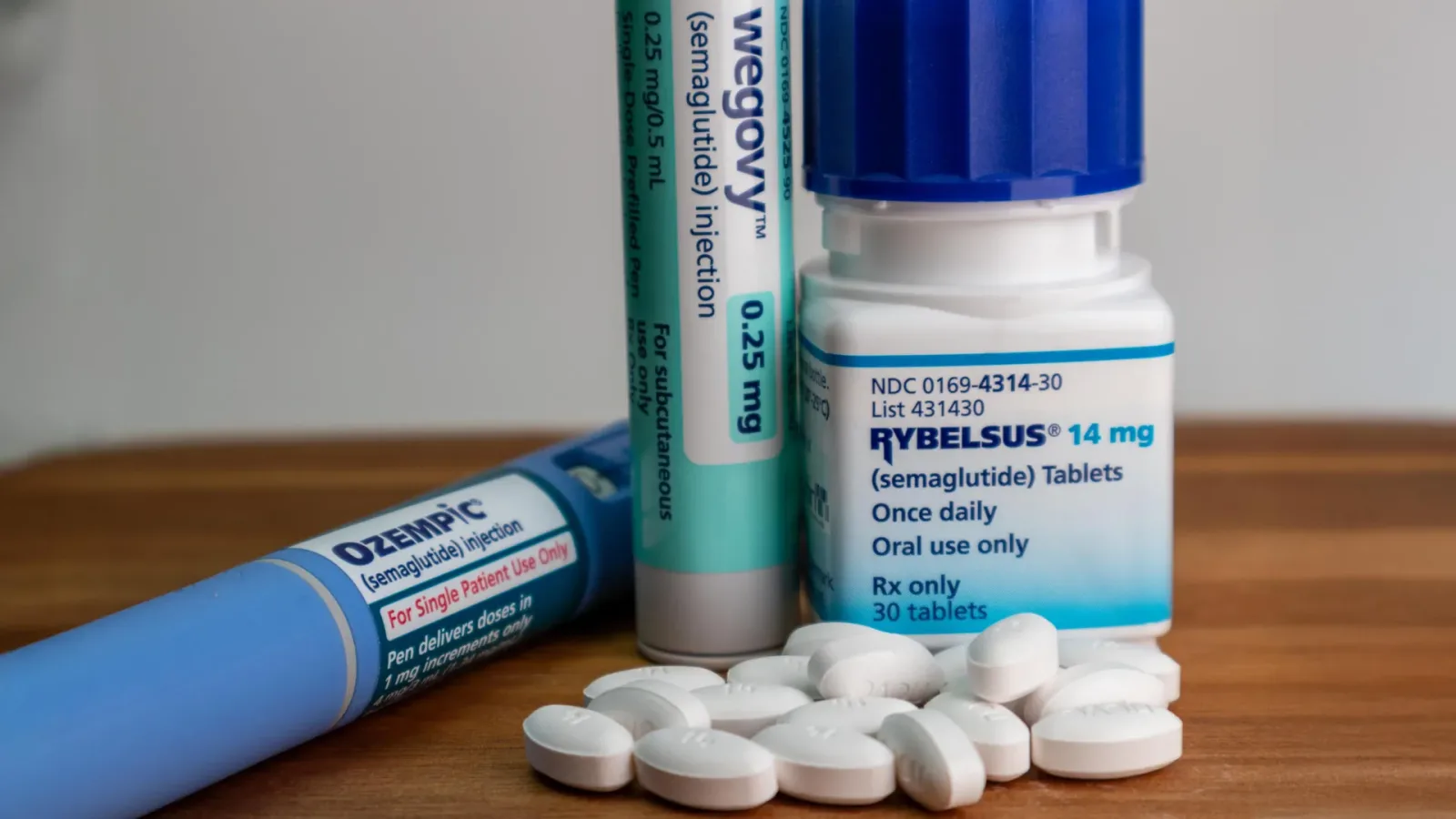
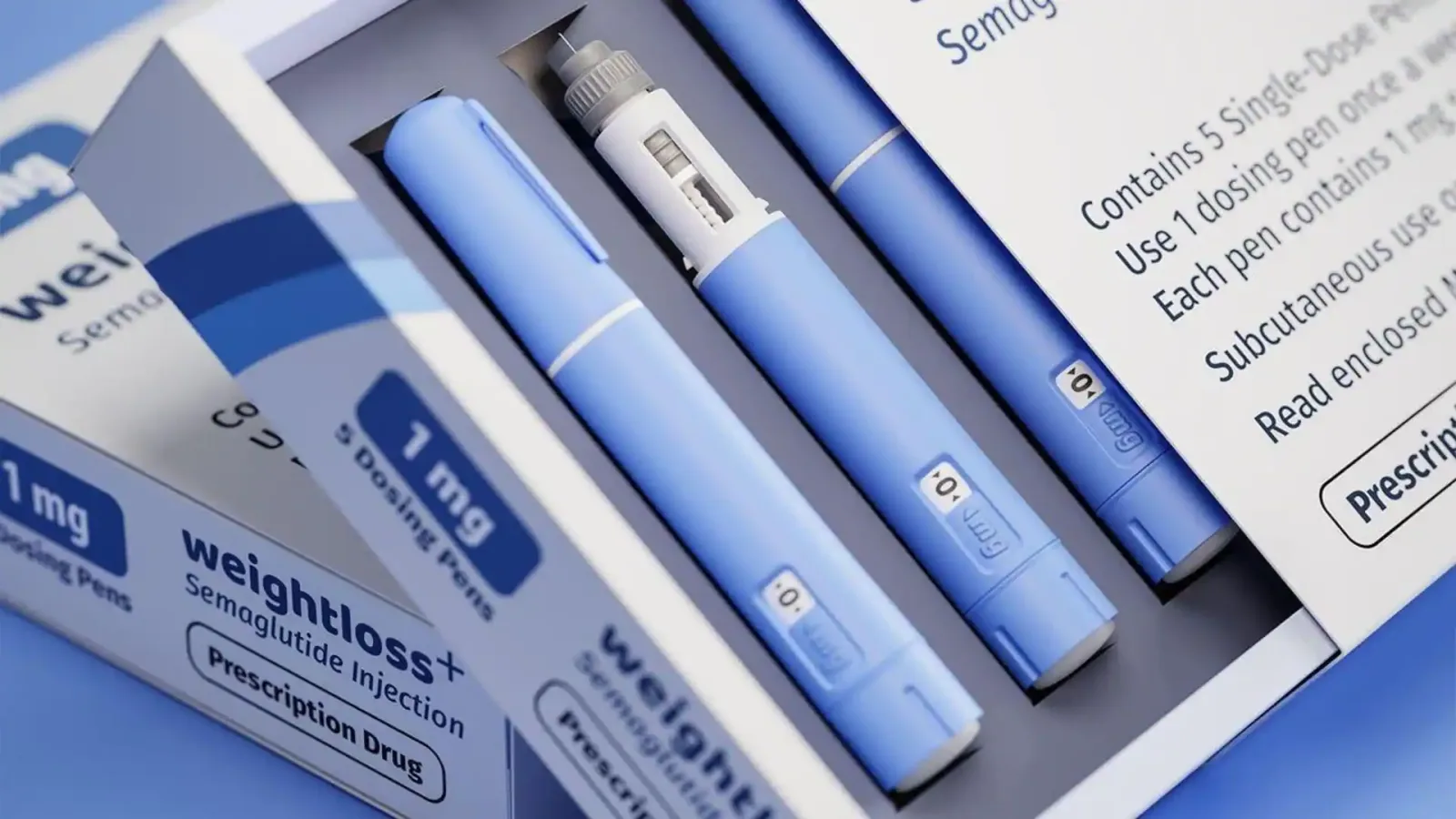
Glucagon-like peptide-1 (GLP-1) therapies represent a cornerstone in managing metabolic conditions, with drugs like Ozempic (semaglutide) and Mounjaro (tirzepatide) at the forefront. These GLP-1 receptor agonists mimic the natural hormone's effects, offering benefits from blood glucose control to weight loss. But as their use expands, evaluating GLP-1 therapies' risks and rewards across conditions is essential for patients and clinicians.
How GLP-1 Therapies Work: The Science Behind the Benefits
GLP-1, a naturally occurring hormone identified decades ago, is released by gut cells after meals. Nutrients trigger this release, leading to slower gastric emptying, decreased appetite, and stimulated insulin release for blood glucose regulation. This mechanism addresses core issues in type 2 diabetes, where reduced insulin sensitivity causes elevated blood glucose, potentially leading to complications like diabetic ketoacidosis, cardiovascular events, or cerebrovascular issues.
GLP-1 receptor agonists were developed to harness these effects. Early research in the 1990s showed increased insulin and decreased glucose levels. After years of refinement to address the hormone's short half-life (one to two minutes, requiring infusions), exenatide became the first approved GLP-1 drug in 2005. First-generation options needed twice-daily injections and high doses, amplifying side effects. Second-generation advancements introduced once-weekly injections and dual agonists like tirzepatide (Mounjaro), which also target glucose-dependent insulinotropic polypeptide (GIP) for enhanced metabolism.
Why These Mechanisms Matter for Patients
For those with type 2 diabetes or obesity—a key driver of the disease—GLP-1 therapies provide dual action: glycemic control and weight loss. Unlike some alternatives with high inter-individual variability due to age, race, or weight, GLP-1s show consistent efficacy across groups. Patients should discuss with their doctor if GLP-1 therapies suit their profile, especially if prior treatments failed.
Expanding Benefits: Beyond Diabetes Management
Today, Ozempic and Mounjaro rank among the top-10 best-selling drugs, driven by skyrocketing awareness and telehealth access. Approved uses now include chronic weight management, cardiovascular risk reduction, and kidney disease in select populations. Research highlights vascular benefits, such as potential during heart attack recovery, mental health improvements, and reduced cravings in substance use disorder.
Compared to traditional diabetes drugs, GLP-1s offer broader metabolic impact. For instance, dual agonists like tirzepatide synergize GLP-1 and GIP for superior weight loss and efficacy over mono-GLP-1 therapy.
Common Side Effects of GLP-1 Therapies
The most-reported adverse effects are mild to moderate gastrointestinal symptoms: nausea, abdominal pain, diarrhea, and vomiting. These stem from slowed gastric emptying. Injection-site reactions are also common. Many users discontinue due to these, though symptoms often lessen within months as the body adjusts or doses are titrated slowly.
Higher side effect rates occur in weight loss users versus diabetes patients, due to higher doses and faster titration. Practical guidance: Start low, go slow. Track symptoms with apps like Shotlee to monitor patterns and share with providers for adjustments.
Serious Risks and Real-World Context
Serious events include retinopathy, gallbladder disorders, and acute pancreatitis. An observational study on liraglutide and semaglutide reported an elevated hazard ratio for pancreatitis. However, real-world data shows pancreatitis as rare, with reviews finding no statistical difference versus non-users—and even lower lifetime risk among GLP-1 users.
Precision tracking for your journey
Join thousands using Shotlee to accurately track GLP-1 medications and side effects.
📱 Get the Shotlee App
Track your GLP-1 medications, peptides, and health metrics on the go with our mobile app!
Another emerging concern: regurgitation under anesthesia in GLP-1 users following standard fasting. Case reports prompted interim strategies, underscoring pharmacovigilance. Clinicians now adapt pre-operative protocols.
Long-Term Considerations and Contraindications
Long-term effects remain under study. Rapid weight loss raises questions about muscle density, nutritional status, bone health, and rebound weight gain. Recent Cleveland Clinic research counters rebound fears, showing sustained weight maintenance via lifestyle or alternatives post-therapy.
GLP-1s are contraindicated in those with personal/family history of medullary thyroid cancer (MTC) or multiple endocrine neoplasia syndrome type 2, based on rodent studies—though no human evidence confirms elevated risk.
The Future of GLP-1 Therapies: Innovations on the Horizon
Researchers optimize delivery to minimize side effects and boost convenience. Alternative routes in development include:
| Route | Key Motivators | Challenges |
|---|---|---|
| Oral | Needle-free | Low bioavailability |
| Nasal | Rapid onset | Consistency |
| Patch | Steady release | Skin absorption |
Multi-agonists advance further: Tirzepatide (GLP-1/GIP) leads, with triple agonists like retatrutide (GLP-1/GIP/glucagon) in Phase 3 trials showing preclinical superiority via once-weekly injections.
Balancing Risks and Rewards: Patient Guidance
GLP-1 therapies' rapid growth—fueled by optimization, telehealth, and social media—demands caution against fraudulent products. Personalized assessment is key: Diabetes users may tolerate differently than weight loss patients. Ongoing pharmacovigilance ensures safety as uses expand.
Discuss with providers: Benefits often outweigh risks for eligible patients, but monitor via regular check-ins. Tools like Shotlee aid in logging side effects or schedules for proactive management.
Key Takeaways for GLP-1 Therapy Users
- GLP-1s excel in diabetes, weight loss, and CV/kidney protection with consistent efficacy.
- GI side effects are common but often transient; titrate slowly.
- Rare serious risks like pancreatitis are not elevated in real-world use.
- Future multi-agonists promise enhanced benefits.
- Balance with clinician guidance and lifestyle for long-term success.
Conclusion: Informed Use of GLP-1 Therapies
Decades of research underpin GLP-1 therapies' safety and efficacy. From exenatide's 2005 approval to today's blockbusters, they exemplify evolution in metabolic health. Patients: Prioritize informed decisions, vigilance for side effects, and adherence. As knowledge grows, GLP-1s will continue transforming care across conditions.