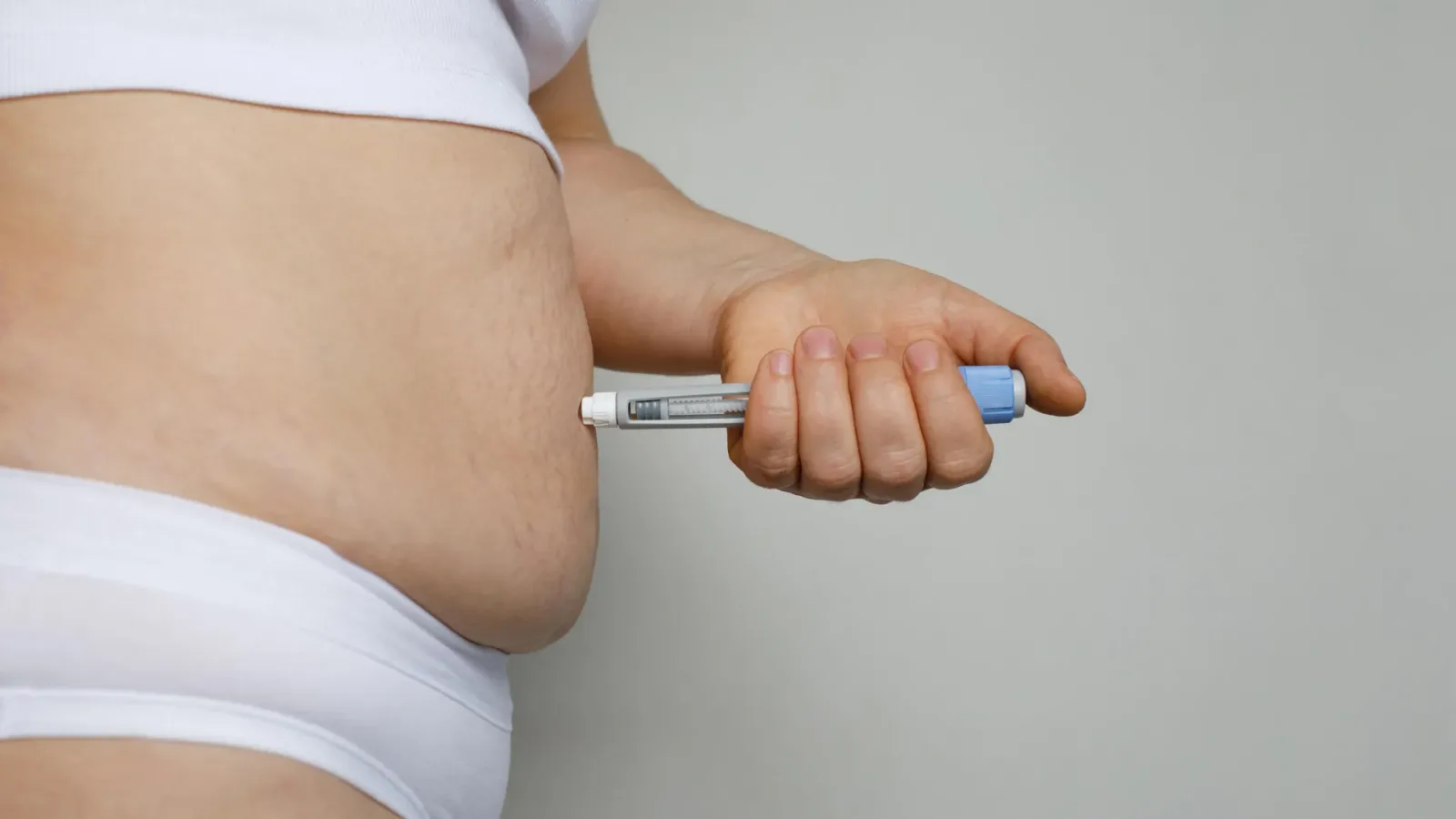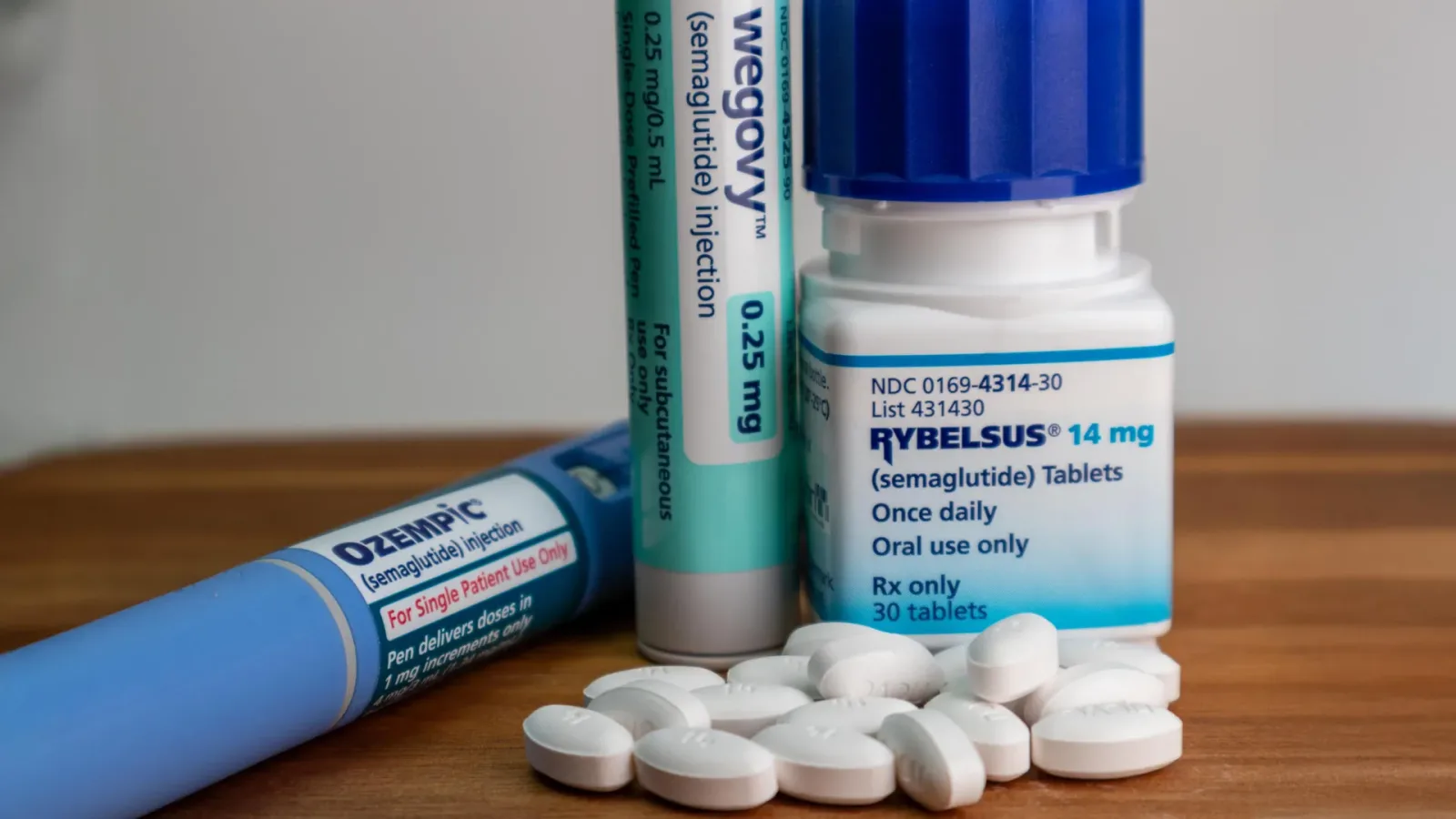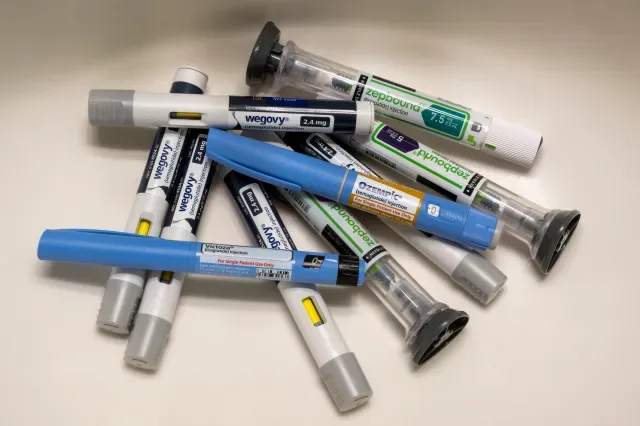

The landscape of weight management has been dramatically reshaped by the emergence of GLP-1 receptor agonists, a class of medications that includes highly effective drugs like semaglutide (marketed as Ozempic and Wegovy) and tirzepatide (marketed as Mounjaro). These injectables have shown remarkable success in helping individuals achieve significant weight loss and improve related health markers. However, for many patients in the UK, this progress comes with a looming deadline: the end of NHS funding, often capped at two years. This leaves individuals facing a difficult choice between discontinuing treatment and incurring substantial private costs to maintain their health gains.
The Promise and Progress of GLP-1 Agonists
GLP-1 receptor agonists work by mimicking the action of a natural hormone, glucagon-like peptide-1. This hormone plays a crucial role in regulating appetite and blood sugar. By stimulating GLP-1 receptors, these medications can:
- Reduce appetite: They slow down the emptying of the stomach, leading to a feeling of fullness for longer periods.
- Lower blood sugar levels: They stimulate insulin release and reduce the production of glucagon, helping to manage glucose more effectively.
- Promote weight loss: The combined effect of reduced appetite and improved metabolic function often results in significant and sustained weight loss.
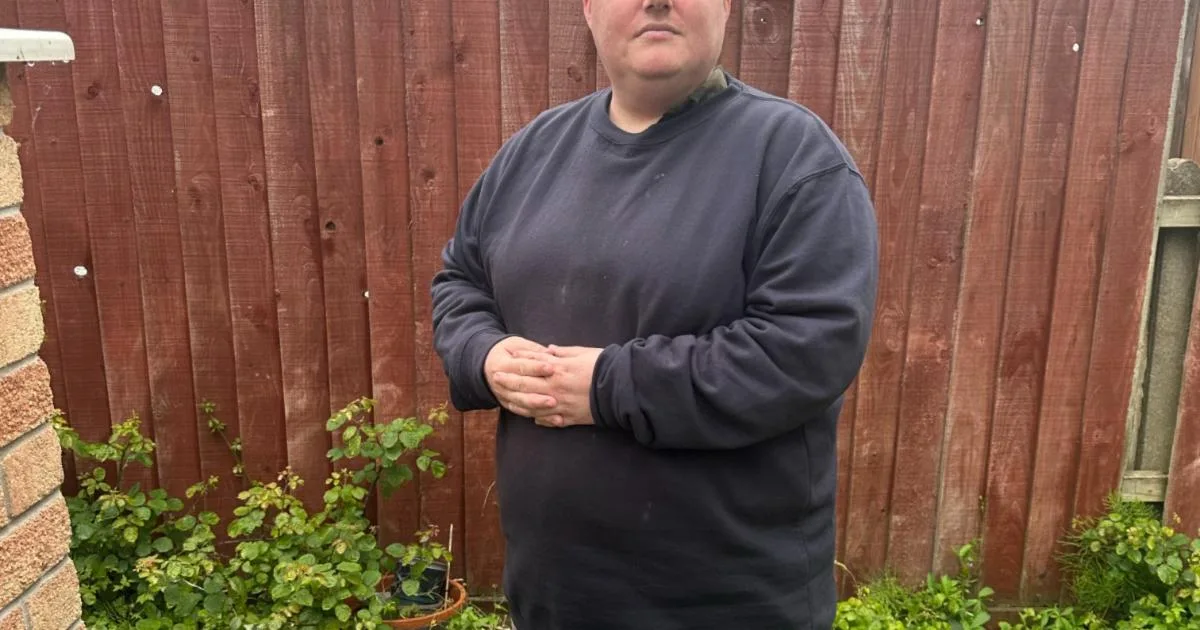
For individuals struggling with severe obesity and its associated health complications, such as type 2 diabetes, hypertension, and sleep apnea, these medications can be life-changing. Aled Robert Thomas, a 32-year-old from Penarth, experienced this firsthand. After being referred to the NHS Specialist Weight Management Service, he was initially prescribed Wegovy and later transitioned to Mounjaro. Over a period of approximately two years, he successfully lost over 20kg (44 lbs), reporting improvements in both his physical and mental well-being.
"Losing weight has helped me feel healthier and it's good for my mental health as well as my physical health." - Aled Robert Thomas
The NHS Two-Year Funding Cap: A Growing Concern
While the clinical benefits of GLP-1 agonists are increasingly recognized, the practicalities of long-term access within the NHS present a significant challenge. As Mr. Thomas’s experience highlights, NHS funding for these weight management medications is typically limited to a two-year period. This policy, often driven by budgetary constraints and the need to prioritize resources, means that patients who have made substantial progress must confront the prospect of their treatment being discontinued.
The rationale behind such policies is often explained by health boards as a structured approach to treatment, with patients informed from the outset about the duration of funded support. The Cardiff and Vale University Health Board, for instance, stated that their Specialist Weight Management Service is funded to provide support for a maximum of two years. They emphasized that access is prioritized according to clinical need and that they are committed to ensuring eligible patients have fair and equitable access to evidence-based care that supports sustainable improvements.
However, for patients like Mr. Thomas, this policy creates a precarious situation. The discontinuation of effective medication, not due to a lack of clinical need but because funding has expired, raises concerns about the sustainability of health gains and the potential for weight regain. This has led to arguments that obesity should be treated as a chronic, long-term condition requiring ongoing management, rather than a condition with a finite treatment window.
The Financial Burden of Private Treatment
When NHS funding ceases, patients who wish to continue their GLP-1 therapy are often left with no alternative but to seek private prescriptions. This transition comes with a significant financial commitment. Mr. Thomas reported that his monthly cost for Mounjaro privately is over £300. For many, this represents a substantial expense, especially for individuals who may be unemployed or on limited incomes.
The cost of these medications varies depending on the specific drug, dosage, and the pharmacy or clinic providing it. However, it is consistently in the hundreds of pounds per month, making long-term self-funding a considerable challenge. This disparity in access based on financial means has fueled concerns about the creation of a "two-tier" healthcare system, where access to effective treatments is determined by an individual's ability to pay.
"It is deeply worrying that patients can make genuine progress with their health, only to have treatment withdrawn because funding has run out. Healthcare in Wales should be based on medical need, not on who can afford hundreds of pounds every month." - Aled Robert Thomas
Navigating the System: What Patients Need to Know
For patients currently undergoing or considering GLP-1 therapy for weight management, understanding the current landscape is crucial. Key considerations include:
Precision tracking for your journey
Join thousands using Shotlee to accurately track GLP-1 medications and side effects.
📱 Get the Shotlee App
Track your GLP-1 medications, peptides, and health metrics on the go with our mobile app!
Eligibility Criteria for NHS Treatment
Access to GLP-1 agonists on the NHS is typically restricted to individuals who meet specific clinical criteria, often including a certain Body Mass Index (BMI) and the presence of weight-related comorbidities, such as type 2 diabetes. NICE (National Institute for Health and Care Excellence) guidelines and local health board policies dictate these criteria.
The Two-Year Treatment Window
Be aware that NHS funding for these medications is generally time-limited, often to a maximum of two years. It is essential to have open conversations with your healthcare provider about the expected duration of treatment and what happens after this period.
Transitioning to Private Care
If you wish to continue treatment beyond the NHS-funded period, you will likely need to obtain a private prescription. This involves consulting with a private doctor or a specialist who can prescribe the medication. Be prepared for the associated costs, which can be substantial.
Monitoring Progress and Health Data
Regardless of whether you are receiving treatment through the NHS or privately, consistent monitoring of your progress is vital. This includes tracking your weight, any changes in health markers (like blood pressure or blood sugar), and potential side effects. Tools like the Shotlee app can be invaluable for securely logging this data, allowing you to share comprehensive health insights with your healthcare team and make informed decisions about your treatment plan.
Advocacy and Information
Engaging with patient advocacy groups and staying informed about policy changes and new research can be beneficial. Understanding your rights and the broader context of weight management provision can empower you to navigate the healthcare system more effectively.
The Future of Weight Management Therapies
The effectiveness of GLP-1 agonists and similar peptide therapies has undeniably advanced the field of obesity treatment. However, the current funding models and access limitations within the NHS raise important questions about long-term care and health equity. The debate continues regarding whether these powerful medications should be viewed as a short-term intervention or a chronic disease management tool requiring sustained access.
As research progresses and the understanding of obesity as a complex, multifaceted condition deepens, it is hoped that healthcare policies will evolve to better support patients in achieving and maintaining their health goals. Until then, individuals will continue to grapple with the challenges of accessing and affording these life-changing treatments.
Practical Takeaways
- Understand NHS eligibility: Confirm you meet the specific clinical criteria for GLP-1 prescriptions on the NHS.
- Discuss treatment duration: Have a clear conversation with your doctor about the expected length of NHS-funded treatment.
- Budget for private costs: If continuing treatment privately is a possibility, research costs and explore financing options.
- Track your health: Utilize tools like Shotlee to meticulously record weight, symptoms, and medication adherence to share with your doctor.
- Stay informed: Keep up-to-date with medical advancements and policy discussions surrounding weight management medications.
Conclusion
The journey with GLP-1 agonists for weight management offers significant hope for many, but it is often fraught with the challenge of sustained access. The two-year funding limit imposed by the NHS, while perhaps a necessary budgetary measure, creates a critical juncture for patients who have benefited immensely from these therapies. The subsequent need to self-fund at considerable expense highlights a growing disparity in healthcare access. As the medical community and policymakers continue to address the complexities of obesity, finding sustainable and equitable solutions for long-term weight management remains a paramount goal, ensuring that progress made is not lost due to financial barriers.