
The Evolving Story of GLP-1 Medications
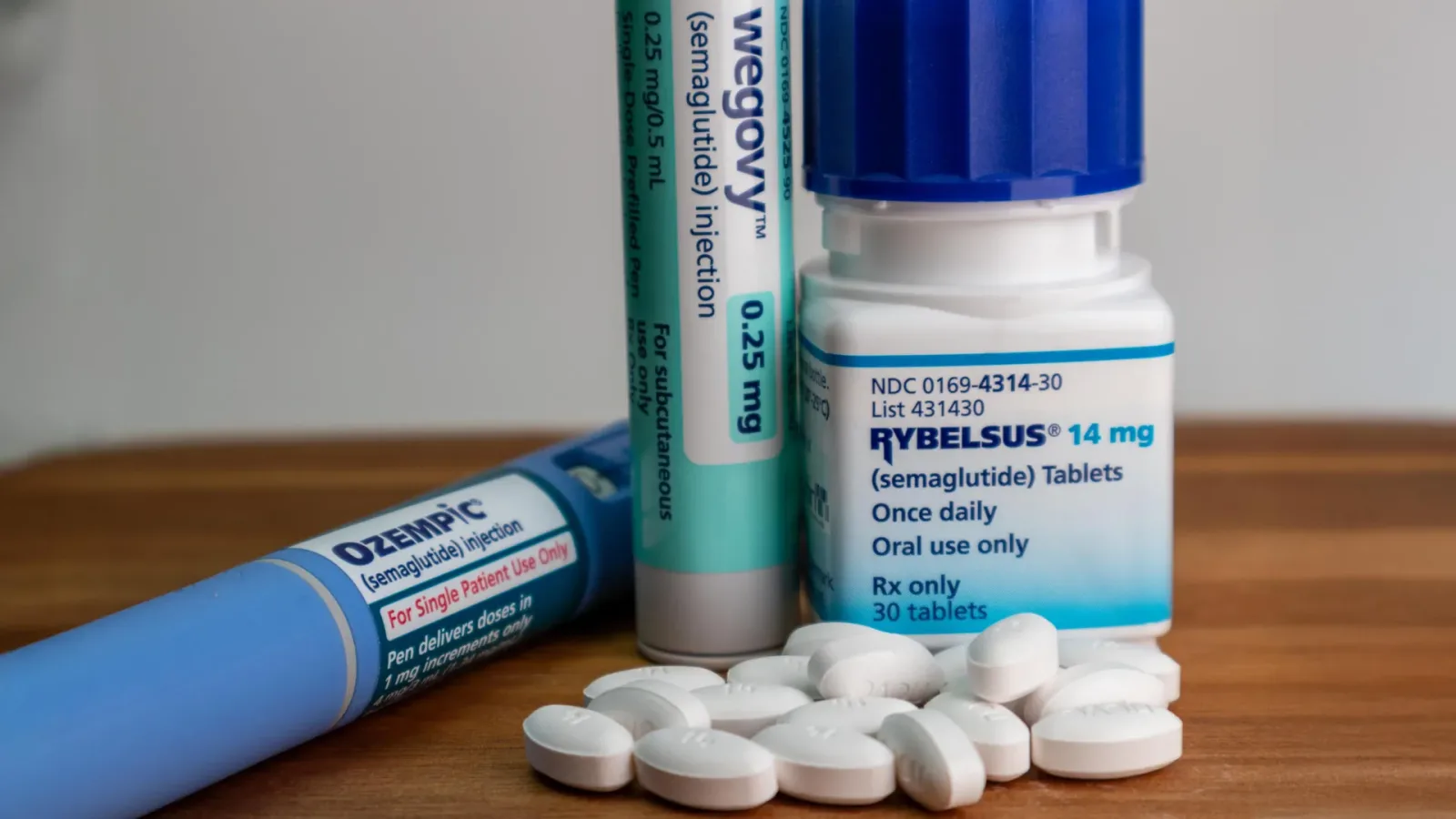
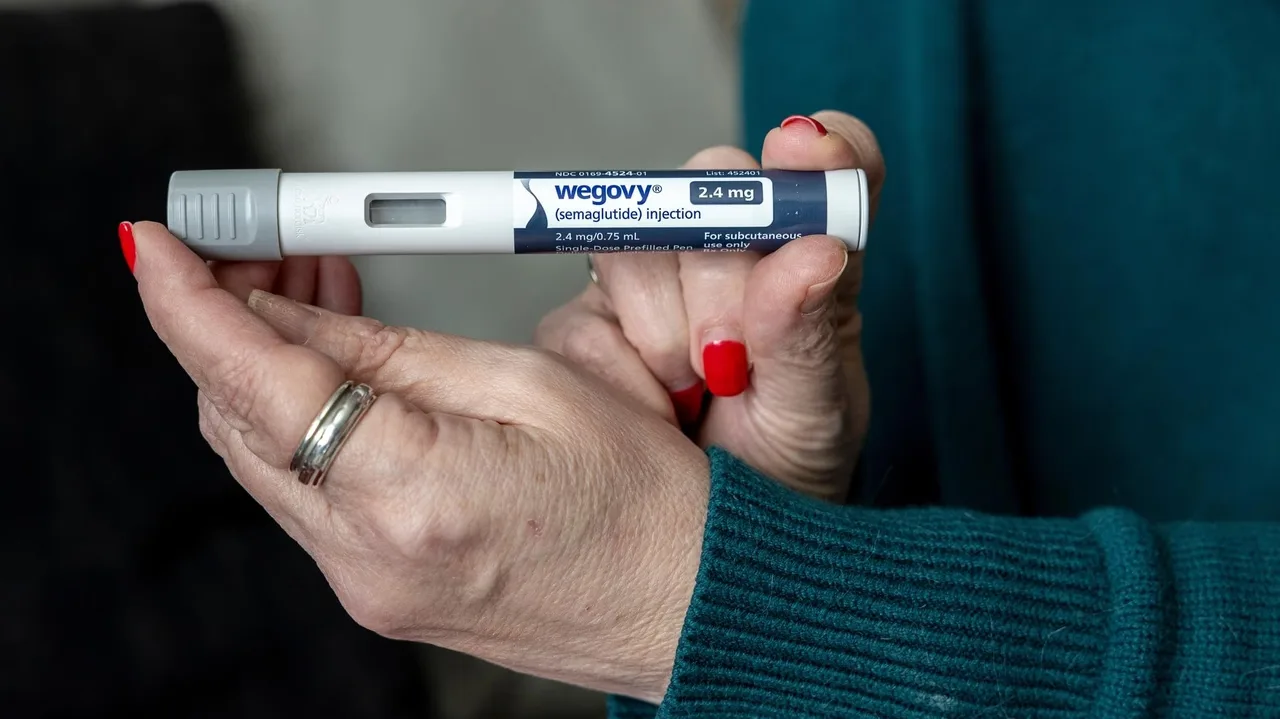
When glucagon-like peptide-1 (GLP-1) receptor agonists first entered the scene, their revolutionary impact on managing type 2 diabetes and facilitating significant weight loss quickly captured global attention. Medications like Ozempic (semaglutide), Wegovy (semaglutide), Saxenda (liraglutide), and Mounjaro (tirzepatide) have become household names, transforming the lives of millions. However, the scientific exploration of these powerful drugs continues, and recent findings suggest their benefits may extend far beyond metabolic health, hinting at a potential positive influence on mental well-being.
A compelling new study, published in the prestigious journal The Lancet Psychiatry, has shed light on this intriguing possibility. By analyzing extensive Swedish health records, researchers have uncovered a potential association between the use of GLP-1 medications and a reduced risk of worsening mental health conditions in individuals with diabetes. This adds another layer of complexity and promise to the already remarkable profile of these therapeutic agents.
Unpacking the Latest Research Findings
The study, which meticulously tracked nearly 95,000 individuals over a significant period (2009-2022), compared the mental health outcomes of patients during times they were taking GLP-1 medications versus periods when they were using other diabetes treatments or none at all. This large-scale, real-world data analysis provides a robust foundation for understanding the potential impact of these drugs.
The key findings were particularly striking:
- Semaglutide (Ozempic, Wegovy): Patients prescribed semaglutide demonstrated a notable 42% lower risk of their mental health worsening. This included a reduced risk of worsening depression (44% lower), anxiety (38% lower), and substance use disorders (47% lower).
- Liraglutide (Saxenda): While the effect was less pronounced than with semaglutide, liraglutide was associated with an 18% lower risk of mental health deterioration.
To define "worsening mental health," the researchers utilized a comprehensive set of indicators, including:
- Records of psychiatric hospital admissions.
- Rates of sick leave taken from work specifically for mental health reasons.
- Hospitalizations related to self-harm.
- Instances of death by suicide.
These metrics, when viewed collectively, offer a robust picture of significant mental health challenges. The observed reductions in these outcomes among GLP-1 users suggest a potentially protective or even therapeutic effect.
Exploring the 'Why': Potential Mechanisms at Play
While the study highlights a significant association, the precise biological mechanisms driving this potential mental health benefit remain an area of active investigation. Researchers acknowledge that pinpointing a direct cause-and-effect relationship is complex, especially given that the primary indications for these drugs are diabetes and weight management.
One leading hypothesis, put forth by Markku Lähteenvuo, a researcher involved in the study, suggests that direct neurobiological effects might be at play. He speculates that GLP-1 receptor agonists could influence the brain's reward system, potentially altering mood and motivation pathways. The GLP-1 receptor itself is present in various areas of the brain, including those involved in mood regulation and appetite control, making this a plausible avenue for exploration.
Other theories suggest indirect effects. For instance, improved glycemic control and weight loss, which are well-established benefits of GLP-1s, can significantly impact overall well-being and reduce stress. The physical improvements and increased self-efficacy associated with managing chronic conditions like diabetes and obesity can indirectly bolster mental health.
Furthermore, the inflammatory pathways often implicated in both metabolic disorders and depression could be another area where GLP-1s exert a beneficial influence. By potentially reducing systemic inflammation, these drugs might indirectly alleviate symptoms of mood disorders.
Precision tracking for your journey
Join thousands using Shotlee to accurately track GLP-1 medications and side effects.
📱 Get the Shotlee App
Track your GLP-1 medications, peptides, and health metrics on the go with our mobile app!
Expert Perspectives and Clinical Implications
The findings have generated considerable interest within the medical community, prompting both optimism and calls for careful interpretation. Eduard Vieta, a professor of psychiatry at the University of Barcelona who was not involved in the study, offered a balanced perspective.
"From a clinical perspective, these findings are reassuring regarding the psychiatric safety of GLP-1 receptor agonists and suggest a potential role not only in preventing worsening but also, possibly, in improving mental health outcomes," Vieta stated. "However, they should not yet be interpreted as evidence of a direct therapeutic effect on depression or anxiety."
This sentiment underscores a critical distinction: the study identifies a correlation, not a direct causal treatment for mental health conditions. While the observed risk reduction is statistically significant and clinically meaningful, it's crucial for patients and clinicians to understand that GLP-1 medications are not currently approved or prescribed as primary treatments for anxiety or depression. Their established roles remain in managing type 2 diabetes and chronic weight management.
Nevertheless, these findings are invaluable. They contribute to a growing body of evidence that suggests a broader impact of these medications. For individuals managing diabetes and potentially experiencing co-occurring mood disorders, this research offers a sense of reassurance and highlights the multifaceted benefits these drugs may provide. It also opens doors for future research specifically designed to explore the direct therapeutic potential of GLP-1s for certain mental health conditions.
Navigating Treatment and Tracking Progress
For patients prescribed GLP-1 medications for their approved indications, understanding these emerging findings can be empowering. It's important to maintain open communication with your healthcare provider about all aspects of your health, including both physical and mental well-being. If you are experiencing symptoms of anxiety, depression, or other mood disorders, it is essential to discuss these with your doctor. They can help determine the most appropriate course of treatment, which may include therapy, other medications, or lifestyle interventions, in addition to your GLP-1 therapy.
For those on GLP-1 therapy, diligently tracking your health data can provide valuable insights. Tools like Shotlee can help you monitor key metrics such as:
- Medication adherence and dosage timing.
- Blood glucose levels and HbA1c.
- Weight changes and body composition.
- Dietary intake and physical activity.
- Noted changes in mood, energy levels, or sleep patterns.
By keeping a detailed record of your progress and any symptoms, you can have more informed conversations with your healthcare team and better understand how your treatment is impacting your overall health journey.
Key Takeaways for Patients
This emerging research on GLP-1s and mental health offers several important points for patients:
- Reassurance: The study suggests that GLP-1 medications are likely safe from a psychiatric perspective and may even offer protective benefits against worsening mood disorders in individuals with diabetes.
- Not a Primary Mental Health Treatment: These drugs are not currently approved to treat anxiety or depression. Always consult your doctor for mental health concerns.
- Holistic Health: Improved physical health through diabetes management and weight loss can positively impact mental well-being.
- Informed Conversations: Discuss any mental health symptoms or concerns with your healthcare provider.
- Data Tracking: Utilize tools to monitor your health, including mood, to support discussions with your doctor.
Conclusion: A Promising Horizon
The journey of GLP-1 receptor agonists is far from over. While their efficacy in diabetes management and weight loss is well-established, the potential for these medications to positively influence mental health is an exciting and evolving area of research. The latest study provides robust evidence suggesting a reduced risk of worsening anxiety, depression, and other mental health issues in patients using these drugs. While caution is advised against viewing them as direct psychiatric treatments, these findings offer significant reassurance and highlight the multifaceted benefits these medications may confer. As research continues, we may uncover even more ways in which GLP-1s can contribute to comprehensive health and well-being.