
The Evolving Landscape of GLP-1 Medications
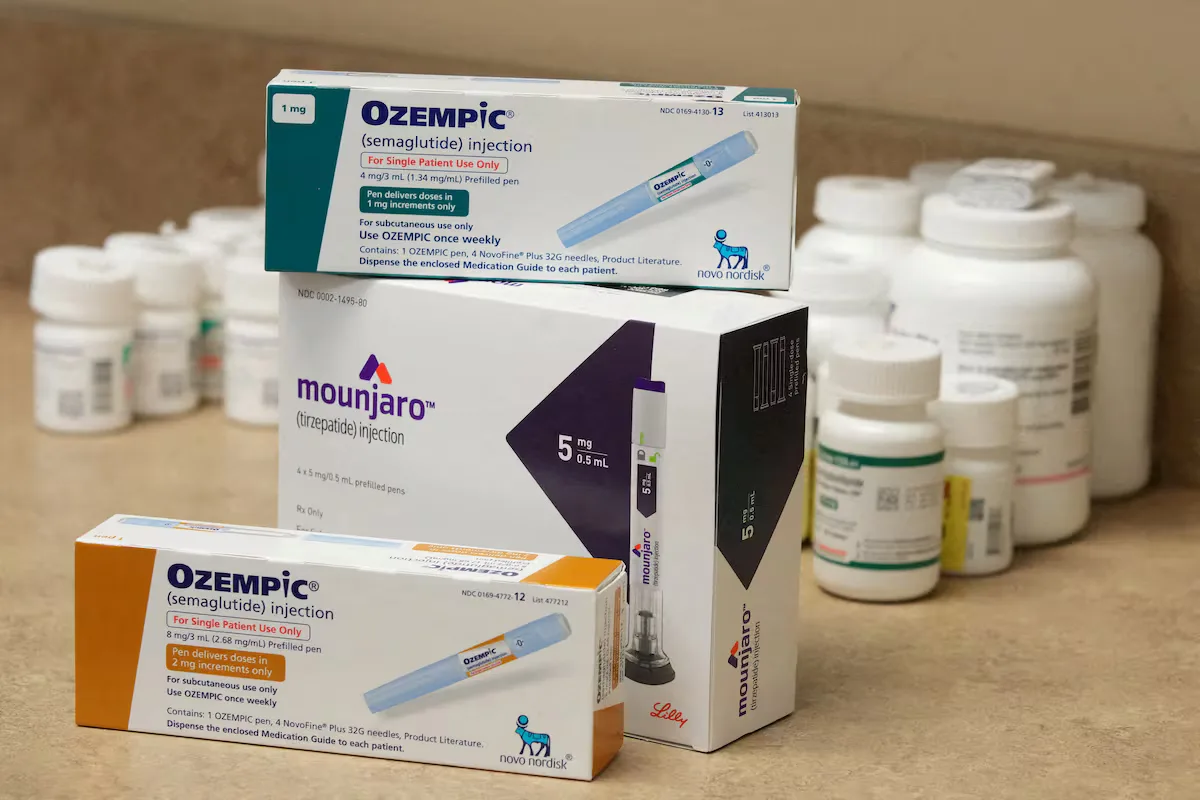
Originally developed and widely recognized for their efficacy in managing type 2 diabetes and promoting significant weight loss, medications belonging to the GLP-1 (glucagon-like peptide-1) receptor agonist class have become blockbuster treatments. Drugs like Ozempic (semaglutide) and Wegovy (semaglutide), as well as Mounjaro (tirzepatide, which also targets GIP), have transformed the lives of many individuals by aiding in blood sugar control and facilitating substantial weight reduction. However, emerging research is beginning to uncover a broader spectrum of potential therapeutic benefits for these powerful medications, extending into the realm of mental health.
Groundbreaking Study on Semaglutide and Depression
A pivotal study, recently published in the esteemed journal JAMA Psychiatry, has presented compelling evidence that semaglutide may offer significant improvements for individuals suffering from major depressive disorder (MDD). The research focused specifically on the drug's impact on motivation, a key symptom that often eludes conventional antidepressant therapies. The findings suggest that semaglutide not only aids in weight management but could also play a crucial role in restoring a sense of drive and engagement in patients battling depression.
The study's lead author, Dr. Rodrigo Mansur, a staff psychiatrist at the University Health Network in Toronto and an assistant professor at the University of Toronto, explained the underlying rationale. "The idea of the drug is that it activates the GLP-1 receptors in the brain, which leads to reduction in appetite and weight loss," Dr. Mansur stated. "This makes psychiatrists like me interested in what else activation of these receptors can do, and one of the main areas of interest is motivation." This intrinsic link between GLP-1 receptor activation and brain function has opened new avenues for exploring its therapeutic potential beyond metabolic health.
Understanding Motivation in Depression
Motivation is a cornerstone of mental well-being, intricately linked to the brain's reward pathways. In individuals with MDD, a profound lack of motivation, often termed "anhedonia" or "avolition," is a debilitating symptom. This isn't merely feeling sad; it's a pervasive loss of interest and pleasure in activities that were once enjoyable, making it difficult to initiate or sustain any form of effort. This motivational deficit can significantly impact daily functioning, social engagement, and overall quality of life. Dr. Mansur emphasized that existing treatments for depression often fall short in addressing this specific challenge, highlighting the urgent need for novel therapeutic approaches.
Study Design and Key Findings
The randomized clinical trial involved 72 participants who met the clinical criteria for MDD and were also classified as overweight or obese based on their body mass index (BMI). The participants were divided into two groups: one received semaglutide, while the other received a placebo. The study spanned 16 weeks, during which participants underwent a series of repeated trials designed to measure their willingness to exert effort.
In these trials, participants had the opportunity to earn money by completing tasks. They could choose between a "hard" task, which required typing with their non-dominant hand, and an "easy" task, using their dominant hand. Completing either task offered a chance to win money, with higher potential earnings for successfully completing the more challenging "hard" tasks. The researchers meticulously tracked participants' choices and effort levels at the beginning and end of the 16-week study period.
Effort, Reward, and Perception
While the study did not directly measure changes in mood, the results concerning motivation were striking. Participants who received semaglutide demonstrated a significantly greater willingness to exert effort by opting for the "hard" task more frequently than those in the placebo group. This suggests that semaglutide enhanced their motivation to engage in effortful activities. Furthermore, the drug appeared to influence their perception of rewards, making them value potential gains more highly and perceive the tasks themselves as less difficult.
This finding is particularly significant because disruptions in the brain's reward pathways are central to many psychiatric conditions. By potentially modulating these pathways, semaglutide could offer a novel mechanism for treating not only depression but also other disorders characterized by motivational deficits, such as bipolar disorder, schizophrenia, Parkinson's disease, and Alzheimer's disease.
| Group | Likelihood to Choose "Hard" Task | Perceived Task Difficulty | Valued Rewards More |
|---|---|---|---|
| Semaglutide | Significantly Higher | Lower | Yes |
| Placebo | Lower | Higher | No |
Potential Mechanisms and Broader Implications
The neurobiological underpinnings of semaglutide's potential antidepressant effects are still being explored, but several hypotheses are gaining traction. Beyond its well-established role in appetite regulation, GLP-1 receptors are present in various brain regions involved in mood, cognition, and reward processing.
Precision tracking for your journey
Join thousands using Shotlee to accurately track GLP-1 medications and side effects.
📱 Get the Shotlee App
Track your GLP-1 medications, peptides, and health metrics on the go with our mobile app!
Neuroinflammation and Neuroprotection
Dina Hirsch, clinical director of bariatric psychology and behavioral weight management at Northwell Health, suggests that GLP-1 drugs might possess inherent neuroprotective and anti-inflammatory effects. "Since neuroinflammation is a known driver of depression, 'cooling down' the brain's inflammatory response may directly lift depressive symptoms," she explained. By reducing inflammation in the brain, semaglutide could potentially alleviate some of the physiological processes contributing to depressive symptoms.
Beyond Depression: Other Psychiatric Conditions
This study builds upon a growing body of research hinting at the broader utility of GLP-1 agonists in psychiatric care. Previous studies have explored their potential benefits for individuals struggling with alcohol and drug use disorders. The current randomized trial represents a significant step forward, offering robust clinical data on semaglutide's impact on motivation in severe depression.
Dr. J. John Mann, co-director of the Center for the Prevention and Treatment of Depression at Columbia University, acknowledged the study's importance. "What's been missing is randomized clinical control studies," he noted. "This is the beginning and this is interesting, but now we need to replicate these findings." The scientific community is cautiously optimistic, recognizing the need for further validation before widespread adoption for off-label mental health indications.
Navigating Risks and Future Directions
Despite the promising findings, experts urge caution regarding the widespread off-label use of GLP-1 drugs for mental health conditions. Several considerations and potential risks need careful evaluation:
- Side Effects: The most common side effects of GLP-1 medications include nausea, vomiting, and diarrhea. While generally manageable, they can impact adherence and quality of life.
- Emotional Numbing: Some anecdotal reports and a few studies suggest that certain individuals may experience a sense of emotional blunting or numbing while taking GLP-1 medications. This is a critical area requiring further investigation, especially in the context of treating mood disorders.
- Disordered Eating: For individuals with a history of disordered eating, GLP-1 drugs could potentially exacerbate existing issues. Careful screening and ongoing monitoring by healthcare professionals are essential.
- Long-Term Risks: While the FDA has conducted reviews that have not found evidence linking GLP-1s to suicidal thoughts or actions, the long-term risks associated with these medications, particularly when used for non-metabolic indications, are still being fully understood. Genna Hymowitz, director of metabolic and bariatric psychology at Stony Brook Medicine, emphasized the need for more research "before we prescribe GLP-1s to people who are not overweight, and we need to better understand the long term risks of GLP-1s."
The current study focused on individuals who were overweight or obese. Whether these benefits extend to individuals with a healthy BMI and MDD remains an open question. Future research will likely explore these nuances, as well as investigate the optimal dosages and treatment durations for psychiatric indications.
Practical Takeaways for Patients and Providers
For individuals managing depression and considering treatment options, this study offers a glimmer of hope, particularly if they also struggle with weight management. However, it is crucial to have open and honest conversations with your healthcare provider about the potential benefits and risks of any medication, including GLP-1 agonists.
For patients:
- Discuss your symptoms, including any lack of motivation, with your doctor.
- If you are considering or are already taking GLP-1 medications for weight loss or diabetes, inform your psychiatrist or mental health provider.
- Be vigilant about tracking your mood, energy levels, and any changes in your emotional state. Tools like the Shotlee app can be invaluable for documenting these changes, noting medication doses, and sharing this data with your care team to inform treatment decisions.
For providers:
- Stay informed about emerging research on GLP-1 agonists and their potential psychiatric applications.
- Conduct thorough patient assessments, including screening for mental health conditions and disordered eating patterns, before prescribing GLP-1s off-label.
- Emphasize the importance of comprehensive symptom tracking and regular follow-up appointments to monitor efficacy and potential side effects. Utilizing platforms like Shotlee can facilitate this by providing a structured way to record and review patient-reported outcomes and adherence data.
Conclusion
The findings from the JAMA Psychiatry study represent a significant and exciting development in the ongoing exploration of GLP-1 receptor agonists. While semaglutide and similar drugs are already making a profound impact on metabolic health, their potential to alleviate the debilitating symptom of low motivation in major depressive disorder opens up new therapeutic frontiers. As research continues to validate and expand upon these findings, GLP-1 medications may evolve from primarily weight-loss and diabetes drugs into valuable tools in the comprehensive management of mental health conditions. However, a measured and evidence-based approach, prioritizing patient safety and individual needs, will be paramount as this field progresses.