
The Unexpected Surge: GLP-1 Medications and Hot Sauce Sales
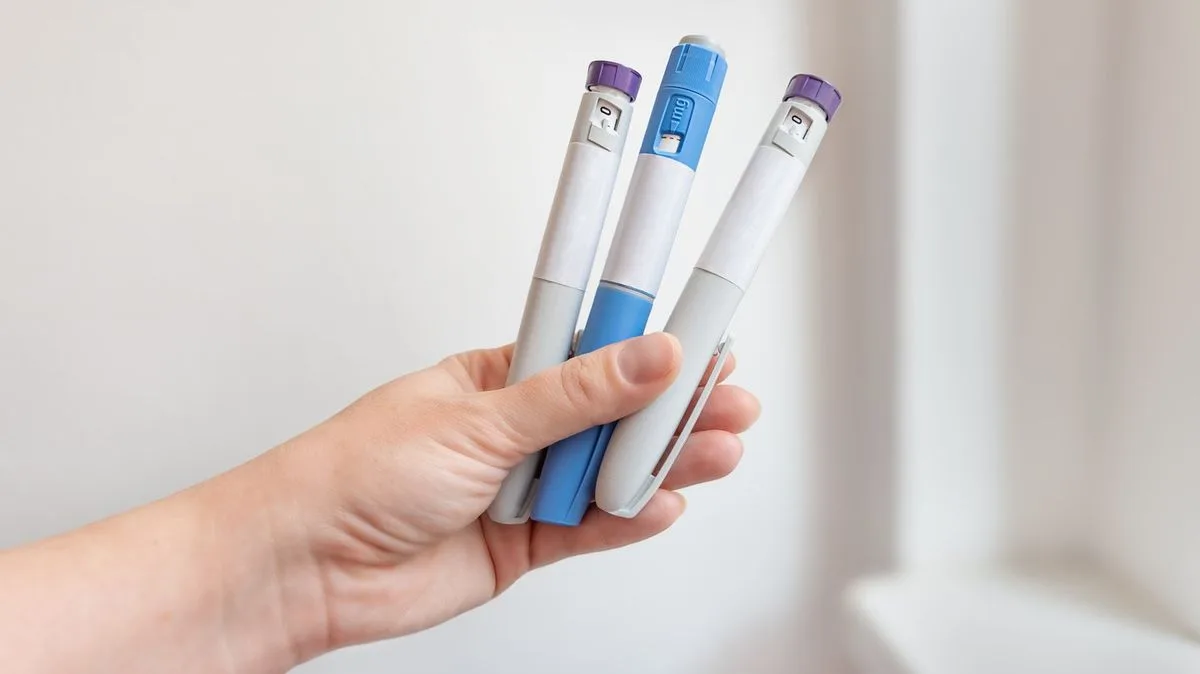
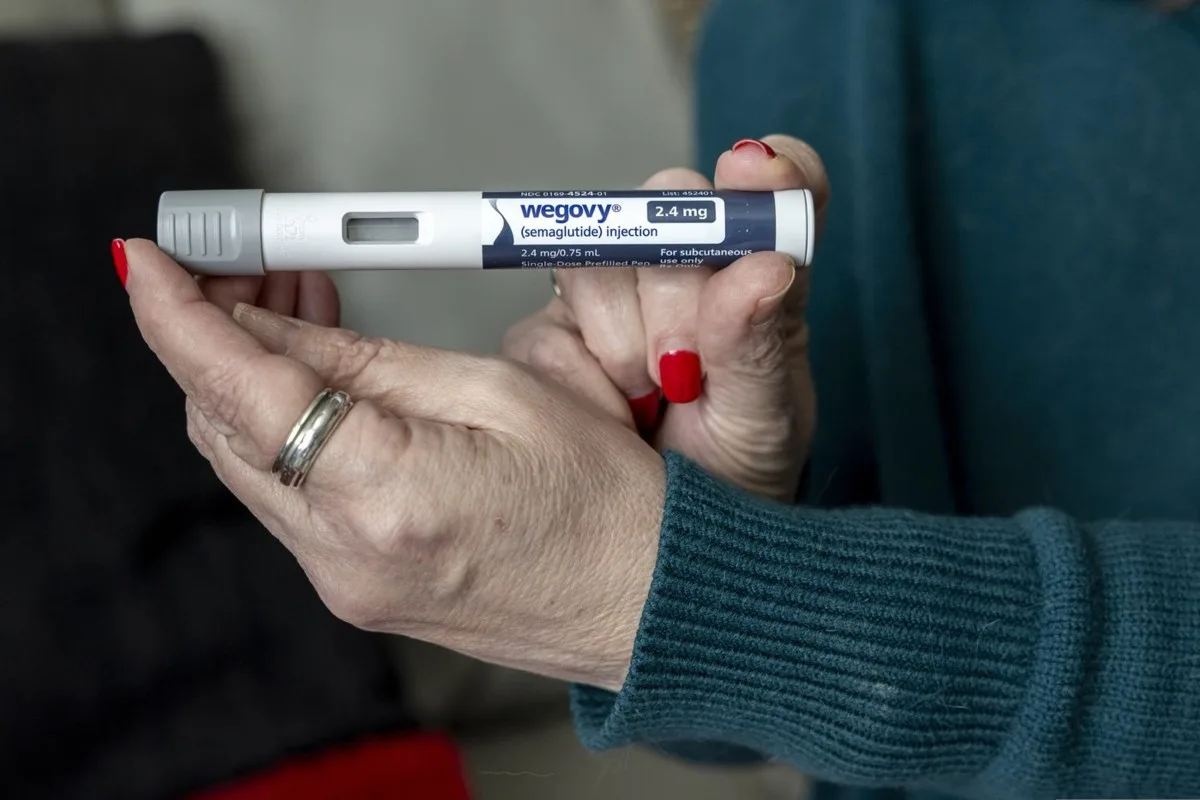
The landscape of weight management has been significantly reshaped by the advent of GLP-1 receptor agonists, medications like semaglutide (Ozempic, Wegovy) and tirzepatide (Mounjaro). While their primary function is to aid in weight loss by mimicking gut hormones that regulate appetite and blood sugar, these powerful drugs are also revealing a fascinating array of secondary effects. One of the most surprising and widely discussed downstream impacts? A notable boom in the sales of hot sauce.
This phenomenon isn't just anecdotal; it's reflected in market trends. Brands associated with spicy foods, including those featured on popular culture platforms like "Hot Ones," have seen increased visibility and demand. Even companies producing sauces that lean more towards barbecue or savory profiles, but are broadly categorized in this spicy condiment space, have experienced significant market activity, such as Bachan's acquisition by Marzetti for $400 million and Tapatio's acquisition by Highlander Partners. The question on many minds is: why are people on weight loss medications, which are designed to reduce appetite, suddenly reaching for the hot sauce?
Understanding GLP-1 Medications: More Than Just Appetite Suppression
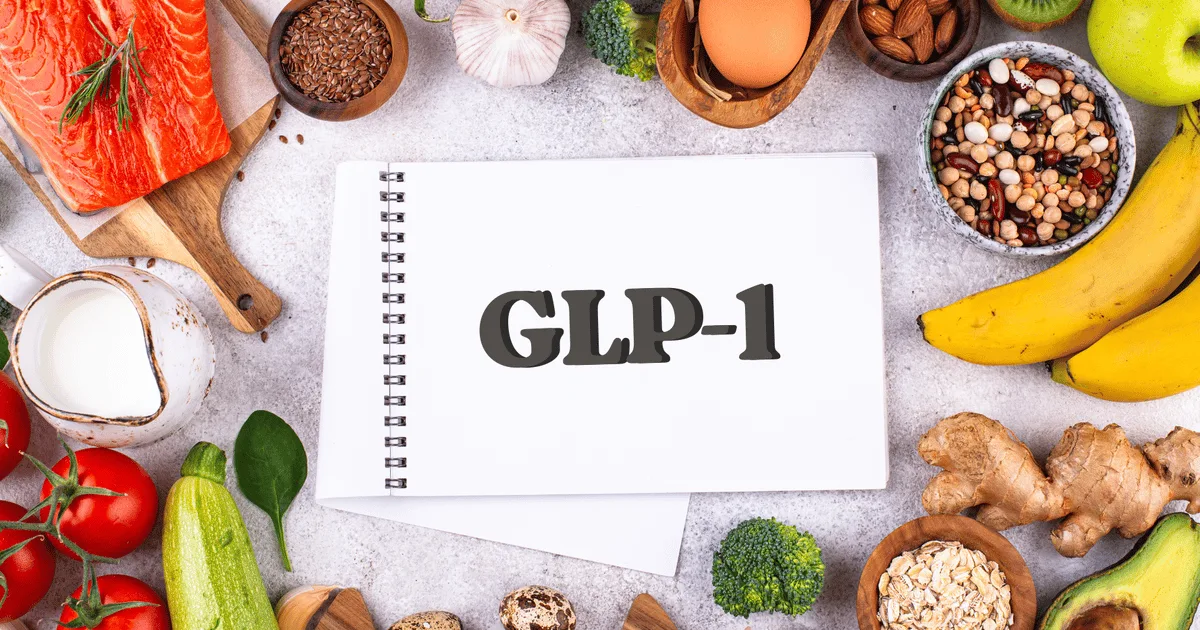
Glucagon-like peptide-1 (GLP-1) receptor agonists are a class of medications that have revolutionized the treatment of type 2 diabetes and obesity. They work by activating GLP-1 receptors in the body, leading to several key physiological effects:
- Appetite Regulation: GLP-1 slows gastric emptying, meaning food stays in the stomach longer. This promotes a feeling of fullness, reducing overall food intake and cravings.
- Blood Sugar Control: They stimulate insulin secretion and inhibit glucagon release, both of which help to lower blood glucose levels.
- Weight Loss: The combined effects of reduced appetite and improved metabolic function contribute to significant weight loss in many individuals.
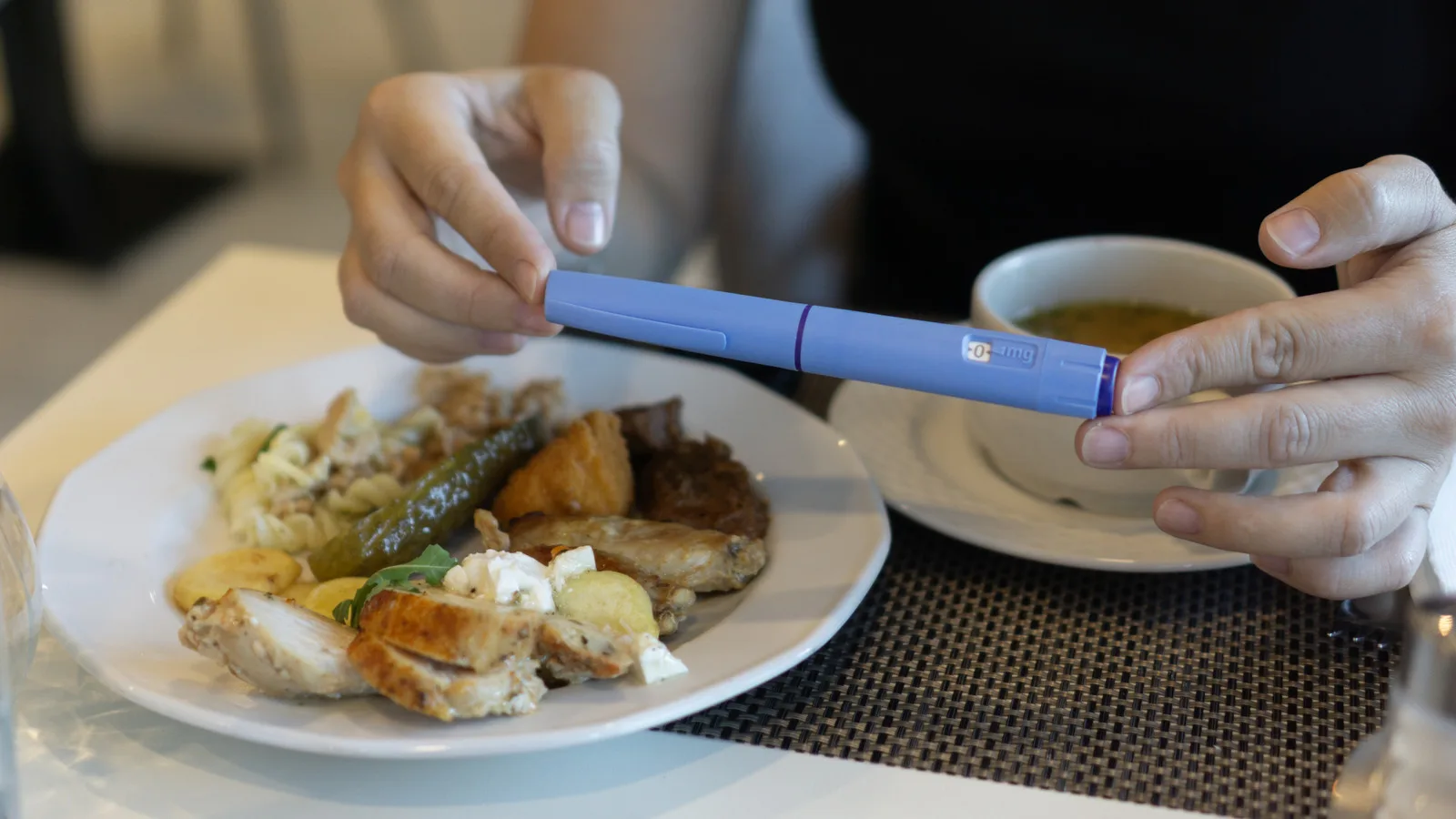
Given that the core mechanism involves reducing hunger and promoting satiety, one might logically assume that demand for all food products, including condiments, would decrease. However, the reality is proving to be far more nuanced, pointing to a complex interplay between the medication, the body, and sensory perception.
The Science of Taste Alteration: How GLP-1 Affects Flavor Perception
The connection between GLP-1 medications and hot sauce sales appears to stem from a reported side effect: changes in taste perception. While the precise scientific mechanisms are still under investigation and can yield somewhat contradictory findings, a significant number of users report that their experience of food flavors is altered while on these medications.
Sweet, Salty, and Beyond
Many individuals on GLP-1 medications describe an intensification of certain tastes. For some, sweet foods may taste overwhelmingly sweeter, leading to a natural aversion to sugary items. Similarly, salty foods might register as more pronounced, potentially making highly salted processed foods less appealing. This heightened sensitivity to basic tastes can naturally steer individuals away from less healthy, often hyper-palatable options.
The Blandness Factor and the Rise of Spice
However, a notable segment of users reports a different experience: food tasting bland or less flavorful overall. This perceived dulling of taste can be a disincentive to eating. In response, some individuals may seek out stronger, more intense flavors to make their meals more enjoyable and satisfying. This is where hot sauce enters the picture. The potent, complex flavors and the distinct heat sensation offered by spicy condiments can cut through perceived blandness, reigniting interest in food and making meals more palatable.
Precision tracking for your journey
Join thousands using Shotlee to accurately track GLP-1 medications and side effects.
📱 Get the Shotlee App
Track your GLP-1 medications, peptides, and health metrics on the go with our mobile app!
The capsaicin in chili peppers, the compound responsible for their heat, interacts with pain receptors in the mouth, creating a sensation that is distinct from taste but can significantly enhance the overall eating experience. For those finding their food less exciting, a dash of hot sauce can transform a bland meal into something more engaging and satisfying, thus indirectly supporting their dietary goals by making healthy food more appealing.
Market Implications and Consumer Behavior
The burgeoning interest in hot sauce among GLP-1 users has tangible effects on the food industry. It's not just about individual preferences; it's about market shifts driven by a growing consumer base with specific sensory experiences. Companies that offer bold, flavorful, and particularly spicy products are well-positioned to benefit from this trend.
A New Frontier in Food Pairing
The relationship between GLP-1 medications and food choices is a dynamic area of study. As more people utilize these medications for weight management, the food industry is likely to see continued innovation in flavor profiles and product development. This could include:
- Development of new spicy products: Brands may focus on creating a wider range of hot sauces and spicy condiments with diverse flavor complexities.
- Reformulation of existing products: Some food manufacturers might explore ways to enhance the palatability of their offerings for individuals experiencing taste changes.
- Focus on savory and umami flavors: Beyond just heat, there might be an increased emphasis on other robust flavors that can make food more appealing.
For individuals managing their weight with GLP-1s, understanding these potential taste alterations is key. It allows for proactive adjustments in dietary choices and meal preparation to ensure a satisfying and sustainable eating experience. Utilizing tools for health tracking, such as those offered by Shotlee, can be invaluable in monitoring food intake, identifying patterns in cravings, and noting any changes in how different foods are perceived, helping users adapt their strategies effectively.
Practical Takeaways for GLP-1 Users
If you are using GLP-1 medications and notice changes in your taste perception, consider the following:
- Experiment with Spices: Don't shy away from adding herbs, spices, and moderate amounts of hot sauce to your meals. They can make healthy foods more enjoyable.
- Focus on Flavor Intensity: Explore foods with naturally strong flavors, such as garlic, onions, citrus, and vinegars, to enhance your eating experience.
- Hydration is Key: While hot sauce can be a great addition, ensure you are drinking plenty of water, as spicy foods can sometimes increase thirst.
- Listen to Your Body: Pay attention to how different foods and flavors affect you. What works for one person may not work for another.
- Track Your Progress: Use apps like Shotlee to log your meals, track your weight, and note any changes in your appetite or taste preferences. This data can help you and your healthcare provider make informed decisions.
Conclusion
The unexpected link between GLP-1 medications and the surge in hot sauce sales highlights the complex and multifaceted ways these drugs impact our bodies and behaviors. While primarily known for their efficacy in weight management and blood sugar control, their influence on taste perception is opening up new avenues for understanding appetite and food enjoyment. For individuals navigating their health journey with GLP-1s, embracing these sensory shifts and exploring flavorful options like hot sauce can be a practical and enjoyable strategy for maintaining adherence to their treatment plans and achieving their health goals.