
Eli Lilly's Retatrutide Clears First Late-Stage Diabetes Trial
Eli Lilly's investigational drug retatrutide has successfully completed its first late-stage, or phase 3, trial in patients with type 2 diabetes. Announced on Thursday, the results show the drug effectively lowered hemoglobin A1c—a critical measure of long-term blood sugar control—while also promoting substantial weight loss. This dual benefit is particularly noteworthy, as patients with type 2 diabetes often face challenges in achieving both glycemic control and weight reduction simultaneously.
Key Trial Results: A1c Reduction and Weight Loss Achievements
In the trial, retatrutide reduced hemoglobin A1c by an average of 1.7% to 2% across different doses at the 40-week mark, compared to placebo. Participants entered the study with baseline A1c levels between 7% to 9.5% and were not on other diabetes medications, allowing a clear evaluation of the drug's standalone efficacy.
The study also met its second primary goal for weight loss. Among patients who remained on the highest dose, retatrutide led to an average 16.8% body weight reduction, equivalent to about 36.6 pounds, at 40 weeks. When including all participants—even those who discontinued treatment—the highest dose still resulted in a 15.3% weight loss. These outcomes highlight retatrutide's potential to address the intertwined issues of hyperglycemia and obesity in type 2 diabetes.
"Patients with Type 2 diabetes historically struggle to lose weight, so Lilly is 'very excited' to see that the drug led to both a competitive drop in blood sugar levels and significant weight loss," said Ken Custer, president of Lilly Cardiometabolic Health, in an interview.
Low Discontinuation Rates Signal Strong Tolerability
Lilly was also "very pleased" with the relatively low discontinuation rates due to side effects, which reached up to 5%. This tolerability profile bodes well for real-world adherence, a common hurdle in chronic disease management.
How Retatrutide Works: The Triple Agonist Mechanism
Dubbed the "triple G" drug, retatrutide mimics three key hunger-regulating hormones: GLP-1 (glucagon-like peptide-1), GIP (glucose-dependent insulinotropic polypeptide), and glucagon. This multi-receptor approach sets it apart from existing treatments that target only one or two hormones.
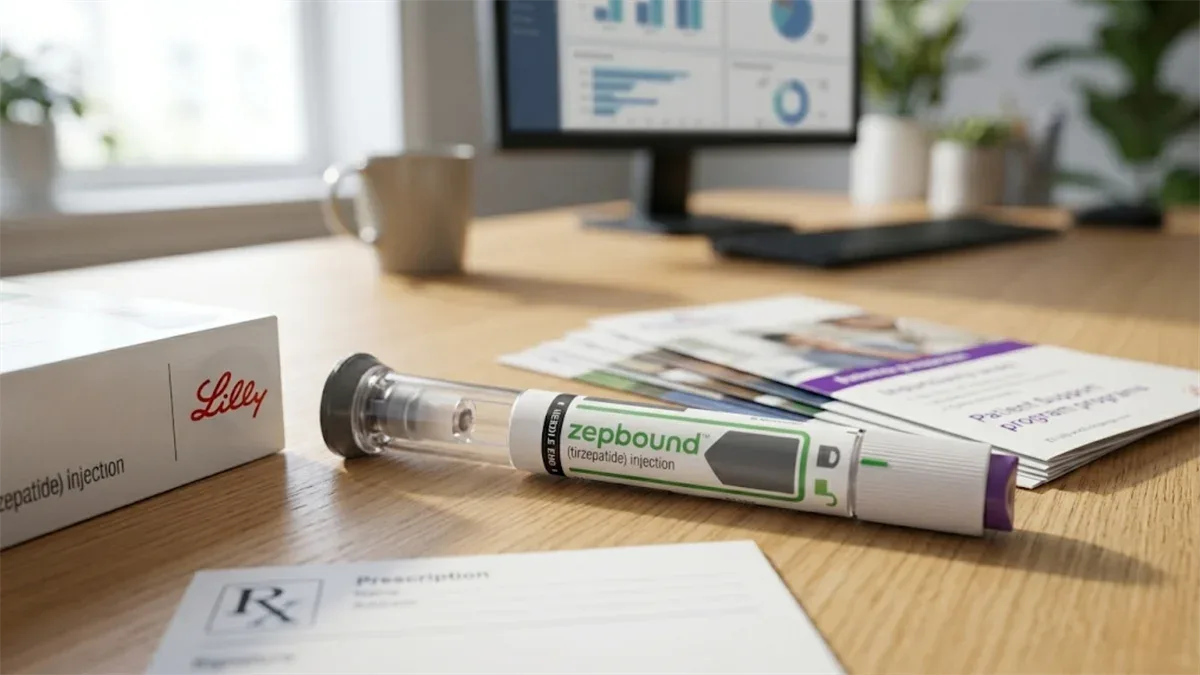
- Tirzepatide (active in Zepbound): Targets GLP-1 and GIP.
- Semaglutide (active in Wegovy): Targets GLP-1 only.
By activating glucagon in addition, retatrutide may enhance energy expenditure and fat metabolism, leading to more potent effects on appetite suppression and food satisfaction. This mechanism explains its superior weight loss results compared to dual-agonists in similar populations.
Comparisons to Eli Lilly's Portfolio and Competitors
These are the second late-stage results for retatrutide, which Lilly positions as the next pillar in its obesity portfolio alongside blockbuster Zepbound and upcoming oral orforglipron. However, no head-to-head trials exist, complicating direct comparisons.
Retatrutide's A1c reduction of 1.7% to 2% is "very, very strong" compared to non-gut hormone diabetes medications, per Custer, though slightly less than Zepbound's highest dose, which achieved over 2% A1c drop at 40 weeks in two diabetes trials.
For weight loss, retatrutide outperformed Zepbound in the referenced studies:
Precision tracking for your journey
Join thousands using Shotlee to accurately track GLP-1 medications and side effects.
📱 Get the Shotlee App
Track your GLP-1 medications, peptides, and health metrics on the go with our mobile app!
- SURPASS-2: Zepbound's highest dose yielded 13.1% weight loss at 40 weeks.
- SURPASS-1: Zepbound's highest dose yielded 11% weight loss at 40 weeks.
"Having options in the obesity and diabetes space will be important because 'not everybody is going to be helped with or satisfied with the same treatment,'" Custer noted. He emphasized individualized tailoring, suggesting retatrutide for patients prioritizing greater weight loss, while Zepbound suits those focused on A1c regulation.
Competitive Landscape: Novo Nordisk's Response
As retatrutide advances, Novo Nordisk is developing a rival triple-agonist via a $2 billion deal with United Laboratories International in March 2025. However, Novo's candidate remains early-stage, delaying its market entry by years.
Safety Profile: Gastrointestinal Effects Predominate
Retatrutide's safety mirrored other injectable GLP-1-based therapies, with primary adverse events being gastrointestinal:
- Nausea: 26.5% at highest dose.
- Diarrhea: 22.8%.
- Vomiting: 17.6%.
Low rates of dysesthesia (unpleasant nerve sensations) were reported. Patients experiencing side effects might benefit from apps like Shotlee to track symptoms and medication schedules, aiding discussions with healthcare providers.
What This Means for Type 2 Diabetes Patients
Type 2 diabetes affects over 37 million Americans, with obesity as a key risk factor and barrier to treatment success. Retatrutide's phase 3 success underscores the value of multi-hormone therapies in delivering comprehensive cardiometabolic benefits.
Who might benefit? Ideal candidates include those with type 2 diabetes inadequately controlled by lifestyle or oral agents, especially if overweight or obese. Always consult a healthcare provider to assess suitability based on individual health history, as Eli Lilly has not yet filed for approval.
Next steps for Lilly: The company anticipates data from seven more phase 3 trials by year-end, potentially paving the way for regulatory submissions in obesity and diabetes.
Key Takeaways
- Retatrutide met phase 3 goals: 1.7-2% A1c reduction and up to 16.8% weight loss (36.6 lbs) at 40 weeks in drug-continuing patients.
- Triple-agonist mechanism (GLP-1, GIP, glucagon) drives enhanced efficacy over dual-agonists like tirzepatide.
- Low discontinuation (≤5%) and familiar GI side effects support tolerability.
- Outperforms Zepbound on weight loss but trails slightly on A1c; personalized choice key.
- More trials pending; no approval yet.
Conclusion: A Promising Option on the Horizon
Retatrutide's first late-stage diabetes trial success positions it as a potential game-changer for patients needing robust blood sugar control and weight management. While awaiting further data and approvals, these findings reinforce the evolving role of incretin-based therapies. Discuss with your doctor to explore if emerging options like retatrutide align with your treatment goals.