
Shotlee LogoShotlee
Blog
Download on theApp Store
Get it onGoogle Play
Skip to main content
Biggest Mistake GLP-1 Users Make, Doctor Says - Featured image
GLP-1 Medications

Biggest Mistake GLP-1 Users Make, Doctor Says

Dr. Adrian Vale, MD
Reviewed by Dr. Adrian Vale, MDInternal Medicine · Board-Certified Obesity Medicine
·5 min read

On this page

  • The Rise of GLP-1 Medications in the U.S.
  • "The Biggest Mistake": Treating GLP-1s as a Standalone Fix
  • It's Not Just About Weight Loss—Focus on Overall Health
  • Research Evidence: GLP-1s + Lifestyle Changes
  • Key Lifestyle Changes to Maximize GLP-1 Benefits
  • Safety Considerations and Side Effects
  • Key Takeaways for GLP-1 Users
  • What This Means for Patients
  • Nutrition: Protein, Fiber, and Hydration
  • Exercise: Aerobic and Strength Training
  • Sleep and Stress Management
  • Regular Monitoring and Provider Check-Ins

Track Smart

Calculate active GLP-1 levels automatically with Shotlee.

Download →

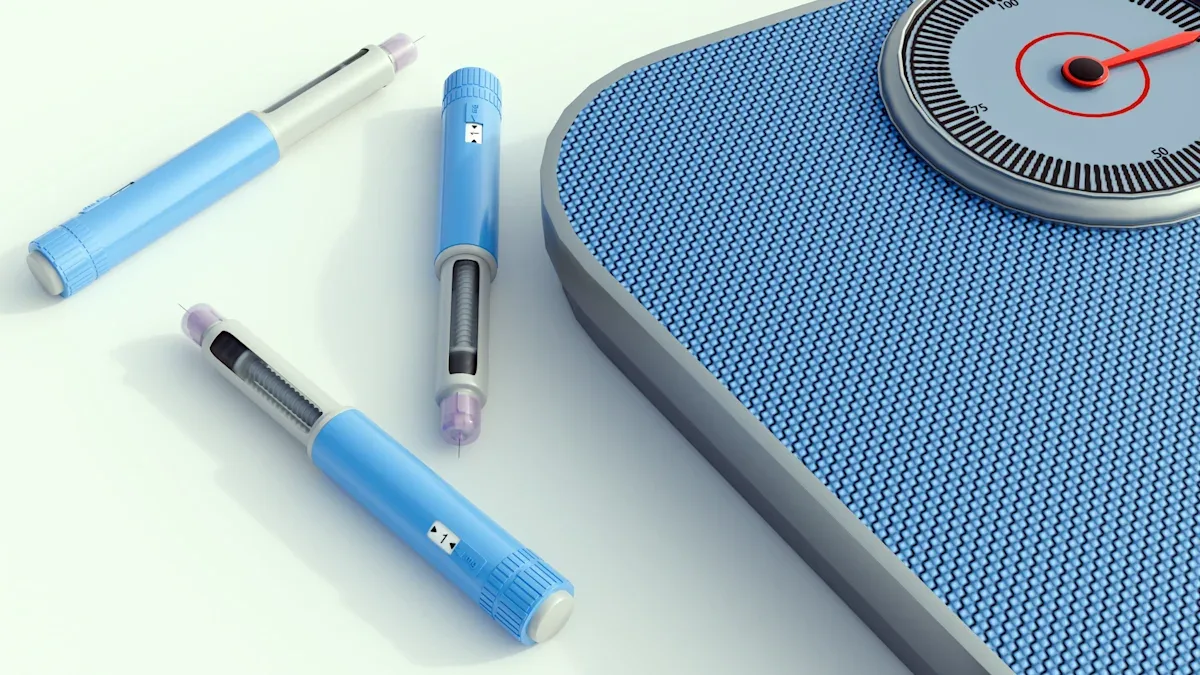
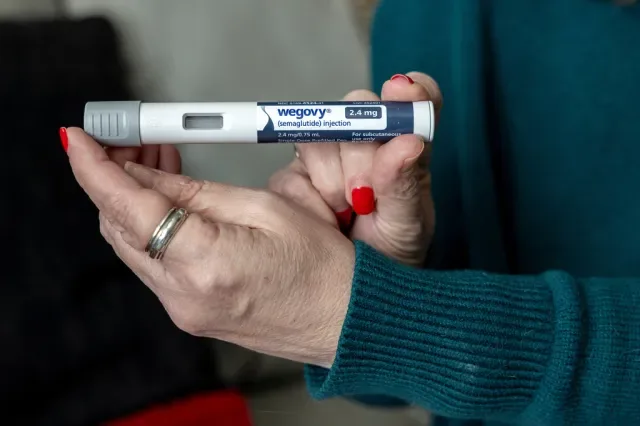
More Americans are turning to GLP-1 drugs like Wegovy for weight loss, but experts warn of a critical error. The biggest mistake, says obesity specialist Dr. Katherine Saunders, is treating the prescription as the full treatment. Pairing meds with healthy habits amplifies benefits and sustains results.

Share

On this page

  • The Rise of GLP-1 Medications in the U.S.
  • "The Biggest Mistake": Treating GLP-1s as a Standalone Fix
  • It's Not Just About Weight Loss—Focus on Overall Health
  • Research Evidence: GLP-1s + Lifestyle Changes
  • Key Lifestyle Changes to Maximize GLP-1 Benefits
  • Safety Considerations and Side Effects
  • Key Takeaways for GLP-1 Users
  • What This Means for Patients
  • Nutrition: Protein, Fiber, and Hydration
  • Exercise: Aerobic and Strength Training
  • Sleep and Stress Management
  • Regular Monitoring and Provider Check-Ins

Biggest Mistake GLP-1 Users Make, Doctor Says

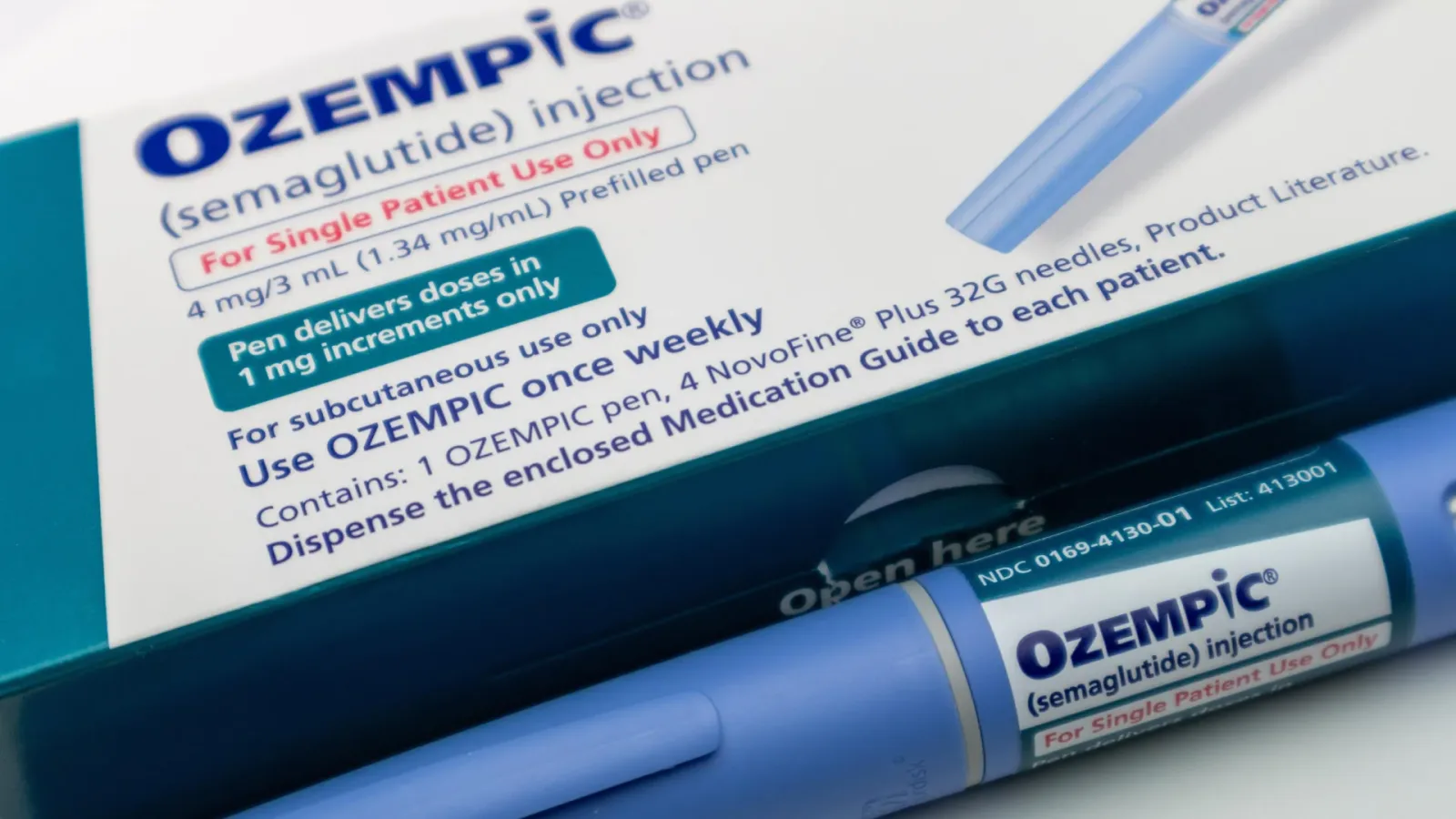
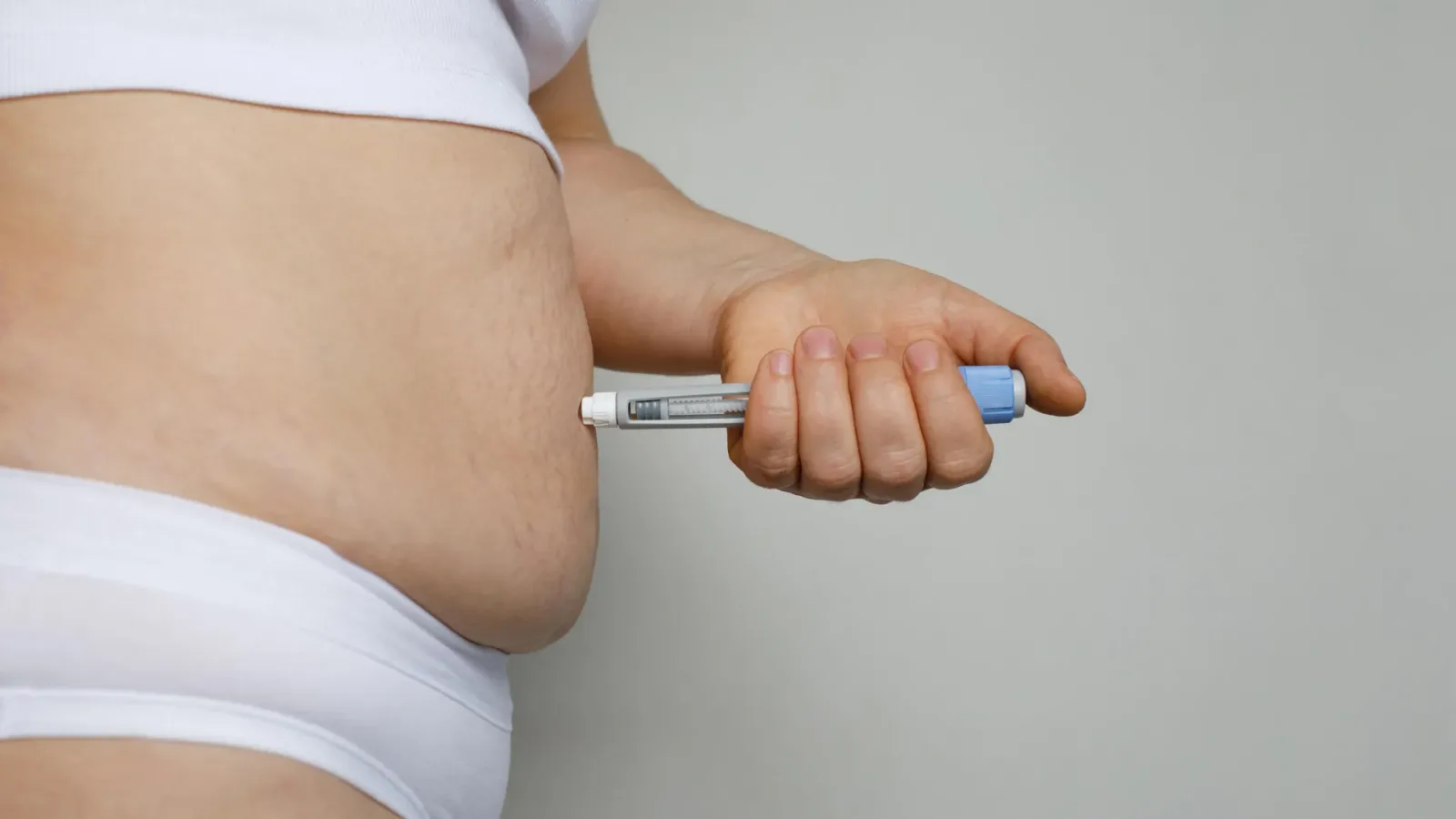
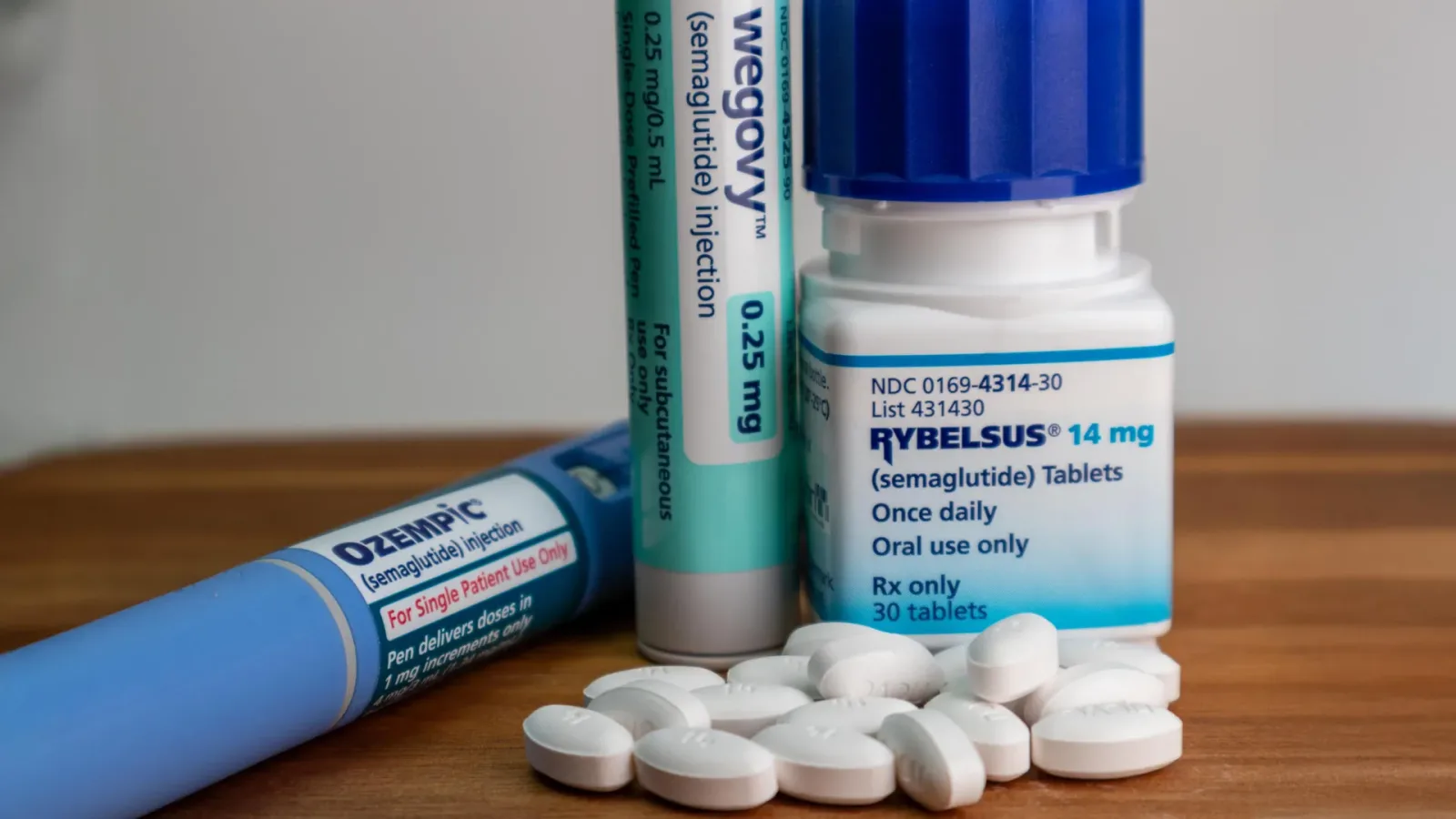
The biggest mistake GLP-1 users make is a common pitfall that's undermining their results: believing the prescription alone is enough. Whether using weekly shots like Ozempic or Wegovy or daily pills, about 1 in 8 U.S. adults are now taking a GLP-1 drug, per a KFF survey. Novo Nordisk reported over 600,000 prescriptions for its new Wegovy pill since January, with Truveta data showing more than a third of users are new to these medications.

But medication alone isn't the answer. Experts emphasize that GLP-1s—glucagon-like peptide-1 receptor agonists—deliver greater, longer-lasting weight loss and health improvements when combined with lifestyle changes like healthy diet, exercise, sleep, and stress management. A review of nearly three dozen studies confirms this synergy.

The Rise of GLP-1 Medications in the U.S.

GLP-1 drugs have surged in popularity for managing obesity and related conditions. These medications mimic the GLP-1 hormone, which regulates blood sugar, slows gastric emptying, and signals fullness to the brain. This mechanism not only aids weight loss but also improves metabolic health markers like blood sugar and cholesterol.

The appeal is clear: clinical trials for drugs like Wegovy (semaglutide) and Zepbound (tirzepatide) showed substantial weight reduction—up to 15-20% body weight in some participants—when paired with structured lifestyle interventions. Without these, benefits may wane over time, as obesity is a chronic condition requiring multifaceted management.

"The Biggest Mistake": Treating GLP-1s as a Standalone Fix

"The biggest mistake people make with GLP-1 medications is thinking the prescription is the treatment," said Dr. Katherine Saunders, an obesity medicine expert at Weill Cornell Medicine and co-founder of FlyteHealth, a weight-loss treatment company.

Dr. Saunders highlights how social media and ads portray GLP-1s as a quick fix, but obesity is a complex, progressive disease needing ongoing care. GLP-1s level the playing field by curbing appetite and slowing digestion, making it easier to adopt habits like eating less and moving more. Yet, without intentional changes, users risk suboptimal outcomes, including weight regain upon discontinuation.

It's Not Just About Weight Loss—Focus on Overall Health

Obesity drives chronic diseases like heart disease and diabetes, but the goal extends beyond scale numbers. "Health is what you eat, how much you move your body, what is your blood sugar, what is your blood pressure, what is your cholesterol," said Dr. Jody Dushay, an endocrinologist and obesity expert at Harvard Medical School. "All of those things are really important."

GLP-1s support this holistic view by enhancing insulin sensitivity and reducing inflammation, but lifestyle integration maximizes cardiovascular and metabolic gains. For patients with type 2 diabetes or prediabetes, this combination can lead to remission in some cases, outperforming diet and exercise alone.

Research Evidence: GLP-1s + Lifestyle Changes

Clinical trials for Wegovy and Zepbound always included structured lifestyle programs, resulting in significant weight loss and better health markers like lowered A1C and blood pressure.

A February study of over 98,000 U.S. military veterans found those using a GLP-1 who adhered to six to eight healthy habits had a 43% lower risk of serious cardiovascular events—such as stroke and heart attack—compared to non-users following three or fewer habits. "Lifestyle habits 'can substantially amplify the benefits of modern medications,'" noted Dr. Frank Hu, a lead author and chair of the nutrition department at Harvard T.H. Chan School of Public Health.

This aligns with broader meta-analyses showing 5-10% greater weight loss with combined approaches versus meds alone, plus preserved lean muscle mass and sustained remission of comorbidities.

Precision tracking for your journey

Join thousands using Shotlee to accurately track GLP-1 medications and side effects.

📱 Get the Shotlee App

Track your GLP-1 medications, peptides, and health metrics on the go with our mobile app!

Download on theApp Store
Get it onGoogle Play

Key Lifestyle Changes to Maximize GLP-1 Benefits

Nutrition: Protein, Fiber, and Hydration

To counter side effects like nausea, vomiting, constipation, and muscle loss, aim for 20-30 grams of protein per meal from sources like fish, poultry, yogurt, and beans. Increase fiber-rich foods (vegetables, whole grains) and drink 8-12 cups of water daily. For heartburn or nausea, skip fried or spicy foods and stay upright post-meals.

These steps enhance satiety from GLP-1s, support gut health, and prevent dehydration exacerbated by slower digestion.

Exercise: Aerobic and Strength Training

Target 150 minutes of aerobic exercise weekly—ideally an hour daily—such as walking, cycling, or swimming. Add 30 minutes of strength training 2-3 times weekly with weights or resistance bands. This preserves muscle (sarcopenia risk rises with rapid weight loss) and boosts metabolism, amplifying GLP-1 effects.

Sleep and Stress Management

Aim for 7-9 hours of sleep nightly, as poor sleep disrupts hormones targeted by GLP-1s. Manage stress through mindfulness, yoga, or therapy to curb emotional eating.

Regular Monitoring and Provider Check-Ins

Track progress closely: weight loss pace, side effects, labs. "Someone really does need to [be] keeping track of: What is the pace of your weight loss? What are your side effects? And not just mailing you a prescription every month," Dr. Dushay said. Apps like Shotlee can help log symptoms, medication adherence, and habits for better discussions with providers.

GLP-1s carry rare serious risks like pancreatitis or thyroid tumors, so vigilant monitoring is essential, especially for those with GI issues or family history.

Safety Considerations and Side Effects

Common side effects—nausea (up to 44% in trials), constipation, diarrhea—often improve with time and lifestyle tweaks. Muscle loss affects 20-40% of rapid losers; protein and resistance training mitigate this. Compared to older weight loss drugs like phentermine, GLP-1s have better long-term safety profiles but require commitment to avoid gallbladder issues from fast weight loss.

Consult providers before starting, especially if pregnant, breastfeeding, or with medullary thyroid cancer history. Dose titration minimizes GI upset.

Key Takeaways for GLP-1 Users

  • Combine with habits: Diet, exercise, sleep, and stress reduction supercharge results.
  • Focus holistically: Prioritize health markers over scale weight.
  • Monitor actively: Regular check-ins prevent complications.
  • Expect synergy: Studies show 43% lower CV risk with 6-8 habits.

What This Means for Patients

For those on Wegovy, Zepbound, or similar, view GLP-1s as a tool, not the treatment. Discuss personalized plans with obesity specialists. Sustainable change yields lasting metabolic health, reducing reliance on meds long-term. Patients succeeding with this approach report not just weight loss, but renewed energy and confidence.

In summary, avoiding the biggest mistake—meds without lifestyle—unlocks GLP-1s' full potential. Start small: add protein to meals, walk daily, track sleep. Your heart, blood sugar, and waistline will thank you.
?Frequently Asked Questions

What is the biggest mistake people make with GLP-1 medications?

Thinking the prescription alone is the treatment. Experts like Dr. Katherine Saunders stress combining GLP-1s with diet, exercise, sleep, and stress management for larger, longer-lasting benefits.

How do GLP-1 drugs like Wegovy work with lifestyle changes?

They slow digestion, reduce appetite, and enhance fullness, making healthy habits easier. A review of dozens of studies shows amplified weight loss and health improvements when paired with lifestyle interventions.

What lifestyle habits maximize GLP-1 benefits?

Eat 20-30g protein per meal, get 150 min aerobic exercise weekly plus strength training, drink 8-12 cups water, sleep 7-9 hours, and manage stress. A veterans study linked 6-8 habits to 43% lower cardiovascular risk.

How can I prevent muscle loss on GLP-1 medications?

Consume 20-30g protein per meal (fish, poultry, yogurt, beans), add 30 min strength training 2-3x weekly, and monitor progress with your provider to preserve lean mass during weight loss.

What side effects of GLP-1s improve with lifestyle changes?

Nausea, vomiting, constipation, and heartburn often lessen with more fiber, water (8-12 cups/day), avoiding fried/spicy foods, and staying upright after meals. Regular check-ins track serious risks.

Source Information

Originally published by WHNT.com.Read the original article →

Read next

Keep exploring

More on Wegovy

Articles covering Wegovy dosing, side effects, and clinical updates.

Ozempic Price Cut: Generic Semaglutide Arrives in Canadian Pharmacies
Health & Wellness

Ozempic Price Cut: Generic Semaglutide Arrives in Canadian Pharmacies

Two generic versions of Ozempic have arrived in Canadian pharmacies, offering diabetes and weight loss patients significant cost savings compared to the brand-name medication.

7 min read
Retatrutide Breaks Records: What Phase 3 TRIUMPH-1 Data Means
Health & Wellness

Retatrutide Breaks Records: What Phase 3 TRIUMPH-1 Data Means

Eli Lilly's Retatrutide has shown remarkable weight loss potential in Phase 3 trials. We break down the TRIUMPH-1 results, safety data, and what patients can expect.

9 min read
GLP-1s, Hormones, and Weight Loss: What Women Need to Know
Health & Wellness

GLP-1s, Hormones, and Weight Loss: What Women Need to Know

Many women starting GLP-1 therapies experience significant weight loss, only to find their menopausal symptoms—like hot flashes and sleep issues—intensify. This phenomenon is often overlooked because rapid fat loss directly interacts with the body's declining estrogen production, creating a complex hormonal shift that many prescribers are not trained to address.

6 min read

Same topic: Obesity Treatment

All Obesity Treatment articles →
The Next Wave of Weight Loss: Understanding Oral GLP-1 Therapy
Weight Management & Therapeutics

The Next Wave of Weight Loss: Understanding Oral GLP-1 Therapy

The landscape of chronic weight management is rapidly evolving beyond injectable GLP-1 medications. New research, including trials for the oral, non-peptide drug orforglipron, suggests a future where highly effective weight loss treatment is as simple as taking a daily pill, potentially overcoming barriers of cost and injection fatigue.

6 min read
Cannabis for Weight Loss: Could It Be the Next Ozempic?
Health & Wellness

Cannabis for Weight Loss: Could It Be the Next Ozempic?

Researchers at UC Riverside have uncovered promising data linking cannabis oil to improved metabolic function and weight loss in mice, sparking debate about its potential as a future therapy alongside GLP-1 medications.

8 min read
Pharmac Funding for Wegovy: What NZ Patients Need to Know
Health News

Pharmac Funding for Wegovy: What NZ Patients Need to Know

New Zealand's Pharmac funding agency has moved semaglutide (Wegovy) to its investment list. Here is what this means for eligibility, costs, and access.

8 min read

More in GLP-1 Medications

Beyond Willpower: Understanding Obesity's Metabolic Roots
Health & Wellness

Beyond Willpower: Understanding Obesity's Metabolic Roots

Obesity is a complex, multi-organ disease, not a failure of willpower. This article delves into its metabolic underpinnings and outlines a practical approach to management, including modern medications and lifestyle adjustments.

7 min read
Daily Almonds Boost GLP-1 & Gut Health: Science-Backed Weight Loss Tips
Nutrition & Wellness

Daily Almonds Boost GLP-1 & Gut Health: Science-Backed Weight Loss Tips

A new controlled study suggests that swapping processed snacks for a daily serving of almonds can enhance gut bacteria, lower inflammation, and increase satiety hormones like GLP-1.

7 min read
Beyond Sugar: How One Doctor Lost 94 lbs & Silenced Food Noise
Health & Wellness

Beyond Sugar: How One Doctor Lost 94 lbs & Silenced Food Noise

Dr. Stacy Smalley shares her transformative journey of losing 94 pounds by eliminating sugar, detailing how it silenced persistent cravings and improved her overall well-being. This article explores the science behind sugar's impact on appetite and provides actionable strategies for readers to achieve similar results.

8 min read
Share this article
  1. Home
  2. Blog
  3. Biggest Mistake GLP-1 Users Make, Doctor Says
Dr. Adrian Vale, MD — Internal Medicine · Board-Certified Obesity Medicine
Medically reviewed

Dr. Adrian Vale, MD

Internal Medicine · Board-Certified Obesity Medicine

Dr. Adrian Vale is a board-certified internal medicine physician with a clinical focus on obesity medicine and metabolic health. He reviews Shotlee guides and articles on GLP-1 medications, peptide therapy, and weight-management protocols for clinical accuracy.

View all articles reviewed by Dr. Adrian Vale, MD
Shotlee LogoShotlee

Your comprehensive health tracking companion. Track, analyze, and optimize your journey with advanced metrics and community support.

Product

  • Medication Trackers
  • Health Guides
  • Calculators
  • Compare Medications
  • Pricing

Resources

  • Health Blog
  • Support Center

Legal

  • Privacy Policy
  • Terms of Service
  • Community Guidelines
  • Refund Policy

© 2026 Shotlee. All rights reserved.

Made with for the community♥ for the community