
Biggest Mistake GLP-1 Users Make, Doctor Says
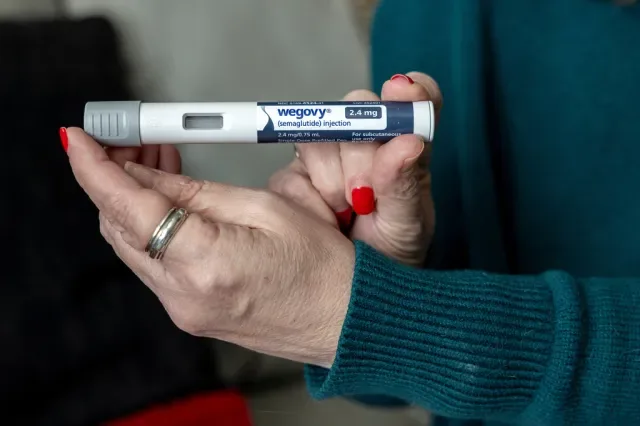
Whether they're using weekly shots or daily pills, more Americans than ever are turning to anti-obesity drugs like GLP-1 medications to lose weight and boost health. The biggest mistake GLP-1 users make is assuming the prescription alone is the full treatment, according to leading experts. About 1 in 8 U.S. adults say they are taking a GLP-1 drug, according to a recent survey by the health research group KFF.
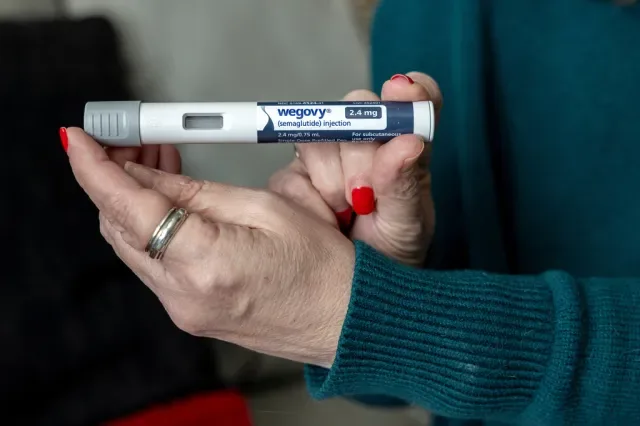
Just since January, more than 600,000 prescriptions have been written for Novo Nordisk's new Wegovy pill, the company said. Early analysis suggests that more than a third of users are new to the drugs, according to Truveta, a health care data company. But medication alone isn't the answer, experts caution. It also takes lifestyle changes—healthy diet, exercise, adequate sleep, and stress management—to reap the biggest benefits from these GLP-1s.
What Are GLP-1 Medications and How Do They Work?
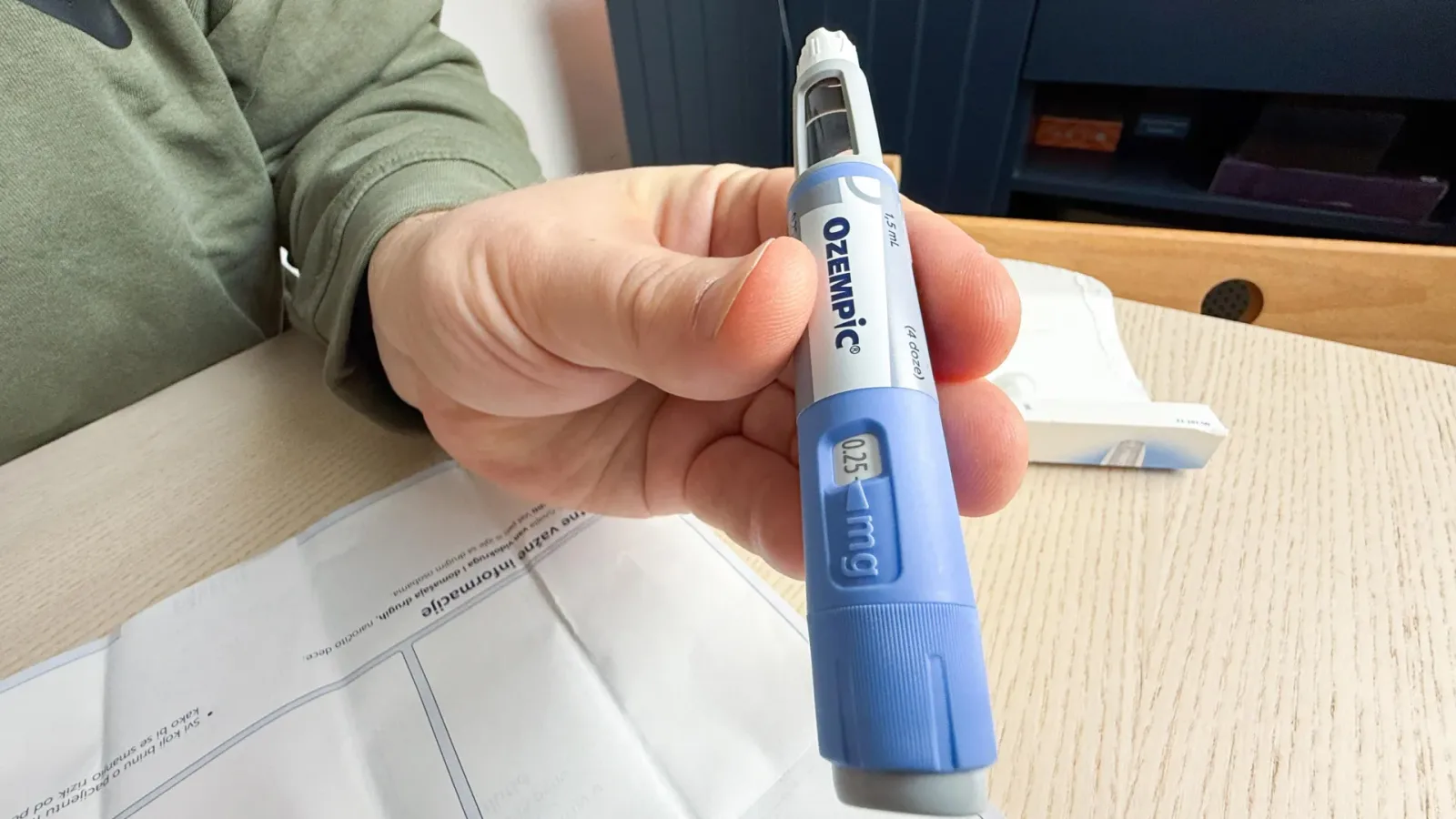
GLP-1 medications, or glucagon-like peptide-1 receptor agonists, mimic the GLP-1 hormone naturally produced in the gut. These drugs, including brands like Wegovy, Ozempic, and Zepbound, target hormones in the gut and brain that slow digestion, reduce appetite, and enhance feelings of fullness. This mechanism "levels the playing field," said Dr. Katherine Saunders, an obesity medicine expert at Weill Cornell Medicine and co-founder of FlyteHealth, a weight-loss treatment company, making it easier to adopt healthy habits like eating less and moving more.
While GLP-1s can spur weight loss and health benefits on their own, the effects are larger and last longer when combined with lifestyle changes, a recent review of nearly three dozen studies found. Obesity is a complex, chronic, progressive disease that requires ongoing medical management, not a quick fix as sometimes portrayed on social media and in advertising, Saunders added.
The Rise of GLP-1 Drugs in the U.S.
The popularity of GLP-1 medications has skyrocketed, driven by their effectiveness in weight management and metabolic health. The KFF survey highlights that 1 in 8 adults—roughly 12.5% of the population—are now using these drugs. Novo Nordisk's Wegovy pill alone saw over 600,000 prescriptions since January, with Truveta data showing more than a third of users are newcomers to GLP-1 therapy.
This surge reflects growing awareness of GLP-1s' benefits beyond weight loss, including improvements in blood sugar control, blood pressure, and cholesterol levels. However, clinical trials for drugs like Wegovy and Zepbound always included structured lifestyle programs alongside the medication, which are advised with every new prescription.
The Biggest Mistake: Thinking the Prescription Is the Treatment
"The biggest mistake people make with GLP-1 medications is thinking the prescription is the treatment," said Dr. Katherine Saunders.
This oversight undermines long-term success. Without lifestyle integration, users may experience diminished results, higher rebound weight gain risks, and suboptimal health improvements. Dr. Jody Dushay, an endocrinologist and obesity expert at Harvard Medical School, emphasizes that health isn't just about scale numbers. "Health is what you eat, how much you move your body, what is your blood sugar, what is your blood pressure, what is your cholesterol," she said. "All of those things are really important."
Obesity drives chronic diseases like heart disease and diabetes, but focusing solely on weight misses the broader picture. GLP-1s help by curbing appetite and slowing gastric emptying, but pairing them with habits amplifies cardiometabolic benefits.
Research on GLP-1s and Lifestyle Changes
Robust evidence supports combining GLP-1 medications with lifestyle interventions. A February study of more than 98,000 U.S. military veterans found that those who used a GLP-1 and adhered to six to eight healthy habits had a 43% lower risk of serious cardiovascular events such as stroke and heart attack than those who didn't use the drugs and followed three or fewer such habits.
"Lifestyle habits 'can substantially amplify the benefits of modern medications,'" noted Dr. Frank Hu, a lead author and chair of the nutrition department at the Harvard T.H. Chan School of Public Health.
Precision tracking for your journey
Join thousands using Shotlee to accurately track GLP-1 medications and side effects.
📱 Get the Shotlee App
Track your GLP-1 medications, peptides, and health metrics on the go with our mobile app!
Clinical trials for Wegovy and Zepbound consistently show that medication plus lifestyle leads to significant weight loss and improved health markers, including reduced HbA1c, lower LDL cholesterol, and better blood pressure control. This synergy addresses obesity's multifactorial nature, where genetics, environment, and behaviors intersect.
Key Lifestyle Changes to Maximize GLP-1 Benefits
To optimize GLP-1 therapy and minimize side effects like nausea, vomiting, constipation, and muscle loss, experts provide targeted guidance.
Nutrition Strategies
- Maintain muscle by eating 20 grams to 30 grams of protein per meal, which could include fish, poultry, yogurt, and beans.
- Increase fiber intake and drink more water—as much as 8 to 12 cups a day.
- If heartburn or nausea occurs, avoid fried foods and spicy foods, and don't lie down after meals.
These steps counteract GLP-1-induced slowed digestion and support satiety without excess calories.
Exercise Recommendations
- Aim for 150 minutes of aerobic exercise a week, or ideally about an hour a day.
- Add 30 minutes of strength training two or three times a week, such as lifting weights or using resistance bands.
Resistance training is crucial to preserve lean muscle mass, which can decline with rapid weight loss on GLP-1s, ensuring metabolic rate stays robust.
Sleep and Stress Management
- Get enough sleep—seven to nine hours a day for a healthy adult.
- Take steps to reduce mental and emotional stress, such as mindfulness or therapy.
Poor sleep exacerbates hunger hormones, while chronic stress elevates cortisol, hindering weight loss.
Managing Side Effects and Safety
GLP-1 drugs can have rare but serious side effects, so vigilance is key. Common issues like gastrointestinal discomfort often improve with the above habits—higher fiber and hydration ease constipation, while protein supports gut health. Patients with pancreatitis history or thyroid cancer risks should consult providers, as per FDA guidelines.
Compared to alternatives like older weight-loss drugs (e.g., phentermine), GLP-1s offer superior long-term efficacy and heart protection, but lifestyle remains the foundation for all.
Monitoring Progress with Your Healthcare Provider
"Someone really does need to keeping track of: What is the pace of your weight loss? What are your side effects? And not just mailing you a prescription every month," Dushay said. Regular check-ins assess dosing adjustments, lab work (e.g., kidney function, electrolytes), and habit adherence. Apps like Shotlee can assist in logging symptoms, side effects, or medication schedules for better provider discussions.
Who should consider GLP-1s? Those with BMI ≥30, or ≥27 with comorbidities like diabetes or hypertension, per guidelines. Discuss with a doctor to weigh benefits against risks.
Key Takeaways: What This Means for GLP-1 Users
- Avoid the biggest mistake: Pair GLP-1s with lifestyle for amplified, sustained results.
- Research shows 43% lower CV risk with 6-8 habits plus medication.
- Prioritize protein (20-30g/meal), exercise (150 min aerobic + strength), sleep (7-9 hrs), and monitoring.
- Focus on overall health metrics, not just weight.
Conclusion
The biggest mistake GLP-1 users make is undervaluing lifestyle's role. By integrating diet, movement, rest, and stress reduction, patients unlock fuller potential from drugs like Wegovy and Zepbound. Consult your provider to personalize this approach, track progress diligently, and achieve lasting metabolic health.