
GLP-1 Drugs Surge: Healthy Habits Still Essential for Best Results
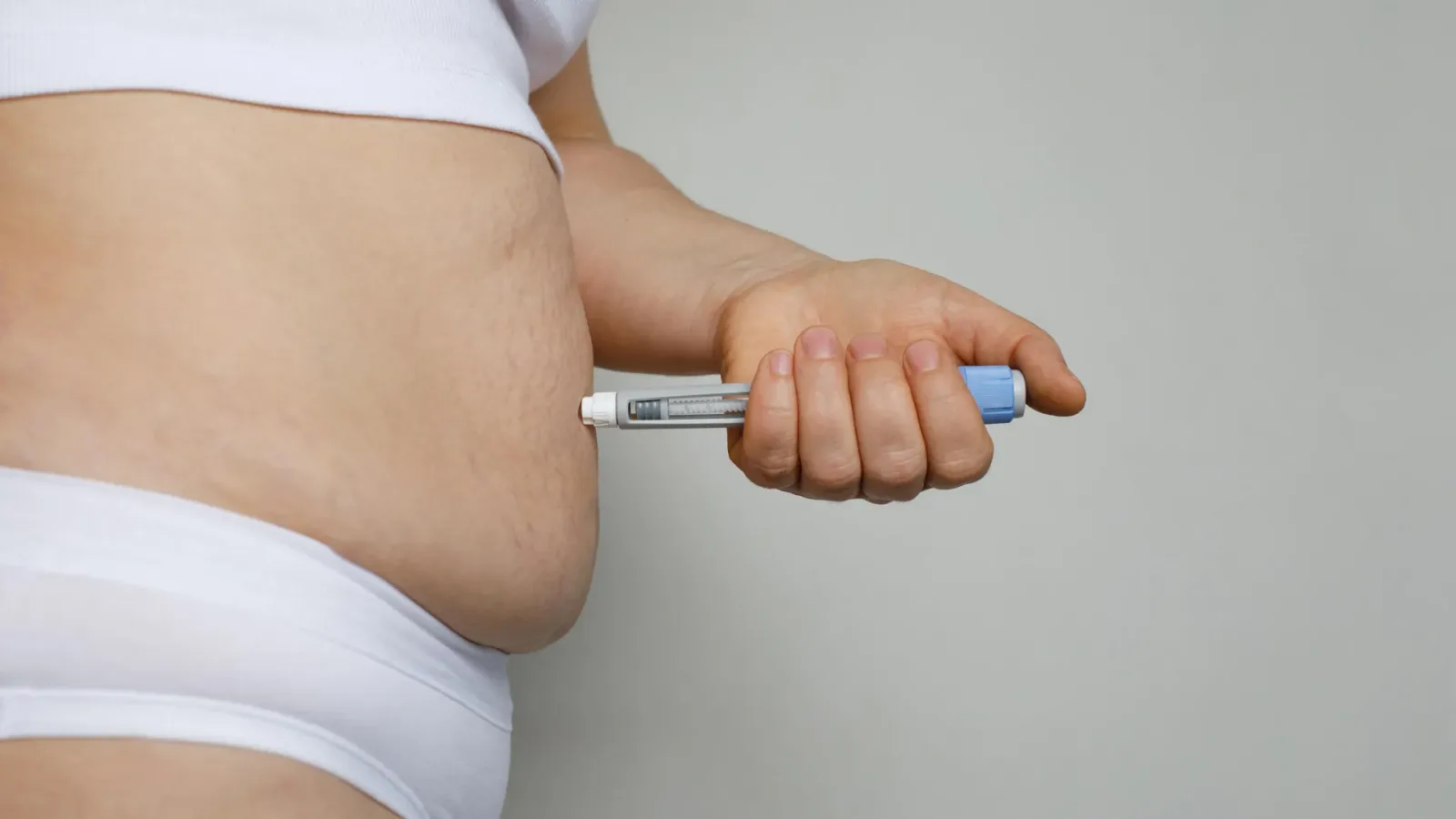
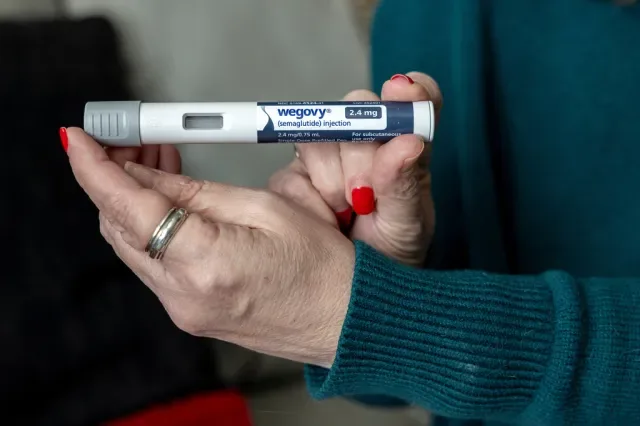
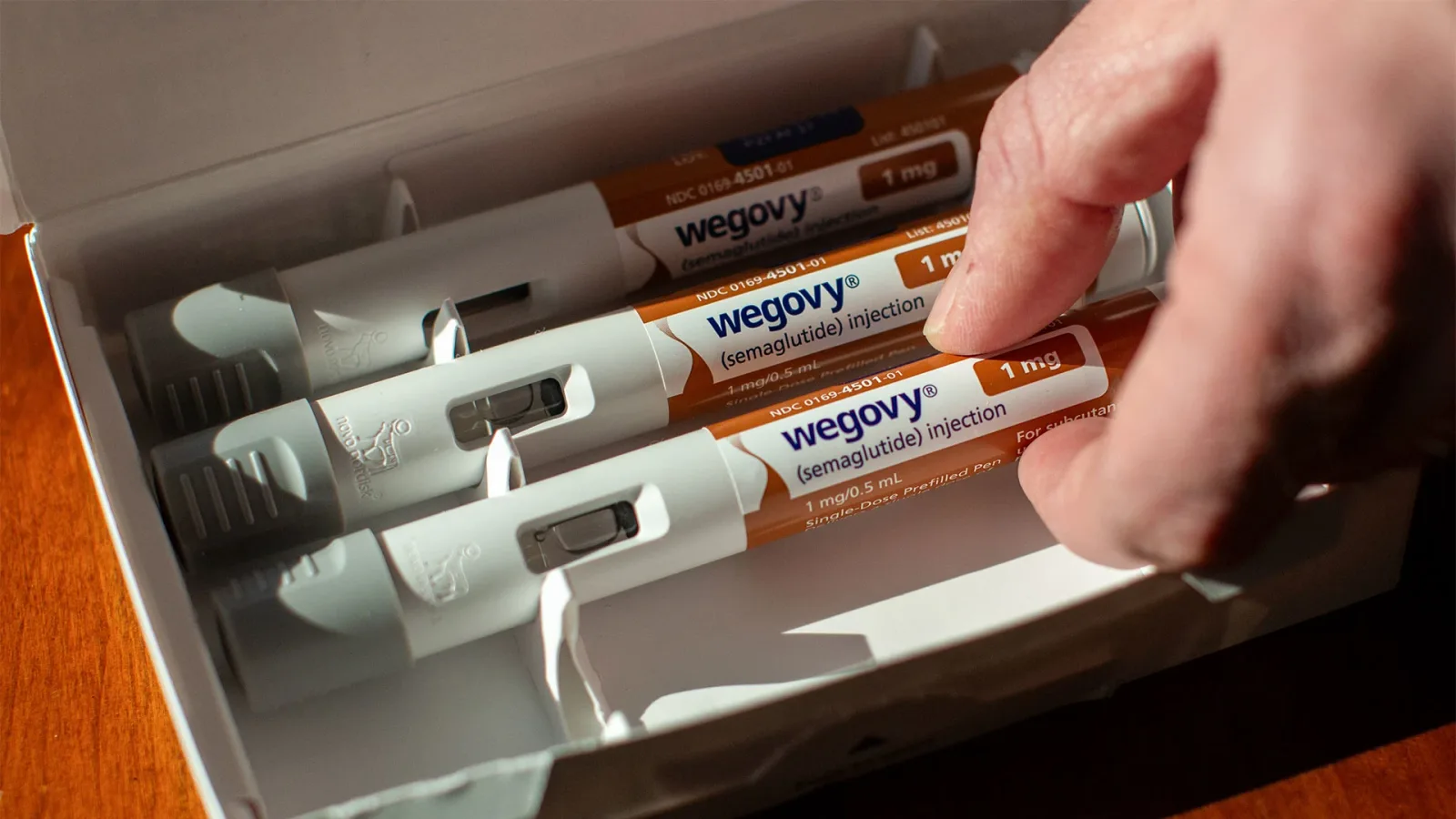
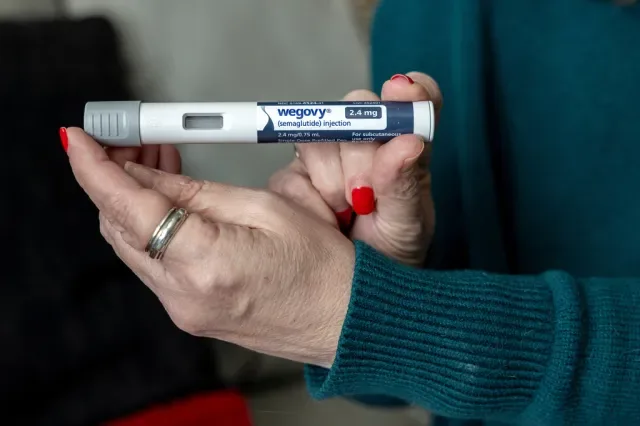
GLP-1 drugs and healthy habits are increasingly linked in discussions about effective obesity management, as demand for these medications in pill and injection forms skyrockets across the U.S. Whether through weekly shots like Wegovy or emerging daily pills, more Americans are turning to these anti-obesity therapies to achieve weight loss and improve metabolic health. A recent KFF survey reveals that about 1 in 8 U.S. adults are now taking a GLP-1 drug, highlighting the rapid adoption of these treatments.
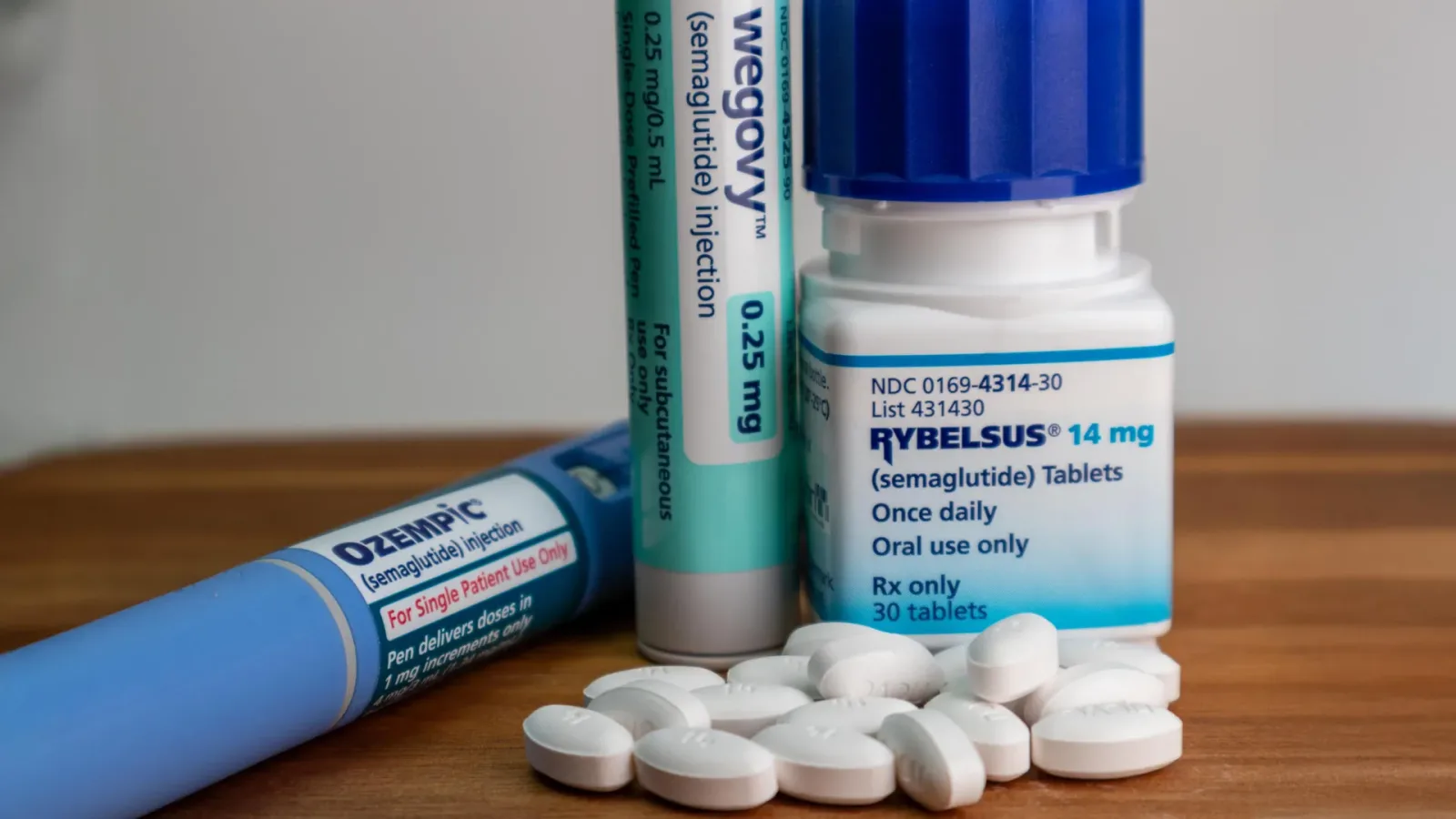
Just since January, Novo Nordisk reported over 600,000 prescriptions for its new Wegovy pill, with early Truveta analysis indicating more than a third of users are new to GLP-1 medications. This surge underscores the appeal of GLP-1 agonists like semaglutide (found in Wegovy and Ozempic) and tirzepatide (Zepbound), which mimic gut hormones to regulate appetite and blood sugar.
Why Medication Alone Isn't Enough: The Role of Lifestyle
Experts emphasize that while GLP-1 drugs can drive weight loss and health improvements independently, their effects are significantly larger and more sustained when paired with lifestyle changes. A recent review of nearly three dozen studies confirmed this synergy, showing enhanced outcomes in weight reduction and metabolic markers.
"The biggest mistake people make with GLP-1 medications is thinking the prescription is the treatment," said Dr. Katherine Saunders, an obesity medicine expert at Weill Cornell Medicine and co-founder of FlyteHealth, a weight-loss treatment company.
Obesity drives chronic conditions like heart disease and diabetes, but success with GLP-1 drugs and healthy habits extends beyond the scale. Dr. Jody Dushay, an endocrinologist and obesity expert at Harvard Medical School, advises focusing on overall health metrics: "Health is what you eat, how much you move your body, what is your blood sugar, what is your blood pressure, what is your cholesterol. All of those things are really important."
How GLP-1 Drugs Work: Mechanisms and Synergy with Habits
GLP-1 receptor agonists target hormones in the gut and brain, slowing digestion, reducing appetite, and enhancing feelings of fullness. This mechanism "levels the playing field," as Dr. Saunders notes, making it easier to adopt sustainable changes like reduced calorie intake and increased physical activity.
"Social media and advertising sometimes create the impression that these medications are a quick fix, but obesity is a complex, chronic, progressive disease that requires ongoing medical management," she added. For patients, this means GLP-1 therapy provides a foundation, but healthy habits build lasting results, helping prevent weight regain common after stopping medication.
Clinical trials for drugs like Wegovy and Zepbound always incorporated structured lifestyle programs, leading to significant weight loss—often 15-20% of body weight—and improvements in blood pressure, cholesterol, and glycemic control. Patients considering GLP-1 drugs should discuss their current habits with providers to tailor a plan, especially if they have comorbidities like type 2 diabetes or cardiovascular disease.
Research Evidence: GLP-1s Plus Habits Yield Superior Outcomes
Real-world data reinforces the need for GLP-1 drugs and healthy habits. A February study of over 98,000 U.S. military veterans demonstrated that those using a GLP-1 drug while adhering to six to eight healthy habits had a 43% lower risk of serious cardiovascular events, such as stroke and heart attack, compared to non-users following three or fewer habits.
Precision tracking for your journey
Join thousands using Shotlee to accurately track GLP-1 medications and side effects.
📱 Get the Shotlee App
Track your GLP-1 medications, peptides, and health metrics on the go with our mobile app!
"Lifestyle habits can substantially amplify the benefits of modern medications," noted Dr. Frank Hu, a lead author and chair of the nutrition department at the Harvard T.H. Chan School of Public Health.
This aligns with broader evidence: lifestyle interventions alone yield modest weight loss (5-10%), while GLP-1s boost it substantially, and the combination minimizes muscle loss and sustains cardiometabolic gains. For comparison, alternatives like older weight-loss drugs (e.g., phentermine) or bariatric surgery offer different profiles but often lack the same hormonal targeting or require more invasive approaches.
Key Lifestyle Changes to Maximize GLP-1 Benefits
To optimize GLP-1 therapy, reduce side effects like nausea, vomiting, constipation, and muscle loss, experts recommend targeted habits. These not only enhance efficacy but also support long-term adherence.
Nutrition Strategies
- Maintain muscle mass by consuming 20-30 grams of protein per meal, sourced from fish, poultry, yogurt, beans, or lean meats.
- Increase fiber intake from vegetables, fruits, and whole grains to aid digestion and satiety.
- Drink 8-12 cups of water daily to combat dehydration from slowed gastric emptying.
- Avoid triggers like fried or spicy foods if experiencing heartburn or nausea; stay upright after meals.
Exercise Recommendations
- Aim for 150 minutes of moderate aerobic exercise weekly—about an hour daily—such as brisk walking, cycling, or swimming.
- Incorporate 30 minutes of strength training 2-3 times per week using weights, resistance bands, or bodyweight exercises to preserve lean mass, which GLP-1s can otherwise reduce.
Sleep, Stress, and Monitoring
- Prioritize 7-9 hours of sleep nightly for adults, as poor sleep undermines appetite regulation and recovery.
- Manage stress through mindfulness, yoga, or therapy to prevent emotional eating.
- Regularly track progress with a healthcare provider, monitoring weight loss pace, side effects, and labs. Tools like symptom-tracking apps can help log nausea or adherence, ensuring personalized adjustments rather than rote refills.
"Someone really does need to keep track of: What is the pace of your weight loss? What are your side effects? And not just mailing you a prescription every month," Dr. Dushay said. GLP-1s carry rare but serious risks like pancreatitis or thyroid tumors, so vigilant monitoring is crucial, especially for those with gastrointestinal histories.
Safety Considerations and Who Should Use GLP-1s
GLP-1 drugs are FDA-approved for obesity (BMI ≥30 or ≥27 with comorbidities) and type 2 diabetes. Common side effects are gastrointestinal but often improve over time; severe ones warrant immediate medical attention. Pregnant individuals or those with medullary thyroid carcinoma history should avoid them.
Consult a doctor to weigh benefits against risks, particularly if combining with other meds. Compared to lifestyle-only approaches, GLP-1s offer faster results for eligible patients, but habits ensure durability—studies show 50-70% regain without ongoing management.
Key Takeaways: What This Means for Patients
- GLP-1 demand is exploding, but pair drugs like Wegovy with habits for 43% CV risk reduction per veteran study.
- Focus on protein, fiber, water, exercise, sleep, and stress reduction to amplify benefits and curb side effects.
- Obesity management is chronic—regular provider check-ins are non-negotiable.
- Track symptoms diligently; apps can support this without replacing professional care.
Conclusion: Integrate GLP-1s and Habits for Lasting Health
The surge in GLP-1 pills and shots reflects their transformative potential, but as experts like Drs. Saunders, Dushay, and Hu stress, healthy habits are the cornerstone. By combining medication with diet, exercise, sleep, and monitoring, patients can achieve not just weight loss but comprehensive metabolic health improvements. Speak with your healthcare provider today to explore if GLP-1 therapy fits your needs and how to build supportive habits.