
Shotlee LogoShotlee
Blog
Download on theApp Store
Get it onGoogle Play
Skip to main content
ARD-201 Trial: Maintaining Weight Loss After Ozempic, Wegovy - Featured image
GLP-1 Medications

ARD-201 Trial: Maintaining Weight Loss After Ozempic, Wegovy

Dr. Adrian Vale, MD
Reviewed by Dr. Adrian Vale, MDInternal Medicine · Board-Certified Obesity Medicine
·5 min read

On this page

  • The Challenge of Weight Regain After GLP-1 Drugs
  • Introducing ARD-201: A Novel Oral Therapy
  • Phase 2 Trial Design and Objectives
  • Background: From ARD-101 to ARD-201
  • Safety Considerations and Patient Guidance
  • Comparisons to Alternatives
  • Key Takeaways: What This Means for Patients
  • Conclusion: A Step Toward Lasting Weight Control
  • How ARD-201 Works
  • Why George Mason University?

Track Smart

Calculate active GLP-1 levels automatically with Shotlee.

Download →

GLP-1 drugs like Ozempic and Wegovy deliver impressive weight loss, but regain is common after stopping. A new Phase 2 trial of oral ARD-201 aims to change that by regulating appetite via bitter taste receptors. Led by obesity expert Lawrence Cheskin at George Mason University, this study targets post-treatment weight maintenance.

Share

On this page

  • The Challenge of Weight Regain After GLP-1 Drugs
  • Introducing ARD-201: A Novel Oral Therapy
  • Phase 2 Trial Design and Objectives
  • Background: From ARD-101 to ARD-201
  • Safety Considerations and Patient Guidance
  • Comparisons to Alternatives
  • Key Takeaways: What This Means for Patients
  • Conclusion: A Step Toward Lasting Weight Control
  • How ARD-201 Works
  • Why George Mason University?

ARD-201 Trial: Maintaining Weight Loss After Ozempic, Wegovy

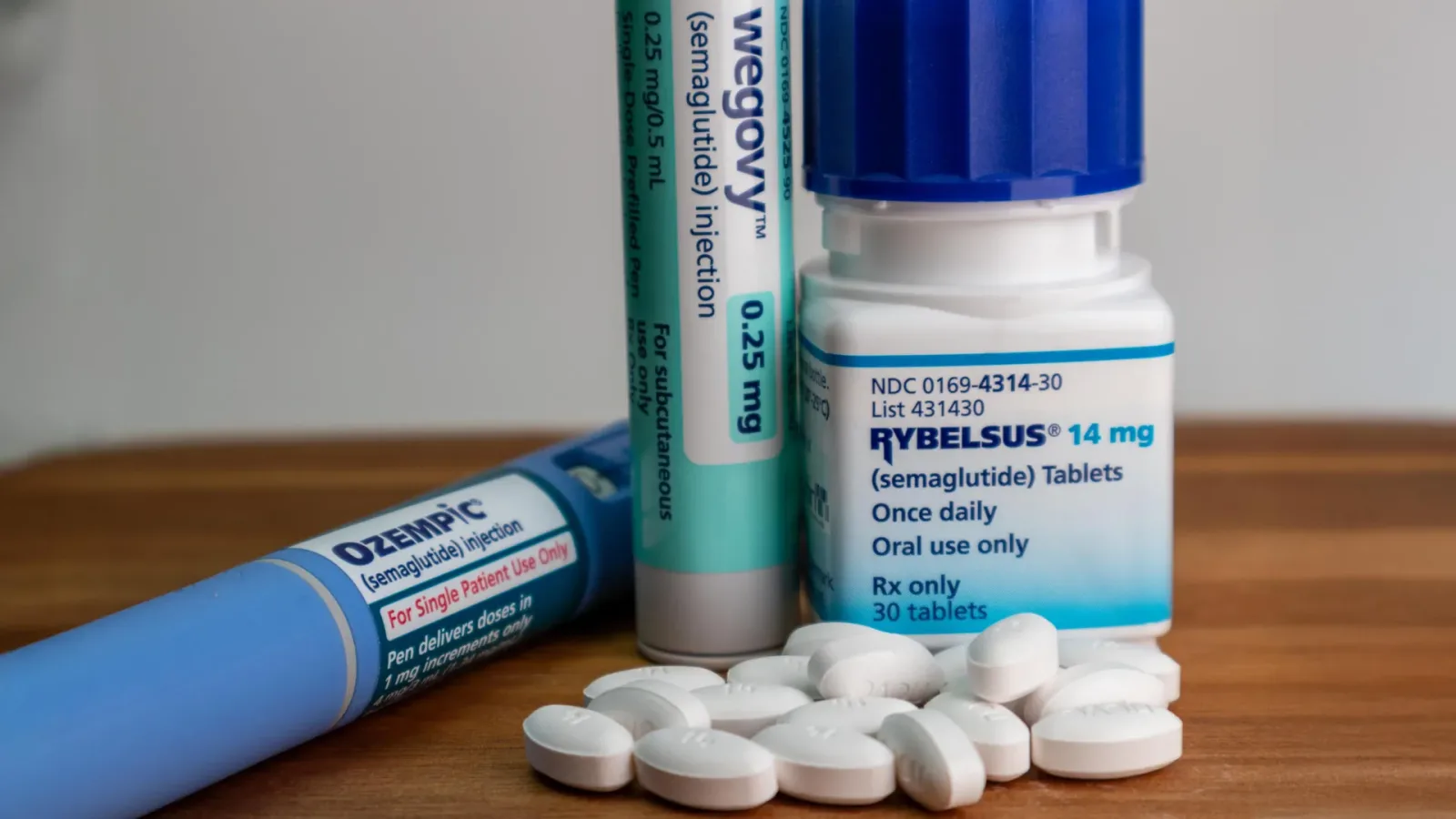
GLP-1 medications such as Ozempic and Wegovy have transformed obesity treatment by promoting substantial weight loss through appetite suppression and metabolic improvements. However, a major hurdle remains: many patients experience significant weight regain after discontinuing these injectables. A promising Phase 2 clinical trial led by George Mason University is investigating ARD-201, an experimental oral drug from Aardvark Therapeutics, specifically designed to support weight loss maintenance after Ozempic and Wegovy.

The Challenge of Weight Regain After GLP-1 Drugs

GLP-1 receptor agonists like semaglutide (the active ingredient in Ozempic and Wegovy) mimic the glucagon-like peptide-1 hormone, slowing gastric emptying, enhancing insulin secretion, and reducing hunger signals from the brain. Clinical data shows average weight loss of 15-20% of body weight over 68 weeks in trials like STEP 1 for Wegovy. Yet, real-world observations and studies indicate that up to 70% of lost weight can return within a year of stopping therapy, often due to rebound appetite and metabolic adaptations.

This regain undermines long-term success in obesity management, where sustained weight loss reduces risks for type 2 diabetes, cardiovascular disease, and joint issues. Patients often face a dilemma: continue costly injections indefinitely or risk yo-yo dieting. ARD-201 enters here as a potential bridge therapy for weight maintenance after GLP-1 drugs.

Introducing ARD-201: A Novel Oral Therapy

Unlike injectable GLP-1s that drive rapid weight loss, ARD-201 focuses on appetite regulation for maintenance. This oral pill from Aardvark Therapeutics activates bitter taste receptors in the gut and brain without causing a bitter taste, triggering a natural "back-off" response to food intake.

How ARD-201 Works

"It's almost a survival instinct," said Lawrence Cheskin, obesity researcher, professor, and past chair of Nutrition and Food Studies, who is leading the George Mason research site for the trial. "When something tastes bitter, the body assumes there may be a toxin, so you back off."

By gently stimulating these receptors, ARD-201 signals the body to reduce calorie consumption subtly. "This isn't going to cause large weight loss on its own," Cheskin added. "The question is whether it can help people keep weight off." This mechanism complements GLP-1s by addressing post-treatment hunger without the nausea or gastrointestinal side effects common in injectables.

Patients transitioning off Ozempic or Wegovy might use ARD-201 daily to stabilize appetite, potentially integrating with lifestyle changes like balanced diets and exercise. Tools like Shotlee can help track appetite changes, side effects, or medication adherence during such transitions.

Phase 2 Trial Design and Objectives

George Mason University is one of six U.S. sites in this open-label Phase 2 trial of ARD-201. The study enrolls adults who have previously lost weight using injectable drugs like Ozempic or Wegovy and have since discontinued them. Researchers will track weight regain over time, comparing outcomes to historical data on typical post-GLP-1 weight gain patterns, which often show 2/3 of lost weight returning within 12 months.

Precision tracking for your journey

Join thousands using Shotlee to accurately track GLP-1 medications and side effects.

📱 Get the Shotlee App

Track your GLP-1 medications, peptides, and health metrics on the go with our mobile app!

Download on theApp Store
Get it onGoogle Play

As an open-label trial, all participants receive the active drug without a placebo control, allowing early signals of efficacy in real-world-like conditions. Endpoints focus on weight stability, appetite scores, and tolerability.

Why George Mason University?

George Mason was selected due to its extensive history in obesity research and clinical weight management programs. Cheskin's team brings expertise in nutritional interventions and long-term outcomes, positioning the site to generate robust data.

Background: From ARD-101 to ARD-201

Earlier research on a related compound, ARD-101, provided foundational evidence. Tested for Prader-Willi syndrome—a genetic disorder causing insatiable hunger—ARD-101 demonstrated appetite suppression via the same bitter taste pathway. Building on this, ARD-201 is optimized as an oral formulation for wider obesity applications, aiming beyond rare conditions to common weight maintenance needs post-GLP-1 therapy.

If Phase 2 results are positive, Aardvark Therapeutics plans larger, randomized controlled trials to confirm benefits against placebo and explore combinations with lifestyle coaching or lower-dose GLP-1s.

Safety Considerations and Patient Guidance

ARD-201's gut-brain mechanism suggests a favorable profile, avoiding injection-site reactions or severe GI issues seen in 20-30% of GLP-1 users (e.g., nausea, vomiting). Early data from ARD-101 trials reported mild side effects like transient taste changes. However, full safety data awaits trial completion.

For patients: Discuss ARD-201 with your doctor if you've regained weight post-Ozempic or Wegovy. Ideal candidates are those with BMI ≥30 who achieved ≥10% loss on GLP-1s. Combine with 150 minutes weekly exercise and protein-rich diets (1.2-1.6g/kg body weight) for best results. Monitor progress with apps tracking weight, hunger via visual analog scales, and metabolic markers like fasting glucose.

Comparisons to Alternatives

Current options for maintenance include resuming low-dose GLP-1s, phentermine, or bariatric surgery. ARD-201 differentiates as affordable oral therapy without needles. Versus metformin or topiramate, its targeted receptor activation may offer superior appetite control without cognitive side effects.

Key Takeaways: What This Means for Patients

  • Targeted Maintenance: ARD-201 activates bitter taste receptors to curb post-GLP-1 appetite rebound.
  • Trial Focus: Open-label Phase 2 at George Mason tracks weight in ex-Ozempic/Wegovy users.
  • Expert Lead: Lawrence Cheskin emphasizes survival-instinct mechanism for subtle, sustainable effects.
  • Next Steps: Positive data could spur Phase 3 trials for obesity standard-of-care.
  • Actionable Advice: Consult providers; track symptoms for personalized plans.

Conclusion: A Step Toward Lasting Weight Control

The ARD-201 trial represents a strategic evolution in obesity care, tackling weight loss maintenance after Ozempic and Wegovy head-on. By leveraging innate biological signals, it offers hope for enduring results without lifelong injections. Stay informed on trial updates—breakthroughs like this could redefine metabolic health trajectories. Patients should prioritize doctor discussions and holistic strategies for optimal outcomes.
?Frequently Asked Questions

What is ARD-201 and how does it work for weight maintenance?

ARD-201 is an experimental oral drug from Aardvark Therapeutics that activates bitter taste receptors in the gut and brain to reduce appetite without a bitter taste, helping prevent weight regain after stopping GLP-1 drugs like Ozempic.

Who is eligible for the ARD-201 Phase 2 trial?

The trial includes adults who previously lost weight with injectable GLP-1 drugs like Ozempic or Wegovy and have discontinued them. It's open-label with no placebo, led by sites including George Mason University.

Can ARD-201 cause significant weight loss on its own?

No, ARD-201 is not designed for initial large weight loss like GLP-1 injectables. Obesity expert Lawrence Cheskin notes it's for maintenance, curbing appetite to help keep weight off post-treatment.

What is the connection between ARD-201 and ARD-101?

ARD-101 was tested for Prader-Willi syndrome, showing appetite suppression via bitter taste receptors. ARD-201 builds on this as an improved oral option for broader obesity weight management.

How does weight regain happen after Ozempic or Wegovy?

After stopping GLP-1 drugs, appetite rebounds due to reduced hormonal suppression, leading to typical regain of up to 70% of lost weight within a year, highlighting the need for maintenance therapies like ARD-201.

Source Information

Originally published by SciTechDaily.Read the original article →

Read next

Keep exploring

More on Ozempic

Articles covering Ozempic dosing, side effects, and clinical updates.

Ozempic Price Cut: Generic Semaglutide Arrives in Canadian Pharmacies
Health & Wellness

Ozempic Price Cut: Generic Semaglutide Arrives in Canadian Pharmacies

Two generic versions of Ozempic have arrived in Canadian pharmacies, offering diabetes and weight loss patients significant cost savings compared to the brand-name medication.

7 min read
Retatrutide Breaks Records: What Phase 3 TRIUMPH-1 Data Means
Health & Wellness

Retatrutide Breaks Records: What Phase 3 TRIUMPH-1 Data Means

Eli Lilly's Retatrutide has shown remarkable weight loss potential in Phase 3 trials. We break down the TRIUMPH-1 results, safety data, and what patients can expect.

9 min read
Driving on Ozempic & Mounjaro: Avoiding the £1,000 DVLA Fine
Health & Wellness

Driving on Ozempic & Mounjaro: Avoiding the £1,000 DVLA Fine

New regulations warn that GLP-1 medication users could face significant fines if side effects impair driving. Here is the complete guide to staying safe and compliant.

8 min read

Same topic: Obesity Treatment

All Obesity Treatment articles →
The Next Wave of Weight Loss: Understanding Oral GLP-1 Therapy
Weight Management & Therapeutics

The Next Wave of Weight Loss: Understanding Oral GLP-1 Therapy

The landscape of chronic weight management is rapidly evolving beyond injectable GLP-1 medications. New research, including trials for the oral, non-peptide drug orforglipron, suggests a future where highly effective weight loss treatment is as simple as taking a daily pill, potentially overcoming barriers of cost and injection fatigue.

6 min read
Cannabis for Weight Loss: Could It Be the Next Ozempic?
Health & Wellness

Cannabis for Weight Loss: Could It Be the Next Ozempic?

Researchers at UC Riverside have uncovered promising data linking cannabis oil to improved metabolic function and weight loss in mice, sparking debate about its potential as a future therapy alongside GLP-1 medications.

8 min read
Pharmac Funding for Wegovy: What NZ Patients Need to Know
Health News

Pharmac Funding for Wegovy: What NZ Patients Need to Know

New Zealand's Pharmac funding agency has moved semaglutide (Wegovy) to its investment list. Here is what this means for eligibility, costs, and access.

8 min read

More in GLP-1 Medications

GLP-1 Drugs for Alcohol Use Disorder: The Future of Addiction Treatment?
Medical Innovation

GLP-1 Drugs for Alcohol Use Disorder: The Future of Addiction Treatment?

GLP-1 receptor agonists, widely known for their efficacy in weight management and type 2 diabetes, are showing remarkable promise in addressing Alcohol Use Disorder (AUD). Emerging research suggests these injectable therapies may fundamentally alter the brain's reward pathways, offering a novel pharmaceutical path for those struggling with heavy drinking.

6 min read
Share this article
  1. Home
  2. Blog
  3. ARD-201 Trial: Maintaining Weight Loss After Ozempic, Wegovy
Dr. Adrian Vale, MD — Internal Medicine · Board-Certified Obesity Medicine
Medically reviewed

Dr. Adrian Vale, MD

Internal Medicine · Board-Certified Obesity Medicine

Dr. Adrian Vale is a board-certified internal medicine physician with a clinical focus on obesity medicine and metabolic health. He reviews Shotlee guides and articles on GLP-1 medications, peptide therapy, and weight-management protocols for clinical accuracy.

View all articles reviewed by Dr. Adrian Vale, MD
Shotlee LogoShotlee

Your comprehensive health tracking companion. Track, analyze, and optimize your journey with advanced metrics and community support.

Product

  • Medication Trackers
  • Health Guides
  • Calculators
  • Compare Medications
  • Pricing

Resources

  • Health Blog
  • Support Center

Legal

  • Privacy Policy
  • Terms of Service
  • Community Guidelines
  • Refund Policy

© 2026 Shotlee. All rights reserved.

Made with for the community♥ for the community