
Beware the Peptide Übermensch: Biohacking's New Frontier
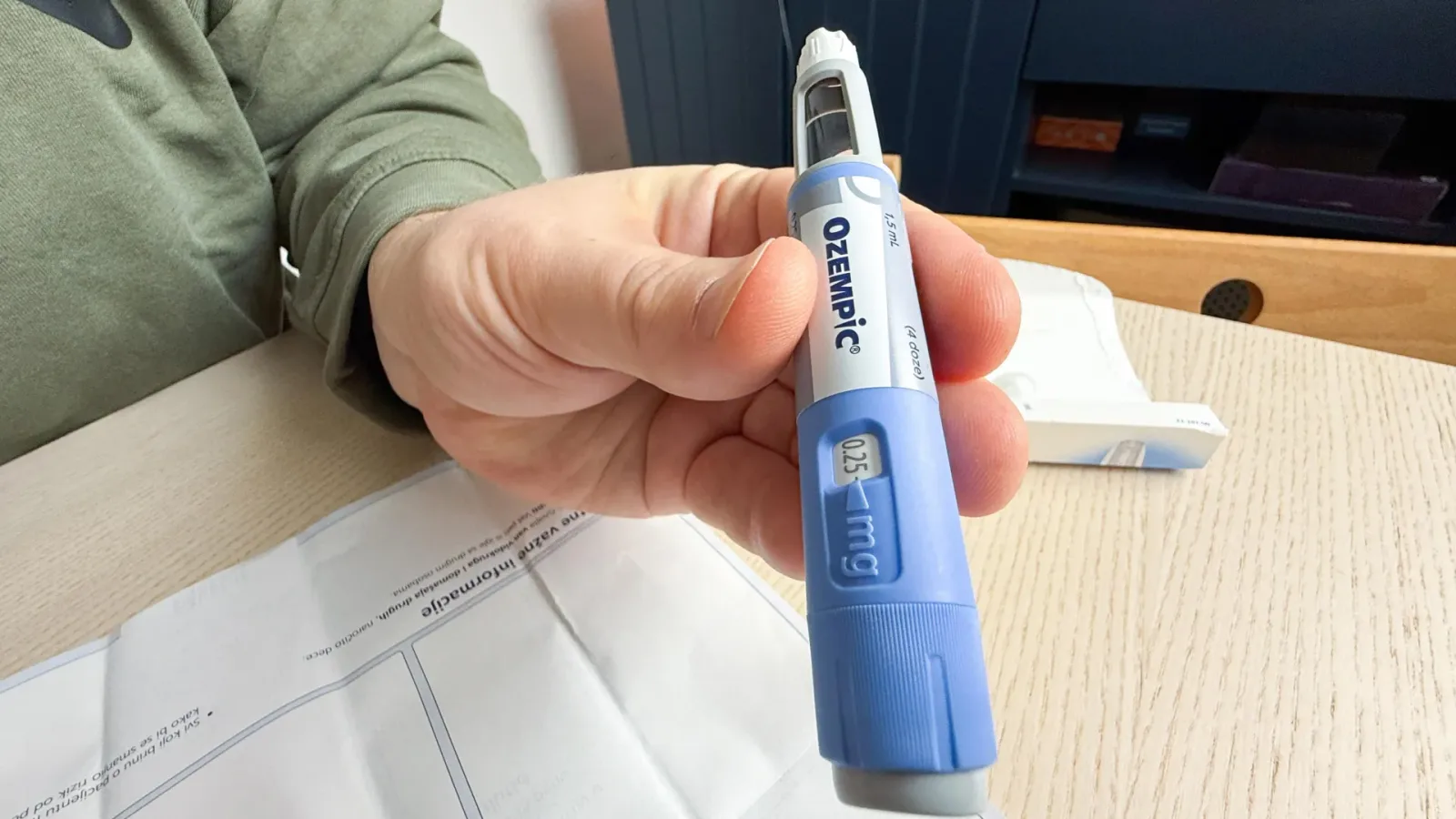
Peptides are emerging as the signaling molecules at the heart of modern self-optimization, bridging approved medications like GLP-1 agonists and shadowy grey-market experiments. Tucked between avocados and under-eye patches in a Manhattan medspa, a slim GLP-1 pen—often costing a thousand bucks a month without insurance—promises victory over stubborn weight after years of cabbage soups and averted dessert gazes.
The Allure of Approved Peptides: GLP-1s in Everyday Life
Picture the Manhattan medspa maven: appetite vanquished, she trades side-effect tips with her shrinking Mounjaro lunch circle. Once coy about her "miracle short-cut," now everyone's on the jab. GLP-1 receptor agonists like Ozempic and Mounjaro mimic the glucagon-like peptide-1 hormone, signaling the brain to reduce hunger and slow gastric emptying. This mechanism not only aids weight loss but also supports metabolic health by improving blood sugar control.
These peptides represent a regulated frontier. Many GLP-1s have FDA approval for type 2 diabetes and obesity, used by millions. Novo Nordisk's Wegovy pill, released last month, signals a shift to more user-friendly formats. For patients, this means accessible options under medical supervision, but access issues persist—two years ago, off-label Ozempic use by non-diabetics cleared shelves, sparking a mini culture war.
Who Benefits from GLP-1 Peptides?
- Individuals with obesity or metabolic syndrome seeking sustainable weight management.
- Those with type 2 diabetes needing better glycemic control.
- Patients discussing with doctors: monitor for gastrointestinal side effects like nausea, common early on.
Practical guidance: Start low-dose, track symptoms—tools like Shotlee can help log side effects and adherence. Always consult a healthcare provider for personalized dosing.
Grey-Market Peptides: The Biohacker's Gold Rush
Across the river in a Bushwick houseshare, twenty-something bros amid vape clouds store vials of CJC-1295, BPC-157, semax, and MOTS-c—ordered via WhatsApp from Chinese warehouses. Labeled "research peptides," they're injected for fat loss, better sleep, ligament healing, and telomere extension. These short amino acid chains act as signaling molecules, but human data is scarce.
Peptides like CJC-1295 stimulate growth hormone release, potentially aiding muscle recovery; BPC-157 shows promise in animal studies for tissue repair. Yet, without rigorous trials, risks loom—contamination, dosing errors, or unknown long-term effects. Biohackers, from looksmaxxers to CrossFit enthusiasts, view them as optimization tools, boring dates with tales of enhanced performance.
Common Grey-Market Peptides and Their Purported Benefits
| Peptide | Claimed Effects | Evidence Level |
|---|---|---|
| CJC-1295 | Growth hormone boost, fat loss | Limited human data |
| BPC-157 | Ligament healing, gut repair | Preclinical mostly |
| Semax | Cognitive enhancement | Anecdotal |
| MOTS-c | Metabolic improvement, longevity | Emerging research |
Safety note: Grey-market sourcing heightens impurity risks. Compare to approved alternatives like GLP-1s, which undergo Phase III trials.
Precision tracking for your journey
Join thousands using Shotlee to accurately track GLP-1 medications and side effects.
📱 Get the Shotlee App
Track your GLP-1 medications, peptides, and health metrics on the go with our mobile app!
Uniting Fridge Owners: The Peptide Culture Explosion
What unites the medspa maven and Bushwick bros? Peptides—approved or not—are dissolving boundaries between pharmaceuticals and cosmetics. Once taboo like plastic surgery, injections now rival minoxidil and coffee in daily routines. Silicon Valley frontierism has mainstreamed biohacking, claiming biology isn't destiny; the body is negotiable.
Clavicular, the 20-year-old streamer, exemplifies this: injecting his girlfriend with peptides, critiquing JD Vance as "fat." For looksmaxxers and bonesmashers, a defined jaw trumps all.
The Fears and Realities of Peptide Inequality
To outsiders, this evokes an elite of perfected superhumans, an Ayn Rand-inspired brutality shunning the collective. Coverage codes it masculine—the New Man of 2026 outpacing FDA/MHRA "normies." Urgency mirrors crypto: jump in now or lag behind chads.
Inequality lies in markets: White-market users (rich, supervised GLP-1s) vs. grey-market bros battling nausea via Chinese chat support. Pharmaceuticals warp from public health to luxury, blurring lines. Downstream benefits—cardiovascular health, frailty delay, addiction curb—raise questions: When do they become entitlements like vaccines, not anti-aging serums?
Policy Dilemmas in Peptide Therapy
- Governments fund prevention, not perfection—yet peptides invade both.
- Risks of entrusting health to Shenzhen labs demand regulatory fire.
- Medicinal morality lags; policy, not chemistry, decides population impact.
Key Takeaways: Navigating Peptide Culture Safely
- Stick to Approved Options: GLP-1s like Ozempic offer proven metabolic benefits with oversight.
- Grey-Market Caution: Limited data means high risks—prioritize lab-tested sources if experimenting.
- Consult Professionals: Discuss peptides with doctors; track via apps like Shotlee for side effects.
- Societal Watch: Monitor policy as enhancement blurs with health.
Conclusion: The Psychic Shift and Hidden Costs
This isn't just about revolutionary drugs—it's a psychic shift: from a degrading "old banger" body to a customizable kit car. Peptide pens and vials evoke magic potions in medspa fridges and bro lairs. As fairy tales warn, these may incur hidden costs—physical, ethical, societal. Patients and policymakers must weigh optimization against risks in this peptide-driven era.
For metabolic health guidance, explore related topics like GLP-1 side effect management or peptide therapy basics.